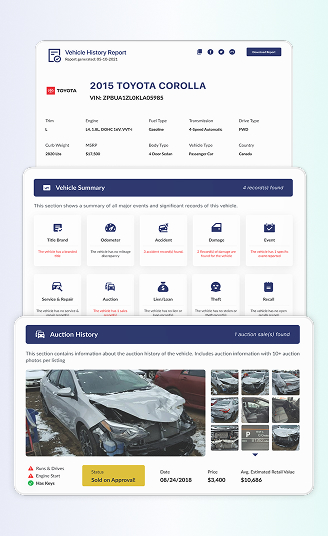

Decode Any Nissan VIN & Check Vehicle Details Instantly
Use our free Nissan VIN decoder to instantly check important vehicle details such as engine specifications, trim level, drivetrain, transmission, model year, and factory information. Enter any valid Nissan VIN number to decode the vehicle’s original specifications before buying, selling, or verifying its factory configuration.
What is the Nissan VIN Decoder?
A Nissan VIN decoder translates the 17-character Vehicle Identification Number into readable factory specifications. Every Nissan VIN stores coded information about the vehicle’s engine family, trim level, drivetrain layout, body style, assembly year, and production location.
A Nissan VIN number (Vehicle Identification Number) is the unique code assigned to a Nissan vehicle for identification. Most modern Nissan models use a 17-character VIN made up of letters and numbers. It stays with the car for life, like a fingerprint, except it’s easier to type.
Now here’s where it gets interesting. If you’re in classic territory, the VIN might not be 17 characters. Older Nissan and Datsun-era vehicles can have shorter formats, often around 5 to 14 digits. That’s normal for older cars, because the modern standard wasn’t always a thing. So if you’re trying to decode Nissan VIN numbers for collectors, you want a tool that can handle both modern and classic formats.
That’s basically the point of PremiumVIN. You enter your VIN, and the Nissan VIN number decoder does the heavy lifting. No memorizing. No squinting at charts.
What Details Can You Extract from a Nissan VIN?
A Nissan VIN carries layer of information about how the vehicle was originally built. Here’s what decoding reveals.
Manufacturer and Model Information
Manufacturer Confirmation
Verifies that the VIN belongs to Nissan and identifies the vehicle’s manufacturing origin (Japan, USA, Mexico, etc.).
Model Information
Pinpoints the exact Nissan model such as Altima, Sentra, Rogue, Murano, Pathfinder, Frontier, Titan, 370Z, GT-R, or Leaf.
Powertrain Specifications
Engine Details
Shows engine type, displacement, cylinder count, and fuel type (e.g., 2.5L 4-cylinder, 3.5L V6, 5.6L V8).
Transmission Type
Confirms the factory-installed transmission like CVT, automatic, or manual.
Drivetrain and Trim Level
Drivetrain Layout
Indicates whether the vehicle has front-wheel drive, all-wheel drive, or 4WD.
Trim Level
Identifies the factory trim designation such as S, SV, SR, SL, Platinum, PRO-4X, or NISMO.
Production Details
Model Year
Reveals the production year encoded in the VIN’s 10th character.
Assembly Plant
Shows which factory assembled the vehicle (e.g., Smyrna, Tennessee; Canton, Mississippi; Oppama, Japan).
Original Build Data
Provides the vehicle’s factory configuration as recorded by Nissan.
How to Decode a Nissan VIN Number
Decoding your Nissan VIN is simple and takes less than a minute.

Step 1: Find Your VIN
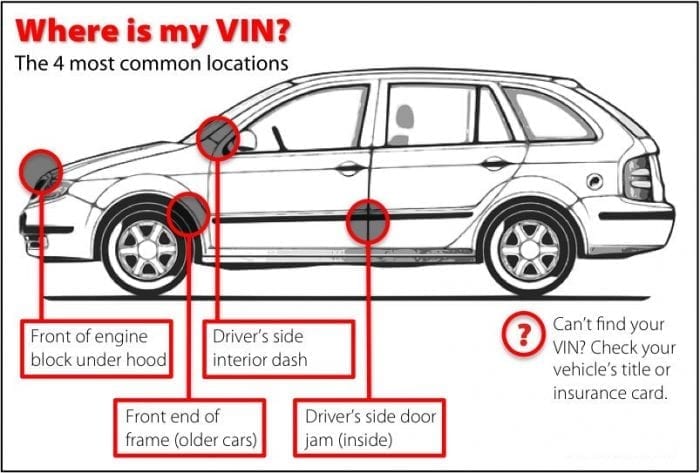
Find the 17-digit VIN number on the vehicle dashboard, driver-side door jamb, or registration documents.

Step 2: Enter the VIN
Type or paste the full Nissan VIN into the decoder tool above.

Step 3: Access Factory Specifications
Instantly view the vehicle's factory specifications, including engine, trim, transmission, and model year.
Understanding Your Nissan VIN Structure
A modern Nissan VIN is usually a 17-character mix of letters and numbers. It’s split into three main parts: WMI, VDS, and VIS. You don’t have to memorize it (nobody does that for fun), but understanding the layout helps you spot when something looks off. Also, for classic Nissan and older Datsun-era vehicles, the VIN can be shorter, and that’s normal.
To make it real, here’s an example VIN we’ll use: JN1AZ4EH5KM421002.
WMI (World Manufacturer Identifier)
The WMI is the first 3 characters. This part points to where the vehicle was made and who made it. For Nissan owners, it’s a quick way to tell if a car is tied to Japan-built codes or other regions. If you’re doing a Nissan VIN lookup (especially for imports), this part matters more than people think.
WMI Character Meaning (Example: JN1)
- 1st character “J”: Region/country code. In this VIN example, it points to Japan.
- 2nd character “N”: Manufacturer identifier inside the WMI system. For this VIN, it’s tied to Nissan.
- 3rd character “1”: Vehicle type or division marker used within the manufacturer’s WMI setup. In this case, the VIN decodes to a Nissan passenger car.
VDS (Vehicle Descriptor Section)
The VDS is characters 4 through 9. This is where Nissan describes the vehicle’s “shape” on paper, including the model line, body style, engine family, restraint systems, and other internal coding.
The exact meaning of each letter can vary by manufacturer and model year, so it’s totally normal to use a Nissan VIN number decoder instead of trying to guess.
VDS Character Meaning (Example: AZ4EH5)
- 4th – 8th character “AZ4EH”: Used by Nissan to describe the vehicle setup (varies by model/year).
- 9th character “5”: Check digit. This is a math-based “self-check” used to help validate that the VIN is formatted correctly.
VIS (Vehicle Identifier Section)
The VIS is characters 10 through 17. Think of it as the vehicle’s unique “production identity.” In many VIN systems, the 10th character is the model year code, the 11th is the plant code, and the last characters act like the serial number. This is the part that makes one Nissan Altima different from the next Nissan Altima, even if they look the same.
VIS Character Meaning (Example: KM421002)
- 10th character “K”: Model year code position. In this VIN example, the decode lines up with a 2019 Nissan.
- 11th character “M”: Plant code position. This is used to identify the manufacturing plant in the maker’s system.
- 12th–17th characters “421002”: Sequential production number (basically the vehicle’s unique serial within that production run).
Where to Find Nissan Vehicle Identification Number?
Most Nissan VIN number locations are pretty consistent. If you’ve got the car in front of you, check these spots first. If you’re buying from far away, ask the seller for clear photos of the VIN areas.
Dashboard
Look through the windshield on the driver’s side. The VIN is usually on a small plate near the corner of the dashboard.
Driver-side door jamb
Open the driver’s door and check the sticker on the door frame area. Many Nissan models list the VIN there.
Engine bay/firewall area
Some Nissans have VIN plates or stickers in the engine bay, often near the firewall or strut tower area.
Vehicle documents
Your registration, title, insurance papers, and service paperwork usually include the VIN. This is helpful when you can’t access the car physically.
Spare tire area
On certain models, you may find VIN-related labels in the trunk area near the spare tire compartment.
Supported Nissan Models
These are a few common Nissan models customers check with PremiumVIN. We also support other trims, rare editions, and older Nissan vehicles that don’t always follow modern VIN patterns.
Nissan 200SX
Nissan 240SX
Nissan 300ZX
Nissan 350Z
Nissan 370Z
Nissan Altima
Nissan Altima Hybrid
Nissan Armada
Nissan Cube
Nissan Frontier
Nissan GT-R
Nissan Juke
Nissan Kicks
Nissan Leaf
Nissan Maxima
Nissan Murano
Nissan Murano CrossCabriolet
Nissan Murano Hybrid
Nissan NV Cargo
Nissan NV Cargo NV1500
Nissan NV Cargo NV2500 HD
Nissan NV Cargo NV3500 HD
Nissan NV Passenger
Nissan NV Passenger NV3500 HD
Nissan NV200
Nissan NX
Nissan Pathfinder
Nissan Pathfinder Hybrid
Nissan Pickup
Nissan Quest
Nissan Rogue
Nissan Rogue Hybrid
Nissan Rogue Select
Nissan Rogue Sport
Nissan Sentra
Nissan Stanza
Nissan Titan
Nissan Titan XD
Nissan Versa
Nissan Versa Note
Nissan Xterra
Who Should Use the Nissan VIN Lookup Tool?
Honestly, a Nissan VIN lookup isn’t just for “used car people.” It’s for anyone who wants to stop guessing. If you’re buying, selling, importing, or collecting a Nissan, the VIN is the fastest way to confirm what the car really is and what it’s been through.
Buying a used Nissan can feel simple until it isn’t. A listing might look clean, the seller might sound confident, and then you find out the car had old damage or title issues. A Nissan VIN decoder helps you check the facts early, before you waste time driVIN g across town.
Identify hidden damages before purchase
A Nissan VIN check can reveal issues such as accidents, flood damage, or auction records, helping you prepare before spending real money.
Check if the odometer story makes sense
Mileage rollbacks happen. A Nissan VIN lookup can reveal inconsistent mileage records that don’t match what you’re seeing on the dashboard.
Avoid stolen vehicle risks
Buying a stolen Nissan can turn into a legal mess. A theft record check helps reduce that risk before you hand over cash.
If you sell Nissans, you already know buyers ask the same questions over and over. A Nissan VIN lookup helps you answer quickly and cleanly. It also protects you, because you’re not relying on memory or guesswork when someone asks for proof.
Build buyer trust faster
A report makes you look prepared. It gives buyers something solid to read instead of just taking your word for it.
Reduce back-and-forth questions
People always ask about accidents, titles, mileage, and recalls. A Nissan VIN check puts most of that in one place.
Help buyers get financing more easily
Lenders like clean info. HaVIN g VIN-based details ready can make the process smoother, especially with hesitant buyers.
Collectors and Nissan fans aren’t just buying transport. They’re chasing the right spec, the right history, sometimes even the right story. A Nissan VIN lookup is useful when you’re restoring, verifying originality, or trying to figure out whether a “rare” Nissan is actually rare.
Decode Nissan VIN for rare trims
Special editions and higher trims can look similar to base models. VIN decoding helps confirm what the car was born as.
Track ownership and history for provenance
Long-term ownership and clean records can add collector value. Historical patterns matter when you’re buying for the long run.
Check past listing photos and auctions
Old photos and auction details can show the earlier condition. It’s useful when the current car looks “too freshly restored.”
Why Users Trust Our Nissan VIN Decoder
If you’re doing a Nissan VIN lookup, you probably want to confirm the car is legit, matches the listing, and doesn’t have hidden problems sitting behind the “clean title” claim. PremiumVIN is designed for buyers, sellers, and collectors who seek clear answers without the hassle of navigating through complicated paperwork.
Most comprehensive database coverage
We pull Nissan information across multiple record types to give you more than a basic Nissan VIN number decoder result. It’s designed to be useful for real decisions, like buying used or verifying a collector car.
24/7 customer support
Used car buying doesn’t happen on a perfect schedule. PremiumVIN support is available to help when you’re stuck, confused, or trying to interpret something in a Nissan VIN report.
High accuracy, cross-checked results
A Nissan VIN lookup is only useful if it’s accurate. PremiumVIN focuses on matching VIN data with supporting record patterns, reducing weird mismatches like the wrong trim or inconsistent identifiers.
Daily data updates
Vehicle records change over time. PremiumVIN is designed to refresh data frequently, so your Nissan VIN check isn’t based on old snapshots. It helps you make decisions using information that’s closer to what’s happening now.
Unlimited free checks
Sometimes you just want to run a quick screening, especially if you’re comparing multiple Nissan listings. PremiumVIN lets users do unlimited free checks to confirm basic identity and get early signals. Then, if a vehicle looks serious, you can step up to the full report.
Downloadable PDF
A downloadable PDF makes the Nissan vehicle history report practical. You can save it, send it to a partner, show it to a mechanic, or keep it with the vehicle’s paperwork for later.
Beyond Specs – The Full Nissan History Report
When you run a Nissan VIN Check tool, the report organizes the important stuff, so you’re not guessing. It’s helpful if you’re buying used, checking a listing, verifying an import, or trying to verify Nissan VIN authenticity on a collector car.
Vehicle Specifications
This section is the “what it is” part. If you’re decoding a Nissan Altima, Pathfinder, Patrol, Qashqai, or even a classic Z, you want to confirm the basics before you fall in love with the photos.
Year, Make, Model
This confirms the vehicle identity tied to the VIN, including the model year and core model name. It’s the first step to stop VIN mismatches, especially when listings get sloppy or translated weirdly.
Trim
Trim matters because it changes equipment and value. This helps you line up what the seller claims (e.g., SV, SL, Platinum, NISMO, etc.) with what the VIN says the vehicle was actually built as.
Engine
A VIN-based spec check can help point you toward the original engine configuration tied to the vehicle. Useful if you’re comparing similar cars, or checking whether a “sport package” story sounds real.
Title Check
Titles are where deals get real. A shiny Nissan can still have a branded title behind it, and you don’t want to learn that after you’ve wired money.
Flood / Fire Title Branding
Some title brands relate to major damage types like flood or fire. This helps you understand whether the vehicle may have hidden corrosion, electrical issues, or long-term reliability risks.
Salvage
A salvage brand usually means the car was declared a total loss at some point. It doesn’t automatically mean “never buy,” but it does mean you should slow down and inspect everything carefully.
Rebuilt
Rebuilt titles often show up after a salvage vehicle is repaired and returned to the road. This section helps you spot that history early, so you can ask better questions and avoid surprise resale issues.
Auction & Sales History
Auction history is a big deal, especially when you’re buying a used Nissan and wondering why the price is “too good.” Auction records can explain a lot, quickly.
Auction date and location
This shows when and where the Nissan appeared at auction, when those entries exist. It helps place the vehicle in a timeline and understand how it moved through the market.
Condition notes
Auction notes often include brief condition tags. Those tags help you spot what the auction considered the main issue, and what else might have been going on.
Photos from past listings
Older listing photos can show the condition before recent detailing or repairs. For collectors, this is also useful when verifying originality on older Nissan or Datsun-era vehicles.
Price changes and timeline
Price drops and sudden relists can signal urgency, hidden issues, or market correction. It’s not always suspicious, but it’s always worth a second look.
Service & maintenance Records
Service history is like “proof of care.” A Nissan can run forever, sure, but it still needs routine work. This section helps you see whether the vehicle was treated like an asset or ignored.
Scheduled maintenance
This highlights routine events like oil changes and scheduled checkups when they appear in records. It’s useful for spotting consistent maintenance versus long gaps.
Part replacements
Parts like brakes, tires, batteries, and filters can show up in service records. Seeing replacements over time helps you understand wear, ownership habits, and possible upcoming costs.
Major or minor repairs
Repair entries can show whether the Nissan had simple fixes or more serious work. It’s especially useful when a seller says “never had issues,” but the records say otherwise.
Theft Records
Nobody wants to buy a stolen vehicle, obviously. But it happens, especially with certain models and certain markets. This section helps you avoid a legal nightmare.
Stolen Status Check
This checks whether the Nissan was reported stolen when those records are available. If the status is flagged, you stop the deal right there and verify everything.
Recorded Theft Incidents
If theft events appear, they can include details like the date and where the theft was recorded. It helps you understand whether it’s an old resolved event or a bigger issue.
Recalls Check
Recalls are normal in the auto world, but open recalls are still a safety issue. Checking the Nissan recall is important because you don’t want to inherit unresolved problems.
Open Recall Information
This lists open recalls when available, so you can see if the Nissan still needs a safety fix. It’s a quick way to know whether a service visit should happen ASAP.
Completed Recall Events
Completed recalls help confirm whether known issues were addressed. It’s reassuring to see repairs documented, especially on models with common recall campaigns.
Ownership History
Ownership patterns tell a story. Was this Nissan kept long-term by one person, or bounced around every year? This section is especially useful for cautious buyers and collectors.
Owner Count (When Available)
Owner count helps you quickly gauge stability. One-owner cars aren’t magically perfect, but frequent ownership changes can be a signal worth paying attention to.
Ownership Timeline
A timeline view helps you see when ownership changes happened and how long each owner kept the vehicle. It’s a simple way to spot fast flips and suspicious gaps.
Vehicle Use Type (When Reported)
Sometimes reports indicate usage like personal, rental, lease, or fleet. That matters because it can shape how the vehicle was driven and maintained over time.
Mileage History
Mileage is one of the easiest things to lie about and one of the hardest things to “feel” during a short test drive. This section exists because odometer stories can get off when you’re in the market.
Mileage History from Multiple Sources
Instead of relying on one reading, mileage can appear across different record sources over time. Seeing those entries together helps you judge whether the mileage story is consistent.
Rollback Detection and Alerts
This is the part people secretly want when they search “Nissan VIN check.” It highlights inconsistencies that may suggest a rollback or reporting mismatch, so you don’t get trapped in a bad deal.
Lien/Loan check
Liens are the quiet deal-killers. You can hold the keys and still not truly own the car if there’s an unresolved lien attached. This section helps reduce that risk.
Lien Record Identification
This checks for lien or loan indicators related to the vehicle record when available. This is especially important when buying from a private party, where the seller keeps avoiding your questions about the paperwork.
Dates and Locations (When Available)
When lien events have dates or locations, they help you place the record in context. That’s useful for understanding whether it’s old history or something that might still be active.
Accident Records
Accidents are common, but the details matter. A minor parking lot bump is not the same as a heavy hit, and buyers deserve to know what they’re stepping into.
Number of Accidents Reported
This gives you a quick count of reported accident events connected to the Nissan. It helps you decide whether you’re looking at normal wear-and-tear or repeated damage patterns.
Date of Reported Accidents
Dates help you understand recency. A recent accident is a different situation than something from ten years ago, with proper repairs and stable ownership afterward.
Reported Accident Location
Location context can help confirm whether the accident story matches the vehicle’s known history. It also helps when comparing records to what a seller tells you.
Real-Life Example – How a VIN Check Saved a 370Z Shopper
People often skip VIN checks because they seem unnecessary. However, once they encounter problems, VIN checks suddenly feel essential. Take Cassie’s experience with the Nissan VIN decoder, for instance; she simply wanted a fun Nissan, not a headache.
Sample Report: JN1AZ4EH5KM421002
Initial Impression
- Cassie finds a 2019 Nissan 370Z listed online. Manual transmission, two-door coupe, looks clean in photos, and the seller keeps saying “clean title.” The price doesn’t feel cheap, but not insane either. Cassie’s thinking, “Okay, maybe I finally found a good one.”
- So she runs the VIN through a Nissan VIN decoder.
Critical Findings
- The report shows loan/lien records and a duplicate title record.
- There’s also a record showing the vehicle titled as a leased vehicle at one point.
- Mileage records look consistent up to the last known reading over 43,000 miles, so it doesn’t scream rollback.
- Accidents: No accident records show up in this report, which is nice.
Outcome
- Cassie pauses instead of walking away. She asks the seller for lien release paperwork and clarification on the duplicate title. If the seller can prove everything’s cleared, great. If they hesitate, she’s done. That’s the real benefit of a Nissan VIN lookup. It supports a calm decision, not a panicked one.
Lessons Learned
- A Nissan VIN decoder isn’t only about specs. The history part matters just as much.
- “Clean title” is not a guarantee. A Nissan VIN check can still show lien or title events that need explanation.
- If you’re shopping from abroad, decoding first saves a lot of expensive mistakes later.
Free Nissan VIN Decoder vs Paid VIN Decoder
A free Nissan VIN decoder is great when you just need the basics fast. But if you’re buying, selling, or checking a collector Nissan, a paid report usually gives the real “story” behind the VIN, not just the identity.
| What You Can Check | Free Nissan VIN Decoder (Quick Check) | Premium Nissan Vehicle History Report (Full Report) |
|---|---|---|
| Nissan year, model, and make | ✓ Confirms basic identity | ✓ Fully confirmed with production details |
| Basic Nissan specs (engine, body, trim) | ✓ General specifications | ✓ Complete factory specifications |
| Title status (e.g., salvage, rebuilt, lemon) | Basic status hint only | ✓ Full title brand history |
| Accident history check | Not available | ✓ Detailed accident records when reported |
| Mileage and odometer records | Not available | ✓ Multiple recorded mileage entries |
| Odometer rollback/mileage inconsistency checks | Not available | ✓ Rollback flags and inconsistency alerts |
| Auction history and photos | Not available | ✓ Auction listings and images when available |
| Online listings and advertised sales | ✓ Current listing snapshot (when available) | ✓ Listings and advertised sales records |
| Timeline of previous listings and sales | Not available | ✓ Timeline of past listings and sale activity |
| Sales listings records & photos | Not available | ✓ Listing records and photos (when available) |
| Nissan market value estimate | Not available | ✓ Value estimates and pricing ranges |
| Number of previous owners | Not available | ✓ Owner count (when available) |
| Past vehicle use (private, rental, fleet, commercial) | Not available | ✓ Use-type indicators when reported |
| Outstanding loans or lien records | Not available | ✓ Lien/loan flags when reported |
| Stolen vehicle check | Limited check | ✓ Detailed theft records if reported |
| Flood, fire, or hail damage indicators | Not available | ✓ Damage-event indicators when reported |
| Reported service or repair history | Not available | ✓ Service/repair records (when available) |
| Recall and warranty information | Limited overview | ✓ Recall history and basic warranty status |
| Downloadable PDF report | X Not included | ✓ Yes, easy-to-save PDF |
| Best suited for | Quick Nissan VIN lookup and early screening | Buyers, sellers, collectors, and serious checks |
How to Get a Nissan Vehicle History Report by VIN Number Lookup
Running a Nissan VIN lookup on PremiumVIN is easy. You’re not decoding characters manually or doing math in your head. You just enter the VIN, review the preview, and decide if you want the full report. That’s it.
Step 1: Enter Your VIN
Type your Nissan VIN into the form above and hit search. Double-check for typos, because that mistake happens a lot.
Step 2: Review the Preview
You’ll see a free preview with basic Nissan info and early signals. If anything looks odd, that’s your sign to dig deeper.
Step 3: Get the Report
Purchase the full Nissan vehicle history report to view detailed reported records like title events, liens, accidents, and more.
Explore Other Nissan VIN Search Tools
Want more than a Nissan VIN decoder? See the Nissan tools below for window stickers, recall checks, title checks, and license plate lookups.
A Nissan window sticker is basically the factory summary of how the vehicle was originally equipped. It can show trim, packages, key features, and MSRP details. If you’re comparing two similar Rogues or Altimas, this helps you see what’s actually different.
A Nissan recall check helps you see whether a vehicle has open recalls or past recall activity. If you’re buying used, checking recalls early can save you from inheriting a problem you didn’t expect.
A Nissan license plate lookup can help when you don’t have the VIN handy but still want to start checking. It’s useful for early screening, especially when listings hide the VIN numbers.
A Nissan title check focuses on title branding and title events. This is where you catch things like salvage, rebuilt, lemon branding, and other title-related warnings that can affect value and resale.
Facts About Nissan: Why Nissan Attracts Collectors and Daily Drivers
Nissan is a brand that appears quite ordinary on the surface, but it also has a passionate enthusiast community. On one hand, you have practical models like the Altima and Pathfinder. On the other hand, there are iconic vehicles such as the Z cars and the GT-R. People purchase Nissan cars for various reasons: as everyday commuters, as project cars, or as collectibles.
The Brief History of Nissan
Nissan traces its roots back to early Japanese automotive companies and became Nissan Motor Co., Ltd. in the 1930s. Over time, it expanded globally and built a reputation for both everyday reliability and performance models.
- Global brand with multiple market versions: Nissan vehicles can come in different configurations depending on the market. That’s why VIN checks are popular for imports, where small differences in options and specs can matter a lot.
- Strong enthusiast culture: Z cars, GT-R, and older Datsun models have collector value, making VIN authenticity checks more important.
- High-production daily drivers: Models like Altima, Rogue, and Pathfinder are commonly used by buyers.
- Partnership history: Nissan has had major alliance partnerships that influenced platforms and tech across different eras.
Get Your Nissan Vehicle Details Instantly
Use our Nissan VIN decoder to instantly verify factory specifications, including engine details, trim level, drivetrain, transmission, and model year. For deeper insights, upgrade to access a full Nissan vehicle history report and make informed decisions before buying or selling.
FAQs About Nissan VIN Decoder
Is a Nissan VIN lookup free?
Yes, a basic Nissan VIN lookup can be free. On PremiumVIN, you can do a free Nissan VIN decoder check to confirm the vehicle’s basic identity. If you want the full Nissan vehicle history report (title brands, accidents, liens, mileage records, that kind of stuff), that part is paid content.
Can I look up a car with a VIN?
Yep. That’s kind of what a VIN is for. When you decode Nissan VIN numbers, you can confirm the make, model, and other basics in seconds with PremiumVIN Nissan VIN decoder.
Can I see my vehicle specs with VIN?
Yes. A VIN decoder can show key specs like model year, manufacturer, and other build details, and in many cases, it also points to things like engine type and other identifiers. If you want it simple, just run the Nissan VIN number decoder and let it translate the characters for you.
What info does a Nissan VIN decoder provide?
A free Nissan VIN decoder gives you the vehicle identity and core build info, like the model, year, manufacturer details, and other encoded specs. On the other hand, a full Nissan vehicle history report by PremiumVIN can show reported things like title brands, theft records, recall info, and ownership history records.
What does a Nissan VIN number look like?
For modern Nissan vehicles, it’s usually a 17-character string made of letters and numbers, often shown in uppercase. You’ll see it on the driver-side dashboard near the windshield and on the door jamb label, plus on paperwork like registration.