
Jeep VIN Decoder - Check Vehicle Details Instantly
With PremiumVIN, you can run a Free Jeep VIN Decoder and verify your trim, engine, and other core specs for free. And yes, we also cover older Jeep VINs that don’t look like today’s format (5-14 characters).
What is the Jeep VIN Number?
A Jeep VIN number (Vehicle Identification Number) is basically your Jeep’s fingerprint. For most modern Jeeps, it’s a 17-character mix of letters and numbers, and it stays with the vehicle for life. This code is used to identify the vehicle and describe it in a structured way, like where it was built, the model year, and other production details.
Classic Jeep VIN Decoder Support
Older Jeeps can have shorter VINs (5-14 digits) that don’t follow the modern format. Our Jeep VIN decoder tool reads both types and shows you the key details, from Jeep specs like the make, model, engine type, transmission, to vehicle history checks like accidents, recalls, title brands, lien/loan records, and more.
Information You Can Get From Jeep VIN Decoder
Use our Jeep VIN decoder to identify important vehicle specifications, including engine type, trim level, model year, transmission, drivetrain, and factory-installed features using the VIN.
Whether you’re checking a Jeep Wrangler, Grand Cherokee, Cherokee, Compass, Renegade, Gladiator, or classic CJ, decoding the VIN helps confirm the vehicle’s original factory specifications before buying, selling, or ordering parts.
Vehicle Identity
Model Year and Manufacturer
The VIN’s 10th character reveals the exact model year, while the first character identifies the USA as the country of origin for most Jeeps (1, 4, or 5).
Trim Level
Jeep trim levels include Sport, Sahara, Rubicon, Overland, Summit, Trailhawk, Willys, High Altitude, and base models. The decoder shows the exact trim configuration, which affects off-road capability and resale value.
Body & Chassis Details
Body Configuration
Confirms the number of doors, vehicle class, and whether it’s a traditional SUV, pickup truck, or convertible-style Wrangler.
Dimensions and Weight
Includes wheelbase, length, width, height, curb weight, GVWR, and towing capacity where available.
Exterior Features
Original factory paint codes (Sting-Gray, Hydro Blue, Sarge Green, Firecracker Red), wheel sizes, and exterior trim details.
Powertrain & Mechanical Specifications
Engine Type
Shows engine size, displacement, cylinder count, and fuel type. Jeep engines include Pentastar V6, Hemi V8, 4xe plug-in hybrid, and turbocharged 4-cylinder.
Transmission and Drivetrain
Confirms transmission type (manual, automatic, 8-speed) and drive type (4×4). The legendary Jeep 4×4 system is a key differentiator.
Axle Ratio and Off-Road Features
Identifies axle ratio and factory-installed off-road equipment such as locking differentials, sway bar disconnect, and Rock-Trac/Selec-Trac systems.
Safety & Equipment (Factory-Level)
Airbag System
Factory-installed airbag configuration, including number and locations of airbags.
Jeep Safety Features
Identifies factory-installed safety features such as blind spot monitoring, rear cross-traffic alert, adaptive cruise control, and forward collision warning.
Seat Belt and Restraint Systems
Factory-installed seat belt configuration and child seat anchor points.
Efficiency & Classification
EPA Vehicle Class
The Environmental Protection Agency’s classification for the vehicle (e.g., Small SUV, Standard SUV, Pickup Truck).
Fuel Economy Ratings
EPA-estimated city, highway, and combined MPG for gasoline models, or MPGe and electric range for 4xe plug-in hybrid models.
Emissions Classification
Greenhouse gas ratings, smog ratings, and for 4xe models, electric-only range and charging information.
How to Decode a Jeep VIN Number
Decoding your Jeep VIN is simple and takes less than a minute.

Step 1: Find Your VIN
Find the 17-digit VIN number on the vehicle dashboard, driver-side door jamb, or registration documents. PremiumVIN also supports pre-1981 VIN formats.

Step 2: Enter the VIN
Type or paste the full Jeep VIN into the decoder tool above.

Step 3: Access Factory Specifications
Instantly view the vehicle's factory specifications, including engine, trim, transmission, and model year.
Where to Find the Jeep Vehicle Identification Number?
The VIN is usually easy to spot on modern Jeeps, but it can still be missed if you don’t know where to look. Try the spots below first, then move to the “older vehicle” areas if needed.
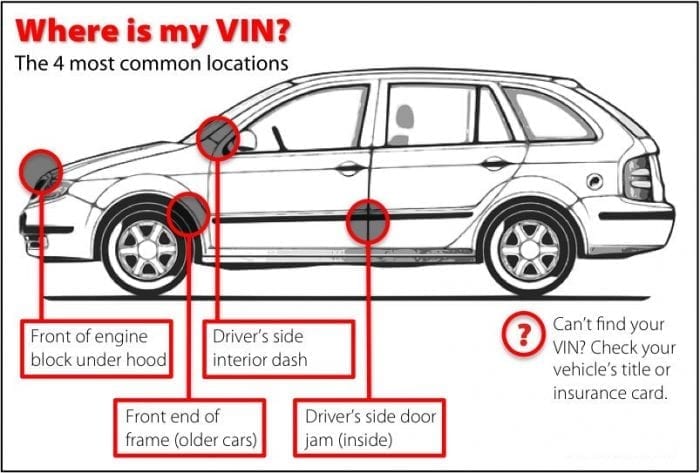
Dashboard (windshield corner)
Stand outside the Jeep on the driver’s side and look at the corner where the dashboard meets the windshield.
Driver-side door jamb sticker
Open the driver’s door and check the label area on the door jamb. Many vehicles include the VIN on a sticker there.
Title, registration, and insurance paperwork
If the Jeep isn’t near you, check the title, registration, or insurance documents. VINs are often printed clearly on official paperwork.
Engine bay/firewall area
On some vehicles (especially older ones), the VIN or an identifying code may appear inside the engine compartment around the firewall area.
Wheel arch / frame-area spots (older vehicles)
Older vehicles can be trickier. Some VINs or ID codes may be located inside the wheel arch or on major components. It’s a bit of a hunt, but it’s normal for classics.
Jeep VIN Structure Explained
A 17-character Jeep VIN looks random at first, but it follows a pattern: WMI (who made it), VDS (what it is), and VIS (the exact unit). You can memorize this, but honestly, it’s easier to just decode the Jeep VIN with our tool and read the results in just a second.
Let’s use a real Jeep VIN: 3C4NJDBB9MT534924.
WMI (World Manufacturer Identifier)
The WMI is the first 3 characters (positions 1–3). This part identifies the manufacturer and the region/country tied to the VIN assignment. The first character is especially useful because it points to the geographic region (and often the country).
WMI Character Meaning (Example: 3C4)
- 3 (Position 1): North America region code that includes Mexico.
- C (Position 2): Manufacturer identifier (this part is assigned within the WMI system).
- 4 (Position 3): Division/vehicle type category detail used by the manufacturer’s WMI assignment.
Note: Jeep is a brand under Stellantis today, so you’ll see Jeep VINs tied to the Chrysler/Stellantis manufacturing systems depending on model and year.
VDS (Vehicle Descriptor Section)
The VDS is positioned 4th to 9th. This is the “describe the vehicle” section. It’s where the maker encodes details like model line, body type, restraint system, drivetrain/engine-related identifiers, and other internal attributes. The exact meaning of each character is manufacturer-specific, so a Jeep VIN number decoder is the practical way to translate it.
VDS Character Meaning (Example VDS: NJDBB9)
- N (Position 4): Vehicle descriptor code (Jeep’s internal code for vehicle line/series or type).
- J (Position 5): Descriptor code, often used to help define configuration (Jeep’s internal code for vehicle line/series or type).
- D (Position 6): Descriptor code (often tied to body/series/restraints in a maker’s system).
- B (Position 7): Vehicle attribute code (varies by manufacturer and market rules).
- B (Position 8): Descriptor code (often tied to drivetrain/engine groupings by the maker).
- 9 (Position 9): Check digit used to validate the VIN.
VIS (Vehicle Identifier Section)
The VIS is positioned 10–17. This is where the VIN points to the model year code, the assembly plant code, and the unique production sequence that makes your Jeep your Jeep.
VIS Character Meaning (Example VIS: MT534924)
- M (Position 10): Model year code. In standard year tables, M = 2021.
- T (Position 11): Assembly plant code (manufacturer-specific).
- 534924 (Positions 12–17): Production sequence number that helps uniquely identify the vehicle.
Who Should Use the Jeep VIN Lookup Tool?
A Jeep VIN lookup is not just for people buying random used cars. Jeep listings can be messy, and some owners honestly forget what’s been changed or repaired. That’s why decoding a Jeep VIN details helps you whether you’re a buyer, seller, dealer, or the Jeep crowd who collect and restore older rigs.
Buying a used Jeep feels fun until you notice the “small issues” are not small at all. A Jeep VIN number decoder helps you check what the vehicle really is, then compare it with the listing and what you see in person. It’s especially handy for first-time buyers, foreigners, or anyone who just wants fewer surprises.
Identify hidden damages before purchase
A Jeep VIN check can help you spot reported accidents, flood or fire damage, and other red flags that may not show up in photos. It’s a simple step before you commit money.
Confirm the exact model and trim
Some Jeeps look similar from the outside. VIN decoding helps confirm the model and trim, so you don’t pay for “top trim” pricing on a basic version.
Check if the mileage story makes sense
Mileage problems happen more than people admit. A report can show mileage records over time and warn you when something looks off.
If you’re listing a Jeep, you want to avoid mistakes in the ad, reduce buyer arguments, and price it like you actually know what you have. Our Jeep VIN lookup tool can make your listing feel more trustworthy.
Write a more accurate listing
VIN details can help you list the correct year, model, trim, and key specs without guessing or relying on memory.
Reduce buyer doubts and repetitive questions
If the report answers common questions upfront, you spend less time explaining and more time closing the sale.
Protect your reputation
If you sell more than one vehicle, haVIN g clean and consistent information matters. It helps you look reliable, not sloppy.
Jeep collectors and enthusiasts are usually not just “shopping.” They’re hunting for the right spec, the right history, and sometimes the right story. Our Jeep VIN lookup tool helps confirm authenticity, track changes, and support restoration plans, especially when the Jeep is older or has been modified over the years.
Confirm the Jeep’s original identity
VIN decoding helps confirm what the Jeep started life as, which matters when you’re restoring or buying a “claimed original” build.
Support classic and VIN tage Jeep research
Older Jeeps can have shorter VINs. A decoder can still help you organize what’s known and match the Jeep to its era.
Verify key specs for parts matching
Jeep builds are often modified. VIN-based specs help you start from a more reliable baseline when ordering parts.
Supported Jeep Models
Below are some popular Jeep models people run through our Jeep VIN decoder. Don’t see yours? That’s normal. PremiumVIN can decode all Jeep variants, most model years, and even older Jeeps with shorter VIN formats.
Jeep Cherokee
Jeep Comanche
Jeep Commander
Jeep Compass
Jeep Gladiator
Jeep Grand Cherokee
Jeep Grand Wagoneer
Jeep Liberty
Jeep New Compass
Jeep Patriot
Jeep Renegade
Jeep Wrangler
Jeep Wrangler JK
Jeep Wrangler JK Unlimited
Jeep Wrangler Unlimited
Jeep Wrangler Unlimited 4xe
Why Users Trust Our Jeep VIN Decoder
People use a Jeep VIN lookup when they don’t want surprises. And fair enough, used vehicles can have messy backstories. PremiumVIN is built to keep the process simple: decode the VIN fast, then let you choose whether you want a quick check or a full report, depending on how serious the situation is.
Most comprehensive database coverage
PremiumVIN has a wide range of coverage, which is beneficial for Jeeps that change owners and states, including auctions. This helps you find useful events rather than a meaningless, empty page.
24/7 customer support
PremiumVIN positions itself as a support-driven service, so if something looks confusing in a Jeep vehicle history report, you have a path to ask for help instead of guessing and hoping.
Daily data updates
Vehicle history changes over time. A Jeep can show up in an auction, get a title update, or have a recall status change. PremiumVIN describes its data as up-to-date and sourced from multiple systems, so you’re not stuck reading old info when newer records exist.
No hidden fees or subscriptions
Nobody likes surprise billing. PremiumVIN’s pricing page is built around clear pricing options, including credit packs and an unlimited option, so you can pick what fits your situation.
Unlimited free checks
Shopping for a Jeep is usually messy in the beginning. You’re comparing trim levels, years, and prices. PremiumVIN supports free VIN checks for early screening, so you can run quick lookups while you’re still deciding what you even want.
Downloadable PDF
A downloadable PDF is useful because it’s portable. You can send it to your mechanic, your family, or your business partner, and everyone can look at the same info instead of relying on memory.
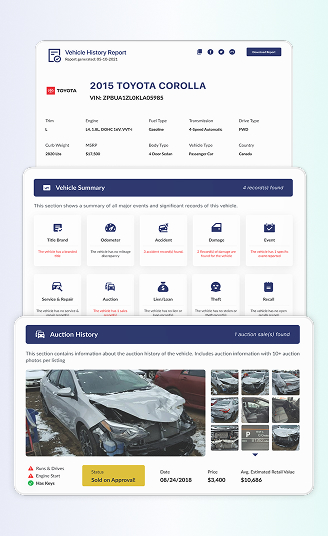
Need More Than Specs? Get Jeep Premium History Report?
With a PremiumVIN Jeep VIN number decoder, you can decode Jeep VIN details for everyday buyers and collectors, then use the full VIN check report to spot mismatches, weird history gaps, or “too-good-to-be-true” listings.
Vehicle Specifications
This part is the important basics. It helps you confirm what the Jeep should be on paper before you compare it to what’s sitting in your driveway or on a dealer lot.
Year, Make, Model
This section shows the model year and identity details tied to that VIN. It’s helpful when listings are vague, or when the seller says “it’s basically a 2018,” but the VIN tells a different story.
Trim
Trim matters more than people admit. This section helps you understand the Jeep’s trim level so you don’t mix up packages that look similar but come with different equipment and value.
Engine and Drivetrain (When Available)
This is where you look for the engine type and drivetrain info when the data is reported. It’s useful when you’re checking if the Jeep matches what the seller claims, especially on modified builds.
Ownership History
This is the “who had it, and how long?” section. Not names (privacy matters), but patterns. And patterns tell stories, even if people pretend they don’t.
Owner Count
When owner counts are available, this section shows how many owners the Jeep appears to have had. Many quick owner changes can be normal, or they can hint at recurring issues.
Ownership Timeline
This timeline lays out ownership periods when recorded. It’s helpful for spotting rapid flips, long-term stable ownership, or gaps where the history goes quiet for a while.
Vehicle Use Type (When Reported)
When reported, this can indicate if the Jeep was used personally, as a fleet vehicle, or in other categories. Different use types can mean different wear, even if the mileage looks similar.
Title Check
Title brands can change the whole deal. This section is here to help you avoid buying a problem you can’t easily sell later, even if the Jeep looks clean in photos.
Salvage
A salvage title brand can mean the Jeep was declared a total loss at some point.
Rebuilt
Rebuilt (or reconstructed) typically means the vehicle was repaired after a major loss and then passed a state process to return to the road.
Lemon
A lemon brand can be tied to repeated issues that triggered a buyback or similar action. This is one of those flags that makes people say, “Nope,” and move on fast.
Mileage History
Mileage is one of those things people “forget” to mention accurately. This section is built to help you spot mileage that makes sense and flag mileage that feels off.
Mileage History from Multiple Sources
This pulls recorded mileage points when available across different reporting events. It helps you see the mileage trend over time rather than trusting one number from one listing.
Rollback Detection and Alerts
If the mileage suddenly drops or behaves strangely between records, this can point to a possible rollback pattern. It’s not always a smoking gun, but it’s definitely not something to ignore.
Annual Usage Patterns
Annual usage patterns can help you tell whether the Jeep was a daily driver, a weekend toy, or something that sat for long stretches. That context matters for condition and future maintenance.
Accident Records
Accidents happen. The important part is knowing if they happened, how many, and whether the Jeep’s current condition matches the story you’re being told.
Number of Accidents Reported
This section lists how many accident records appear when available. Even one accident isn’t always a deal-breaker, but multiple incidents should trigger a closer inspection.
Date of Reported Accidents
Dates help you place accidents in the Jeep’s timeline. A minor incident ten years ago is different from something recent that might still affect alignment, safety systems, or resale value.
Reported Accident Location
Location context can be useful for buyers comparing condition claims. It’s not about judging a place, it’s about building a clearer picture of the vehicle’s recorded past.
Accident Detail Notes (When Available)
When the data includes extra notes, it can help you understand whether the incident was minor, moderate, or something more serious. If details aren’t available, it still flags that an event was recorded.
Damage History
This is broader than accidents. It’s the stuff people sometimes “clean up” before selling and hope you never ask about.
Flood Damage
Flood history matters because water can affect electronics and hidden areas for years. Even if the Jeep runs fine today, flood exposure can lead to corrosion and strange electrical issues later.
Fire Damage
Fire damage can impact wiring, seals, and long-term reliability. If a record suggests fire damage, it’s a strong reason to inspect carefully or walk away, depending on the severity.
Structural or Frame Damage (When Reported)
When structural damage is reported, it’s a big deal, especially for off-road Jeeps where frame integrity matters. This section helps you spot when extra inspection is not optional.
Recalls Check
Recalls are normal in the car world. The question is whether the recall exists and whether it looks handled, because safety work isn’t something you want to postpone forever.
Open Recall Information
This shows open recalls when available. It’s useful if you want to handle safety fixes right away, especially before long trips or if you’re buying the Jeep for family use.
Manufacturer and Safety Agency Notices
Recall notices are tied to the manufacturer or safety reporting. This section groups recall-related notes in a way that’s easier to scan, so you’re not stuck digging through confusing lists.
Theft Records
Nobody wants to buy a stolen vehicle. It sounds obvious, but stolen records can create serious legal problems, even for innocent buyers.
Stolen Status Check
This section checks if the Jeep has been reported stolen when theft data is available. It’s one of those “check it early” items, not something you do after you pay.
Recorded Theft Incidents
If theft incidents are recorded, this section can list what’s available, like whether it was reported and sometimes whether recovery was noted. It’s about protecting you from a bad surprise.
Service & maintenance Records
If you’re buying used, this section can feel like the “health habits” section. And yes, it matters. A Jeep that was maintained well usually behaves better, even when it’s older.
Scheduled maintenance
When maintenance entries appear, this section helps you see whether routine servicing looks consistent. It’s a good sign when the Jeep doesn’t have long unexplained gaps.
Part replacements
Parts replaced over time can tell you what’s been refreshed and what might still be original. It helps buyers plan future work, especially on older Jeeps or high-mileage trucks.
Major or minor repairs
Repair notes, when present, give context on what the Jeep has been through. A few minor repairs are normal; repeated major repairs should make you pause and think.
Notes from inspections
Inspection notes (when available) can add detail that doesn’t show up elsewhere. This can include observations that help you understand the condition beyond a simple “clean” listing description.
Auction History
Auction history is especially relevant for buyers trying to avoid “flip cars” with hidden damage. Also, collectors care because auctions can show how the market has treated that exact vehicle.
Auction date and location
If the Jeep appears in auction records, this shows when and where it happened. It’s a useful context, especially when a seller claims “never been through auction.”
Sale price
Auction sale price history can help you understand how the Jeep was valued at that time. It’s not the whole value story, but it’s one more data point.
Condition notes, such as primary and secondary damage
When auction listings include condition notes, they can be very revealing. This is where you may see mentions of damage or issues that are not obvious in today’s photos.
Photos from past listings
Past listing photos can sometimes show details that current photos don’t. If photos are available in historical records, they can help you track changes in condition or modifications.
Why Lisa Did a Jeep VIN Check First Before Paying Anything
Lisa was looking at a 2021 Jeep Compass, and the listing felt “pretty normal” until she ran the Jeep VIN decoder report before getting emotionally attached.
Sample Report: 3C4NJDBB9MT534924
Initial Impression
- The price looked tempting. Mileage didn’t seem crazy. The seller basically said, “It’s fine, just a used Jeep.” Lisa almost believed it because, well, people want to believe that. But she still did the Jeep VIN check, just to be safe.
Critical Findings
- The Title Brand Check shows a salvage brand record, plus the vehicle is marked as haVIN g a branded title.
- The report shows Insurance Loss and is titled to an insurance company.
- 1 accident reported on 08/11/2022, located in UT.
- Sold at auction on 11/11/2022, with front end as primary damage. It even notes does not run & drive, but “engine starts,” and the sale price is shown to be $7,300.
- The report shows 2 lien/loan records
- Multiple mileage records are listed, with a last known record of 28,935 (including entries around late 2022). It also says there’s no mileage discrepancy.
Outcome
- Lisa didn’t buy it. Not because a Jeep with a rough past can never be okay, but because the listing didn’t match the seriousness of what the report showed. Salvage history plus insurance auction front-end damage is not a “small scratch” story.
- So she walked away, kept looking, and saved herself a future headache (and probably a few thousand dollars).
Lessons Learned
- If you’re buying used, do a Jeep VIN lookup before you fall in love with the vehicle.
- A “clean-looking” Jeep can still have a salvage brand or insurance loss history in the background.
- Auction notes like “does not run & drive” are not small details. They’re big flashing signs.
- Lien/loan records can turn a simple purchase into paperwork chaos.
- When the report and the seller’s story don’t match, trust the records and ask harder questions.
Free Jeep VIN Decoder vs Full Vehicle History Report
If you just want to decode a Jeep VIN for basic specs, free is fine. But if you’re worried about the stuff sellers don’t love talking about (e.g., accidents, salvage, auctions), you’ll want the full report. That’s where the serious details usually show up.
| What You Can Check | Free Jeep VIN Decoder (Quick Check) | Premium Jeep Vehicle History Report (Full Report) |
|---|---|---|
| Jeep year, model, and make | ✓ Confirms basic identity | ✓ Fully confirmed with production details |
| Basic Jeep specs (engine, body, trim) | ✓ General specifications | ✓ Complete factory specifications |
| Title status (e.g., salvage, rebuilt, lemon) | Basic status hint only | ✓ Full title brand history |
| Accident history check | Not available | ✓ Detailed accident records when reported |
| Mileage and odometer records | Not available | ✓ Multiple recorded mileage entries |
| Odometer rollback/mileage inconsistency checks | Not available | ✓ Rollback flags and inconsistency alerts |
| Auction history and photos | Not available | ✓ Auction listings and images when available |
| Online listings and advertised sales | ✓ Current listing snapshot (when available) | ✓ Listings and advertised sales records |
| Timeline of previous listings and sales | Not available | ✓ Timeline of past listings and sale activity |
| Sales listings records & photos | Not available | ✓ Listing records and photos (when available) |
| Jeep market value estimate | Not available | ✓ Value estimates and pricing ranges |
| Number of previous owners | Not available | ✓ Owner count (when available) |
| Past vehicle use (private, rental, fleet, commercial) | Not available | ✓ Use-type indicators when reported |
| Outstanding loans or lien records | Not available | ✓ Lien/loan flags when reported |
| Stolen vehicle check | Limited check | ✓ Detailed theft records if reported |
| Flood, fire, or hail damage indicators | Not available | ✓ Damage-event indicators when reported |
| Reported service or repair history | Not available | ✓ Service/repair records (when available) |
| Recall and warranty information | Limited overview | ✓ Recall history and basic warranty status |
| Downloadable PDF report | X Not included | ✓ Yes, easy-to-save PDF |
| Best suited for | Quick Jeep VIN lookup and early screening | Buyers, sellers, collectors, and serious checks |
How to Get a Jeep Vehicle History Report by VIN Number Lookup
To run the Jeep VIN Decoder, you just need to follow these three simple steps to decode the VIN.
Step 1: Enter Your VIN
Type your 17-character VIN into the Jeep VIN lookup form above. Double-check letters and numbers, because one wrong character can change everything.
Step 2: Review the Preview
You’ll see a free preview of the Jeep basics like year, make, model, specs, engine, trim, and other basic records, before you go deeper.
Step 3: Get the Report
If you want the full details, continue to the full report. That’s where you’ll usually find title, accident, auction, lien/loan, and other history items (when reported).
Explore Other Jeep VIN Search Tools
A VIN decoder is a great start, but sometimes you’re searching for one specific thing. Like “what options did it come with?” or “does it have a title brand?” That’s where these extra tools fit in.
A Jeep window sticker is basically the “factory shopping list” for that vehicle. It can help you understand original equipment, packages, and key specs without relying on seller memory.
A Jeep title check focuses on title branding and title history, like salvage, rebuilt, or other title flags (when reported). This matters because title status can affect resale value, insurance, and how confident you feel about the Jeep’s past.
A license plate lookup helps when the VIN isn’t available yet. It can support quick screening and basic verification, especially if a listing only shows the plate or hides the VIN in photos. It’s a practical first step before deeper checks.
If you don’t have the VIN handy, a Jeep license plate lookup can help you start the search using the plate (and state) instead. It’s useful in real-life situations like parking-lot checks, quick dealer browsing, or when a listing conveniently “forgot” to show the VIN.
Jeep Facts: From Military Roots to Modern 4x4 Culture
Jeep has one of those brand histories that people actually talk about at dinner. It’s tied to military roots, off-road culture, and a kind of “go anywhere” attitude that’s honestly hard to fake
The Brief History of Jeep
The Jeep brand became famous in the 1940s era, connected to rugged 4×4 vehicles used in wartime and then later adapted into civilian models. Over time, Jeep grew into a global SUV and 4×4 name that’s strongly linked with capability and outdoor travel.
- Jeep is part of the Stellantis brand group today, after the FCA and PSA merger was completed in 2021.
- Jeep is widely known for its 4×4 identity and off-road culture, especially in models like Wrangler and Gladiator.
- Modern VINs became standardized as 17 characters for U.S. vehicles starting with the 1981 model year.
- VINs avoid the letters I, O, and Q to prevent confusion with numbers.
- Jeep’s design language is strongly associated with its front grille look, which is one reason Jeep models are instantly recognizable.
Decode Your Jeep VIN Now
Ready to check it for real? Run a Jeep VIN lookup now and see what the VIN says before the seller talks you into rushing.
Frequently Asked Jeep VIN Questions
Are there any free VIN decoders?
Yes. PremiumVIN free Jeep VIN decoders offer a basic decode at no cost. But if you’re after the deeper checks (title brands, multi-entry odometer patterns, lien flags, auction records), that’s under a paid report because it involves pulling and organizing more record types than just decoding the 17 characters.
How to look up vehicle specs with VIN?
To look up vehicle specs with a VIN, just paste the VIN into a Jeep VIN number decoder and let it translate the code into specs you can read and understand easily. A VIN can carry details about the vehicle’s build and configuration, and our tools can show the features/specs when you enter the VIN.
How to decode a MOPAR VIN number?
To decode a MOPAR VIN number, you can use a Jeep VIN decoder like PremiumVIN to decode the VIN number for free, or if you’re trying to check history details too. “Mopar” is Jeep’s official parts/service world, so a Mopar VIN lookup is basically an OEM-style way to pull specs and features tied to that VIN.
Can a VIN tell me the Jeep's trim level?
Yes. The cleanest and easiest way is to enter the VIN and decode the Jeep VIN to see the trim results side-by-side with what the seller claims, and double-check anything that looks “too perfect.”
Can I get a window sticker from VIN?
Often yes. By simply entering your Vehicle Identification Number (VIN) into our PremiumVIN Jeep window sticker lookup tool, you can retrieve a digital copy of the original sticker.