
Mitsubishi VIN Decoder - Identify Vehicle Details with VIN Number
Free Mitsubishi VIN lookup made simple. Check specs, engine type, and basic records at no cost, then upgrade if you need full history and ownership insights like title brands check, mileage history, lien/loan, or accidents & damage records.
What is the Mitsubishi VIN Decoder?
A Mitsubishi VIN decoder is a free online tool that translates your vehicle’s unique identification code into plain-English factory specifications. This 17-character sequence (for modern models) acts as the vehicle’s official identity, detailing its build from the factory. For vehicles produced before the 1981 model year, VINs may vary in length from 5 to 14 characters. Our Mitsubishi VIN lookup tool supports both modern 17-digit VINs and many classic shorter formats when records are available.
To quickly decode a Mitsubishi VIN, you can use the VIN decoder on PremiumVIN for basic specifications, and later conduct a VIN check for comprehensive records, including ownership, title brands, accidents, liens, theft, recalls, and more. PremiumVIN supports both modern 17-digit and many classic shorter VINs when records are available.
Key Specifications Revealed by Our Mitsubishi VIN Decoder
Using our Mitsubishi VIN number decoder gives you immediate access to the vehicle’s core factory build data. Here is the essential information you can uncover.
Year, Make & Model
Instantly confirm the exact production year, the Mitsubishi brand, and the specific model (e.g., Outlander, Lancer Evolution, Pajero). This foundational check helps ensure the vehicle’s identity matches its paperwork and listing.
Body Type & Vehicle Class
Understand the fundamental layout, confirming whether it’s a sedan, SUV, coupe, or another body style. You’ll also typically see its class (e.g., passenger car, SUV), which is useful for insurance and registration.
Engine & Drivetrain
Get the specific engine configuration (e.g., 2.0L turbo, 3.0L V6) and drivetrain notes (e.g., AWD, FWD) as recorded for that VIN. This helps verify performance claims and ensures the drivetrain matches the seller’s description.
Transmission
Confirm the transmission type, whether it’s a manual, automatic, or CVT. This is crucial for understanding the car’s driving characteristics and ensuring compatibility for future repairs.
Trim Level
Trim details matter significantly, separating similar-looking variants. The VIN decoder identifies the specific trim level (e.g., ES, SE, GT), helping you confirm you’re not paying “top spec” prices for a mid-level setup.
Fuel Type
Check the factory-specified fuel type, which is a fundamental operational detail for the vehicle.
Number of Doors
Confirm the number of doors the car was built with, which is a key identifier for different body styles.
Estimated Market Value
View an estimated market value based on condition (outstanding, clean, average, rough), providing a useful benchmark for pricing and negotiation.
How to Use Our Mitsubishi VIN Decoder?
Getting your Mitsubishi VIN lookup results is a straightforward process, taking only a few seconds. Follow these simple steps.

Step 1: Enter the VIN
Enter the Mitsubishi's VIN into the form at the top of the page. Our tool supports both modern 17-character VINs and many classic shorter formats. You can also search using your license plate number instead.

Step 2: Decode Mitsubishi VIN Number
Click submit to instantly view the year, make, model, engine, trim, transmission, and more factory details. This basic VIN check is completely free.

Step 3: Upgrade to VIN Report
Buying a used Mitsubishi? Upgrade your search to get the full vehicle history report and reveal any hidden issues.
Where to Find the Mitsubishi Vehicle Identification Number?
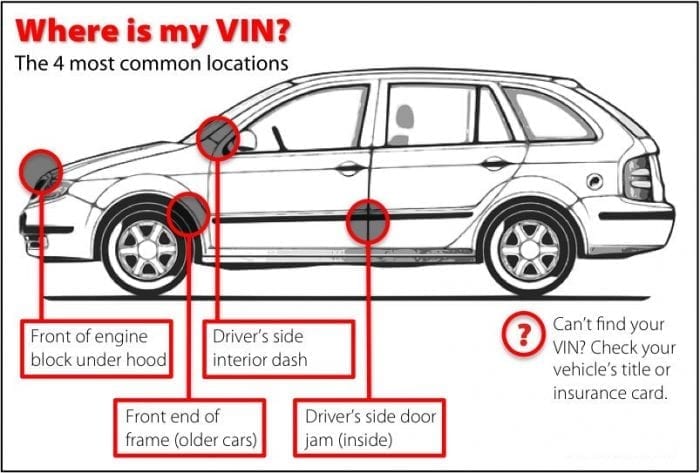
Most Mitsubishi VINs are placed in the common industry locations used across modern vehicles. You’ll usually find it on the vehicle itself and also on official paperwork.
Dashboard
Look through the windshield on the driver side, near the base of the dashboard. It’s one of the most common VIN locations.
Driver door jamb
Open the driver’s door and check the sticker/plate area on the door frame. Many vehicles list the VIN there.
Engine bay/chassis stamp
Some vehicles have VIN stamping in the engine bay or on the chassis. This is more common on certain makes, older vehicles, or specific markets.
Paperwork
Your insurance, registration, and title paperwork often show the VIN. This helps if the vehicle isn’t in front of you.
How to Read Mitsubishi VIN Number?
Most modern Mitsubishis use a 17-character VIN. That VIN is commonly discussed in three parts: WMI (1st–3rd), VDS (4th–9th), and VIS (10th–17th). These sections help identify the maker, describe the vehicle, and mark the production/serial identity.
Let’s use a real Mitsubishi VIN as an example: JA4AR3AU0LU021077.
WMI (World Manufacturer Identifier)
The first three characters, known as the WMI, tell you who made the vehicle and where the manufacturer code is registered. For this VIN, the WMI is JA4, which is commonly associated with Mitsubishi passenger vehicles.
This is usually the first thing a Mitsubishi VIN lookup confirms, since it establishes the brand and origin before moVIN g into detailed specs.
WMI Character Meaning
- 1st character: J
Indicates Japan as the country code within the VIN system. Many Mitsubishi vehicles are linked to Japan through this character. - 2nd character: A
Used to narrow the manufacturer group within the WMI assignment. - 3rd character: 4
Completes the WMI code and helps identify the manufacturer category for this vehicle.
At this stage, the VIN already confirms that the vehicle belongs to the Mitsubishi family and is tied to Japan under VIN standards.
VDS (Vehicle Descriptor Section)
The VDS usually covers positions 4 through 9. This is where vehicle description details live, like model line, body style, restraint system, engine type, and other manufacturer-defined attributes. The exact meaning depends on Mitsubishi’s internal coding for the market and model year.
VDS Character Meaning (for A R 3 A U 0)
- 4th – 8th character: A R 3 A U
Part of Mitsubishi’s internal descriptor sequence. - 9th character: 0
The final character in the VDS block for this VIN.
Rather than decoding each character manually, most people rely on a Mitsubishi VIN decoder to translate this section into readable specs such as engine type, drivetrain, and body style.
VIS (Vehicle Identifier Section)
The VIS is usually positioned 10 through 17. This area commonly includes the model year indicator (position 10 in many systems), the plant code, and the unique serial number portion. It’s the part that helps separate one Mitsubishi from another, even if they’re the same model and trim.
VIS Character Meaning (for L U 0 2 1 0 7 7)
- 10th character: L
Commonly used as the model year code in the 17-character VIN system. - 11th character: U
Often associated with plant or production coding, depending on the manufacturer’s rules. - 12th–17th characters: 021077
This is the serial-style production number that uniquely identifies the vehicle.
This final block is what separates one Mitsubishi from another, even if they were built in the same year, at the same plant, with the same configuration.
Benefits of Using a Mitsubishi VIN Decoder
A Mitsubishi VIN decoder is a practical first step for anyone dealing with these vehicles. From everyday buyers to sellers and mechanics, accurate factory specifications provide a solid foundation for any transaction or repair.
When you’re considering a used Mitsubishi, confirming its factory identity is the first and most critical step. A VIN lookup helps you verify the vehicle’s true specifications before you invest time and money.
Confirm the Model and Trim Match the Listing
It’s not uncommon for listings to be inaccurate. A Mitsubishi VIN number decoder verifies the year, make, model, and trim, protecting you from overpaying for a lower-spec vehicle.
Verify the Engine and Drivetrain
The VIN reveals the original engine and drivetrain configuration as built at the factory. This helps you spot mismatches between the seller’s claims and the car’s true specifications.
Understand the Car's Original Configuration
Knowing the factory build including body type and optional equipment helps you assess the car’s authenticity and compare it accurately to other vehicles.
If you’re selling a Mitsubishi, providing verified VIN information builds trust with potential buyers and streamlines the sales process.
Build Buyer Confidence
Displaying verified factory specifications in your listing shows transparency. This credibility often shortens negotiation time and can lead to a faster sale.
Set an Accurate Asking Price
Knowing the exact engine, transmission, and trim lets you justify your price with data, moving beyond rough market estimates.
Create Detailed, Accurate Listings
Using factory specifications allows you to write precise listings that attract serious buyers and reduce repetitive questions about the car’s configuration.
Accurate vehicle specifications are essential for insurance companies to price policies accurately and handle claims efficiently.
Calculate Accurate Premiums
A VIN lookup confirms safety features, engine specs, and trim level—key factors that influence insurance premium calculations.
Reduce Fraud Risk
Verifying VIN details helps insurers catch mismatched or falsified vehicle information before a fraudulent policy is issued or a claim is paid.
Streamline Claims Processing
An accurate factory data check reduces manual verification, speeding up new policy issuance and claims processing.
Knowing the exact factory specification is crucial for getting the right parts for a Mitsubishi. A VIN check removes all the guesswork.
Source the Exact Right Parts
The VIN identifies the specific engine, transmission, and chassis configuration, ensuring parts suppliers provide the correct components the first time.
Eliminate Costly Return Errors
Ordering the wrong parts wastes time and money. Checking the VIN before ordering dramatically reduces the chance of mismatched components.
Speed Up Repair Estimates
Mechanics can instantly access factory specs to build repair estimates without spending extra time manually researching each Mitsubishi’s exact configuration.
Easily Decode ALL Popular Mitsubishi Models
These are a few popular Mitsubishi models people search for, but PremiumVIN can decode Mitsubishi VINs across model lines, trims, and years, including many classic VIN formats.
Outlander
Outlander Sport (ASX/RVR)
Eclipse Cross
Mirage
Lancer
Lancer Evolution
Pajero (Montero/Shogun)
Triton (L200)
Galant
Montero Sport (Pajero Sport/Challenger)
Eclipse
i-MiEV
Why Users Trust Our Mitsubishi VIN Decoder
People don’t use a Mitsubishi VIN decoder for fun. They use it because they need to make a decision and they don’t want to rely only on a seller’s words. PremiumVIN keeps the process simple: decode first, then move into the full report only if you want deeper records.
Most comprehensive database coverage
PremiumVIN is built to support both everyday Mitsubishi VIN lookups and more serious checks. That means it’s designed for buyers, sellers, and collectors who want a clear vehicle identity first, then a deeper history record view when available.
Live Chat with VIN Expert
Sometimes you don’t need more data. You need clarity. Live chat support helps when a Mitsubishi VIN result looks odd, when you’re dealing with an import, or when you’re comparing two similar vehicles and can’t tell what really separates them.
High accuracy, cross-checked results
A Mitsubishi VIN number decoder should not be a guessing tool. PremiumVIN checks VIN structure and pulls results in a way that helps reduce mismatches, especially around year/model/trim confusion.
No hidden fees or subscriptions
Some sites turn a simple VIN lookup into a subscription trap. PremiumVIN keeps it more direct: the free Mitsubishi VIN decoder is free, and the paid report is a one-time purchase when you actually want the full record view.
Unlimited free checks
If you’re only trying to confirm basic Mitsubishi identity, you can run free decodes without feeling rushed. That helps when you’re comparing multiple vehicles, screening listings, or checking VINs at odd hours.
Downloadable PDF
A PDF sounds simple, but it’s practical. You can save the Mitsubishi history report, share it with a family member, bring it to a mechanic, or keep it for your records if you’re collecting.
Need Past Records? Get Mitsubishi Vehicle History Report
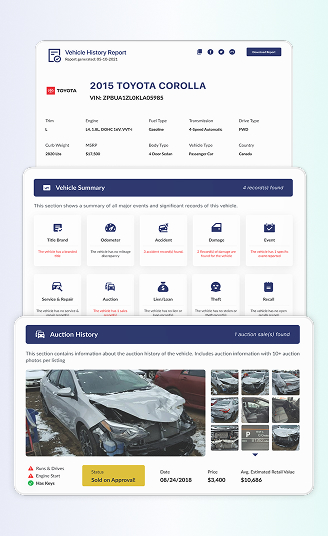
A free Mitsubishi VIN decoder is useful for quick identification. However, for deeper information, a premium history report is essential. A Mitsubishi VIN check reveals recorded events, helping you identify patterns and potential issues before purchasing. It’s just a smart way to be cautious.
Vehicle Specifications
This section is the “what it is on paper” part. It helps you confirm the Mitsubishi in front of you matches the listing and the documents, especially on trims that look almost the same.
Year, Make, Model
You’ll see the model year and the exact Mitsubishi make/model identity tied to the VIN. It’s the fastest way to catch simple listing mistakes, especially with imported vehicles or listings that recycle old templates.
Trim
Trim matters more than people think. This section can help separate similar variants (say, different Outlander trims) so you’re not paying for “top spec” pricing on a mid-level setup.
Engine and Drivetrain
When available, this explains the engine configuration and drivetrain notes tied to the VIN record set. Useful when the badge and the seller’s story don’t fully agree.
Body Style and Vehicle Class
You’ll typically see whether it’s listed as a passenger car, SUV, or another class. That sounds basic, but it helps when you’re comparing insurance quotes or verifying the vehicle type against registration info.
Title Check
Title brands can change the whole story. This section is meant to flag branding and status issues that can affect value, insurability, and resale.
Salvage
A salvage brand usually means the vehicle was declared a total loss by an insurer at some point. Even if it looks fine now, this history can affect financing and future resale.
Rebuilt
A rebuilt title often indicates the vehicle was repaired after being branded salvage and later approved for road use. It’s not automatically “bad,” but it deserves a closer look and a careful inspection.
Lemon
A lemon title (when reported) can indicate the vehicle was repurchased due to repeated issues under lemon law-style processes. If you see this, you’ll want to read the details and proceed slowly.
Service & maintenance Records
Service history is one of those things people ignore until they inherit problems. This section helps you see what’s been recorded.
Scheduled maintenance
If scheduled service entries appear, you can often spot whether the vehicle was maintained at a steady pace or only serviced right before sale.
Part replacements
Some records include part replacement notes. That can be a positive sign when it shows responsible upkeep, especially for wear items.
Major or minor repairs
When repair entries exist, they may show patterns, for example, repeat issues or one-off fixes. It helps you plan future maintenance without surprises.
Auction History
Auction records can be a reality check. They often show condition notes that don’t appear in a clean, polished listing.
Auction date and location
If the Mitsubishi appeared at auction, this section may list when and where that happened. It helps validate a story like “family-owned, never sold at auction” if the data says otherwise.
Sale price
When prices are recorded, this can help you compare the current asking price with a prior sale context. It’s not a final answer, but it’s a useful context.
Condition notes
Auction condition notes may include primary/secondary damage labels. This is one reason many buyers like haVIN g auction history in the same report.
Mileage History
Mileage tells a story, but only if it’s consistent. This section focuses on recorded odometer entries and patterns that don’t quite make sense.
Mileage History from Multiple Sources
Mileage may appear from different reporting points, such as inspections, sales events, or service-related records (when available). Seeing multiple entries helps you judge consistency.
Rollback Detection and Alerts
If the numbers move backwards, jump strangely, or don’t follow a normal progression, rollback concerns may be raised. This is especially important when the vehicle looks “too clean” for its age.
Lien/Loan check
Liens can be a quiet problem until they’re suddenly your problem. This section checks for lien/loan indicators tied to the Mitsubishi VIN.
Lien Record Identification
When reported, you’ll see whether a lien or loan record appears in the available sources. It’s a basic checkpoint before you hand over payment.
Dates and Locations
If the record includes dates and places connected to the lien/loan entry, they may be shown here. That helps you ask the seller direct questions without guessing.
Verified Sources
When the report includes source labels, this section helps you understand where the lien/loan signal came from, so you can decide what follow-up proof you want.
Accident Records
Not every accident is catastrophic. But hidden accidents? Those can be expensive. This section summarizes accident-related reporting tied to the VIN.
Number of Accidents Reported
When accident entries exist, this shows how many are recorded. It’s a quick reference, so you don’t have to hunt through timelines.
Date of Reported Accidents
Dates help you compare accident events with ownership changes and listings. If a vehicle was sold right after an accident record, you might want extra documentation.
Reported Accident Location
Location data (when available) can help confirm consistency with the ownership/registration trail, especially if the car moved across regions.
Accident Severity Notes (When Available)
Some records include limited severity context. If present, it may help you judge whether this looks like a minor incident or something worth walking away from.
Damage History
Damage records go beyond “accident.” Flood, fire, hail, and other events can show up in different ways, and they can affect long-term reliability.
Fire Damage
Fire history can matter even if the vehicle was repaired, because heat can impact wiring and electronics later. This section highlights fire-related reporting when present.
Flood Damage
Flood events can cause corrosion and electrical problems that appear months later. If you see flood reporting, it’s usually a “slow down and inspect hard” moment.
Hail Damage
Hail damage can affect insurance and resale, even when the vehicle drives perfectly. This section helps document those entries if they exist.
Recalls Check
Recalls are common. What matters is whether they’re open and whether the fix was completed. This section helps you sort that out.
Open Recall Information
If an open recall is listed, this section shows what’s currently unresolved (when available). It helps you plan the next step, like a dealer visit.
Completed Recall Events
Sometimes, records show completed recall remedies. That’s helpful because it reduces uncertainty and shows that the repair action may already be done.
Manufacturer and Safety Agency Notices
Recall data often connects back to manufacturer and safety-agency processes. The report may show notice-style references when those links exist.
Stolen Check
This section is uncomfortable, but it’s necessary. Nobody wants to buy a stolen vehicle, even by accident.
Stolen Status Check
When theft status data is present, this section shows whether the vehicle appears as stolen in the available reporting set. It’s a basic safety check before purchase.
Recorded Theft Incidents
If specific theft incident entries appear, they may be summarized here with what details are available, such as dates or general location references.
Recovery Indicators
Some records indicate recovery status. If a vehicle was stolen and later recovered, you’ll want to read closely and ask for supporting documents.
Free Mitsubishi VIN Decoder vs Full History Report
Some people only need a quick decode. Others need proof. If you’re in the second group, the premium Mitsubishi vehicle history report is the safer route.
| What You Can Check | Free Mitsubishi VIN Decoder (Quick Check) | Premium Mitsubishi Vehicle History Report (Full Report) |
|---|---|---|
| Mitsubishi year, model, and make | ✓ Confirms basic identity | ✓ Fully confirmed with production details |
| Basic Mitsubishi specs (engine, body, trim) | ✓ General specifications | ✓ Complete factory specifications |
| Title status (e.g., salvage, rebuilt, lemon) | Basic status hint only | ✓ Full title brand history |
| Accident history check | Not available | ✓ Detailed accident records when reported |
| Mileage and odometer records | Not available | ✓ Multiple recorded mileage entries |
| Odometer rollback/mileage inconsistency checks | Not available | ✓ Rollback flags and inconsistency alerts |
| Auction history and photos | Not available | ✓ Auction listings and images when available |
| Online listings and advertised sales | ✓ Current listing snapshot (when available) | ✓ Listings and advertised sales records |
| Timeline of previous listings and sales | Not available | ✓ Timeline of past listings and sale activity |
| Sales listings records & photos | Not available | ✓ Listing records and photos (when available) |
| Mitsubishi market value estimate | Not available | ✓ Value estimates and pricing ranges |
| Number of previous owners | Not available | ✓ Owner count (when available) |
| Past vehicle use (private, rental, fleet, commercial) | Not available | ✓ Use-type indicators when reported |
| Outstanding loans or lien records | Not available | ✓ Lien/loan flags when reported |
| Stolen vehicle check | Limited check | ✓ Detailed theft records if reported |
| Flood, fire, or hail damage indicators | Not available | ✓ Damage-event indicators when reported |
| Reported service or repair history | Not available | ✓ Service/repair records (when available) |
| Recall and warranty information | Limited overview | ✓ Recall history and basic warranty status |
| Downloadable PDF report | X Not included | ✓ Yes, easy-to-save PDF |
| Best suited for | Quick Mitsubishi VIN lookup and early screening | Buyers, sellers, collectors, and serious checks |
A Mitsubishi VIN Report in Action: Mary’s Findings
Decoding a Mitsubishi VIN isn’t just a “specs hobby.” It’s how Mary avoids buying a vehicle based on someone else’s confidence. A seller can say anything. The VIN report can’t talk, but it leaves a trail.
Sample Report: JA4AR3AU0LU021077
Initial Impression
- Mary sees a 2020 Mitsubishi Outlander with AWD, a reasonable MSRP reference, and a clean-looking description. On the surface, it’s the kind of used SUV that feels safe to consider.
Critical Findings
- One lien/loan record appears, dated 05/12/2023 in Morgantown, KY, with a warning that a lienholder may have rights to the vehicle until released.
- Mileage looks steady in the mileage table, with the last known record at 16,783, and the report notes no mileage discrepancy in the summary.
- Ownership shows two owners (NY first, then KY), and it also notes lease usage records.
Outcome
- Mary doesn’t have to panic. She just has to be smart. With the lien flag, she can request proof of lien release before payment, help her evaluate the price, and decide on further inspection.
Lessons Learned
- A free Mitsubishi VIN decoder quickly confirms the vehicle's identity. However, the premium report is essential when nearing a purchase, helping her avoid costly surprises related to title signals, liens, ownership patterns, and hidden damage records.
Explore Other Mitsubishi VIN Search Tools
If you’re already checking a Mitsubishi VIN, you might as well use the related tools too. They answer different questions, and together they give a clearer picture.
A window sticker-style tool is useful when you want a simple snapshot of how the Mitsubishi was configured and presented when sold, especially for trim and feature expectations. Handy when you’re comparing two similar-looking Mitsubishis.
A recall tool helps you see recall-related notes tied to the VIN, including open recall indicators when they’re available. If you’re buying used, it also helps you plan the next step, like contacting a dealer to confirm remedy status.
If you don’t have the VIN yet, a license plate lookup can sometimes help you start the search using plate information. It’s useful for early screening, especially when a seller won’t share the VIN right away.
A title check helps you spot signals like salvage, rebuilt, or lemon status when reported. This matters because title brands can affect insurance, resale value, and even whether some lenders will finance the vehicle.
A Quick Look at Mitsubishi’s History and Innovations
Mitsubishi has one of those names people recognize instantly, even if they don’t follow cars closely. And because Mitsubishi models are sold across many markets, VIN formats and record availability can vary more than buyers expect.
The Brief History of Mitsubishi
Mitsubishi Motors is a Japanese automaker that operates as part of the broader Mitsubishi Group. Nissan became Mitsubishi Motors’ largest shareholder after acquiring a 34% stake.
- Mitsubishi vehicles are sold in multiple global markets, so VIN formats and records can differ by region.
- Mitsubishi Fuso is a separate commercial-vehicle brand that people often confuse with Mitsubishi passenger cars.
- Modern vehicles generally use the standardized 17-character VIN format, while older vehicles may not.
Decode Your Mitsubishi VIN Now
Do the quick check first. If the Mitsubishi looks good on paper, then consider the full history report for a deeper record view.
Frequently Asked Mitsubishi VIN Decoder Questions
How to read a VIN number on a Mitsubishi?
To read a VIN number on a Mitsubishi, start with PremiumVIN’s Mitsubishi VIN decoder. You’ll see the VIN broken into sections (WMI, VDS, VIS) so it’s easier to understand, not just a string of characters. Most modern VINs follow the 17-character structure.
Can I look up specs by VIN number?
Yes, you can look up specs by VIN number. A Mitsubishi VIN number decoder can pull basic specs like model, trim, and other identifiers. If you need deeper confirmation and recorded events, the PremiumVIN history report adds the record-based side of the story.
How to decode a VIN number?
You can decode it manually using VIN section rules, but it’s slower and can be misread. PremiumVIN lets you decode a Mitsubishi VIN in seconds, and then you can choose a full VIN check if you want title, mileage, accident, lien, and theft signals.
Where to find VIN number on a Japanese car?
Often in the same places as other vehicles: driver-side dashboard near the windshield, driver door jamb label, and on documents like registration and insurance. Some Japanese-market imports may also have chassis plates or stamps, depending on the model and era.
Where is the Mitsubishi VIN?
Common locations include the windshield/dashboard area on the driver’s side and the driver’s door jamb sticker. You can also find it on paperwork like registration and title documents.
What does a Mitsubishi vehicle identification number tell me?
It identifies the manufacturer and provides coded vehicle description details, then a unique serial portion. In the U.S., modern VINs follow the standardized 17-character format used for on-road vehicles.
Does VIN indicate if my Mitsubishi was part of a recall?
A VIN can be used to match a vehicle to recall campaigns, and recall sections may show open vs completed recall events when available. It’s a smart first step before you call a dealer.
What if my Mitsubishi VIN returns no results or errors?
It can happen with older VIN formats, certain imports, or vehicles with limited record coverage. Double-check that you entered the VIN correctly, then try again. If it’s still not showing, the VIN may be outside common lookup formats, or it may have limited available records.