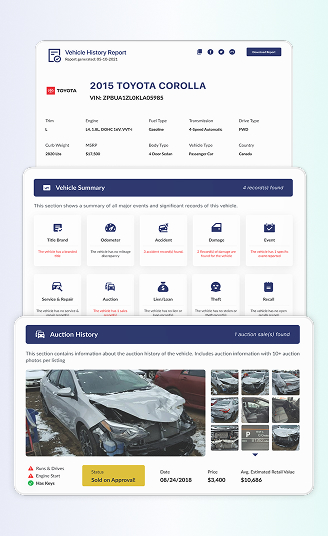

Check Vehicle’s Sales History by VIN
A vehicle sales history by VIN shows every recorded change in ownership, helping buyers and sellers understand how a car has moved through the market. Check patterns such as frequent resales, long-term ownership, or unusual transfers that may affect value and reliability.
What a Vehicle Sales History Reveals
A detailed vehicle sales history goes beyond basic records. It connects ownership changes, timelines, and locations to show how the car has been used over time. This helps identify red flags like quick resales, inconsistent ownership, or gaps in records.
With accurate car sale records by VIN, you can also verify claims made by sellers and better understand the vehicle’s resale journey.
Complete Ownership Timeline
The ownership timeline is the backbone of any vehicle transfer history. It tracks each registered owner from the first sale to the most recent transaction, giving a full overview of the car’s lifecycle.
Number of Previous Owners
The number of previous owners by VIN is one of the first things buyers check. A higher number is not always bad, but frequent ownership changes in a short time can signal underlying issues or repeated reselling.
Ownership Duration
Ownership duration shows how long each owner kept the car. Longer ownership often suggests consistent use and care, while short ownership periods may indicate the car was quickly resold or even flipped.
Sales History
In this section, you can see the complete sales history of the vehicle. You will see the dates and the location where the vehicle was sold.
Sale Dates
Sale dates help build a clear vehicle resale history. By reviewing when the car changed hands, you can spot patterns like multiple sales in one year or long gaps between transactions.
Sale Locations
Sale locations reveal where the vehicle was registered or sold over time. This can help identify regional usage patterns, possible exposure to harsh conditions, or changes in registration that align with the vehicle title transfer history.
Sales Listing History Records
Our report provides complete sales listing records, including key details from each listing, to help you understand the vehicle’s past.
Why Checking the Vehicle Sales History is Crucial
Checking a car’s sales history is crucial to know if the vehicle was ever sold many times, which might be due to recurring problems or anything. These are the reasons why you need to carefully examine the sales history and the vehicle’s condition when it was sold.
Red Flags You Can't See Anywhere Else
A vehicle’s vehicle sales history can reveal hidden issues that are not visible during inspection. Patterns like frequent ownership changes or repeated listings may signal problems you would miss without checking detailed records.
Problem Vehicle Indicator
Multiple sales within a short time can suggest recurring issues or dissatisfaction among owners. This pattern helps you check if a car was flipped or passed along quickly due to unresolved problems.
Rental/Fleet History
Vehicles used for rental or fleet purposes often experience heavier usage and frequent driver changes. Reviewing vehicle ownership history helps identify these patterns, even when sellers do not clearly disclose them.
Title Washing Pattern
Frequent transfers across regions may indicate attempts to hide negative records. This type of vehicle title transfer history can make it harder to trace past damage or important vehicle details.
Vehicle Quality Assessment
Reviewing car sales history by VIN helps assess overall vehicle quality by showing how long owners kept the car. Longer ownership often reflects reliability, while frequent changes may suggest ongoing issues.
Long Ownership
When a vehicle stays with one owner for several years, it often indicates satisfaction and proper care. It also answers questions like how long the previous owner kept the car.
Quick Flips
Frequent resales in a short period can signal potential problems or attempts to quickly resell the vehicle. This pattern is often spotted when you check a car’s sales history before buying.
Valuation Insights
Sales records provide context for a vehicle’s value by showing past listing prices and trends. Reviewing car sale records by VIN helps you understand if the current asking price aligns with market activity.
Previous Sale Prices
Looking at past transactions helps you compare the current price with earlier sales. It also gives insight into the number of previous owners and how ownership may affect value.
Depreciation Context
Tracking price changes over time helps you understand depreciation trends. Combined with vehicle resale history, this gives a clearer picture of whether the current price is fair or inflated.
Sellers
Sales history is also valuable for sellers who want to present their vehicle clearly. Sharing accurate vehicle ownership history builds trust and helps support the asking price with real data.
Prove Stable History
Sellers can use ownership records to show consistency and reliability. Fewer previous owners often make the vehicle more appealing and easier to sell.
Justify Your Price
Providing past sales data helps explain your pricing to buyers. Using used car sales records adds credibility and shows how the vehicle’s value has changed over time.
How to Check Sales History by VIN
To check the car’s sales history, you can just use the car’s VIN and use our service. With only three simple steps, you can get the vehicle history report in less than a minute.

Step 1: Find the VIN
Check on the dashboard or on the driver’s side doorjamb to find the VIN. If you can’t find it, you can examine the paperwork and ask the seller. You can also use the license plate number if the VIN is unavailable.

Step 2: Enter the VIN
Click on the form and then write down the VIN. Then, click on the button to submit the form.

Step 3: Get the Report
Wait for a few seconds to get the report generated. Then, examine the preview page to see a snippet of sales history. After that, proceed to payment to get the vehicle history report.
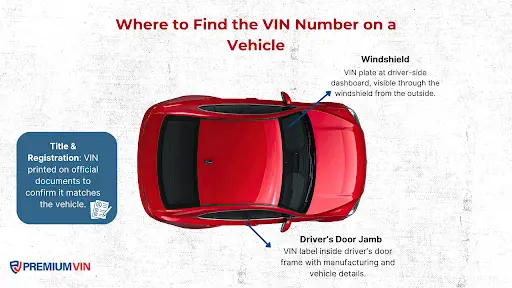
Where to Find the VIN on a Vehicle
The VIN can be found in several common locations on the vehicle and its documents. Checking multiple spots helps ensure the number matches across records and confirms the vehicle’s identity.
Dashboard
Look at the lower corner of the windshield on the driver’s side. The VIN is displayed on a plate and can be seen from outside the vehicle.
Driver's Door Jamb
Open the driver’s door and check the frame area. The VIN is printed on a label along with other vehicle details.
Vehicle Title & Registration
The VIN is also listed on official documents like the title and registration. Always confirm it matches the number shown on the vehicle.
Why Choose PremiumVIN
Our vehicle history report has the best report in the industry. We present only valid and reliable vehicle history data in a very convenient format and pricing. Furthermore, our report has no expiration date; so, no need to worry.
Complete Timeline
Get a clear, end-to-end view of the vehicle’s sales history. Track every ownership change, sale event, and listing in one place to understand how the car has moved over time.
Valid Ownership Duration Information
See exactly how long each owner kept the car. This helps you judge reliability and spot patterns like long-term ownership or quick resales that may indicate issues.
Fleet/Rental Detection
Identify whether the vehicle was used as a rental or fleet car. Our system analyzes vehicle ownership history patterns to flag high-usage vehicles that may not be clearly disclosed.
Quick Results
Access your report in seconds with no complicated steps. Simply enter the VIN to check the car’s sales history and get instant access to important vehicle records.
Affordable Report (Only $25)
Get detailed car sales history by VIN at a competitive price. Our report delivers valuable insights without high costs, making it easier to verify a vehicle before buying or selling.
Check Vehicle Details Before You Buy
Quickly access important vehicle information. Use our tools to verify records, confirm specs, and avoid unexpected issues before purchase.
Options Check by VIN
Check factory-installed options using the VIN to confirm features, verify equipment, and avoid overpaying.
Fuel Economy
View fuel efficiency ratings to compare consumption and estimate long-term running and fuel costs.
Trim Package
Confirm the exact trim level using the VIN and ensure it matches the seller’s description and price.
Safety Ratings
Review official safety ratings to check crash performance and confirm the vehicle meets expected safety standards.
Real Story: How Sales History Shows a Wrecked Vehicle
Loxes wanted to purchase a used 2015 TOYOTA COROLLA from a private seller in Atlanta. He runs a car sales history by VIN and gets the vehicle history records to see the car’s history. Here’s what he found on the report.
Sample VIN: 2T1BURHE0FC320645
Red Flags Found on the Report
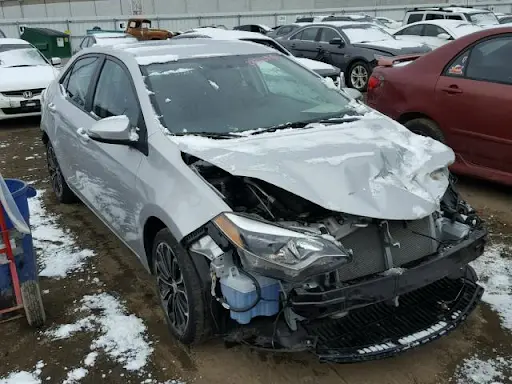
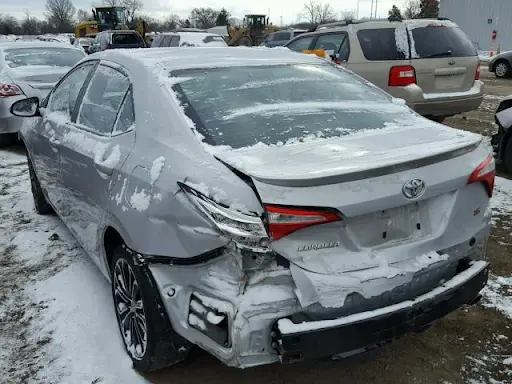
In this section, he found out that the vehicle had significant damage on the front and back sides of the vehicle.
Sales History Report
The report shows that the vehicle was previously sold with significant damage to both the front and rear.
Vehicle Sales Information
The vehicle was sold in 2018, priced at $3,400. Here’s more information on its sales history.
Odometer: 81,352
Condition: RUNS AND DRIVES
Primary Damage: FRONT END
Secondary Damage: REAR END
Exterior Color: SILVER
Repair Cost: 13235
Vehicle Title and Condition
The vehicle suffered from a salvage title when it was sold. Here are the full records on its title and condition.
Seller Type: Auction
Sales Document: CERT OF TITLE-SALVAGE
Accident History
This vehicle has a history of three reported accidents based on available records.
| Date Reported | Location |
|---|---|
| 03/01/2018 | - |
| 08/24/2018 | OH |
| 04/30/2021 | THOMASVILLE, GA |
Damage Verification
The car has two types of damage caused by salvage and major/minor accident damage.
The Outcome
Loxes decided not to purchase the vehicle because the vehicle was involved in three accidents and had been recalled twice. Also, he checked the auction photos, and the car has terrible damage from its accident history.
Go Beyond Sales History Insights
Sales history shows pricing trends, but it does not show the complete vehcile information. A complete report adds deeper context, helping you verify details, uncover risks, and understand the vehicle’s true condition.
Vehicle Specifications
Review details like origin, MSRP, engine size, fuel type, and drivetrain to confirm the vehicle matches its listing and fits your expectations.
Theft Records
Check databases for theft reports, including dates and locations, helping you avoid legal risks and confirm the vehicle was not previously reported stolen.
Title Brand History
View title brands such as salvage, rebuilt, flood, or lemon, which may indicate past events that affect the vehicle’s safety, condition, and value.
Service History Records
See how the vehicle was maintained over time, including service dates, locations, and components worked on, helping you assess consistency and overall care.
Odometer Reading
Review recorded mileage over time, including past readings with dates, to detect inconsistencies and better understand the vehicle’s usage and wear.
Accident History
Check accident records, including dates, locations, and frequency, helping you understand past damage and repairs that may affect performance.
Auction History
Access auction records, including sale dates, locations, prices, and photos, giving insight into the vehicle’s condition during previous sales events.
Sales Listing History
Track previous listings with sale dates, prices, locations, and photos, helping you understand how the vehicle has been marketed and valued over time.
Damage Verification
Identify reported damage from accidents, fire, or other incidents, including issues that may not be visible during a physical inspection.
Warranty Records
Check available warranty coverage, including types, duration, and mileage limits, helping you understand any remaining protection linked to the vehicle.
See How Many Times the Vehicle Was Sold
Before you proceed to buy or sell a vehicle, make sure to check the vehicle’s sales history report to see how many times it has changed ownership and the real condition before it was put on sale.
FAQs About Sales History by VIN
Does sales history show sale prices?
Yes, sales history typically shows past sale prices, transaction dates, and sometimes quantities or buyer and seller details. It helps track pricing trends over time, including lowest, highest, and average sale values across different transactions.
How do I find out how many owners a car has had?
To find out how many owners a car has had, you can check the vehicle history report. Use a service like PremiumVIN, where you can just decode the VIN and get the complete vehicle history report to examine a car’s past owners.
What's a "rapid flip" and why does it matter?
A “rapid flip” in climate science refers to a sudden shift between extreme weather conditions, such as from intense heat to freezing temperatures, occurring within a short period, often in less than a week.
Can you find the sales history of a car?
Yes, you can track a car’s sales history using its 17-character VIN through reports like PremiumVIN. These reports may include auction records, dealer listings, registration dates, and previous ownership details.
How do I search up car info by VIN?
You can search for car information by entering the 17-character VIN into online tools or history report services. PremiumVIN’s VIN decoder provides detailed specifications and key information about the vehicle.
Can a VIN number be traced?
Yes, a VIN can be used to trace a vehicle’s history, including manufacturer details, production year, and engine type. It also helps access records like recalls, insurance data, and ownership history, but not real-time location.
Can a VIN reveal a car's accident history?
Yes, a VIN can reveal a vehicle’s accident history, but it is not always complete. Reports from services like Carfax, AutoCheck, or databases show recorded accidents, insurance claims, and title issues.