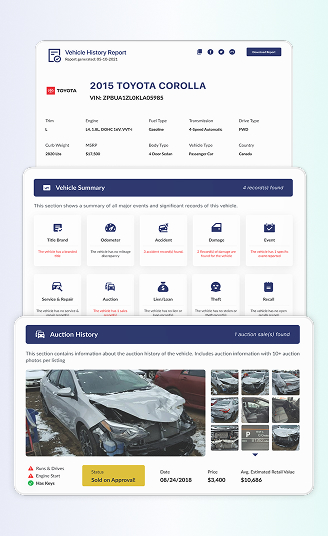

Accident History by VIN: Check If a Car Has Been in a Crash
Buying a used car comes with risks, but one of the biggest is hidden accident damage. Even a vehicle that looks perfect may have been in a serious crash. Use the accident history by VIN to expose the vehicle’s accident history.
What is an Accident History Check?
An accident history check uses a vehicle’s VIN to retrieve records related to past collisions, insurance claims, and reported damage. It helps buyers or sellers understand whether a car has been involved in accidents that may affect its safety, value, or long-term reliability.
Even if a vehicle looks clean on the outside, hidden damage from previous crashes can lead to expensive repairs later. Checking the VIN helps reveal important records that sellers may not always mention.
What the Report Includes
The vehicle history report includes complete information about the vehicle’s accident history. The report highlights complete information.
Reported Accidents and Crash Data
The report may show previous accidents linked to the vehicle, including the date, location, and type of collision. This can include rear-end impacts, side collisions, rollovers, or front-end damage reported to authorities or insurance providers.
Insurance Claims and Damage Reports
Many accident history checks also include insurance claim records. These records may show repair estimates, damage descriptions, and whether the vehicle received professional repairs after the incident.
Severity of Damage
Damage is often classified as minor, moderate, or severe. Understanding the severity helps buyers estimate the possible effect on the vehicle’s structure, performance, and resale value.
Airbag Deployment Records
Airbag deployment records can indicate that the vehicle experienced a significant impact. Since airbags usually deploy during serious collisions, this information helps buyers identify cars that may have suffered major accident damage.
Total Loss Declarations
The report may also reveal whether an insurance company declared the vehicle a total loss. This usually means repair costs exceed the vehicle’s value after a major accident, flood, or other serious damage incident.
Why Checking Accident History is Important
Many used cars with an accident history are resold without clear disclosure. This creates serious risks for buyers, especially when previous damage was poorly repaired or intentionally hidden. A vehicle involved in a major collision may still look clean on the outside, but underlying problems can affect its safety, reliability, and long-term value.
Checking the accident history through the VIN helps buyers make safer decisions before purchasing a used vehicle. It provides transparency about past incidents and helps identify vehicles that may require costly repairs in the future.
Hidden Risks of Undisclosed Accidents
An undisclosed accident history is dangerous; it might not have been properly fixed by the previous owner. If the vehicle was not properly serviced, it could lead to another accident as the components/system were still broken.
Structural or Frame Damage
Serious collisions can bend or weaken the vehicle’s frame. Even after repairs, structural damage may reduce the car’s ability to protect passengers during another accident.
Reduced Vehicle Safety
Poor repairs may affect important safety systems such as airbags, crumple zones, sensors, and driver assistance features. These systems may not operate properly after previous accident damage.
Expensive Future Repairs
Hidden accident damage often causes problems over time. Premature tire wear, suspension issues, electrical faults, and alignment problems may appear months after purchase.
Lower Resale Value
Vehicles with accident history usually have a lower market value compared to similar vehicles with clean records. Buyers and dealerships often pay less for cars with reported damage.
Insurance Complications
Some insurance companies may charge higher premiums for vehicles with a major accident history. In certain cases, insurers may even limit or refuse coverage for heavily damaged vehicles.
How to Check Accident History by VIN
Checking the vehicle accident history is easy. Use the accident history check by VIN and get the vehicle history report to see complete accident records and other records.

Step 1: Get the VIN
Check the driver’s side doorjamb or the paperwork for the VIN. If you can’t find the VIN, ask the seller directly.

Step 2: Fill Out the Form
Enter the VIN in the above form. Then, click on the button to submit the form.

Step 3: Get the Vehicle History Report
View basic information such as the year, make, model, and engine details. Then proceed to payment to access the complete vehicle history report.
Where to Find Your VIN
A VIN or Vehicle Identification Number is placed in different locations on a vehicle. Examine these locations and paperwork to have the VIN–be sure that each VIN matches each other to avoid a VIN swapping scam.
Dashboard
The VIN is commonly located on the dashboard near the windshield on the driver’s side. It can usually be viewed from outside the vehicle by looking through the glass.
Driver's Door Jamb
Open the driver’s door and check the door jamb, door edge, or door frame area. Most vehicles have a VIN sticker or label placed there by the manufacturer.
Vehicle Title & Registration
The VIN also appears on official documents such as the vehicle title, registration, insurance paperwork, and the bill of sale.
Signs a Car May Have Been in an Accident
Some vehicles may show warning signs of previous accident damage even if no records appear in a report. However, visual inspection alone is not enough to confirm a vehicle’s full condition.
Visual Warning Signs
Examining a vehicle that has been in an accident is easy. Take a look at the signs below and perform a careful physical examination to see if the vehicle was involved in an accident.
Uneven Panel Gaps
Doors, hoods, trunks, or bumpers that do not align evenly may indicate previous body repairs or structural damage from a collision.
Mismatched Paint Colors
Differences in paint shade, texture, or finish between body panels can suggest repainting after accident repairs.
Rust in Unusual Areas
Rust found under carpets, inside the trunk, around door seams, or in hidden areas may indicate previous water damage or poor-quality repairs.
Poor Alignment or Steering Issues
If the vehicle pulls to one side, vibrates excessively, or has an off-center steering wheel, it may point to suspension or frame-related damage.
Mismatched Tires or Uneven Wear
Uneven tire wear or different tire brands and sizes can sometimes indicate alignment problems, suspension damage, or previous collision repairs.
Accident History vs. Title Status
Accident history and title status are closely connected, but they are not the same thing. A vehicle can have accident records while still carrying a clean title, depending on the severity of the damage and the insurance outcome.
Visual Warning Signs
Examining a vehicle that has been in an accident is easy. Take a look at the signs below and perform a careful physical examination to see if the vehicle was involved in an accident.
Accident History
An accident history report focuses on collisions, damage records, and insurance-related events linked to the vehicle’s VIN.
What It Shows
The report may include reported crashes, damage severity, airbag deployment, repair-related information, and insurance claim records connected to previous accidents.
When It Matters
Even a minor accident can affect a vehicle’s resale value, safety, or long-term reliability. Some vehicles may have multiple accident records while still maintaining a clean title status.
Title Status
Title status refers to the legal classification assigned to the vehicle by state or regional authorities.
What It Shows
The title record indicates whether the vehicle holds a clean, salvage, rebuilt, flood, junk, or lemon law title designation.
When It Matters
Severe accidents or major damage can result in a salvage or rebuilt title. These title brands often reduce the vehicle’s market value and may create challenges with financing, insurance, or registration.
How Accident History Affects Car Value
Vehicles with accident records often experience long-term financial impact, even after repairs are completed. Buyers, dealerships, and insurance companies usually consider accident history when determining a vehicle’s value and risk level.
Value Impact Factors
Several factors influence how much accident history can affect a vehicle’s resale and market value.
Lower Market Value
Vehicles with reported accident history generally sell for less than similar vehicles with clean records. The reduction in value often depends on the severity and type of damage reported.
Reduced Buyer Demand
Many buyers prefer vehicles with clean history reports and may avoid purchasing cars with previous accident records, especially those involving structural damage.
Higher Insurance Costs
Insurance companies may charge higher premiums for vehicles with an accident history because they can be considered higher risk to insure.
Trade-In Penalty
Dealerships often offer lower trade-in values for vehicles with reported accident damage, particularly if the vehicle has structural repairs or a branded title history.
When Should You Check Accident History?
Checking a vehicle’s accident history is an important step whenever ownership, pricing, insurance, or financing decisions are involved. A VIN-based accident report helps buyers and sellers better understand the vehicle’s condition, identify hidden risks, and avoid unexpected problems later.
Before Buying a Used Car
Always review the accident history before making an offer on a used vehicle. Previous collision damage can affect safety, reliability, resale value, and future repair costs.
Before Selling Your Vehicle
Checking your vehicle’s history helps you price it more accurately and prepare for buyer questions. It also reduces the risk of disputes related to past accidents or damage records.
When Verifying a Private Seller's Claims
Checking a vehicle’s accident history helps confirm whether the seller’s description matches the vehicle’s recorded history. This is especially important when buying from private sellers without dealership inspections or warranties.
When Importing a Vehicle
Imported vehicles may have accident or damage records from another region that are not immediately visible during inspection. Checking the VIN helps uncover undisclosed issues before purchase or registration.
Before Financing or Insuring
Lenders and insurance companies often consider a vehicle’s condition and accident history before approving financing or coverage. Reviewing the report early can help avoid delays or unexpected insurance costs.
Real Story: How an Accident Check Helped a Buyer
A buyer in Florida found a used 2011 Mercedes-Benz C300. The seller claimed, “never been in an accident, clean title.” Before purchasing, they ran a PremiumVIN accident history check.
What the Report Revealed
The report revealed that the car was involved in an accident once. Here are the full details of the accident history.
Accident Data
The accident happened on 11/06/2018 in Florida
Damage Details
- Front Impact With Another Vehicle(case #:9954245)
- Air Bag Deployed
- Vehicle Damage Reported As Disabling
Title Information
The car carries a salvage and rebuilt brand title.
No Disclosure from Seller
The seller failed to mention any of the accident and actual title of the car.
The Outcome
The buyer walked away from what would have been a dangerous vehicle with compromised structural integrity.
Why Choose PremiumVIN for Accident History
PremiumVIN helps access important vehicle records easily, providing detailed accident-related information. Instead of relying only on seller claims or visual inspections, users can review verified VIN-based records before committing to a vehicle.
Comprehensive Data Sources
PremiumVIN gathers accident-related information from multiple trusted sources, including insurance companies, DMV records, auctions, and law enforcement databases. This helps provide broader coverage of reported incidents linked to the vehicle’s VIN.
Severity Details
The report provides more than a simple “accident reported” notice. Users may see details about damage severity, airbag deployment, impacted vehicle areas, and other indicators that help evaluate how serious the collision may have been.
Full Vehicle Context
Accident history is only one part of the complete vehicle report. PremiumVIN also provides additional records such as title history, ownership records, mileage history, recalls, auction activity, and more to give buyers a clearer overall picture of the vehicle.
Quick Result
Reports are generated within seconds after entering the VIN. This allows buyers to quickly review important information before contacting a seller, scheduling an inspection, or making an offer.
Affordable
At $19.99, a vehicle history report can help buyers avoid purchasing a heavily damaged or high-risk vehicle.
Need More Than Accident History? Get Complete Vehicle History Report
A VIN-based accident report reveals important details about previous collisions, damage records, and insurance-related events. This information helps buyers better understand the condition and history of the vehicle before making a purchase decision.
Vehicle Specifications
This section outlines the vehicle’s factory configuration to help buyers confirm original features, drivetrain setup, and overall suitability before making a purchase
Core Vehicle Configuration
Includes important specifications such as fuel type, drivetrain configuration, trim level, transmission type, and country of manufacture.
Production and MSRP Details
Displays factory production information and original MSRP when available. These details help confirm the vehicle’s original MSRP and the country of origin.
Damage Records
Damage records reveal previously reported incidents that may affect the vehicle’s safety, structural integrity, or overall performance.
Collision and Structural Damage
Identifies accident-related damage that may have affected the frame, chassis, suspension, or other structural components of the vehicle.
Fire and Environmental Damage
Shows records related to flood, fire, hail, or other environmental damage linked to the VIN that could impact long-term reliability.
Accident Records
Accident history provides documented collision events that may influence the vehicle’s safety, handling, and future repair costs.
Accident Dates and Locations
Lists when accidents occurred and where they were officially reported through insurance companies, police reports, or related sources.
Structural and Safety Indicators
Highlights possible repair areas or damage that may affect structural strength, airbags, sensors, or other safety-related systems.
Stolen Records
Checking the stolen records helps see whether the vehicle has ever been reported stolen, reducing potential legal and ownership risks before purchase.
Theft Status Verification
Confirms whether the vehicle has any past or active stolen vehicle records associated with the VIN.
Theft Record Details
Provides available theft-related details such as reported dates, locations, and recovery status when recorded.
Auction History
Auction history may reveal whether the vehicle was previously sold through wholesale auctions due to damage, repossession, lease returns, or trade-ins.
Auction Sale Records
Displays auction-related information such as sale dates, locations, and final selling prices when available.
Condition Reports and Photos
May include auction condition reports and archived listing photos that help buyers review the vehicle’s previous condition.
Sales History
Sales history tracks previous listing activity to help buyers identify unusual resale patterns or repeated relisting.
Listing and Sale Timeline
Shows when the vehicle was listed for sale, sold, or relisted across different periods.
Resale Activity Patterns
Highlights frequent ownership changes or short-term resale cycles that may indicate unresolved mechanical or condition-related issues.
Service and Maintenance Records
Service history helps buyers evaluate how consistently the vehicle was maintained throughout its lifetime.
Routine Service Documentation
Includes records of oil changes, scheduled maintenance, inspections, and other routine service visits.
Repair and Maintenance History
Shows documented repairs, replaced components, and maintenance work performed over time.
Title Check
The title check verifies the vehicle’s legal status and identifies title branding that may affect registration or resale value.
Title Status Confirmation
Indicates whether the vehicle currently holds a clean title or a branded title designation.
Branded Title Details
Flags title issues such as salvage, rebuilt, flood, junk, or lemon history found in official records.
Mileage History
Mileage records help verify historical odometer readings and identify possible inconsistencies over time.
Recorded Odometer Entries
Displays mileage readings reported at different dates through inspections, registrations, auctions, or service records.
Rollback Detection Indicators
Helps identify suspicious mileage patterns or potential odometer tampering that may affect the vehicle’s true usage history.
Lien or Loan Check
This section helps identify outstanding financial obligations that could affect the ownership transfer process.
Active Lien Status
Confirms whether a lender or financial institution currently holds a legal claim on the vehicle.
Outstanding Loan Details
Shows available information about unpaid loans or liens that may need to be cleared before completing the purchase.
Ownership Records
Ownership history provides insight into how many people previously owned the vehicle and how often ownership changed.
Number of Previous Owners
Indicates the total number of recorded owners associated with the VIN over time.
Ownership Duration and Region
Shows how long the vehicle was owned and the regions where it was registered while protecting personal information.
Recall Information
Recall information helps buyers determine whether the manufacturer issued safety recalls and whether the required repairs were completed.
Recall Notice Details
Lists recall-related information such as affected components, recall dates, and safety concerns identified by the manufacturer.
Repair Completion Status
Confirms whether recall repairs or corrective actions were completed and officially resolved.
Check the Vehicle Actual Information
A fresh paint job can hide damage. A vehicle history report can’t. Protect yourself from costly surprises by checking for accident records more before taking the vehicle home.
FAQs About Accident History Lookup
Can I check accident history for free?
Basic information may be available for free, but full accident records, including severity, airbag deployment, and insurance claims, require a complete vehicle history report.
Are all accidents reported in VIN checks?
Not all minor accidents are recorded. However, most major incidents involving insurance claims, police reports, or airbag deployment are included in our database.
Is accident history the same as a salvage title?
No. Accident history shows damage events. A salvage title indicates the vehicle was declared a total loss. A vehicle can have accident history but still have a clean title.
How accurate are VIN accident reports?
VIN accident reports are highly reliable when sourced from multiple databases, including insurance companies, DMVs, and law enforcement records. PremiumVIN aggregates data from these sources to provide broader coverage.
Will an accident report show repair costs?
When available, the report may include insurance claim amounts or repair-related estimates that help indicate the cost of previous damage.
Can I check the accident history on a motorcycle or RV?
Yes. Our accident history check supports cars, trucks, SUVs, motorcycles, and RVs.
How quickly will I receive my accident report?
Instantly. Once payment is confirmed, the complete accident history report becomes available immediately.
Does accident history affect insurance rates?
Yes. Some insurance providers may charge higher premiums or limit coverage for vehicles with a major accident history.
What if my vehicle's accident history isn't found?
If no accident records appear, that is generally a positive sign. However, it is still recommended to combine the VIN report with a professional vehicle inspection.
Can I use this to verify a seller's "no accident" claim?
Yes. An accident history report is one of the best ways to verify a seller’s claims before purchasing a used vehicle.