
What Digital Vehicle Documentation Can and Cannot Prove
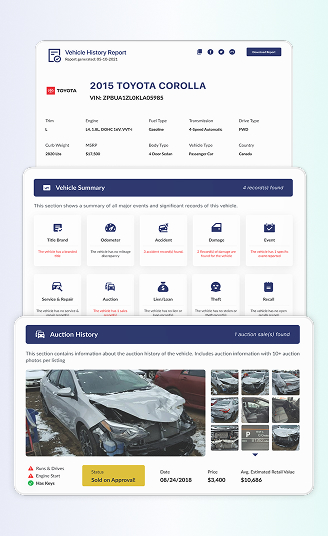
Summary: A PremiumVIN report, sticker, or check documents what the available evidence shows as of the time it was generated. It does not certify current legal title, current physical condition, current insurance eligibility, or current market value. Understanding this boundary is essential before using any digital vehicle documentation to make a purchase, sale, or financial decision. |
Digital vehicle documentation is a genuinely useful research tool and it is also frequently over-trusted. A complete-looking report can create a false sense of certainty about things it was never designed to establish. This page draws the line clearly, product by product, so that PremiumVIN’s reports are used for what they actually are: organized historical evidence, not legal or physical certification.
The Core Principle
Every record in a PremiumVIN report documents something that was true, or was reported, at a specific point in time. None of them certify what is true about the vehicle right now. A title record shows a past ownership event. A service receipt shows work completed on a specific date. A VIN decode shows what the factory configured at manufacture. None of these, individually or combined, can speak to the vehicle’s current legal, physical, or financial status.
What Each Product Can and Cannot Establish
| Product | What it can establish | What it cannot establish |
|---|---|---|
| VIN Decoder | Factory-encoded identity and configuration as built. | Whether current components match that configuration |
| Window Sticker | Factory-recorded or decoded MSRP and standard/optional equipment. | Current physical equipment or condition |
| Title / Salvage Check | Title brand flags found in the sources checked. | Current legal transferability — only the state DMV determines that |
| Theft / Stolen Check | Theft or recovery flags found in the sources checked. | A guarantee the vehicle was never reported stolen anywhere |
| Lien Check | Lien records found in the sources checked. | Current lien-priority or discharge status |
| Mileage / Odometer Check | Indicated readings at recorded events. | True cumulative distance driven, especially across undocumented gaps |
| Service History | Service events found in the sources checked. | Complete maintenance history or current mechanical condition |
| Recall Check | Open recalls found in the sources checked as of the report date. | A substitute for manufacturer or NHTSA confirmation |
| Market Value Estimate | An estimated value range from comparable data. | A certified appraisal or guaranteed sale price |
Why This Distinction Has Real Consequences
Treating a report as more authoritative than it is can lead to costly decisions, buying a vehicle based on an unverified “clean” result, or listing a vehicle with claims the documentation doesn’t actually support. See the PremiumVIN Claim Language Style Guide for specific, defensible phrasing when describing a vehicle’s history in a listing or conversation with a buyer.
What to Pair a Report With
- A physical inspection by a qualified mechanic, for current mechanical condition.
- Official state DMV verification, for current legal title status.
- A qualified professional appraisal, for certified current market value.
- Direct manufacturer or NHTSA confirmation, for current recall status on a safety-critical decision.
A PremiumVIN report is most useful as a starting point for these next steps, not as a substitute for any of them.