
Daihatsu VIN Decoder - Check Any Daihatsu Car Details
Use our Daihatsu VIN decoder to check specs, build data, and factory details in seconds. View key information like engine, trim, and production details before making any decision. Upgrade anytime for the full vehicle history report.
What is the Daihatsu VIN Decoder?
A Daihatsu VIN decoder is a free online tool that translates your vehicle’s unique identification code into clear, readable factory specifications. A Daihatsu VIN number is a unique code (usually 17 characters) used to identify every Daihatsu vehicle. It stores key details like model, engine, production year, and factory origin. Older Daihatsu models, especially classic ones, may have shorter VINs (5–14 digits), since the 17-digit standard became common after 1981.
With PremiumVIN, you don’t need to decode anything manually. Just enter the VIN, and the Daihatsu VIN decoder will show the available specs, history, and records in seconds.
Information You Can Get from Daihatsu VIN Decoder
Using our Daihatsu VIN number decoder gives you immediate access to the vehicle’s core factory build data. Here is the essential information you can uncover.
Year, Make & Model
Instantly confirm the exact production year, the Daihatsu brand, and the specific model (e.g., Charade, Terios, Hijet). This foundational check helps ensure the vehicle’s identity matches its paperwork.
Body Type
Understand the fundamental layout, confirming whether it’s a hatchback, SUV, van, or kei car.
Engine Details
The report explains engine type, capacity, and configuration. Useful if you care about performance, maintenance, or fuel use.
Transmission & Drive Type
You will see whether the Daihatsu uses a manual or automatic transmission, including drivetrain setup like FWD or AWD.
Trim
Some Daihatsu vehicles come with different trims depending on the region or production batch. This section shows the correct configuration.
Fuel Type
Check the factory-specified fuel type, a fundamental operational detail for these vehicles.
Number of Doors
Confirm the number of doors the car was built with, which is a key identifier for different body styles.
Estimated Market Value
View an estimated market value based on condition (outstanding, clean, average, rough), providing a useful benchmark for pricing and negotiation.
How to Read Daihatsu VIN Number
A Daihatsu VIN is more than just a random sequence of letters and numbers; it follows a specific structure that conveys important information about the car. Once you understand it with this structure, it becomes easier to interpret. However, many people prefer to use a free Daihatsu VIN decoder tool to save time.
WMI (World Manufacturer Identifier)
The first three characters of a Daihatsu VIN are called the WMI. This part identifies the manufacturer and country of origin. For Daihatsu, this is important because it is a Japanese brand and closely linked with Toyota.
WMI Character Meaning
- 1st character: Country of origin (example: J = Japan)
- 2nd character: Manufacturer (example: D = Daihatsu or related entity)
- 3rd character: Vehicle type or division
Example: JDA → Japan, Daihatsu manufacturer code, specific vehicle category
VDS (Vehicle Descriptor Section)
The next six characters describe the vehicle itself. This includes body type, engine type, model, and sometimes safety features. It’s like a compact summary of the vehicle’s design and configuration.
VDS Character Meaning
- Characters 4–8: Often describe model series, body type, engine, and key equipment groupings.
- Character 9: Commonly used as a check digit in many VIN systems to help validate the VIN format.
Note: exact VDS can vary by model, market, and production era. That’s why running a free Eagle VIN decoder tool makes it easy to know the meaning behind the full VIN, not just guess from the badge
VIS (Vehicle Identifier Section)
The last eight characters are unique to each vehicle. This part helps identify the exact unit, including production year and factory.
VIS Character Meaning
- 10th character: Model year
- 11th character: Assembly plant
- 12th–17th characters: Serial number
Note: This is the part that makes every Daihatsu VIN different, even if two vehicles are the same model.
How to use our Daihatsu VIN Decoder?
Getting your Daihatsu VIN lookup results is a straightforward process, taking only a few seconds. Follow these simple steps.

Step 1: Enter the VIN
Enter the Daihatsu's VIN into the form at the top of the page. Our tool supports both modern 17-character VINs and many classic shorter formats. You can also search using your license plate number instead.

Step 2: Decode Daihatsu VIN Number
Click submit to instantly view the year, make, model, engine, trim, transmission, and more factory details. This basic VIN check is completely free.

Step 3: Upgrade to VIN Report
Buying a used Daihatsu? Upgrade your search to get the full vehicle history report and reveal any hidden issues like accidents, title brands, and ownership records.
Where to Find Daihatsu Vehicle Identification Number?
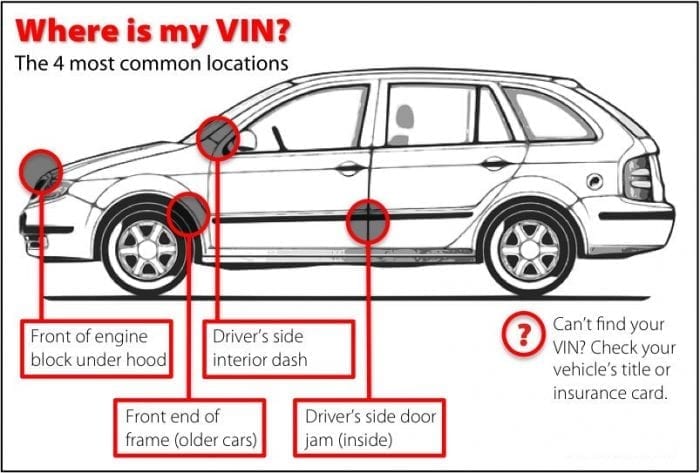
Finding the VIN is easier than you think. It’s usually placed in visible and standard locations.
Dashboard
Look at the lower corner of the windshield on the driver’s side. The VIN is often displayed clearly and can be read from outside the vehicle.
Driver-side door frame
Open the door and check the inner frame area. There is usually a sticker or plate showing the VIN and other vehicle details.
Engine bay
Some Daihatsu vehicles have the VIN stamped inside the engine compartment, often on the firewall or near the engine block.
Registration documents
The VIN is also printed on official documents such as registration certificates and insurance papers.
Decode VIN for Any Daihatsu Models
These are just a few examples. Our Daihatsu VIN decoder can handle all models, including older classics and rare variants.
Altis
Applause
Charade
Copen
Cuore
Delta
Feroza
Gran Max
Grand Move
Hijet
Materia
Mira
Move
Rocky
Sirion
Terios
Trevis
YRV
Why Users Trust Our Daihatsu VIN Decoder
People want something simple but reliable. That’s what we try to offer.
Most comprehensive database coverage
Our Daihatsu VIN decoder doesn’t just pull basic specs. It cross-checks records from insurance databases, auction listings, and registration systems. This means you’re not just seeing what the car is, but what it has been through over time.
High accuracy, cross-checked results
Data is verified across multiple databases to reduce errors and improve confidence when checking a Daihatsu VIN.
Unlimited free checks
You can perform basic VIN decoding without limits, making it easy to screen multiple vehicles quickly.
No hidden fees or subscriptions
There are no unexpected charges. You only pay if you choose to access the full premium report.
Daily data updates
Vehicle records are updated regularly, so users get fresh and relevant information instead of outdated or incomplete data.
24/7 customer support
Support is available anytime to help users understand their report or resolve any issues.
Beyond Specs, Get Daihatsu Full Vehicle History Report
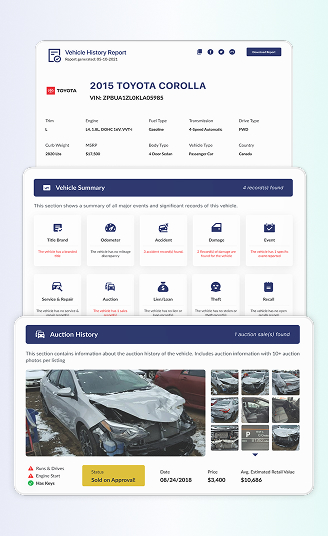
PremiumVIN free Daihatsu VIN lookup tool gives you the basics. But a full PremiumVIN VIN Check report goes deeper. It collects verified records from multiple sources and builds a clear picture of the vehicle’s past, not just what it looks like today, but what it has been through.
This is where things get interesting.
Vehicle Specifications
This is usually the first thing people check. The Daihatsu VIN number decoder reads the VIN and turns it into real details, so you can confirm if the car matches what is being advertised.
Year, Make, Model
This confirms the official production year and exact Daihatsu model. It helps you avoid mismatches between listing claims and actual factory data.
Trim
Some Daihatsu vehicles come with different trims depending on the region or production batch. This section shows the correct configuration.
Engine Details
The report explains engine type, capacity, and configuration. Useful if you care about performance, maintenance, or fuel use.
Transmission & Drive Type
You will see whether the Daihatsu uses a manual or automatic transmission, including drivetrain setup like FWD or AWD.
Title Brand Check
Title status is one of those things people often overlook, until it becomes a problem. A Daihatsu VIN check helps reveal if the vehicle has any legal or insurance-related history that could affect value, safety, or even registration.
Salvage
This means the Daihatsu was declared a total loss before. Usually due to an accident, flood, or heavy damage.
Rebuilt
A rebuilt title shows the vehicle was repaired after being declared salvage. It may be usable, but still worth checking carefully.
Lemon
Some vehicles get labeled as a lemon due to repeated mechanical failures. This section will show if that happened.
Junk (Scrap) Record
If the vehicle was marked as junk, it may not be roadworthy anymore. That’s something you don’t want to miss.
Lien / Loan Records
This part is often ignored until someone realizes the car still belongs to a lender.
Lien Record Identification
The report checks if any financial institution has a legal claim on the Daihatsu. This means the previous owner may still owe money on the vehicle.
Dates and Locations
You will see when and where the lien was recorded. This helps you understand how recent the financial obligation is and whether it has likely been cleared.
Verified Sources
Lien data comes from official and verified databases linked to vehicle registration systems, giving you more confidence that the information is reliable and not just guesswork.
Accident History
Not all accidents are obvious. Some repairs hide things quite well.
Number of Accidents Reported
This section shows how many accidents were officially recorded for the Daihatsu. Even one record can impact value, safety perception, and insurance considerations.
Date of Reported Accidents
Knowing when the accident happened helps you understand whether the damage is recent or from many years ago, which can affect how serious it is today.
Reported Accident Location
The report may include the location of each accident, giving context about the incident and helping you better understand the circumstances surrounding the damage.
Ownership Records
Ownership history tells a story, sometimes a quiet one, sometimes not. The Daihatsu VIN lookup gathers ownership data to help you understand how the vehicle was used and how often it changed hands.
Owner Count
This section shows the total number of previous owners, whether individuals or companies. A higher number of owners may indicate frequent resale, while fewer owners often suggest longer-term use and possibly better care.
Ownership Timeline
The timeline tracks ownership changes over the years, showing when each owner held the vehicle. This helps you see patterns, like short-term ownership or long-term stability, which can influence your buying decision.
Vehicle Use Type
This part explains how the Daihatsu was used, such as for personal driving, rental service, or commercial fleet use.
Registration Locations
You will see where the vehicle was registered over time. This matters because climate conditions like humidity, snow, or coastal environments can impact the vehicle’s body, frame, and long-term durability.
Service & Maintenance Records
This is where you see how the vehicle was treated over time.
Scheduled Maintenance
Records of regular servicing, such as oil changes, inspections, and routine checks, help show whether the Daihatsu was properly maintained.
Part Replacements
This section lists major components that were replaced, giving insight into wear and potential future repair needs.
Repairs
Includes both major and minor repairs, helping you understand recurring issues or past mechanical problems.
Inspection Notes
Technician notes sometimes appear here, offering small but useful details about the vehicle’s condition during service visits.
Auction History
Many vehicles pass through auctions before resale.
Auction Date and Location
Shows when and where the Daihatsu appeared in auction listings, helping track its market movement.
Sale Price
Provides past pricing data, which helps you understand how the vehicle’s value has changed over time.
Condition Notes
Auction listings often include condition reports, which can reveal damage or mechanical issues at that time.
Auction Photos
In some cases, photos from past auctions are included, giving you a visual reference of the vehicle’s previous condition.
Recalls Check
Sometimes, issues come directly from the manufacturer.
Open Recall Information
This shows any recalls that still need to be fixed. Driving with unresolved recalls can be risky, especially if they involve safety-related components.
Completed Recall Events
This section confirms whether past recalls were already repaired. It gives reassurance that known issues have been addressed properly.
Safety Notices
Includes alerts issued by Daihatsu, Toyota (parent company), or safety agencies regarding defects or safety concerns related to the vehicle.
Stolen Check
Vehicle theft is a significant issue in the used car market. A Daihatsu VIN report can help verify if the vehicle was stolen.
Stolen Status Check
This confirms whether the Daihatsu has ever been reported stolen in official databases, helping you avoid legal complications.
Theft Records
If theft incidents exist, this section may include details such as location and timeline, giving you a clearer understanding of the vehicle’s history.
Sales History
This helps you see how the vehicle has been marketed over time.
Number of Listings
Shows how many times the Daihatsu was listed for sale, which may indicate resale frequency or difficulty selling.
Condition at Each Listing
Tracks how the vehicle was described in each listing, helping you spot inconsistencies or changes over time.
Listing Photos
Older listing photos may still be available, allowing you to compare past and current conditions visually.
Free Daihatsu VIN Decoder vs Full History Report
Some users only need surface-level data. Others want the full story. And when money is involved, most people prefer more detail than less.
Here’s the comparison:
| What You Can Check | Free Daihatsu VIN Decoder (Quick Check) | Premium Daihatsu Vehicle History Report (Full Report) |
|---|---|---|
| Daihatsu year, model, and make | ✓ Confirms basic identity | ✓ Fully confirmed with production details |
| Basic Daihatsu specs (engine, body, trim) | ✓ General specifications | ✓ Complete factory specifications |
| Title status (e.g., salvage, rebuilt, lemon) | Basic status hint only | ✓ Full title brand history |
| Accident history check | Not available | ✓ Detailed accident records when reported |
| Mileage and odometer records | Not available | ✓ Multiple recorded mileage entries |
| Odometer rollback/mileage inconsistency checks | Not available | ✓ Rollback flags and inconsistency alerts |
| Auction history and photos | Not available | ✓ Auction listings and images when available |
| Online listings and advertised sales | ✓ Current listing snapshot (when available) | ✓ Listings and advertised sales records |
| Timeline of previous listings and sales | Not available | ✓ Timeline of past listings and sale activity |
| Sales listings records & photos | Not available | ✓ Listing records and photos (when available) |
| Daihatsu market value estimate | Not available | ✓ Value estimates and pricing ranges |
| Number of previous owners | Not available | ✓ Owner count (when available) |
| Past vehicle use (private, rental, fleet, commercial) | Not available | ✓ Use-type indicators when reported |
| Outstanding loans or lien records | Not available | ✓ Lien/loan flags when reported |
| Stolen vehicle check | Limited check | ✓ Detailed theft records if reported |
| Flood, fire, or hail damage indicators | Not available | ✓ Damage-event indicators when reported |
| Reported service or repair history | Not available | ✓ Service/repair records (when available) |
| Recall and warranty information | Limited overview | ✓ Recall history and basic warranty status |
| Downloadable PDF report | X Not included | ✓ Yes, easy-to-save PDF |
| Best suited for | Quick Daihatsu VIN lookup and early screening | Buyers, sellers, collectors, and serious checks |
Oliver’s Daihatsu VIN Check: First Impressions
A vehicle can appear clean and well-maintained at first glance. However, a Daihatsu VIN lookup often reveals critical details that are not visible during a basic inspection. This becomes especially important when evaluating older or imported vehicles.
Sample Report: JD1JG1127M4414414
Initial Impression
Oliver found a 1991 Daihatsu Charade listed at a fair price. The vehicle appeared clean, with no visible structural damage. The seller described it as reliable and long-owned, which initially suggested stable usage and proper care.
On the surface, it looked like a workable commercial truck.
Critical Findings
- Branded title detected, including salvage and junk history records
- Insurance loss reported in 2015, indicating a significant past incident
- One recorded accident, confirmed through police and insurance data
- Minor to major damage record, linked to the reported collision event
- Active lien/loan record found, indicating possible financial obligation
- Usage history shows a lease record, not purely private ownership
- Ownership split between two long-term owners, both located in California
Outcome
After reviewing the Daihatsu VIN check, Oliver decided not to proceed immediately. Instead, he requested clarification on the lien status and damage history, and used the report to renegotiate the vehicle price.
Lessons Learned
This case shows that even a simple Daihatsu model can carry a complex background. Our Daihatsu VIN decoder helps verify vehicle authenticity, detect hidden risks, and support more informed decisions before purchase.
Explore Other Daihatsu VIN Search Tools
Check out other tools you can try below. They give different types of information that your Daihatsu may need.
The window sticker shows original factory information such as price, features, engine specs, and installed options. It is useful if you want to understand what the Daihatsu looked like when it first left the factory.
This tool helps you check if your Daihatsu has any open recalls. It is important for safety because some recalls involve critical parts like brakes or airbags.
If you don’t have the VIN, you can sometimes use the license plate instead. This tool helps retrieve vehicle information linked to registration records.
A title check shows whether the vehicle has a clean title or issues like salvage or rebuilt status. This directly affects value and legal ownership.
Why Daihatsu Still Matters Today
Daihatsu is one of those brands people often overlook, but it has a surprisingly long and interesting story. It focuses on small cars, yes, but that’s exactly where it shines. Simple, practical, and built for everyday life. Not flashy, but somehow reliable in a quiet way.
The Brief History of Daihatsu
Daihatsu was founded in 1907 in Japan, originally as an engine manufacturer. Over time, it shifted into producing compact vehicles and became a specialist in small cars. Today, it operates under Toyota and mainly serves Asian markets.
- One of Japan’s oldest car manufacturers
- Fully owned by Toyota Motor Corporation
- Known for kei cars and compact vehicles
- Strong presence in Southeast Asia
- Focus on fuel efficiency and affordability
Even though it stays low-profile, Daihatsu plays a key role in small car innovation, especially in crowded urban markets.
Decode Your Daihatsu VIN Now
Not sure what your Daihatsu has been through?
Run a quick VIN check now and see the real story before you commit. It only takes a few seconds.
Frequently Asked Daihatsu VIN Questions
How to look up a Japanese VIN number?
You can use our Daihatsu VIN decoder for a quick and simple check. Just enter the VIN or chassis number, and it will show key details like origin, specs, and history. This works for both modern and older Japanese vehicles.
Is Daihatsu a Toyota?
Yes, Daihatsu is fully owned by Toyota. It operates as a subsidiary and focuses mainly on small cars and kei vehicles, especially for the Japanese and Southeast Asian markets.
What do Japanese VIN numbers start with?
Most Japanese vehicles, including Daihatsu, start with the letter “J”. This indicates the car was manufactured in Japan. Our Daihatsu VIN lookup confirms this instantly.
Is the Daihatsu a Nissan?
No, Daihatsu is not part of Nissan. It belongs to Toyota. This confusion happens sometimes because all are Japanese brands, but they are separate companies.
Do Japanese cars have a 17 digit VIN?
The standard 17-digit VIN format started in 1981 for vehicles sold internationally. However, many Japanese domestic market (JDM) cars, including some Daihatsu models, still use shorter chassis numbers instead of 17 digits, especially for local use in Japan.
Can you look up a VIN for free?
Yes, you can look up a VIN for free by running a free Daihatsu VIN check on our platform. It provides basic details. For deeper history, like accidents or ownership, a full report is available.
What is Daihatsu called now?
Daihatsu is still called Daihatsu and operates under the Daihatsu Motor Co., Ltd. It hasn’t changed its name, but it operates under Toyota Motor Corporation (since 2016) and focuses on compact vehicles.
What is Japan's No. 1 car brand?
Toyota is considered Japan’s largest and most popular car brand globally. As of 2025, Toyota commands roughly 45.5% of the market in Japan, offering a wide range of reliable, fuel-efficient, and hybrid vehicles. Daihatsu supports Toyota mainly in the small car segment.
What do the first 3 digits of a VIN mean?
These are called the WMI (World Manufacturer Identifier). They show the country and manufacturer. For Daihatsu, it usually starts with codes like “JDA,” meaning Japan and Daihatsu.
How to tell if a Toyota is made in the USA or Japan?
Check the first character of the VIN. “J” means Japan, while numbers like “1” or “4” indicate the USA. Our VIN decoder explains this clearly.
Is Daihatsu in the USA?
Daihatsu no longer operates in the U.S. market. It existed years ago, but you may still find imported or older models.
What does Daihatsu mean in Japanese?
“Daihatsu” comes from a combination of “Osaka” (its origin) and “engine manufacturing.” It reflects the company’s early focus on engines.
What engine is in a Daihatsu?
Daihatsu vehicles usually have small, fuel-efficient engines. Many are 3-cylinder engines designed for city driving and low fuel consumption.
How do I check a Japanese VIN number?
Use a trusted Daihatsu VIN number decoder like ours. Enter the VIN, and it will show vehicle specs, production details, and available history.
What is the 3 year rule for cars in Japan?
In Japan, new cars usually require inspection after 3 years, then every 2 years. This is part of the country’s strict vehicle inspection system.
Does it matter if a car is a Japanese import?
Yes, it can affect specifications, parts availability, and resale value. A Daihatsu VIN lookup helps you understand these differences before buying.