
Free Kawasaki VIN Decoder Tool– Check Your VIN Now
Run a Kawasaki VIN Decoder in seconds. Check your Kawasaki VIN number to confirm the model, year, engine specs, and factory details. Check recalls, title records, accidents, mileage history, and more with the PremiumVIN vehicle history report.
What is the Kawasaki VIN Decoder?
A Kawasaki VIN decoder is a tool that reads the Vehicle Identification Number and reveals the vehicle’s original factory specifications. Every Kawasaki VIN contains encoded details about the motorcycle’s engine, model series, body style, production year, and manufacturing plant.
A Kawasaki VIN number is a unique identification code assigned to every Kawasaki motorcycle, ATV, or off-road vehicle. In most modern cases, it has 17 characters made from letters and numbers. This code shows key information like the model, production year, engine type, and manufacturing plant.
Older Kawasaki machines, especially pre-1981 models, can have shorter VIN formats. That’s normal for classic bikes. With the PremiumVIN Kawasaki VIN decoder, you can decode both modern and classic VIN formats and run a full Kawasaki VIN check to see records such as accidents, auctions, ownership history, and more.
What Information Can You Get From a Kawasaki VIN Number?
A Kawasaki VIN decoder helps reveal important factory details about the vehicle using the VIN number. Each VIN contains information that identifies the vehicle’s manufacturer, model, engine type, trim level, production year, and factory build details.
By decoding a Kawasaki VIN, you can access information such as:
Manufacturer and Model Information
Manufacturer Details
Verify that the VIN belongs to Kawasaki and confirm manufacturer information under Kawasaki Motors, Ltd.
Model Information
Identify the exact Kawasaki model, such as Ninja, Z, Vulcan, KLR, KLX, KX, Brute Force, Mule, Teryx, or Jet Ski.
Engine and Transmission Specifications
Engine Specifications
View engine size, displacement, horsepower, and fuel type (e.g., 649cc parallel-twin, 998cc inline-four, 1,043cc inline-four).
Transmission Details
Verify the original transmission configuration (6-speed manual, CVT automatic, etc.).
Drivetrain and Body Style
Vehicle Type
Identify whether the vehicle is a motorcycle, sportbike, cruiser, dual-sport, dirt bike, ATV, side-by-side, or watercraft.
Body Style
Confirm the vehicle configuration (faired sportbike, naked street, touring, off-road, utility, etc.).
Production Details
Model Year
Verify the production year encoded in the VIN.
Assembly Plant
See where the vehicle was manufactured (Japan, Lincoln, Nebraska, etc.).
Factory Specifications
Review original manufacturer build details.
How to Decode a Kawasaki VIN Number
Decoding your Kawasaki VIN is simple and takes less than a minute.

Step 1: Find Your VIN
Find the 17-digit VIN number on the vehicle dashboard, driver-side door jamb, or registration documents. You can use shorter VIN for pre-1981 classic vehicles.

Step 2: Enter the VIN
Type or paste the full Kawasaki VIN into the decoder tool above.

Step 3: Access Factory Specifications
Instantly view the vehicle's factory specifications, including engine, trim, transmission, and model year.
How to Read a Kawasaki VIN Number
A modern Kawasaki VIN usually follows the standard 17-character format used under U.S. VIN rules. In simple terms, the VIN is split into three main parts: WMI, VDS, and VIS. Each part tells a different piece of the story, from the maker and vehicle type to the model year and serial sequence.
WMI (World Manufacturer Identifier)
The WMI means World Manufacturer Identifier. It is the first three characters of the VIN. This part identifies the manufacturer and, in many cases, the general vehicle category or origin.
For Kawasaki motorcycles sold in markets using the standard 17-digit VIN system, examples in Kawasaki’s VIN coding filings include prefixes such as JKA and JKB. These prefixes appear in official Kawasaki VIN coding examples submitted to NHTSA.
WMI Character Meaning (Example: JKA)
- 1st character: J = country/region code linked to Japan in the VIN system. Official Kawasaki examples filed with NHTSA begin with J-prefixed WMIs.
- 2nd character: K = manufacturer family identifier used in Kawasaki examples.
- 3rd character: A = vehicle type/manufacturer subdivision code within Kawasaki’s VIN structure example. Other field Kawasaki examples also show B in this third position.
VDS (Vehicle Descriptor Section)
The VDS means Vehicle Descriptor Section. It usually covers characters 4 through 9. This is the part that helps describe the vehicle itself, such as model family, engine type, series, and sometimes body or restraint-related coding.
Depending on the vehicle category, these middle characters clearly differ from model to model, which shows they are used to identify model-specific details.
VDS Character Meaning
- 4th–8th characters = identify the Kawasaki model line and configuration in the manufacturer’s coding system. For example, ZX4R appears in the official sample for the ZX600RG model listing.
- 9th character = check digit in the standard VIN structure, used to support VIN validity.
The exact meaning of each internal model code is manufacturer-specific, so a Kawasaki VIN lookup is the practical way to decode it accurately.
VIS (Vehicle Identifier Section)
The VIS means Vehicle Identifier Section. This is usually the last eight characters, positions 10 through 17. In the North American VIN structure, the 10th character shows the model year, the 11th character can identify the plant, and the remaining digits are commonly the serial number range.
VIS Character Meaning
- 10th character= model year code in this example pattern. The model year sits in position 10 in North American VIN practice.
- 11th character = plant code in the VIN structure. NHTSA says VIN decoding can show the place of manufacture.
- 12th–17th characters = production sequence or serial number range used to identify the individual vehicle.
Where to Find the Kawasaki Vehicle Identification Number?
Kawasaki VIN location varies by product line, and the exact position is shown in the owner’s manual. The company also notes that older pre-1981 VINs can vary, and registration papers can help confirm the number.

Dashboard
On road-going vehicles, the VIN is often visible near the front viewing area, but motorcycles usually require frame inspection instead.
Steering head
Kawasaki says you will find the VIN stamped on the steering head, below the handlebars, on certain motorcycles.
Frame neck area
Many Kawasaki motorcycles carry the VIN on the frame neck or a nearby stamped frame section.
Front frame below the radiator
Kawasaki also says some product lines place the VIN on the front of the frame, centered below the radiator.
Registration documents
If the physical stamp is hard to read, the VIN should also appear on registration papers and ownership documents.
Owner’s manual
Kawasaki states that the exact VIN location for a specific model is illustrated near the front of the owner’s manual.
Decode VIN for All Kawasaki Models
Below are some popular Kawasaki models people search for most often. Still, PremiumVIN can decode far more than these, including many older and classic Kawasaki VINs.
Bayou 250
KX100
Ninja H2
Vulcan 1600 Mean Streak
Bayou 300
KX125
Ninja H2R
Vulcan 1700 Classic
Brute Force 300
KX250
Ninja ZX-4R
Vulcan 1700 Nomad
Brute Force 650
KX250F
Ninja ZX-4RR
Vulcan 1700 Vaquero
Brute Force 750
KX450
Ninja ZX-6R
Vulcan 1700 Voyager
Concours 1000
KX450SR
Ninja ZX-10R
Z125 Pro
Concours 14
KZ650
Ninja ZX-10RR
Z250
GPZ750
KZ750
Prairie 650
Z300
GPZ900R
KZ900
Prairie 700
Z400
GPZ1100
KZ1000
Teryx 800
Z500
GTR1400
Mule 4010
Teryx4 800
Z650
KLX110
Mule Pro-DX
Teryx KRX 1000
Z650RS
KLX140
Mule Pro-FXR
Versys 300
Z90
KLX230
Mule Pro-FXT
Versys 650
Z900RS
KLX230SM
Mule SX
Versys 1000
Z900RS Cafe
KLX250
Ninja 125
Versys 1000 SE
Z1000
KLX300
Ninja 250
Vulcan 800
Z H2
KLX300SM
Ninja 300
Vulcan S
Z1
KLX450R
Ninja 400
Vulcan 900 Classic
Z650
KLX650
Ninja 650
Vulcan 900 Classic LT
Z900
KLR650
Ninja 7 Hybrid
Vulcan 900 Custom
ZZR1100
KX65
Ninja 1000
Vulcan 1500 Classic
ZZR1200
KX85
Ninja 1000SX
Vulcan 1600 Classic
ZZR1400
Why Users Trust Our Kawasaki VIN Decoder
Our Kawasaki VIN decoder is built for quick checks and deeper decisions. It gives users a clean place to start, but also enough depth for real buying, selling, and collecting work.
Unlimited free checks
A free Kawasaki VIN lookup should actually be useful. Users can screen vehicles early before deciding whether a full premium report is worth it.
Daily data updates
Vehicle records change. Listings appear and disappear. New reportable events show up. Frequent data updates help keep Kawasaki VIN lookup results more current.
Most comprehensive database coverage
We pull together broad VIN-based data points so users can check identity, history clues, and important records in one place without bouncing around.
High accuracy, cross-checked results
We do not rely on one thin signal. Cross-checked VIN results help users compare identity data with wider record history for stronger confidence.
24/7 customer support
Questions do come up. Maybe the VIN is older. Maybe the record looks odd. Support helps users move forward instead of getting stuck.
Live Chat with VIN Expert
Sometimes users want a fast human explanation, not just data on a screen. Live chat helps bridge that gap when details need context.
Need More Than Factory Specs? Get a Full Kawasaki Vehicle History Report
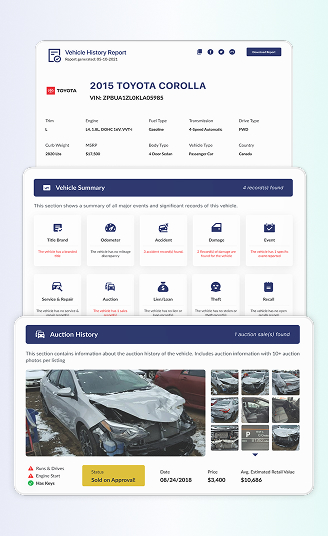
A simple Kawasaki VIN lookup already gives basic vehicle details. But the PremiumVIN Kawasaki VIN check report goes much deeper. It gathers data from multiple sources and organizes it into a clear history record.
Below are the key sections included in the Kawasaki VIN check report.
Vehicle Specifications
When you decode Kawasaki VIN numbers, one of the first things revealed is the machine’s technical identity. This section explains what the vehicle actually is, not just what the seller claims it to be.
Year, Make, Model
The Kawasaki VIN number decoder confirms the production year, manufacturer, and exact model. This helps verify whether the listing matches the real motorcycle or ATV identified by the VIN.
Trim
Some Kawasaki models come in multiple trims or variants. The VIN helps identify the exact version, which can matter for collectors, restorations, and correct parts replacement.
Engine Type
The report helps identify the engine configuration tied to that Kawasaki VIN when the supporting specification or available history data. This helps buyers verify whether the engine type matches the model specification.
Transmission Type
Certain Kawasaki vehicles use different transmission setups. The VIN decoding process identifies the transmission information tied to the production record.
Manufacturing Plant
The VIN contains codes for the factory where the Kawasaki vehicle was produced. This detail can be interesting for collectors and useful for authenticity verification.
Production Details
Some VIN decoding results include Kawasaki production number lookup information, which helps understand where the unit sits in the production cycle.
Ownership Records
Understanding who owned a Kawasaki vehicle and how it was used can reveal a lot about its condition and history.
Owner Count
The report shows how many previous owners were recorded for the Kawasaki vehicle connected to the VIN.
Ownership Timeline
A timeline helps show when ownership changed. This can indicate whether the vehicle changed hands frequently.
Vehicle Use Type
Some Kawasaki units are used privately, while others are used commercially, for rentals, or in fleet settings.
Registration Locations
The VIN history report can list the states or regions where the Kawasaki vehicle was registered over time.
Service & Maintenance Records
Maintenance history can reveal how well the Kawasaki vehicle was cared for.
Scheduled Maintenance
Service visits for routine maintenance can appear in the report when recorded.
Part Replacements
Replacement of parts such as chains, brakes, or engine components may be documented.
Major or Minor Repairs
Repair records help identify whether the vehicle had mechanical problems in the past.
Notes from Inspections
Technician notes from inspections sometimes appear in maintenance history logs.
Maintenance Timeline
The service history timeline gives a clearer picture of how consistently the vehicle was maintained.
Auction History
Some Kawasaki vehicles pass through auction houses, especially after insurance claims or dealer inventory rotations.
Auction Date and Location
The report can show where and when the vehicle was auctioned.
Sale Price
Auction sale prices provide insight into market value at the time of sale.
Condition Notes
Auction listings often include notes about damage, running condition, or mechanical issues.
Whether the Vehicle Started or Ran
Many auction listings include a note stating whether the engine started or the vehicle ran during inspection.
Number of Auction Photos
Auction records sometimes include the number of photos taken, which can help verify documentation.
Sales History
Past sale listings help build a timeline of the vehicle’s market activity.
Number of Times Listed
The report may show how often the Kawasaki vehicle appeared in sales listings.
Condition at Each Listing
Descriptions from listings can indicate how the condition changed over time.
Photos from Past Listings
Some VIN records include archived images from previous online listings.
Stolen Check
Nobody wants to unknowingly purchase a stolen vehicle.
Stolen Status Check
The free Kawasaki VIN lookup check can reveal whether the vehicle is listed in stolen vehicle databases.
Recorded Theft Incidents
If theft was reported and later resolved, that information may appear in the report.
Recovery Records
Some VIN history records include notes about when and where a stolen vehicle was recovered.
Odometer Records
Mileage records are important when evaluating a used motorcycle or ATV.
Mileage History from Multiple Sources
The Kawasaki VIN lookup report collects mileage records from different points in the vehicle’s history.
Rollback Detection and Alerts
If the odometer readings appear inconsistent, the system flags potential rollback activity.
Annual Usage Patterns
Mileage trends across years can show whether the vehicle was lightly used or ridden heavily.
Recorded Mileage Events
Certain service visits or inspections record mileage data, which becomes part of the VIN history record.
Lien / Loan Records
Before buying a used Kawasaki vehicle, it’s important to confirm that it is free from financial obligations.
Lien Record Identification
The report will show whether lenders have placed a lien on the vehicle tied to the VIN.
Dates and Locations
Lien records may include the date and region where the financial claim was recorded.
Verified Sources
Lien information is gathered from verified financial or registration sources where available.
Lien Release Records
If the loan has been paid off, the report may show the official release of the lien.
Accident History
Motorcycle accidents can affect safety, value, and long-term reliability.
Number of Accidents Reported
The Kawasaki VIN check report lists how many accidents were recorded for the vehicle.
Date of Reported Accidents
If available, the accident dates are included in the history timeline.
Reported Accident Location
Some records include the state or area where the accident was reported.
Severity Indicators
In some cases, the report will show the level of damage recorded during the accident event.
Damage Check
Damage records go beyond formal accident reports. Even minor damage can appear in vehicle records.
Fire Damage
Fire incidents connected to the Kawasaki VIN will appear in the damage section.
Flood Damage
Water exposure can affect engines, electronics, and structural parts of the vehicle.
Dent and Scratch Damage
Minor cosmetic damage reported during inspections or auctions may appear in the report.
Hail Damage
Weather-related damage events can sometimes be recorded during insurance or inspection reports.
Structural Damage
Serious frame or structural damage records may appear if reported during inspections.
Who Should Use the Kawasaki VIN Lookup Tool?
For anyone buying, selling, restoring, or collecting a Kawasaki motorcycle, this report will show the technical details and past records tied to the VIN. From ownership records to accident data, the report helps verify the authenticity of a Kawasaki VIN and understand the machine’s past.
If you are buying a used Kawasaki, this tool helps you slow down and check the facts first. A seller can sound honest, sure, but the VIN tells a cleaner story. That matters when you are looking at a Ninja, Vulcan, KLR, Bayou, or an older classic model.
Identify hidden damages before purchase
A Kawasaki VIN decoder can help you spot reported accident, flood, fire, salvage, or auction records before you commit to the deal.
Find past auction activity
Auction history can show old sale dates, condition notes, and sometimes photos that reveal more than the current listing does.
Compare the current condition with past records
Older listings, service notes, and title events can show whether the vehicle’s condition has changed over time.
For sellers and dealers, the VIN is not only about avoiding trouble. It also helps present the vehicle better. A clean and well-documented Kawasaki usually sells faster because buyers do not feel they are walking into a dark room.
Verify a vehicle’s value
A VIN-based report helps sellers support the asking price with real model details, history clues, and market context.
Improve listing accuracy
A better listing means fewer wasted calls, fewer confused buyers, and less back-and-forth over basic details.
Prepare for collector questions
Older Kawasaki models attract detail-focused buyers. VIN data helps answer questions about year, production range, and authenticity.
Collectors do not look at Kawasaki machines the same way casual buyers do. They care about correctness, rarity, production details, and whether a machine still feels true to its original form. A Kawasaki VIN lookup is useful for that deeper level of checking.
Confirm production year on older models
Classic and pre-1981 units can be tricky, so decoding helps reduce confusion around age and originality.
Support show-and-event conversations
At a bike meet or collector event, knowing what the VIN confirms can save you from repeating wrong information.
Protect long-term value
For collectors, a clean paper trail and confirmed identity often matter just as much as chrome and paint.
Real Story: How a Kawasaki VIN Check Saved a Ninja Buyer
A Kawasaki VIN decoder helps turn basic vehicle data into a decision tool. For buyers like Ethan, it confirms the motorcycle’s identity, highlights risk, and shows whether the asking price matches the real condition. That matters even more when the bike looks clean at first glance, but the record tells a different story.
Sample Report: JKAEXKG15PDAK6556
Initial Impression
Ethan reviewed a 2023 Kawasaki Ninja that looked presentable and mechanically promising. The report confirmed a gasoline-powered sport bike built in Japan, with no mileage discrepancy and no open recall record. On the surface, it looked like a manageable buy.
Critical Findings
- The VIN confirmed the bike as a 2023 Kawasaki Ninja with a sport body type and a gasoline fuel system.
- The vehicle carried a branded title, including a salvage brand record.
- The history showed the vehicle was titled to an insurance company.
- The report found 1 damage record, including a minor/major damage incident.
- Auction history showed the bike was listed on 01/11/2024 in Shreveport, LA, marked not sold at $1,400.
- The auction entry listed primary damage: all over, even though it also noted runs & drives, engine start, and has keys.
- The motorcycle had 2 lien or loan records, which is a serious point for any buyer to review before closing a deal.
- Mileage records were more stable than expected, with 8,331 miles recorded in late 2023 and again at auction in January 2024.
Outcome
For Ethan, the Kawasaki VIN check changed the conversation from price alone to risk, title status, and actual market value. The bike was still buyable, but only at the right price and with the right caution.
The Kawasaki was not automatically a bad buy, but the salvage history, insurance-company title event, all-over damage note, and lien records meant the price and next steps had to be handled much more carefully.
Lessons Learned
Ethan’s case shows why a Kawasaki VIN lookup matters before payment, not after. A bike can look decent in photos and still carry title, damage, auction, and lien issues that affect value and ownership risk.
Decode first, verify the facts, then negotiate from a stronger position.
Free Kawasaki VIN Decoder vs. Paid Vehicle History Report
A free decoder is a good starting point, but a paid report is where the details usually begin to matter. See the difference between free decoding and a full report below:
| What You Can Check | Free Kawasaki VIN Decoder (Quick Check) | Premium Kawasaki Vehicle History Report (Full Report) |
|---|---|---|
| Kawasaki year, model, and make | ✓ Confirms basic identity | ✓ Fully confirmed with production details |
| Basic Kawasaki specs (engine, body, trim) | ✓ General specifications | ✓ Complete factory specifications |
| Title status (e.g., salvage, rebuilt, lemon) | Basic status hint only | ✓ Full title brand history |
| Accident history check | Not available | ✓ Detailed accident records when reported |
| Mileage and odometer records | Not available | ✓ Multiple recorded mileage entries |
| Odometer rollback/mileage inconsistency checks | Not available | ✓ Rollback flags and inconsistency alerts |
| Auction history and photos | Not available | ✓ Auction listings and images when available |
| Online listings and advertised sales | ✓ Current listing snapshot (when available) | ✓ Listings and advertised sales records |
| Timeline of previous listings and sales | Not available | ✓ Timeline of past listings and sale activity |
| Sales listings records & photos | Not available | ✓ Listing records and photos (when available) |
| Kawasaki market value estimate | Not available | ✓ Value estimates and pricing ranges |
| Number of previous owners | Not available | ✓ Owner count (when available) |
| Past vehicle use (private, rental, fleet, commercial) | Not available | ✓ Use-type indicators when reported |
| Outstanding loans or lien records | Not available | ✓ Lien/loan flags when reported |
| Stolen vehicle check | Limited check | ✓ Detailed theft records if reported |
| Flood, fire, or hail damage indicators | Not available | ✓ Damage-event indicators when reported |
| Reported service or repair history | Not available | ✓ Service/repair records (when available) |
| Recall and warranty information | Limited overview | ✓ Recall history and basic warranty status |
| Downloadable PDF report | X Not included | ✓ Yes, easy-to-save PDF |
| Best suited for | Quick Kawasaki VIN lookup and early screening | Buyers, sellers, collectors, and serious checks |
How to Get a Kawasaki Vehicle History Report by VIN Number Lookup
Getting a Kawasaki VIN check is straightforward. You do not need to decode each character by hand or study tables for half an hour.
Step 1: Enter Your VIN
Type the Kawasaki VIN into the form above. Double-check every character so the result matches the right vehicle.
Step 2: Review the Preview
In seconds, you’ll see the preview details. This gives you a quick look at the Kawasaki’s identity before you move deeper.
Step 3: Get the Report
Choose the full report to view history records, title checks, accident data, auction entries, and other important details.
Explore Other Kawasaki VIN Search Tools
See other Kawasaki tools below. If you want more than a basic Kawasaki VIN decoder, these extra checks can help fill in the gaps fast.
A Kawasaki window sticker (monroney label) lookup tool helps show original factory details in a cleaner, easier format. It is useful when you want to review trim, standard equipment, packages, and core specs without digging through old brochures.
A Kawasaki recall check helps you see whether the vehicle has open safety campaigns or has already completed recall work. Kawasaki’s official recall center says users can enter a VIN to view recall information for their model.
A Kawasaki license plate lookup can be useful when the VIN is not immediately available, but you still want to begin checking a vehicle’s background. It can help connect listing details, ownership clues, and vehicle identity.
A Kawasaki title check helps you screen for salvage, rebuilt, junk, or other title-brand issues tied to the VIN. This matters because title status can affect value, registration, resale, and even whether a vehicle should be considered at all.
Facts About Kawasaki
Kawasaki is one of those names people know even before they know the details. It has racing energy, strong brand memory, and a long link to Japanese engineering. That is part of why Kawasaki VIN searches are popular with both everyday riders and collectors.
The Brief History of Kawasaki
Kawasaki’s motorcycle business traces its roots mainly to Kawasaki Aircraft, and the company says Meguro Manufacturing Company also played an important role in that origin. Kawasaki Motors, Ltd. says it became a new subsidiary company on October 1, 2021, after operating under Kawasaki Heavy Industries.
- Kawasaki’s roots are tied to Japanese heavy industry and aircraft engineering.
- The motorcycle side began building engines in the 1950s and expanded from there.
- Meguro played a real role in Kawasaki motorcycle history, which still matters to classic-bike enthusiasts.
- Today, Kawasaki Motors, Ltd. covers motorcycles, ATVs, side-by-sides, watercraft, and related products.
- The brand is known for lines such as Ninja, Z, Vulcan, KLR, KLX, KX, Jet Ski, and more.
Get Your Kawasaki Vehicle Details Instantly
Run your Kawasaki VIN lookup now and check the facts before you buy, sell, or restore. A few seconds here can save a lot later. Use our Kawasaki VIN decoder to instantly verify factory specifications, including engine details, model, transmission, and production year.
For deeper insights, upgrade to access a full Kawasaki vehicle history report and make informed decisions before buying or selling.
Frequently Asked Kawasaki VIN Questions
What is a Kawasaki motorcycle VIN lookup?
A Kawasaki motorcycle VIN lookup is a tool that reads the VIN and returns vehicle details tied to that number. With PremiumVIN, you can start with a free identity check and expand into a fuller history report.
Is the Kawasaki motorcycle VIN lookup free?
Yes, the basic Kawasaki VIN lookup free check can be used as a quick screening tool. If you need deeper records like accidents, title brands, auction history, or mileage entries, the paid premium report is the better fit.
What information can I get from a Kawasaki VIN lookup?
A Kawasaki VIN decoder can provide model-year identity, make, model, engine-related details, and, in a fuller report, history records such as title events, accidents, mileage, auctions, recalls, and more.
Do Kawasaki motorcycles use standard 17-digit VINs?
Modern Kawasaki vehicles in the standard regulated system use 17-character VINs. Kawasaki also notes that VINs made before 1981 can vary. PremiumVIN supports both modern VINs and classic Kawasaki VINs with shorter formats.
Can a Kawasaki VIN lookup verify the engine type?
Yes, a Kawasaki VIN number decoder can help identify engine-related specifications tied to the VIN record. For exact confirmation on a specific vehicle, the decoded result is more reliable than guessing from appearance alone.
Can a Kawasaki VIN Lookup show accident or damage history?
Yes, a premium Kawasaki VIN check can show reported accident or damage history when those records exist in connected sources. That is one of the main reasons people upgrade from a free check.
Which VIN digit shows the Kawasaki motorcycle model year?
In the standard North American VIN structure, the 10th character shows the model year. That is why a proper decode Kawasaki VIN tool is useful when the code itself is not obvious.
Can a Kawasaki VIN confirm if ABS is factory-installed?
It can often help identify the correct model and factory specification path, which is useful when checking whether ABS was included. For a cleaner answer, the VIN should be decoded against model-specific data.
How to find open recalls using a Kawasaki VIN?
To find open recalls using a Kawasaki VIN, you can enter a VIN to view recall information for that model. PremiumVIN also helps by bringing recall-related information into the wider vehicle check process.
Does a Kawasaki VIN show if it's U.S.- or Japan-built?
A VIN can help identify the country and plant of manufacture. A VIN decoding can help show the manufacturer and their origin country, so yes, this is something a proper lookup can help answer.
How to identify a limited-edition Kawasaki from the VIN?
The VIN can help confirm the base identity, production pattern, and official model code path. For limited or special editions, that should be checked alongside factory specs and model-specific details.
Can a Kawasaki VIN show past flood or salvage damage?
Yes, a premium report can show recorded flood damage indicators and title brands such as salvage when those events were reported to connected databases.
Do street vs off-road Kawasakis have unique VIN codes?
Yes. They still follow manufacturer VIN coding logic, but the model descriptors differ by product type. Kawasaki’s own VIN coding examples show different code strings across street models and other vehicle lines.
Do you cover classic or older Kawasaki vehicles?
Yes. PremiumVIN can also decode many classic Kawasaki vehicles, including older units with VINs shorter than 17 digits, such as 5 to 14 characters, where supported.
Is your VIN decoder really free to use?
Yes, the quick check is free to use for basic screening. The premium report is there for users who need the fuller vehicle history.
What makes Kawasaki VINs different from other brands?
The big difference is not that Kawasaki escapes VIN rules. It is that Kawasaki covers several product types, including motorcycles, ATVs, side-by-sides, and watercraft, so users often need model-aware decoding rather than a one-size-fits-all guess. Kawasaki also notes that older VINs can vary.