
Saab VIN Decoder – Check Vehicle Details by VIN
Planning to buy a used Saab or confirm the vehicle details of one you already own? Our free Saab VIN decoder reveals the vehicle’s model year, trim, engine, and manufacturing details. Upgrade for accident records, ownership history, title brands, and more linked to the VIN.
What is the Saab VIN Decoder?
A Saab VIN decoder is a tool that reads the 17-digit Vehicle Identification Number (VIN) and reveals the vehicle’s original factory specifications. Every Saab VIN contains encoded details about the vehicle’s engine, trim, drivetrain, body style, model year, and production plant.
A Saab VIN number is a unique identification code assigned to every Saab vehicle. It usually contains 17 characters made of letters and numbers, and it acts like the vehicle’s fingerprint. The VIN stores important details such as the manufacturing plant, engine type, model year, and trim information.
Older Saab vehicles, especially classic ones built before the 1981 VIN standard, can have shorter VIN formats. That’s why our Saab VIN number decoder supports both modern 17-digit VINs and classic Saab VINs (5–14 digits).
Just enter the code into the PremiumVIN Saab VIN lookup tool, and the system will decode the vehicle information for you in seconds.
Information You Can Get From a Saab VIN Decoder
A Saab VIN decoder helps reveal important factory details about the vehicle using the 17-digit VIN number. Each VIN contains information that identifies the vehicle’s manufacturer, model, engine type, trim level, production year, and factory build details.
By decoding a Saab VIN, you can access information such as:
Manufacturer and Model Information
Manufacture Details
Verify that the VIN belongs to Saab and confirm manufacturer information. Most Saab vehicles were produced by Saab Automobile AB in Sweden, with some joint models built in the U.S. or Japan.
Model Information
Identify the exact Saab model, such as 9-3, 9-5, 900, 9000, 9-2X, 9-7X, 96, 99, or Sonett.
Engine and Transmission Specifications
Engine Specifications
View engine type, displacement, horsepower, and fuel type (e.g., 2.0L Turbo, 2.3L Turbo, 2.8L V6 Turbo, 3.0L V6). Saab is known for turbocharged engines across most models.
Transmission Details
Verify the original transmission configuration (5-speed manual, 6-speed manual, 4-speed automatic, 5-speed automatic, or 6-speed automatic).
Drivetrain and Body Style
Drivetrain
Check whether the vehicle is FWD (front-wheel drive) – the most common Saab configuration. Some joint models like the 9-7X offer AWD or 4WD.
Body Style
Confirm the body configuration (sedan, wagon, convertible, or hatchback). Saab offered unique body styles like the combi coupe on the 900 and 9-3.
Production Details
Model Year
Verify the production year encoded in the VIN (10th character).
Assembly Plant
See where the vehicle was manufactured (e.g., Trollhättan, Sweden; Uusikaupunki, Finland; Janesville, Wisconsin; Lafayette, Indiana).
Factory Specifications
Review original manufacturer build details.
How to Decode a Saab VIN Number
Decoding your Saab VIN is simple and takes less than a minute.

Step 1: Find Your VIN
Find the 17-digit VIN number on the vehicle dashboard, driver-side door jamb, or registration documents.

Step 2: Enter the VIN
Type or paste the full Saab VIN into the decoder tool above.

Step 3: Access Factory Specifications
Instantly view the vehicle's factory specifications, including engine, trim, transmission, and model year.
How to Read a Saab VIN Number
Most modern Saabs use a 17-character VIN. In the U.S., that standardized format became required for on-road vehicles starting with the 1981 model year, under NHTSA rules. A full VIN has three main parts: WMI, VDS, and VIS.
WMI (World Manufacturer Identifier)
The WMI (World Manufacturer Identifier) is the first 3 characters of a VIN (positions 1–3). It points to the country/region and the manufacturer. For many Saab cars, you’ll see YS3, which is widely associated with Saab’s manufacturing identity.
However, not every Saab starts the same way. Some Saab models used other WMIs depending on where and by whom they were built.
WMI Character Meaning (Example: YS3)
- Character 1 (Y): Country/region code linked to Sweden in many VIN systems.
- Character 2 (S): Manufacturer identifier within that region, tied to Saab in this context.
- Character 3 (3): Vehicle type/division marker used by the manufacturer to narrow the category.
Note: some Saabs can use 5S3 (U.S.-built Saab) or JF4 (seen on Saab 9-2X), depending on the model.
VDS (Vehicle Descriptor Section)
The VDS (Vehicle Descriptor Section) is positions 4–9 of the VIN. This part describes the vehicle’s core attributes, such as body style, engine family, restraint system, and other manufacturer-defined details. It’s important to know that VDS coding is not identical across all makes, so Saab-specific decoding matters.
VDS Character Meaning
- Characters 4–8: Saab uses these positions to describe key vehicle attributes (engine/body/restraints), using Saab’s internal coding rules.
- Character 9: Often, the check digit is used to validate whether the VIN is mathematically consistent.
VIS (Vehicle Identifier Section)
The VIS (Vehicle Identifier Section) is positioned 10–17. This section helps identify the specific vehicle unit, usually including the model year code, assembly plant code, and a serial number. In many North American VIN systems, the 10th character is tied to the model year, and the remaining characters help uniquely identify that exact Saab.
VIS Character Meaning
- Character 10: Commonly, the model year code in North America.
- Character 11: Often, the assembly plant code depends on the manufacturer.
- Characters 12–17: Serial or production sequence used to identify the individual vehicle.
Where to Find the Saab Vehicle Identification Number?
The Saab VIN is usually easy to find once you know where to look. For older cars, it might feel a bit hidden, but it’s still there. Always compare the VIN in multiple places if you can, especially when buying.
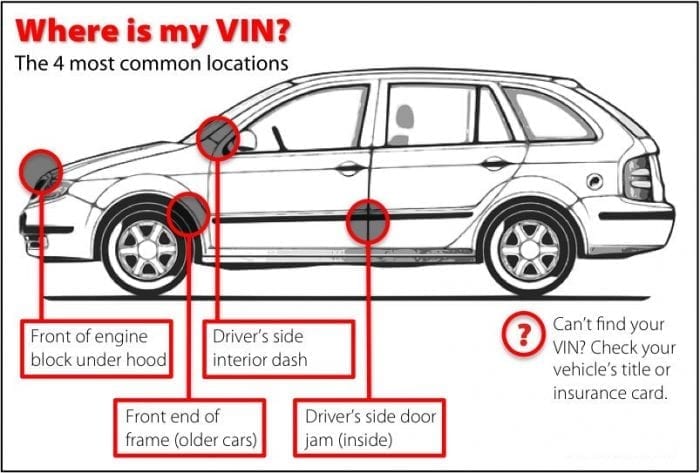
Dashboard
Look through the windshield on the driver’s side, near the base of the dashboard. This is one of the most common VIN locations.
Driver-side door jamb
Open the driver’s door and check the sticker or plate near the door latch area. Many vehicles show VIN and other build information there.
Engine bay plate
Some vehicles also have a VIN plate in the engine compartment. If you see a plate, make sure it looks original and properly attached.
Registration and insurance documents
Your registration card, insurance papers, and title documents often list the VIN clearly. This is helpful when you cannot access the car.
Vehicle title
A title document should match the car’s physical VIN exactly. If it doesn’t match, stop and investigate before proceeding.
Supported Saab Models
Below are some popular Saab models. PremiumVIN supports all Saab models and years, including classic vehicles with shorter VINs.
Saab 900
Saab 9000
Saab 9-3
Saab 9-5
Saab 9-2X
Saab 9-7X
Saab 9-4X
Saab 96
Saab 99
Saab Sonett
Saab 90
Saab 600
Saab 95
Saab 93
Saab 92
Saab Sonett II
Saab Sonett III
Saab 9-3X
Saab 9-5X
Saab EV-1
Why Users Trust Our Saab VIN Decoder
A Saab VIN tool should feel straightforward, not like a puzzle. PremiumVIN focuses on clear outputs, practical checks, and reports you can actually use when buying, selling, or collecting.
Most comprehensive database coverage
We pull Saab VIN data from multiple record types, so the report doesn’t feel thin. Specs, title brands, and history records are organized in one place.
High accuracy, cross-checked results
VIN decoding works best when details agree across sources. We cross-check key items so you don’t rely on one single record trail.
Daily data updates
Vehicle records change over time, especially with sales and listings. Regular updates help keep Saab VIN lookup results more current when new information appears.
Unlimited free checks
You can run quick Saab VIN decoder searches as often as you need. It’s made for browsing, screening, and early research without pressure.
24/7 customer support
If a Saab VIN looks strange or returns limited results, support can help you understand what happened. That’s useful for older and imported vehicles.
Live Chat with VIN Expert
Sometimes you just want a human answer, not another tool. Live chat helps you clarify VIN issues quickly, especially with older Saab models.
Need More Than Factory Specs? Get a Full Saab Vehicle History Report
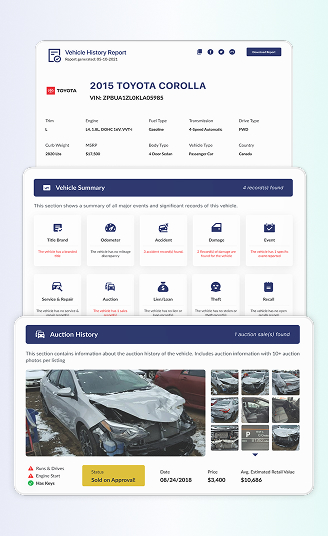
A Saab VIN check can tell you more than just the model name. A complete PremiumVIN history report gives deeper insight into the car’s past. You will see records connected to the vehicle’s specifications, ownership timeline, accidents, service logs, and more. The report organizes the available information clearly, so you don’t need to decode the VIN manually.
Year, Make, Model
This section explains the factory specifications of the car, which can help collectors confirm originality and verify whether the vehicle matches its official Saab build information.
Year, Make, Model
The Saab VIN decoder identifies the exact model year and the vehicle designation. It is helpful when verifying the authenticity of classic Saab models.
Trim
Trim level information explains which version of the Saab model the vehicle belongs to. For example, certain Saab vehicles were offered in different trims with unique interior materials, technology packages, and performance options.
Engine Specifications
The Saab VIN lookup will reveal the engine type originally installed by the manufacturer. This includes engine displacement, fuel type, and sometimes the turbo configuration that many Saab vehicles are known for.
Transmission Details
This section identifies whether the Saab vehicle came with a manual or automatic transmission. It also provides additional drivetrain details that can help confirm the car’s original factory setup.
Odometer Records
Mileage data is extremely important when checking a used Saab vehicle. The odometer records section gathers mileage information reported from various official and industry sources.
Mileage History from Multiple Sources
The report collects odometer readings from inspections, registration events, service centers, and other reporting systems linked to the Saab VIN number.
Rollback Detection and Alerts
If a suspicious mileage rollback is detected, the system flags it. This helps buyers avoid vehicles that may have manipulated odometer readings.
Annual Usage Patterns
This section analyzes yearly mileage patterns. It can help determine whether the vehicle was driven regularly or stored for long periods.
Lien / Loan Records
Before purchasing a used Saab vehicle, it is important to confirm whether the vehicle has an outstanding loan or lien attached to it.
Lien Record Identification
The Saab VIN check report identifies whether financial institutions previously recorded a lien on the vehicle.
Dates and Locations
The report may show the timeline and geographic information related to the lien record.
Verified Sources
Lien data is gathered from trusted reporting databases that track financing and loan status connected to vehicles.
Accident History
Accident records help buyers understand whether the vehicle has been involved in collisions.
Number of Accidents Reported
The Saab VIN decoder report lists how many accidents have been officially reported for the vehicle.
Date of Reported Accidents
Each recorded accident includes the approximate date when the incident was reported.
Reported Accident Location
Location information can show where the accident occurred and which region reported it.
Severity Indicators
Some reports include notes about the severity level of the accident when that information is available.
Damage Check
Damage records help reveal whether the Saab vehicle experienced environmental or physical damage during its lifetime.
Fire Damage
Fire damage records indicate whether the vehicle suffered any fire-related incidents reported by insurance or inspection authorities.
Flood Damage
Flood damage is especially important to detect because water exposure can cause long-term mechanical and electrical problems.
Hail Damage
Hailstorms sometimes leave visible dents on vehicle body panels. This section records such events when documented.
Title Brand Check
Title branding information shows whether a Saab vehicle has ever been legally classified under a special title status. This is important for buyers performing a Saab VIN check before purchasing a used vehicle.
Salvage
A salvage title means the vehicle was declared a total loss by an insurance company. This section of the Saab VIN report will confirm whether the car ever received such a classification.
Rebuilt
Some salvage vehicles are repaired and returned to the road. A rebuilt title indicates that the vehicle passed inspection after major repairs.
Lemon
A lemon title generally means the vehicle had serious defects reported repeatedly during early ownership. This information is useful when evaluating the reliability history of the Saab.
Junk or Scrap
Certain vehicles receive a junk or scrap title when they are no longer considered roadworthy. This section checks for those records connected to the VIN.
Ownership Records
Ownership history helps paint a timeline of the vehicle’s life. For collectors or long-time Saab enthusiasts, this information can reveal how the vehicle has been used over the years.
Owner Count
The Saab VIN lookup report shows how many owners the vehicle has had. A lower owner count sometimes indicates a more carefully maintained vehicle.
Ownership Timeline
This section organizes the timeline of ownership changes. It shows when the vehicle was transferred between owners and how long each ownership period lasted.
Vehicle Use Type
The Saab VIN report may indicate whether the vehicle was used as a personal car, rental vehicle, commercial unit, or fleet vehicle.
Registration Locations
This section shows the locations where the Saab vehicle was registered throughout its lifetime. Different regions sometimes affect vehicle condition due to climate or road conditions.
Recalls Check
Safety recalls are issued by manufacturers when a defect affecting safety is discovered.
Open Recall Information
The Saab VIN lookup identifies active recall campaigns that still require repair or service.
Completed Recall Events
Some recalls are already resolved. This section confirms whether the necessary repairs were performed.
Manufacturer and Safety Agency Notices
Recall information often comes from official safety authorities and manufacturer announcements.
Stolen Check
Vehicle theft records are important for buyers who want to confirm legal ownership status.
Stolen Status Check
The Saab VIN check report scans available databases to confirm whether the vehicle has been reported stolen.
Recorded Theft Incidents
If a theft event occurred in the past, this section may show details about the reported case.
Recovery Information
Sometimes stolen vehicles are later recovered. The report may show whether recovery records were registered.
Auction History
Some vehicles pass through auction houses before reaching dealerships or buyers.
Auction Date and Location
The Saab VIN report may show when and where the vehicle appeared in an auction listing.
Sale Price
Auction sales prices help buyers understand the market value of the vehicle at that time.
Condition Notes
Auction listings often include notes about visible damage or mechanical issues observed before sale.
Run and Drive Status
Some auctions record whether the vehicle started and drove under its own power during inspection.
Number of Auction Photos
Auction listings often include photographs that document the vehicle’s condition during the sale event.
Who Should Use the Saab VIN Lookup Tool?
A Saab VIN lookup is for anyone who wants fewer surprises and more facts. If you’re buying, selling, restoring, or simply curious, a Saab VIN decoder helps you confirm the vehicle’s identity and spot red flags early. It’s also handy for older Saab models, where paperwork can be missing or confusing.
A Saab VIN check keeps it simple: confirm what the car is, check what happened to it, and decide with a clearer head. Even if you’re new to Saab, a Saab VIN number decoder gives you the basics without needing insider knowledge.
Avoid mismatched VIN paperwork
If the VIN on the title, dashboard, and door sticker doesn’t match, that’s a big problem. A VIN lookup helps you catch it early.
Screen for stolen records
Nobody wants a “great deal” that turns into a legal headache. A VIN check helps you screen for theft records when reported.
Check lien or loan flags before payment
If a lender still has a claim, that can block a clean sale. A VIN report helps you spot lien/loan records when available.
Selling a Saab goes more smoothly when you can answer questions fast. A Saab VIN number decoder helps you confirm specs, document history, and reduce back-and-forth with buyers. Dealers also use VIN reports to price vehicles more confidently and avoid selling something with hidden issues.
Build trust with a cleaner listing
A listing with proof usually gets fewer skeptical messages. A Saab VIN check helps you show you’re not hiding anything.
Confirm factory specs for serious buyers
Collectors and Saab fans ask about engines, trims, and options. A VIN decoder helps you confirm the original configuration.
Speed up closing with a downloadable PDF
Buyers like something they can save and reread. A printable report makes your deal feel more organized and real.
If you collect Saabs, you already know the feeling: two cars look identical, but one is “right,” and the other is a story with missing pages. A Saab VIN decoder for collectors helps confirm identity, verify details, and keep your records tidy. It’s also useful when buying rare trims or restoring older Saabs.
Check Saab option codes by VIN
Some Saab fans want the car exactly as built. A VIN report helps you track option-related details when available.
Keep records for shows and club events
A clean VIN record summary is handy at meetups. It helps you answer questions without digging through old paperwork.
Spot suspicious VIN mismatches during restoration
Restorations can mix parts from different cars. VIN consistency checks help you avoid building a “Franken-Saab” by accident.
Sabrina’s Saab VIN Report: What She Discovered
Decoding a Saab VIN is not a “nice-to-have” step. It is how you confirm the vehicle’s identity and check whether the history matches the seller’s claims. Sabrina purchased a PremiumVIN report for a 2007 Saab 9-5 and used it to make a decision based on records, not assumptions.
Sample Report: YS3ED59G773522990
Initial Impression
The listing presented the car as straightforward. Sabrina ran a Saab VIN lookup and immediately confirmed key specs: 2.3L 4-cylinder, manual transmission, FWD, 4-door wagon, country listed as Sweden.
Critical Findings
- Theft records existed: the report listed two theft-related records dated 08/14/2008 and 08/10/2012 (NY locations shown).
- Auction activity was confirmed: one auction record showed the Saab was sold on 06/30/2023 in Van Nuys, CA, for $300, with minor dents/scratches listed as primary damage.
- Mileage looked consistent: the report stated no mileage discrepancy and showed a mileage timeline up to 186,232 (last known record).
- Reported accident records were not found: the accident section showed 0 records.
- Service history was limited but present: two service entries appeared in Santa Paula, CA (including oil/filter change, brakes, steering/chassis, and later engine/brakes).
- Ownership history showed long-term use: the first owner held the vehicle from 10/2007 to 11/2023 in NY, then a second owner began in IA from 11/2023 to the present.
Outcome
Sabrina did not rely on the seller’s wording after reviewing the report. She treated the branded-title indicator, theft records, and auction history as non-negotiable discussion points and adjusted her buying decision accordingly.
Lessons Learned
A Saab can be mechanically appealing and still carry a complicated paper trail. Sabrina’s report confirmed that a clean-looking car can have serious history markers, while also showing that mileage consistency and “no accidents found” do not cancel out other risks. Decode first, negotiate second.
Free Saab VIN Decoder vs Full Vehicle History Report
A free Saab VIN lookup is perfect for early screening. But when money is on the table, deeper history is what protects you. See the difference below:
| What You Can Check | Free Saab VIN Decoder (Quick Check) | Premium Saab Vehicle History Report (Full Report) |
|---|---|---|
| Saab year, model, and make | ✓ Confirms basic identity | ✓ Fully confirmed with production details |
| Basic Saab specs (engine, body, trim) | ✓ General specifications | ✓ Complete factory specifications |
| Title status (e.g., salvage, rebuilt, lemon) | Basic status hint only | ✓ Full title brand history |
| Accident history check | Not available | ✓ Detailed accident records when reported |
| Mileage and odometer records | Not available | ✓ Multiple recorded mileage entries |
| Odometer rollback/mileage inconsistency checks | Not available | ✓ Rollback flags and inconsistency alerts |
| Auction history and photos | Not available | ✓ Auction listings and images when available |
| Online listings and advertised sales | ✓ Current listing snapshot (when available) | ✓ Listings and advertised sales records |
| Timeline of previous listings and sales | Not available | ✓ Timeline of past listings and sale activity |
| Sales listings records & photos | Not available | ✓ Listing records and photos (when available) |
| Saab market value estimate | Not available | ✓ Value estimates and pricing ranges |
| Number of previous owners | Not available | ✓ Owner count (when available) |
| Past vehicle use (private, rental, fleet, commercial) | Not available | ✓ Use-type indicators when reported |
| Outstanding loans or lien records | Not available | ✓ Lien/loan flags when reported |
| Stolen vehicle check | Limited check | ✓ Detailed theft records if reported |
| Flood, fire, or hail damage indicators | Not available | ✓ Damage-event indicators when reported |
| Reported service or repair history | Not available | ✓ Service/repair records (when available) |
| Recall and warranty information | Limited overview | ✓ Recall history and basic warranty status |
| Downloadable PDF report | X Not included | ✓ Yes, easy-to-save PDF |
| Best suited for | Quick Saab VIN lookup and early screening | Buyers, sellers, collectors, and serious checks |
How to Get a Saab Vehicle History Report by VIN Number Lookup
Getting a report is simple. You don’t need special tools, and you don’t need to “understand VIN language.” You just need the Saab VIN number and about a minute of attention.
Step 1: Enter Your VIN
Type the Saab VIN into the PremiumVIN search bar carefully, using the exact characters shown on the vehicle documents.
Step 2: Review the Preview
You’ll see a free preview that confirms the basic identity, so you can double-check that you entered the correct Saab VIN.
Step 3: Get the Report
Purchase the full Saab vehicle history report to view deeper records like title brands, accidents, mileage, and more.
Explore Other Saab VIN Search Tools
If you’re working on a Saab, you usually don’t stop at one search. People check multiple angles: identity, recalls, title brands, and paperwork consistency. See the other Saab tools below and use what fits your situation.
A Saab window sticker (monroney label) helps you understand what the vehicle came with when it was originally sold. It’s useful for buyers who want to confirm trim-level equipment and for owners who are restoring a Saab back to factory style.
A Saab recall check helps you see whether the vehicle has any safety recalls listed as open or unresolved. It’s a simple step, but it matters because recalls can involve airbags, seatbelts, brakes, and other safety systems.
A license plate lookup can help you find vehicle-related information when you don’t have the VIN in front of you yet. It’s useful for early screening, especially when you’re browsing listings or checking a car at a distance.
A Saab title check focuses on the vehicle’s legal status, not just what it looks like in photos. This tool helps you understand whether the Saab has a branded title history, such as salvage or rebuilt events.
Facts About Saab
Saab is the kind of brand people don’t just “like.” They either ignore it completely or they get weirdly loyal. And honestly, that loyalty makes sense once you learn the background.
The Brief History of Saab
Saab started as a Swedish aircraft-focused company, and later moved into car development after World War II as it searched for new markets. Saab Automobile later faced financial collapse and filed for bankruptcy in 2011, which is why new Saab cars stopped being a normal thing in many markets.
- Saab began with aircraft development and defense work in Sweden, long before most people associated the name with cars.
- Saab’s early car projects used aerodynamic thinking that came from aircraft engineering, not typical “Detroit-style” design habits.
- Saab’s automotive story includes multiple ownership and restructuring chapters, which explains why some records can feel inconsistent across years.
Decode Your Saab VIN Now
Use our Saab VIN decoder to instantly verify factory specifications, including engine details, trim, drivetrain, transmission, and model year. For deeper insights, upgrade to access a full Saab vehicle history report and make informed decisions before buying or selling.
Frequently Asked Saab VIN Questions
What does a Saab vehicle identification number decoder do?
PremiumVIN’s Saab VIN decoder reads the VIN structure and converts it into usable vehicle details first, then connects that VIN to available records. For many vehicles sold in the U.S. since the 1981 model year, the VIN is a standardized 17-character code.
Why is checking a Saab serial number decoder important?
Start with a Saab VIN lookup on PremiumVIN so you can confirm the car’s identity before trusting the seller’s story. It helps you verify basics like model and year, and it can highlight reported risks like title brands or mileage concerns.
Is this Saab VIN decoder the same as a vehicle history report?
Not exactly. The free Saab VIN decoder focuses on identifying the vehicle and basic specs. The full PremiumVIN report goes further, showing ownership patterns, title brand history, accidents when reported, mileage records, liens, and auction activity.
Is a Saab VIN check the same as a Saab chassis number check?
Yes. People call it a chassis number, VIN, or serial number, but they usually mean the same identification code on the vehicle. Use PremiumVIN to run a Saab VIN check and confirm the VIN matches across the car and documents.
Where is the Saab VIN?
Common spots include the driver-side dashboard near the windshield, the driver door jamb label, and your registration or title paperwork.