
Decode Any Tesla VIN & Check Vehicle Specs
Use our free Tesla VIN decoder to uncover your vehicle’s battery type, trim level, drivetrain, model year, and factory specifications in seconds. Enter any valid Tesla VIN number to instantly decode important vehicle details before buying, selling, or verifying your electric vehicle.
What Is a Tesla VIN Decoder
A Tesla VIN number is a unique identification code assigned to every Tesla vehicle. Think of it like the car’s fingerprint. Since 1981, most vehicles, including Tesla, have used a 17-character VIN, and each character has a meaning.
When you run a Tesla VIN lookup, you are not just decoding letters and numbers. You are checking where the car was built, which battery it came with, what drive system it uses, and even its production sequence. For Tesla buyers, especially foreigners or first-time EV owners, this step helps avoid confusion and bad assumptions.
What Information Can You Get from a Tesla VIN Number?
By using a Tesla VIN decoder, you can uncover essential factory details that help verify a vehicle’s identity before purchase.
Factory Specifications You Can Uncover
Battery Configuration – Identifies whether the Tesla is Standard Range, Long Range, or Performance. This matters because battery size directly affects driving range and vehicle value.
Drivetrain Type – Reveals the motor setup like Single Motor (RWD), Dual Motor (AWD), or Tri-Motor (Plaid). Performance versions command higher resale prices.
Trim and Variant – Confirms whether the vehicle is a Model 3, Model Y, Model S, Model X, or Roadster, plus specific variants like Long Range or Plaid.
Model Year – Pinpoints the exact production year, which helps distinguish between pre-refresh and post-refresh models.
Production Plant – Shows which factory assembled the vehicle (Fremont, California; Austin, Texas; or Shanghai).
Body Style – Identifies whether the Tesla is a sedan, SUV, hatchback, or convertible.
This information is especially valuable when comparing Model 3 vs Model Y, or Long Range vs Performance versions. Specs matter with EVs more than people realize.
How to Decode a Tesla VIN Number
Decoding your Tesla VIN is simple and takes less than a minute.

Step 1: Find Your VIN
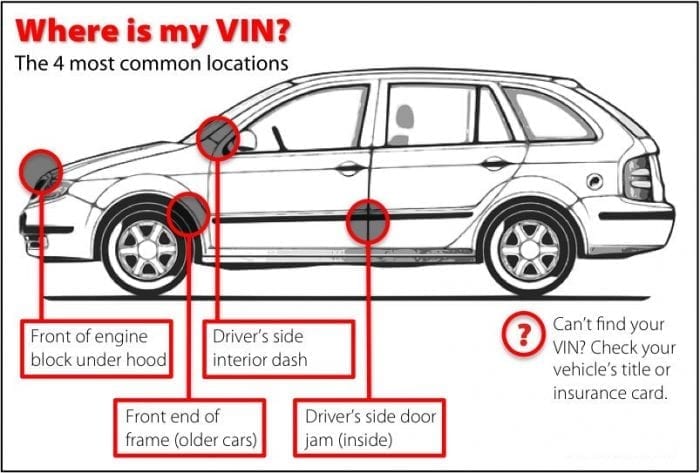
Find the 17-digit VIN number on the vehicle dashboard, driver-side door jamb, or registration documents.

Step 2: Enter the VIN
Type or paste the full Tesla VIN into the decoder tool above.

Step 3: Access Factory Specifications
Instantly view the vehicle's factory specifications, including engine, trim, transmission, and model year.
Where to Find the Tesla Vehicle Identification Number?
The Tesla VIN is easy to locate once you know where to look.
Dashboard
Look through the driver’s side lower corner of the windshield. You’ll typically see a VIN plate near the dashboard.
Touchscreen (software menu)
On many Teslas, the VIN appears on the center screen under Controls > Software. It’s one of the fastest ways to confirm the number matches the paperwork.
Driver-side door jamb
Open the driver’s door and check the label around the door jamb area. This sticker often includes the VIN and other build details.
Registration and insurance documents
The VIN is printed on official paperwork like the registration, title, insurance card, and finance documents. This is helpful when you’re checking a vehicle remotely.
Tesla app (when the vehicle is linked)
If the Tesla is connected to your account, the VIN can be shown inside the Tesla mobile app under vehicle details. This is handy when you’re away from the car but still need the exact VIN.
Free Tesla VIN Decoder Tool - Instant Results
Our free Tesla VIN decoder lets you check the basic details of a Tesla in seconds. You simply enter the VIN, and the tool reads it for you. No guesswork, no confusing codes. It shows key specs like model, year, body type, and production details.
This free Tesla VIN lookup is useful when you just want a quick check. Maybe you are browsing listings, or someone sent you a VIN, and you want to know if it matches the car. It’s fast, easy, and works on both modern Tesla VINs and older formats where available.
Tesla VIN Structure Explained
Every Tesla VIN follows a structure that tells a story. It shows where the car was built, what type of Tesla it is, and when it was produced. Once you understand this structure, reading a Tesla VIN number feels less intimidating.
To keep it real, here’s a Tesla example VIN we’ll use for the breakdown: 5YJSA1E56NF488525.
WMI (World Manufacturer Identifier)
The WMI is the first part of the Tesla VIN. It uses the first three characters to show who made the vehicle and where it comes from. For Tesla, this section confirms that the car is a real Tesla and identifies the country of manufacture. This is especially helpful when checking imported vehicles or foreign-market Teslas.
WMI Character Meaning (Tesla Example: 5YJ)
- 1st character (5): Country of origin, which indicates the United States
- 2nd character (Y): Manufacturer identifier assigned to Tesla
- 3rd character (J): Vehicle type, usually passenger car
VDS (Vehicle Descriptor Section)
The VDS is where the Tesla starts to “take shape” on paper. It’s the part that can help explain what kind of build it is, especially when trims are confusing or listings are written loosely. For Tesla buyers, this part is important because trims and features are not always obvious from listings.
VDS Character Meaning
- Position 4 (S): Tesla make/line code (often tied to the model line)
- Position 5 (A): Body type/classification detail used by Tesla in its coding
- Position 6 (1): Restraint system or safety equipment coding
- Position 7 (E): Motor/drive unit or propulsion-related coding
- Position 8 (5): Additional vehicle attribute coding (Tesla-defined)
- Position 9 (6): Check digit used to validate whether a VIN is structurally valid
VIS (Vehicle Identifier Section)
The VIS is the final part of the Tesla VIN, usually characters 10 to 17. This section focuses on when and where the Tesla was built, plus its unique production number. This is how Tesla tracks each individual car. Collectors and careful buyers pay close attention to this part.
VIS Character Meaning
- Position 10 (N): Model year code (letter/number that maps to a specific year)
- Position 11 (F): Plant/build location code used by the manufacturer
- Positions 12–17 (488525): Vehicle’s unique production sequence/serial range within that plant/system
Model-Specific VIN Decoding Guides
Here are popular Tesla models you can decode with PremiumVIN. If your Tesla isn’t listed, you can still run a Tesla VIN lookup. Our Tesla VIN decoder supports Tesla variants and model years.
Tesla Model S
Tesla Model 3
Tesla Model X
Tesla Model Y
Tesla Roadster
Who Should Use the Tesla VIN Lookup Tool?
A Tesla VIN lookup is not only for experts. It’s for anyone who wants to make decisions with facts. Whether you’re buying, selling, or collecting, a Tesla VIN decoder helps you confirm what the car really is and what it has been through, based on available records.
Buying a used Tesla can feel simple at first. The photos look clean, the screen looks modern, and the seller says “no issues.” But honestly, the risky stuff is usually not visible. A Tesla VIN number decoder helps you check the history before you commit money.
Confirm the Tesla matches the listing
Some listings mix up model years, trims, or variants. A Tesla VIN lookup helps you confirm the identity. So, you’re not paying for a “Long Range” price on a standard configuration.
Avoid salvage and rebuilt title surprises
Title branding can change financing, insurance, and resale value. Checking title status early helps you decide if the deal is worth the risk or if you should walk away.
Look for liens before you pay
A lien means someone else may have a financial claim on the Tesla. Running a lien/loan check reduces the risk of paying for a car that cannot be cleanly transferred to you.
If you’re selling a Tesla, you’re not just selling a car. You’re selling confidence. A Tesla VIN decoder helps you answer buyer questions quickly, reduce suspicion, and avoid disputes later. For dealers, it also helps screen trade-ins and avoid surprises after purchase.
Reduce buyer objections early
Most buyer doubts come from uncertainty. A Tesla VIN lookup helps you address common questions like title status, accident history, and mileage consistency before the conversation turns negative.
Avoid accidental mislabeling
Sellers often copy trim names just from memory or a previous listing. A VIN decoder helps confirm the basics based on the specific VIN, so you don’t advertise the wrong variant and lose serious buyers.
Reduce returns and disputes
When buyers feel surprised, they get angry. A report helps align expectations from the start, which lowers the chance of disputes after the sale
Some people buy Teslas like regular cars. Others treat them like part of a garage story. If you’re an enthusiast or collector, details matter more, and you probably hate vague answers. A Tesla VIN number decoder helps you keep things organized and authentic.
Document the car’s identity for your records
Collectors often keep folders for each car. A VIN lookup helps you store a clean identity snapshot that you can reference later without relying on memory.
Keep a resale-ready documentation pack
When you sell later, your documentation helps you hold value. A saved VIN report can be part of that “proof folder” that serious buyers respect.
Check whether a “rare spec” claim makes sense
People love claiming their Tesla is special. VIN-based identity details help you filter exaggeration and focus on what can actually be supported by records.
What Will You Get Inside the Tesla Premium History Report?
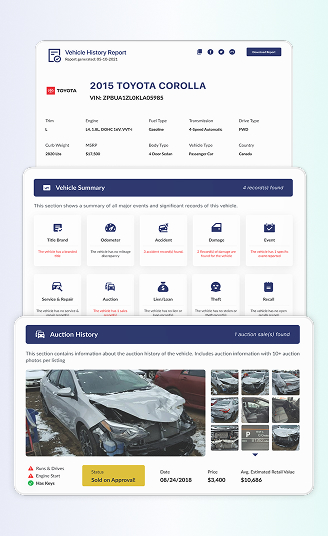
Our Tesla VIN check gives you a full vehicle history report that explains what the car has been through, clearly and calmly, even if you know nothing about cars or EVs. Below is what you’ll see in a Tesla VIN report.
Vehicle Specifications
This section breaks down how your Tesla was built at the factory. Using the Tesla VIN number decoder, you’ll see details that are often missing from listings or misunderstood by sellers. This is especially helpful when comparing Model 3 vs Model Y, or Long Range vs Performance versions. Specs matter with EVs more than people realize.
Year, Make, Model
The report confirms the exact Tesla model and production year tied to the VIN. This helps avoid confusion with facelift years, refresh versions, or software-based upgrades that don’t change the actual hardware.
Trim
Tesla trims are not always obvious. This section explains whether the car is Standard Range, Long Range, Performance, or another configuration, based on the VIN, not guesswork.
Ownership History
This section shows how many owners the Tesla had and where it was registered over time. For collectors and careful buyers, fewer owners often means more consistent care. Long-term ownership can also hint at fewer unresolved issues, especially important for early Tesla models.
Owner Count (When Available)
This section will show you the availability of the recorded total owner of Tesla, which helps you set your expectations and ask better questions.
Ownership Timeline
The timeline can show when ownership events were recorded, like transfers or title changes. It’s useful for spotting fast flips, suspicious gaps, or a vehicle that bounced around right after a reported incident.
Vehicle Use Type (When Reported)
Some records indicate how the Tesla was used, like personal, fleet, rental, or commercial. Use type matters because it hints at wear patterns, charging habits, and maintenance style.
Registration Locations
Where the vehicle was registered can matter more than people admit. Climate, road salt, flooding risk, and even local accident density can change what you should inspect.
Mileage History
Mileage on a Tesla is not just about distance. It reflects battery usage patterns. This part of the Tesla VIN check shows recorded mileage readings over time and helps spot inconsistencies or possible odometer issues.
Mileage History from Multiple Sources
The report will show the recorded mileage readings from different reporting points across time. This helps you compare consistency and see whether the numbers rise naturally.
Rollback Detection and Alerts
The full history records will show you if there are suspicious changes, such as decreases or unusual jumps in the recorded mileage.
Annual Usage Patterns
Annual mileage patterns help you understand how the Tesla was driven.
Lien / Loan Check
This section checks if the Tesla is still tied to a loan or lien. Buying a car with an active lien can turn into a legal headache. The report helps you confirm whether the vehicle is financially clear before purchase.
Lien Record Identification
If a lien record is found, the report may highlight that the Tesla has a financial claim attached. This helps you avoid paying for a car that someone else still legally has an interest in.
Dates and Locations (When Available)
Dates and locations can help you place the lien event in context. It can also help you verify whether the seller’s payoff story matches recorded timing, instead of being vague.
Accident Records
If the Tesla was involved in an accident, this section shows what is available on record. Dates, locations, and severity when reported. Even minor accidents can affect battery safety systems, so this part should never be skipped.
Number of Accidents Reported
This gives you a quick count of reported incidents. One accident doesn’t automatically kill the deal, but multiple incidents deserve a closer look, especially if they cluster in a short time period.
Date of Reported Accidents
Dates help you connect accidents to other events like title changes, sudden resale listings, or auction appearances.
Severity Notes (When Available)
Some records include notes hinting at severity. If available, these notes can help you decide whether you need a deeper inspection, especially around structure, alignment, and safety systems.
Damage History
Beyond accidents, this section checks for damage from floods, fires, or other events. Electric vehicles react differently to water damage, so knowing this upfront protects both your wallet and your safety.
Fire Damage
Fire damage is serious, even if repairs were done. It can affect wiring, sensors, interior materials, and long-term reliability. If fire is reported, you’ll want documentation and a very careful inspection.
Flood Damage
Flood history is one of the biggest red flags in any vehicle report. Water can reach connectors and modules, and issues can appear months later. For a Tesla, flood exposure deserves extra caution.
Dent and Scratch damage
Cosmetic damage sounds minor, but repeated cosmetic notes can suggest careless ownership or harsh use. It also impacts resale and can hide deeper repairs if panels were replaced without clear disclosure.
Title Check
A title check is critical, even for a high-tech brand like Tesla. A clean-looking EV can still carry legal problems. This section of the Tesla VIN lookup helps you understand the car’s legal status before money changes hands.
Salvage
Shows if the Tesla was declared a total loss by an insurance company. Salvage Teslas may have software limitations or charging restrictions.
Rebuilt
Indicates the vehicle was repaired after being salvaged and returned to the road. Some rebuilt Teslas work fine, others don’t. This section gives you clarity.
Lemon and Other Brands
Flags lemon law buybacks, flood damage, or other serious title brands that affect value and ownership experience.
Service & Maintenance Records
While Tesla has fewer traditional service visits, records still matter. This section shows logged services, inspections, or maintenance events that help explain how the vehicle was cared for over time.
Recorded Service Visits
When recorded, scheduled maintenance entries help show routine care, like inspections and periodic checks. A consistent pattern usually suggests an owner who didn’t ignore the basics.
Parts Replacement and Repair Notes
Parts replaced over time can reveal wear level and repair history. It also helps you spot recurring replacements that might signal a bigger underlying issue, not just normal aging.
Theft Records
Checks if the Tesla was ever reported stolen. This information is especially important for imported vehicles or cars changing states or countries. A quick VIN check can prevent a very expensive mistake.
Stolen Status Check
This check looks for stolen flags tied to the VIN in available records. If the Tesla shows as stolen, stop and verify before you go any further. Do not try to “talk it out” with a seller.
Recorded Theft Incidents
If theft incidents are recorded, the report may show basic details like date and location. That context helps you understand whether the vehicle was recovered and how clean the ownership trail looks.
Auction & Sales Records
If the Tesla passed through an auction block, this section will show you the available records of dates, locations, and sale context. Auction history can explain pricing gaps or quick ownership changes.
Auction Date and Location
Dates and locations help you place the event in the vehicle’s timeline. If an auction happens right after an accident or title change, that timing can be meaningful.
Historical Sale Prices
The sale price can act like a reality check. If the Tesla is sold extremely cheaply at auction, you’ll want to understand why, even if it’s now listed as “perfect condition.”
Condition notes
Auction condition notes can mention primary and secondary damage categories. These notes are useful because they’re often less “salesy” than marketplace listings.
Real Story: How Tesla VIN Check Saved a Tesla Buyer
Jennifer almost moved forward on a 2022 Tesla car after the seller framed it as a “clean” deal. The VIN report told a very different story.
Sample Report: 5YJSA1E56NF488525
Initial Impression
- Looks like a solid 2022 Tesla
- Seller implied it was straightforward
- “Low-mile and easy buy” vibe
- Price seemed unusually attractive
Critical Findings
- Branded title shows Salvage brand
- Mileage discrepancy
- Insurance loss record found
- 1 accident record reported
- 2 damage records and salvage auction with minor/major damage incident noted
- Sales listing shows the car was at the auction block with a price of $9,025
- Ownership/usage shows 1 owner
Outcome
Jennifer paused the deal because a salvage car that has insurance loss and mileage discrepancy can affect value, insurance, resale, and financing.
Lessons Learned
- Don’t trust the seller’s summary. Run the VIN check first.
- Salvage changes the entire risk profile, even if it looks perfect today.
- Mileage discrepancy is a hard stop until fully explained and documented.
- Accidents or damage records help you negotiate or walk away, based on evidence.
Free Tesla VIN Decoder vs Paid Vehicle History Report
A free Tesla VIN decoder is great for quick checks. It shows basic specs and confirms identity. A paid VIN report goes deeper. It includes historical records, title status, accident data, and market context.
| What You Can Check | Free Tesla VIN Decoder (Quick Check) | Premium Tesla Vehicle History Report (Full Report) |
|---|---|---|
| Tesla year, model, and make | ✓ Confirms basic identity | ✓ Fully confirmed with production details |
| Basic Tesla specs (body, trim/variant) | ✓ General specifications | ✓ Complete factory specifications |
| Title status (e.g., salvage, rebuilt, lemon) | Basic status hint only | ✓ Full title brand history |
| Accident history check | Not available | ✓ Detailed accident records when reported |
| Mileage and odometer records | Not available | ✓ Multiple recorded mileage entries |
| Odometer rollback/mileage inconsistency checks | Not available | ✓ Rollback flags and inconsistency alerts |
| Auction history and photos | Not available | ✓ Auction listings and images when available |
| Online listings and advertised sales | ✓ Current listing snapshot (when available) | ✓ Listings and advertised sales records |
| Timeline of previous listings and sales | Not available | ✓ Timeline of past listings and sale activity |
| Sales listings records & photos | Not available | ✓ Listing records and photos (when available) |
| Tesla market value estimate | Not available | ✓ Value estimates and pricing ranges |
| Number of previous owners | Not available | ✓ Owner count (when available) |
| Past vehicle use (private, rental, fleet, commercial) | Not available | ✓ Use-type indicators when reported |
| Outstanding loans or lien records | Not available | ✓ Lien/loan flags when reported |
| Stolen vehicle check | Limited check | ✓ Detailed theft records if reported |
| Flood, fire, or hail damage indicators | Not available | ✓ Damage-event indicators when reported |
| Reported service or repair history | Not available | ✓ Service/repair records (when available) |
| Recall and warranty information | Limited overview | ✓ Recall history and basic warranty status |
| Downloadable PDF report | X Not included | ✓ Yes, easy-to-save PDF |
| Best suited for | Quick Tesla VIN lookup and early screening | Buyers, sellers, collectors, and serious checks |
How to Get a Tesla Vehicle History Report by VIN Number Lookup
Getting a Tesla VIN report is simple and does not require technical knowledge. Just follow these simple steps:
Step 1: Enter Your VIN
Type the Tesla VIN carefully into the search form. Double-check characters before you submit it.
Step 2: Review the Preview
Check the free basic decoded details to confirm the vehicle, including the specs, trim, engine, and other core details.
Step 3: Get the Report
Proceed to upgrade to view the full Tesla history report, such as mileage, accidents, title, ownership, auction, theft records, and more.
Explore Other Tesla VIN Search Tools
Tesla VIN decoding works best when combined with other tools. See our other Tesla-related tools below:
A Tesla window sticker shows the original factory configuration, including options and features. It helps buyers confirm authenticity and understand what the car came with when new.
Recall checks help identify safety or software issues linked to the VIN. This is useful before buying or scheduling a service.
If the VIN is unavailable, a license plate lookup can still provide useful vehicle details tied to the Tesla.
Title checks confirm whether the Tesla has salvage, rebuilt, or lemon branding. This protects buyers legally and financially.
Tesla Overview: History, Identity, and What Makes It Different
Tesla operates globally as an electric-vehicle maker and is known for software-driven features, over-the-air updates, and a direct-to-customer sales approach. Because trims and configurations can be confusing in listings, a Tesla VIN decoder is often the fastest way to confirm the basics before you go deeper.
The Brief History of Tesla
Tesla was founded in 2003 (originally called Tesla Motors) and became widely known after launching early models like the Roadster and later the Model S. The brand then expanded with Model X, Model 3, and Model Y, and today operates as Tesla, Inc.
- Name / Company Identity: Tesla was originally branded as “Tesla Motors” and later became Tesla, Inc. It’s the same company lineage, just a modern corporate name that can appear differently across documents.
- Sales Model: Tesla is known for selling more directly rather than using the traditional franchise dealership network. That can affect how paperwork is handled and why buyers rely on a Tesla VIN lookup to confirm details.
- Software-Driven Vehicle Features: Teslas can receive over-the-air updates, meaning features and interface behavior may change over time. A VIN check confirms identity, while software status may require separate verification.
- Battery Value Focus: Since Tesla vehicles are EVs, battery and electrical system condition strongly influence resale value. That’s why Tesla buyers often run a VIN check to screen for history signals like title brands, damage, and auction activity when available.
- Why VIN Decoding Matters: A Tesla VIN number decoder helps confirm the vehicle’s core identity, so you’re not relying only on a listing title, badge, or seller description, especially when trims and variants are written loosely.
Why Users Trust Our Tesla VIN Decoder
Our Tesla VIN decoder is built for real users. Buyers who want to avoid bad deals. Sellers who want to be transparent. Owners who simply want to understand their car better. We focus on reliable data, easy explanations, and honest results, so users can make decisions with confidence instead of doubt.
Below are the main reasons why so many people rely on our Tesla VIN lookup tool.
Most comprehensive database coverage
Our system pulls Tesla VIN data from a wide range of verified and structured vehicle records. This allows us to cover modern Tesla models, older production years, and even cases where VIN formats vary.
Live Chat with VIN Expert
Chat with a VIN expert when you need clarity beyond the data. Get simple explanations of Tesla VIN results from human support.
High accuracy, cross-checked results
Tesla VIN decoding needs precision. We cross-check multiple data points to reduce errors and mismatches, helping users trust the results and use the information confidently for real buying decisions.
No hidden fees or subscriptions
No surprise subscriptions or hidden charges. Our free Tesla VIN decoder shows clear results, and any paid reports are explained upfront so you can choose without pressure or confusion.
Unlimited free checks
Many people need to check more than one Tesla VIN. Our platform supports unlimited free Tesla VIN lookups, letting you check as many VINs as needed without limits.
Downloadable PDF reports
Download Tesla VIN reports as PDFs to save, print, or share. It’s useful for negotiations, documentation, and keeping reliable records for future reference or resale planning.
Get Your Tesla Vehicle Details Instantly
Use our Tesla VIN decoder to instantly verify factory specifications, including engine details, trim, transmission, and model year.
For deeper insights, upgrade to access a full Tesla vehicle history report and make informed decisions before buying or selling.
Frequently Asked Tesla VIN Questions
What makes Tesla VINs different from other brands?
What makes Tesla VINs different from other brands is that they focus heavily on electric-specific details. Instead of engine size or fuel type, the VIN helps identify battery configuration, drivetrain, and production plant.
Tesla also models frequently, and listings often describe trims loosely, so VIN decoding is one of the fastest ways to confirm the vehicle’s core identity and original configuration.
Can you identify the Tesla battery type and range by VIN?
Yes, the Tesla VIN provides clues about battery configuration and drivetrain type. While exact usable capacity may vary due to updates, the VIN helps identify whether the vehicle was built as Standard Range, Long Range, or Performance. This gives buyers a realistic expectation of range and performance.
Can a Tesla VIN tell me if the car has Full Self-DriVIN g?
A Tesla VIN alone cannot fully confirm if Full Self-DriVIN g is currently active, because software features can be added or removed after sale. However, VIN decoding can show the original configuration and hardware compatibility, which helps buyers understand whether the car is capable of supporting FSD features.
How do I check if a Tesla has free Supercharging by VIN?
The VIN can help identify early Tesla models that were originally eligible for free Supercharging. However, free Supercharging is tied to ownership and transfer rules. A VIN check gives historical context, but buyers should confirm the current Supercharging status directly with Tesla before purchase.
Can you tell if a Tesla was used for rideshare or fleet service?
A Tesla VIN check can sometimes show usage patterns through ownership history, mileage trends, and registration records. While it may not explicitly label rideshare use, frequent mileage increases and short ownership periods can suggest commercial or high-usage activity, which buyers should consider carefully.
How do I verify a Tesla VIN is real and not fake?
A real Tesla VIN follows a specific structure and passes internal check digit validation. When you use a Tesla VIN decoder, the system verifies whether the VIN format is correct and matches Tesla production data. Invalid or altered VINs usually return errors or mismatched details.