
Flood Check by VIN: Has This Vehicle Been Flooded?
A flood check by VIN helps identify whether a vehicle has been exposed to water damage in the past. By reviewing its vehicle flood history, buyers and sellers can detect flood titles, insurance claims, and hidden damage that may affect safety, value, and long-term reliability.
What a Flood Check Reveals
A flood damage check provides key details about a vehicle’s past exposure to water. It highlights title brands, insurance records, and auction data linked to flooding events. This helps confirm if the car was ever classified as a flood-damaged or water-damaged vehicle.
Flood Title & Brand History
A flood car check includes official title brands that indicate water damage. These records are issued by state agencies or insurers when a vehicle is declared flooded. Understanding these labels is essential when checking if a car was flooded.
Flood Salvage Title
A flood salvage title is assigned when a vehicle is declared a total loss due to flood damage. Insurance companies issue this status when repair costs exceed the car’s value, making it risky to repair or return to the road.
Flood (Water Damage) Brand
A flood or water damage brand appears on the title when a vehicle has been exposed to significant water intrusion. This label may remain permanently, even after repairs, and is a strong indicator in any flood title check.
Rebuilt Flood Title
A rebuilt flood title means the vehicle was previously declared a flood total loss but has since been repaired and inspected. While it may be legally drivable again, underlying issues can still exist, making a water-damaged car check essential.
Auction Records With Flood Photos
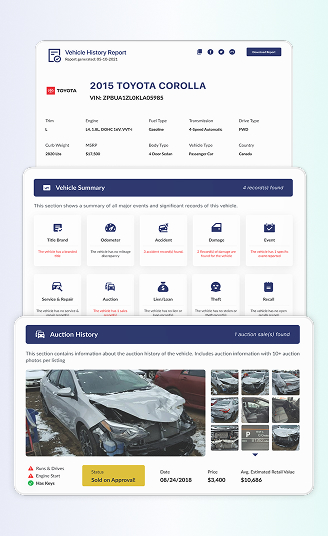
When auction data is available, the report includes listing photos and condition details. These records can help spot signs of flood damage before the vehicle is repaired or resold.
Copart/IAAI Flood Listings
Many flooded vehicles are sold through auctions like Copart and IAAI after being declared a loss. These listings often label cars as flood-damaged and may include details such as location, condition, and extent of water exposure.
Waterline Evidence
Auction photos can reveal waterlines inside the vehicle, such as stains on seats, carpets, or door panels. This visual evidence is a strong indicator of past flooding and is often used in a flood car inspection to confirm damage.
Complete Vehicle Insights Beyond Flood Checks
The water damage check by VIN helps you to examine the complete history of the vehicle. That is why you need to get the full vehicle history report to examine the vehicle’s full information aside from the flood history check.
Vehicle Specifications
Check key details such as country of origin, MSRP, engine size, fuel type, and drivetrain to confirm the vehicle matches its listing.
Theft Records
Search theft databases for reported incidents, including when and where the vehicle was stolen, helping you avoid legal and ownership risks.
Title Brand History
View title brands like “salvage,” “rebuilt,” “flood,” or “lemon” that indicate major events affecting the vehicle’s condition and value.
Service History Records
Review recorded service history, including maintenance dates, locations, and serviced components, to understand how the vehicle was maintained over time.
Odometer Reading
Track recorded mileage over time, including the latest reading and historical records, to help detect inconsistencies or possible rollback issues.
Accident History
Access accident records with reported dates, locations, and frequency to better understand past damage and potential impact on performance.
Auction History
View available auction records, including sale dates, locations, final prices, and photos when available, showing the vehicle’s condition at the time.
Sales Listing History
Track previous listings with sale dates, prices, locations, and photos to understand how the vehicle was marketed over time.
Damage Verification
Identify reported damage from accidents, fire, or other incidents, including less visible issues that may affect the vehicle’s condition.
Warranty Records
Check available warranty details, including coverage type, duration, and mileage limits, to understand any remaining protection on the vehicle.
Why Do You Need to Check Flood History
Flood history can expose serious risks that affect safety, value, and ownership costs. A proper flood damage check helps buyers, sellers, and other parties, like insurance, to avoid hidden damage caused by floods that can be dangerous for the vehicle and passengers.
Buyers
For buyers, checking vehicle flood history is essential before purchase. It helps uncover hidden risks, avoid costly repairs, and ensure the car is safe, reliable, and worth the asking price.
Avoid Hidden Flood Damage
Checking a car’s flood history helps buyers detect water damage that may not be visible during inspection, reducing the risk of buying a car with serious underlying issues.
Make a Safer Purchase Decision
Access to vehicle flood history allows buyers to compare options confidently, avoid high-risk vehicles, and choose a car that meets safety and reliability expectations.
Sellers
It is always important for a seller to check the vehicle history report to see the complete information on the vehicle’s flood history. This step is crucial to preserving listing quality.
Prove No Flood History
A flood check helps sellers demonstrate that the vehicle has no record of water damage, making it more attractive to potential buyers.
Disclosure Required
If a vehicle has flood damage, sellers are often legally required to disclose it. Providing accurate history helps avoid disputes and builds trust during the sale.
Real Story: How a Vehicle Report Helped Spot a Flooded Car
Cara wanted to purchase a used 2008 FORD F-250. Before she decided to purchase the vehicle, she decided to use the Ford flood check by VIN and got the vehicle history report.
What the Flood Check Revealed to Cara
In the report, it is revealed that the car suffered from flood damage and was later sold. There’s no clear explanation whether the damages from the flood were fixed.
Flood Title
On the report, the car is marked as a flood title.
Damage Records
Aside from carrying a flood title, the car also carries damage from salvage and major/minor damage caused by an accident.
Auction History
The car was later sold at an auction whilst carrying a flood title.
The Outcome
Cara decided to call it off because she did not find the damage from the flood was repaird on the service and repair section.
How to Check if a Car Has Flood Damage
Checking a flood damage history is easy with our service. Just follow these three simple steps below to run a quick inspection on a car’s flood history.

Step 1: Find the VIN
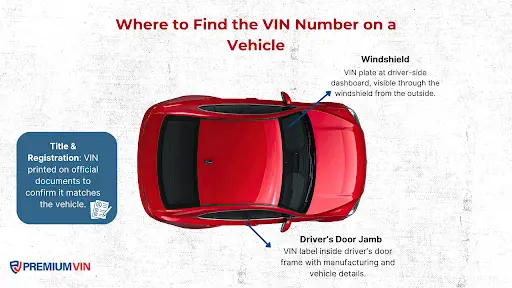
Check on the driver’s side doorjamb or on the documentation to find the VIN. You may ask the seller as well. No VIN? Use the license plate number.

Step 2: Enter the VIN
Click on the form and write down the VIN on the form above. Then, click on the button to submit the form.

Step 3: Get the Vehicle History Report
Examine the preview page to see the market value and snapshot of the vehicle's flood history. Then, proceed to payment to get the full vehicle history report.
Where to Find a Vehicle’s VIN
The Vehicle Identification Number (VIN) is a unique 17-character code used to track a vehicle’s history. It can be found in several locations on the car and its documents, making it easy to run a flood check by VIN.
Dashboard
Look at the lower corner of the windshield on the driver’s side. The VIN is usually visible from outside the vehicle through the glass.
Driver's Door Jamb
Open the driver’s door and check the door frame or pillar. A label or sticker typically displays the VIN along with other vehicle details.
Vehicle Title & Registration
The VIN is printed on official documents such as the vehicle title and registration. This is one of the most reliable places to confirm the correct VIN.
Why Choose PremiumVIN
PremiumVIN provides detailed vehicle history reports that include flood records, title data, and auction insights. It helps buyers and sellers quickly identify water damage and make informed decisions.
Complete Flood Picture
Get a full overview of the vehicle’s flood history, including title brands, insurance records, and past damage related to water exposure.
Flood Photos
Access auction photos that may show visible signs of flooding, such as waterlines, interior damage, or affected components.
Title Washing Detection
Identify cases where flood-damaged vehicles may have had their titles moved across regions to hide previous damage records.
Quick Results
Run a flood check by VIN and receive results within seconds, making it easy to verify a vehicle before buying or selling.
Affordable Report
PremiumVIN offers cost-effective reports, giving access to important flood history details without high fees or long waiting times. With only $25, you will get the vehicle report with complete information.
Verify Vehicle Details in Seconds
Need to confirm important details before buying a used car? Use our vehicle check tools to access accurate records within seconds and make sure everything matches the seller’s claims.
Options Check by VIN
Check a vehicle’s factory options using the VIN. Confirm installed features and specifications.
Fuel Economy
View the expected fuel efficiency for any make and model. Estimate costs and choose a vehicle that fits your daily driving needs.
Trim Package
Different trims come with different features and values. Verify the exact trim level by VIN to ensure the vehicle is priced correctly.
Safety Ratings
Review official safety ratings and test results. This helps confirm the vehicle meets safety standards.
Don’t Risk Buying a Flood-Damaged Car
Use a flood car check to see if the vehicle has a flood title or past water exposure. A simple check of whether the car was flooded can help you avoid costly repairs and long-term problems.
FAQs About the Car Flood Check by VIN
How do I check if a car has flood damage?
To check the car’s flood damage, you can get the vehicle history report by using the VIN. There you can find out if the vehicle was ever damaged due to a flood. You can also inspect the vehicle for rust, musty odors, and mud in hidden areas like under seats, seatbelts, or the spare tire compartment.
Signs such as foggy headlights, faulty electronics, or mismatched carpets can also point to past flooding.
Why are flood-damaged cars so bad?
Flood-damaged cars often develop serious long-term issues. Water can affect electrical systems, cause mold growth, damage the engine, and lead to rust underneath the vehicle. These problems may not appear immediately, making the car unreliable and expensive to maintain over time.
Can a flooded car be repaired?
Yes. A flooded car can sometimes be repaired, depending on how severe the damage is. Minor water exposure may be fixable, but vehicles submerged for long periods are usually declared total losses due to widespread electrical, mechanical, and corrosion issues.
How do flood cars end up for sale?
Flood-damaged cars often re-enter the market after being written off by insurers and sold at auctions. Some sellers repair them cosmetically and resell them, sometimes moving the vehicle across states to hide its history. These cars can appear on listings with no clear warning signs.
Can a flood-damaged car have a clean title?
Yes, a flood-damaged car can end up with a clean title through a process called title washing. This happens when the vehicle is moved to another region where previous damage records may not carry over, allowing a new title to be issued without the flood history.
Should I buy a car that was flooded?
In most cases, buying a flooded car is not recommended. Even if it looks fine, hidden damage can lead to electrical faults, corrosion, mold, and engine problems. These vehicles often bring ongoing repair costs and reliability concerns.
How to tell if a car has been in a flood zone?
To check if a car has been flooded, look for musty smells, waterlines on seatbelts or lights, rust on metal parts, and dirt in hidden areas like under carpets or inside compartments. Unusual electrical behavior is also a common warning sign.
How do you tell if you bought a flood car?
If you suspect you’ve bought a flood-damaged car, check for damp or musty odors, mud in hidden spots, rust on screws, and foggy headlights. Other signs include brittle wiring, water marks in the engine bay, and milky engine oil.