
Wyoming VIN Check for Vehicle History Research
Buying a used vehicle in Wyoming can involve more than comparing prices, mileage, and visible condition. A vehicle may have been titled in another state, sustained damage before arriving in Wyoming, or accumulated records that are not apparent from its current title or appearance.
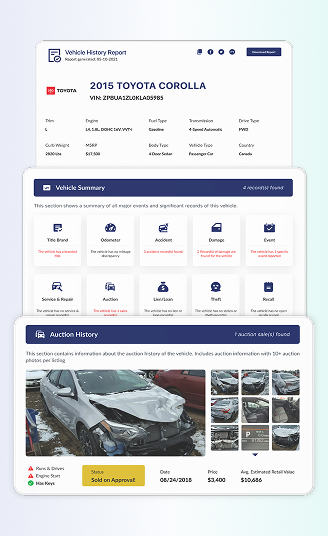
A Wyoming VIN check helps you investigate the information associated with a vehicle identification number (VIN). Depending on the vehicle and the records available, a vehicle history report may contain information about title brands, reported accidents or damage, mileage readings, theft records, recalls, liens, service history, and previous auction or sales activity.
PremiumVIN brings together available vehicle information to help buyers, sellers, dealers, and vehicle owners make more informed decisions. The records returned depend on the vehicle, the VIN entered, and the coverage of the underlying data sources. A report cannot establish every event in a vehicle’s history, and missing information does not prove that a vehicle has never been damaged or had a title issue.
Check a Vehicle's History by VIN in Wyoming
A VIN is an identifier used to distinguish a particular vehicle. For most modern passenger vehicles, it consists of 17 characters, although older vehicles and certain vehicle types can use different identification formats.
Enter the vehicle’s VIN into the PremiumVIN lookup tool to begin investigating its available information.
A vehicle history report can help you examine questions such as:
Does the available record contain a title brand or other title-related information?
Are there reported accident, damage, or insurance-related events?
Do recorded mileage readings show a consistent progression?
Are theft records, recalls, liens, or service records available?
Does the vehicle have documented auction or sales history?
Is there information that warrants further investigation before purchase?
Not every report contains every category. The absence of a particular record means that the information was not found or was unavailable in the searched data; it does not establish that the corresponding event never happened.
Why a Vehicle History Check Matters in Wyoming
A Wyoming title does not tell the entire story
A current certificate of title is an important document, but it should not be treated as a complete account of a vehicle’s history.
The Wyoming Department of Transportation explains that title and lien filings are handled through county clerk offices. It also warns that a vehicle may receive a Wyoming title brand based on information found in the National Motor Vehicle Title Information System (NMVTIS), even when the current title appears to have no brands.
This distinction matters when evaluating a used vehicle. A buyer should consider the available historical records alongside the current title and the seller’s documentation, rather than relying on one document as the sole indication of a vehicle’s past.
A VIN-based history report can provide additional information when matching records are available. For questions about an official Wyoming title or lien filing, contact the appropriate county clerk or the relevant state authority.
Vehicles that have moved between states deserve careful research
A vehicle offered for sale in Wyoming may have spent part of its life in another state. Its previous records may therefore be relevant to a purchase made today.
For example, a vehicle may have been involved in a reported collision, received a title brand elsewhere, or appeared in an insurance or auction record before being transferred to Wyoming. Whether those events appear in a report depends on the records available from the relevant sources.
This is why a buyer should not limit research to the state where the vehicle is currently titled or advertised. Reviewing available history from multiple periods and jurisdictions can help identify questions that deserve further verification.
A missing out-of-state record is not proof that the vehicle has always remained in good condition. If the vehicle’s history is unclear, ask the seller for supporting documents and consider an independent inspection.
Damage can be difficult to judge from appearance alone
A vehicle can look presentable after repairs without revealing the full extent of earlier damage. Conversely, a record of damage does not automatically establish the vehicle’s current mechanical condition or the quality of subsequent repairs.
Available vehicle-history information may help identify reported accidents, damage-related events, insurance records, or auction activity. Photographs may also be available for certain historical listings.
When reviewing such information, consider the event date, the nature of the record, and whether supporting evidence is available. If a report identifies a possible problem, use it as a reason to investigate further rather than treating the record as a substitute for examining the vehicle.
An independent mechanic or qualified vehicle inspector can assess current condition, repairs, and potential mechanical or structural concerns that a history report cannot establish on its own.
Mileage records should be evaluated over time
An odometer reading is most useful when considered alongside other readings and supporting records.
If available mileage records show a progression that appears inconsistent, the difference may warrant further investigation. It could indicate an odometer discrepancy, a data-entry issue, or another circumstance that needs clarification. The available information alone may not establish the cause.
Compare the report with the current odometer, maintenance invoices, inspection records, and any mileage disclosures provided by the seller. A history report containing no mileage discrepancy is not a guarantee that the odometer is accurate.
What Can a Wyoming VIN Check Reveal?
A PremiumVIN Vehicle History Report compiles available information associated with a vehicle. Depending on the vehicle and source coverage, the report may contain the following categories.
Title history and title brands
Title-related records may provide information about designations such as salvage or rebuilt status, where reported. These designations can affect how a vehicle should be evaluated and what additional documentation may be necessary.
Review the exact designation and its source rather than assuming all title brands mean the same thing. When the current title and historical information appear inconsistent, seek clarification from the relevant titling authority before completing a purchase.
Accident and damage records
Available records may identify reported accidents, damage events, or related insurance and auction activity. These records can provide useful context, but they may not capture every incident or explain the vehicle’s current condition.
Ask for repair documentation and arrange an independent inspection when the vehicle’s history raises concerns.
Odometer and mileage history
Historical mileage readings, when available, can help you compare reported values over time. Look for unexplained changes or inconsistencies and compare them with the vehicle’s odometer and supporting maintenance documents.
Theft records
A report may contain theft-related information when matching records are available. A lack of reported theft information is not an official confirmation of the vehicle’s current legal status. If you have a specific concern, verify it with the appropriate authority.
Liens and loan-related records
Available records may contain lien or loan information. These records can help identify matters requiring clarification, but they should not be treated as a definitive statement of current legal ownership or proof that all financial obligations have been settled.
For a transaction involving an outstanding loan or uncertain title status, confirm the necessary details with the relevant title office and lender.
Recalls and service history
A report may contain available recall or service-related information. Record coverage varies, and not every repair or maintenance visit is necessarily documented.
For current recall information, consult the vehicle manufacturer or the National Highway Traffic Safety Administration (NHTSA). For maintenance questions, request invoices and service records from the seller or servicing facility.
Auction and sales history
Historical auction or sales records may provide additional context about how a vehicle was previously offered or described. Photographs may be available for some listings.
Compare any historical descriptions and images with the vehicle you are considering. A previous auction appearance does not by itself establish the extent of damage, the quality of repairs, or the vehicle’s present condition.
How to Use a VIN Check Before Buying a Used Vehicle in Wyoming
A report is most useful when its findings are compared with other evidence. Use the following process to organize your research.

Step 1: Confirm the VIN
Compare the VIN supplied by the seller with the identifier displayed on the vehicle and the VIN recorded on its title and other relevant documents. Investigate any unexplained discrepancy before proceeding.

Step 2: Review the available history
Examine the title-related information, mileage records, reported damage, theft records, and other available categories. Pay attention to dates and whether different records appear consistent with one another.

Step 3: Ask questions about unexpected findings
If a report contains a title brand, mileage inconsistency, damage record, or other concerning detail, ask the seller for an explanation and supporting documentation. Do not assume a discrepancy is harmless without investigating it.
Step 4: Check the title and transaction documents
Review the current title and required transfer documents. Wyoming's titling process may involve additional steps for vehicles previously titled outside the state. Contact the relevant county clerk to confirm the requirements for your specific transaction.
Step 5: Arrange an independent inspection
Have a qualified mechanic or vehicle inspector evaluate the vehicle when appropriate. This is especially important when the vehicle has a reported damage history, unexplained repairs, or signs of structural or mechanical problems.
Step 6: Make the decision using the combined evidence
Consider the report, title documents, inspection findings, seller disclosures, and asking price together. A vehicle history report is one part of due diligence, not a substitute for the entire process.
Wyoming VIN Inspections and Vehicle History Reports Are Different
A VIN inspection and a vehicle history report serve different purposes.
A VIN inspection checks the vehicle identification number displayed on the vehicle. Wyoming’s requirements include certain vehicles titled or registered in another state, as well as specified homemade, rebuilt, reconstructed, and kit vehicles. The precise requirements depend on the vehicle and circumstances.
A vehicle history report, by contrast, compiles available records associated with the VIN. It may help you investigate historical events, but it does not physically inspect the vehicle or certify that the VIN, title, ownership, or mechanical condition is free of problems.
If you are registering an out-of-state vehicle, consult the Wyoming Department of Transportation and the county office responsible for your title or registration. If you are considering buying a used vehicle, a history report and a physical inspection can address different questions and may both be useful.
Where to Verify Wyoming Vehicle Title Information
Wyoming vehicle title and registration questions should be directed to the appropriate government office.
Wyoming Department of Transportation (WYDOT): Consult the state’s official Titles, Plates and Registration page for information about title and lien processes, registration, and NMVTIS-related guidance.
County clerk: Contact the county clerk responsible for the vehicle’s title or lien filing when you need clarification about title documentation or a specific titling matter.
County treasurer: Contact the appropriate county treasurer for standard vehicle registration and license-plate questions.
National Highway Traffic Safety Administration (NHTSA): Use the agency’s official resources to research applicable safety recalls.
Official records and commercial vehicle-history reports serve different purposes. Where a transaction depends on a legal title status, an official filing, or a current recall, verify the relevant information with the responsible authority.
Run a Wyoming VIN Check With PremiumVIN
Before buying a used vehicle in Wyoming, reviewing available history can help you identify questions that may not be answered by a test drive or a conversation with the seller.
PremiumVIN provides vehicle-history reporting alongside vehicle identification and other vehicle-information tools. Depending on the vehicle and available records, a history report may help you investigate title-related information, reported damage, mileage, theft records, recalls, liens, service history, and auction or sales activity.
Enter the VIN to begin your lookup and review the information available for that vehicle.
Use the findings alongside the title, seller documentation, and an independent inspection where appropriate. The goal is not to assume that a report contains every event, but to make a more informed decision based on the evidence available.
FAQs About Wyoming VIN Check
Can I check a vehicle's history by VIN in Wyoming?
Yes. You can use a VIN-based vehicle-history service to investigate available records associated with a vehicle. The information returned depends on the VIN, the vehicle, and the records available from the underlying sources.
What information can a Wyoming VIN check show?
Depending on available records, a vehicle history report may contain title-related information, reported accidents or damage, mileage readings, theft records, liens, recalls, service history, and auction or sales records. Not every category is available for every vehicle.
Does a clean-looking Wyoming title guarantee that a vehicle has never been damaged?
No. A current title is not a complete record of every event in a vehicle’s life. Wyoming’s Department of Transportation specifically warns that a vehicle may receive a title brand based on NMVTIS information even when the current title appears to have no brands. A history report and additional verification may provide useful context, but neither guarantees that every event will be discovered.
Is a VIN check the same as a VIN inspection in Wyoming?
No. A VIN inspection verifies the identifier displayed on a vehicle for applicable administrative or titling purposes. A vehicle history report compiles available historical information associated with the VIN. One does not replace the other.
Can I check a vehicle that was previously titled in another state?
You can investigate available history associated with the VIN, including records from other jurisdictions when those records are available to the reporting service. Coverage is not guaranteed to include every state, event, or period in the vehicle’s history.
Does a vehicle history report prove that a used car has no accidents?
No. A report can show available accident or damage records, but not every event is necessarily reported or matched to the vehicle. An absence of damage records should not be interpreted as proof that the vehicle has never been damaged.
Should I get a vehicle inspection if the history report looks good?
An independent inspection can still be valuable. A history report focuses on available records, while a physical inspection evaluates the vehicle’s current condition. They provide different types of evidence.