
Decode Buick VIN & Get Vehicle Details
Our Buick VIN decoder helps you verify authenticity and vehicle condition. Get accurate specs, title records, and past usage, all in one place, before you buy or sell.
What is the Buick VIN Decoder?
A Buick VIN decoder is a tool that reads the 17-digit Vehicle Identification Number (VIN) and reveals the vehicle’s original factory specifications. A Buick VIN number is a unique code assigned to every Buick vehicle, usually 17 characters long, combining letters and numbers. It works like the car’s identity card, storing details about the model, engine, production year, and more.
Older Buick models (especially classic ones) may have shorter VINs, since the 17-digit standard became common after 1981. PremiumVIN supports both modern and classic formats (5–14 digits), so whether you want to decode a Buick VIN for a new SUV or an old vintage collector car, you’re covered.
What Information Can You Get From a Buick VIN Number?
A Buick VIN decoder helps reveal important factory details about the vehicle using the 17-digit VIN number. Each VIN contains information that identifies the vehicle’s manufacturer, model, engine type, trim level, production year, and factory build details.
By decoding a Buick VIN, you can access information such as:
Manufacturer and Model Information
Manufacturer Details
Verify that the VIN belongs to Buick and confirm manufacturer information under General Motors (Buick is a GM division).
Model Information
Identify the exact Buick model, such as:
SUVs / Crossovers – Enclave, Encore, Encore GX, Envision, Envista
Sedans (discontinued) – LaCrosse, Regal, Regal TourX, Verano, Cascada (convertible)
Classic / Collector – Grand National, GNX, Riviera, Roadmaster, Electra, LeSabre, Park Avenue, Century, Skylark, GSX, Wildcat, Reatta
Engine and Transmission Specifications
Engine Specifications
View engine type, displacement, cylinder configuration, induction method, and power output.
Transmission Details
Verify the original transmission configuration.
Drivetrain and Body Style
Drivetrain
Check whether the vehicle is:
FWD (Front-Wheel Drive) – most Buick sedans (LaCrosse, Regal, Verano) and some SUVs
AWD (All-Wheel Drive) – Enclave, Envision, Encore GX, Regal TourX (wagon), some LaCrosse
RWD (Rear-Wheel Drive) – classic Buicks (Roadmaster, Electra, Riviera, GSX, Grand National)
Body Style
Confirm the body configuration:
SUV / Crossover – Enclave (3-row), Envision (2-row), Encore (subcompact), Encore GX, Envista (coupe-SUV)
Sedan – LaCrosse (full-size, discontinued), Regal (midsize), Verano (compact, discontinued), Cascada (convertible)
Wagon – Regal TourX (discontinued), Roadmaster Estate (classic)
Coupe – Riviera, Reatta, Regal GS (older), Skylark, Grand National
Convertible – Cascada (modern), Reatta (classic), Riviera (classic)
Production Details
Model Year
Verify the production year encoded in the VIN’s 10th character.
Assembly Plant
See where the vehicle was manufactured.
Factory Specifications
Review original manufacturer build details including:
Paint codes (original Buick colors)
Interior trim code
Factory options (sunroof, heated seats, navigation, audio system)
Suspension code (standard vs. sport tuned)
How to Decode a Buick VIN Number
Decoding your Buick VIN is simple and takes less than a minute. Whether you own a modern Enclave or a classic Grand National, the process is the same.

Step 1: Find Your VIN
Find the 17-digit VIN number on the vehicle dashboard, driver-side door jamb, or registration documents.

Step 2: Enter the VIN
Type or paste the full Buick VIN into the decoder tool above.

Step 3: Access Factory Specifications
Instantly view the vehicle's factory specifications, including engine, trim, transmission, and model year.
How to Read a Buick VIN Number
A modern Buick VIN usually has 17 characters, following the standardized format used on road vehicles from the 1981 model year onward. NHTSA explains that the VIN is a 17-character identifier, and GM’s own VIN standards break it into sections that cover the manufacturer, vehicle description, check digit, model year, plant, and production sequence.
WMI (World Manufacturer Identifier)
The WMI means World Manufacturer Identifier. It covers the first three characters of the VIN and tells you the region, manufacturer group, and brand or vehicle type. For Buick, WMIs are tied to General Motors because Buick is a GM brand. Buick itself remains an active GM brand today.
WMI Character Meaning (Example for Buick WMI: 1G4)
This is a commonly seen Buick passenger-car pattern in North American VIN decoding.
- 1 = country/region code, commonly the United States
- G = General Motors
- 4 = brand or vehicle-type identifier used within GM’s WMI structure for Buick passenger vehicles
Small note, because this matters: Buick WMIs can vary by model, market, and vehicle type. So a decoder is safer than guessing.
VDS (Vehicle Descriptor Section)
The VDS means Vehicle Descriptor Section. It usually covers characters 4 through 9. This is the part that describes what kind of Buick you are looking at. GM says these positions can identify things like vehicle line, series, body style, restraint system, engine, and the check digit.
VDS Character Meaning
On Buick vehicles, the exact meaning of VDS characters can change by model year, platform, and market. What stays consistent is the job of the section itself, but most of the layout works like this:
- 4th character = vehicle line or body/GVWR category, depending on passenger car vs SUV/truck
- 5th character = series or chassis detail
- 6th character = body style or series detail
- 7th character = restraint system
- 8th character = engine code
- 9th character = check digit used to validate the VIN mathematically
This is why manual decoding gets messy fast. One letter can change the whole meaning.
VIS (Vehicle Identifier Section)
The VIS means Vehicle Identifier Section. It usually covers characters 10 through 17. GM’s VIN standards say this is where you typically find the model year, assembly plant, and the sequential production number. This is the section that makes one Buick different from another Buick of the same model.
VIS Character Meaning
- 10th character = model year code
- 11th character = assembly plant code
- 12th–17th characters = sequential production number assigned during manufacturing
For buyers, this section helps with identity. For collectors, it can also support production-order discussions.
Supported Buick Models
These are just some of the Buick models people search for most often. PremiumVIN can decode many more Buick variants, years, and even classic VIN lengths where records exist.
Allure
Cascada
Century
Electra
Enclave
Encore
Encore GX
Envision
Envista
LaCrosse
LeSabre
Lucerne
Park Avenue
Rainier
Reatta
Regal
Rendezvous
Riviera
Roadmaster
Skyhawk
Skylark
Somerset
Terraza
Verano
Special
Why Users Trust Our Buick VIN Decoder
People use a Buick VIN decoder because they want clarity, not noise. The point is simple: give users useful answers tied to the VIN, and make those answers easy to understand.
Daily data updates
Vehicle records change. A car can be listed, auctioned, re-registered, repaired, or flagged later. Frequent updates help keep the report more useful for real decisions.
Unlimited free checks
When you are comparing multiple Buicks, one VIN is rarely enough. Unlimited free checks help users screen more than one option before paying for a full report.
High accuracy, cross-checked results
VIN decoding works best when results are cross-checked against structured vehicle data. That reduces mismatch risk and helps users trust what they are reading.
No hidden fees or subscriptions
People hate surprise charges. Fair enough. Clear pricing makes the whole Buick VIN lookup process feel more honest from the start.
Live Chat with VIN Expert
Some users do not just want data. They want help understanding the data. Live chat gives them a way to ask real questions and get a clearer explanation.
24/7 customer support
Questions do not always appear during office hours. Support matters, especially when users are checking a Buick before travel, purchase, or paperwork.
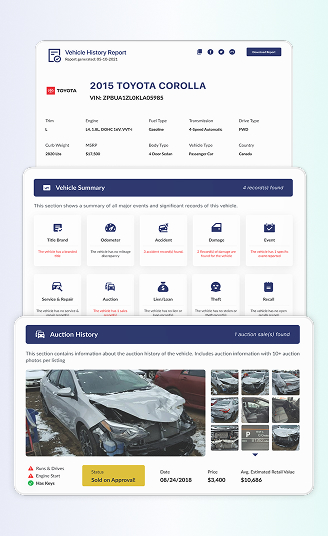
Beyond Specs, Get a Full Buick Vehicle History Report
A basic Buick VIN check can show surface-level details. But when money is involved, surface is not enough.
The PremiumVIN Buick history report goes deeper. It gathers data from multiple verified sources and turns your Buick VIN number into something readable and useful. Think of it like opening the vehicle’s past, piece by piece.
Below is what you will see inside your Buick vehicle history report.
Vehicle Specifications
This is where the Buick VIN decoder really begins. Once you decode the Buick VIN, the system translates the code into real-world details about the vehicle. It helps you confirm if the car you’re looking at actually matches what the seller claims.
Year, Make, Model
This section confirms the exact production year, Buick branding, and model name. It helps avoid simple but costly mistakes, like buying a car that is not what it claims to be.
Trim
Buick vehicles often come in different trims, and sometimes the differences are subtle. This part shows the correct trim level, which matters for features, pricing, and collector value.
Engine Details
The report reveals engine type and configuration. This is useful for maintenance planning and understanding long-term reliability.
Transmission & Drivetrain
You will see whether the Buick uses an automatic or manual transmission, and whether it is front-wheel, rear-wheel, or all-wheel drive.
Title Brand Check
Title records can tell a story, sometimes not a good one. The Buick VIN number decoder checks if the vehicle has any title issues that may affect safety or resale value.
Salvage
A salvage title means the Buick was declared a total loss by insurance. Usually due to a major accident, flood, or heavy damage.
Rebuilt
Some salvage vehicles are repaired and inspected. A rebuilt title means the Buick was restored, but its past still matters.
Lemon
This checks if the Buick had repeated manufacturing defects. Not common, but important if it shows up.
Junk or Scrap Title
This indicates the vehicle is no longer roadworthy. Definitely something you want to know before buying.
Lien / Loan Records
Financial records are often overlooked, but they can cause real problems later. Buying a Buick with an active lien can lead to legal or ownership complications.
Lien Record Identification
This section shows whether a bank or financial institution still has a legal claim on the Buick. It is important to confirm that the lien is cleared before completing any purchase.
Dates and Locations
You will see when and where the lien was recorded. This provides context about when the financing occurred and helps track the vehicle’s financial history more clearly.
Verified Sources
The data is collected from verified financial and government-related databases. This ensures that the information about liens and loans is reliable and not based on incomplete or unverified records.
Accident History
Accidents can change the condition of a vehicle in ways that are not always visible. Even well-repaired damage can still affect long-term safety and resale value.
Number of Accidents Reported
The report shows how many accidents were recorded for the Buick. This gives a quick overview of whether the vehicle has been involved in multiple incidents or remained relatively clean.
Date of Reported Accidents
Knowing when accidents occurred helps you understand whether the damage is recent or from many years ago. This can influence repair quality and current condition.
Reported Accident Location
The location of each accident may also be included. This adds context, such as whether the incident occurred in high-risk traffic areas or under certain environmental conditions.
Odometer Records
Mileage is one of the first things buyers check, but accuracy is even more important. A wrong mileage reading can completely change the value and reliability expectations of the Buick.
Mileage History from Multiple Sources
The Buick VIN lookup collects mileage readings from inspections, registrations, and service records.
Rollback Detection and Alerts
If the mileage suddenly decreases or shows inconsistent patterns, the system flags it. This can indicate possible odometer tampering, which is a serious issue for buyers.
Annual Usage Patterns
By comparing mileage across different years, this section helps you understand how heavily the Buick was used. It shows whether the car had steady use or unusual driving patterns.
Lien / Loan Records
Financial records are often overlooked, but they can cause real problems later. Buying a Buick with an active lien can lead to legal or ownership complications.
Lien Record Identification
This section shows whether a bank or financial institution still has a legal claim on the Buick. It is important to confirm that the lien is cleared before completing any purchase.
Dates and Locations
You will see when and where the lien was recorded. This provides context about when the financing occurred and helps track the vehicle’s financial history more clearly.
Verified Sources
The data is collected from verified financial and government-related databases. This ensures that the information about liens and loans is reliable and not based on incomplete or unverified records.
Accident History
Accidents can change the condition of a vehicle in ways that are not always visible. Even well-repaired damage can still affect long-term safety and resale value.
Number of Accidents Reported
The report shows how many accidents were recorded for the Buick. This gives a quick overview of whether the vehicle has been involved in multiple incidents or remained relatively clean.
Date of Reported Accidents
Knowing when accidents occurred helps you understand whether the damage is recent or from many years ago. This can influence repair quality and current condition.
Reported Accident Location
The location of each accident may also be included. This adds context, such as whether the incident occurred in high-risk traffic areas or under certain environmental conditions.
Ownership Records
Ownership history gives context that you cannot see just by looking at the car. It tells you how the Buick has been used over time and whether it has had a stable or complicated ownership pattern.
Owner Count
Shows how many owners the Buick had. Fewer owners usually mean more consistent care.
Ownership Timeline
This shows how many individuals or companies have owned the Buick throughout its lifetime. A lower number of owners often suggests more consistent care and fewer unknown changes in usage or maintenance habits.
Vehicle Use Type
This shows how many individuals or companies have owned the Buick throughout its lifetime. A lower number of owners often suggests more consistent care and fewer unknown changes in usage or maintenance habits.
Registration Locations
This shows where the vehicle was registered throughout its life. Climate and location matter more than people think, since extreme weather or coastal areas can affect corrosion and overall condition.
Odometer Records
Mileage is one of the first things buyers check, but accuracy is even more important. A wrong mileage reading can completely change the value and reliability expectations of the Buick.
Mileage History from Multiple Sources
The Buick VIN lookup collects mileage readings from inspections, registrations, and service records.
Rollback Detection and Alerts
If the mileage suddenly decreases or shows inconsistent patterns, the system flags it. This can indicate possible odometer tampering, which is a serious issue for buyers.
Annual Usage Patterns
By comparing mileage across different years, this section helps you understand how heavily the Buick was used. It shows whether the car had steady use or unusual driving patterns.
Recalls Check
Manufacturers sometimes discover safety issues after vehicles are already on the road. This section ensures you are aware of any such problems related to the Buick.
Open Recall Information
This shows whether the Buick currently has any unresolved recalls. These issues should be fixed as soon as possible for safety reasons.
Completed Recall Events
This confirms whether previous recall issues were repaired properly. It gives peace of mind that the manufacturer’s recommended fixes were completed.
Manufacturer and Safety Notices
The report may include official notices from Buick, General Motors, or safety agencies. These notices provide additional context about known issues or required repairs.
Stolen Check
This section is simple but extremely important, especially for buyers who want to avoid legal complications after purchase.
Stolen Status Check
The system checks national and international databases to confirm whether the Buick has been reported stolen. This helps prevent buying a vehicle with serious legal issues.
Recorded Theft Incidents
If there are any theft-related records, this section shows when and where they occurred. It gives a clearer picture of the vehicle’s past security concerns.
Service & Maintenance Records
Maintenance history often tells more about a vehicle than its appearance. A well-maintained Buick usually shows consistent service records.
Scheduled Maintenance
This section may include records of routine maintenance such as oil changes, inspections, and regular servicing. These records indicate responsible ownership.
Part Replacements
Important parts replaced during the vehicle’s life may appear here. This helps identify whether major components have already been serviced or replaced.
Major or Minor Repairs
When repair records are available, this section helps you tell the difference between routine upkeep and repeated mechanical trouble. That matters because a Buick with recurring repairs can cost more to own than its asking price suggests.
Inspection Notes
Sometimes inspection reports include notes about vehicle condition, safety concerns, or recommended repairs. These details can provide deeper insight beyond basic records.
Auction & Sales History
Many vehicles pass through auctions or online listings before being sold again. This section helps you understand that part of the Buick’s journey.
Number of Times Listed
This shows how often the Buick has been listed for sale. Frequent listings may indicate issues that caused previous buyers to walk away.
Condition Notes
You can compare how the Buick was described in different listings. Changes in condition descriptions can signal repairs or new issues.
Photos from Past Listings
Older listing photos may appear in the report. These images provide visual evidence of the vehicle’s previous condition, which can be very helpful for comparison.
Who Should Use the Buick VIN Lookup Tool?
A Buick VIN lookup is useful for more than one type of person. Maybe you are buying a used Buick. Maybe you are selling one. Maybe you are the kind of person who still gets excited when someone mentions a clean Regal GS or an old Riviera. Either way, a Buick VIN decoder helps turn guesses into facts.
If you are buying a used Buick, the VIN is one of the first things you should check. Photos can look good. The seller can sound honest. Still, the VIN helps you confirm what the car really is, and what kind of history may be attached to it.
Check title status early
Checking title brands early helps you avoid Buicks with salvage, rebuilt, lemon, or other value-damaging title history.
Review mileage history
Mileage records from different sources help buyers spot unusual jumps, strange gaps, or possible rollback-related odometer warnings.
Review auction and sales activity
Auction history and repeated listings can reveal a more complicated vehicle story than the current advertisement suggests.
For sellers and dealers, a Buick VIN lookup tool makes the sales process cleaner and more believable. It helps answer buyer questions faster, supports accurate pricing, and reduces mistakes that can turn a simple deal into an annoying dispute later.
Verify a vehicle’s value
A clean-history Buick is easier to price confidently, while a rough-history vehicle usually needs more realistic expectations.
Help financing conversations
Clean VIN-based documentation makes financing discussions easier for lenders, buyers, and dealership staff handling paperwork.
Reduce returns and complaints
Better vehicle disclosure before the sale often means fewer disputes, complaints, or uncomfortable conversations afterward.
A Buick VIN decoder for collectors is not only about buying and selling. It also helps verify originality, check rare trim claims, support restoration planning, and keep better records for vehicles that matter beyond ordinary transportation.
Support classic Buick VIN research
Older Buicks may use shorter VIN or chassis formats, so classic-focused decoding support becomes very important.
Keep better ownership records
A saved report helps collectors organize ownership files for insurance, resale planning, or future estate documentation.
Support the auction and show conversations
VIN-backed details help collectors answer questions clearly during auctions, car meets, and Buick enthusiast events.
Sandra’s Buick VIN Check: What She Found
A Buick VIN decoder connects a vehicle to verified records, not assumptions. It allows buyers to confirm identity, review risk factors, and make decisions based on actual data rather than seller descriptions.
Sample Report: W04WH3N50HG009268
Initial Impression
Sandra is considering a 2017 Buick Cascada listed at a reasonable price. The vehicle appears clean, with no obvious issues mentioned by the seller. On the surface, it seems like a straightforward purchase.
Critical Findings
- The vehicle has a salvage title record, which directly affects value and insurability
- Three accident records are reported across different dates and locations
- The vehicle was declared an insurance loss and a total loss after a collision
- A lien/loan record is present, indicating a possible financial obligation
- Damage records include major collision-related incidents with repair details
- The vehicle was sold at auction with reported damage, priced significantly lower than the typical market value
Outcome
Sandra does not treat these records as separate issues. She reads them together: salvage title, insurance loss, multiple accidents, lien history, and auction sale. That combination changes the Buick from a normal used-car prospect into a higher-risk purchase that needs deeper inspection, lower pricing, or a walk-away decision.
Lessons Learned
A Buick can appear clean but still carry a serious history.
A Buick VIN lookup helps buyers like Sandra identify hidden risks early and avoid paying full value for a compromised vehicle.
For a buyer like George, the VIN report supports a more informed and professional buying decision.
Free Buick VIN Decoder vs Full Vehicle History
A free Buick VIN decoder gives you a quick identity check. A premium history report goes much further and helps reduce risk, confusion, and expensive surprises.
| What You Can Check | Free Buick VIN Decoder (Quick Check) | Premium Buick Vehicle History Report (Full Report) |
|---|---|---|
| Buick year, model, and make | ✓ Confirms basic identity | ✓ Fully confirmed with production details |
| Basic Buick specs (engine, body, trim) | ✓ General specifications | ✓ Complete factory specifications |
| Title status (e.g., salvage, rebuilt, lemon) | Basic status hint only | ✓ Full title brand history |
| Accident history check | Not available | ✓ Detailed accident records when reported |
| Mileage and odometer records | Not available | ✓ Multiple recorded mileage entries |
| Odometer rollback/mileage inconsistency checks | Not available | ✓ Rollback flags and inconsistency alerts |
| Auction history and photos | Not available | ✓ Auction listings and images when available |
| Online listings and advertised sales | ✓ Current listing snapshot (when available) | ✓ Listings and advertised sales records |
| Timeline of previous listings and sales | Not available | ✓ Timeline of past listings and sale activity |
| Sales listings records & photos | Not available | ✓ Listing records and photos (when available) |
| Buick market value estimate | Not available | ✓ Value estimates and pricing ranges |
| Number of previous owners | Not available | ✓ Owner count (when available) |
| Past vehicle use (private, rental, fleet, commercial) | Not available | ✓ Use-type indicators when reported |
| Outstanding loans or lien records | Not available | ✓ Lien/loan flags when reported |
| Stolen vehicle check | Limited check | ✓ Detailed theft records if reported |
| Flood, fire, or hail damage indicators | Not available | ✓ Damage-event indicators when reported |
| Reported service or repair history | Not available | ✓ Service/repair records (when available) |
| Recall and warranty information | Limited overview | ✓ Recall history and basic warranty status |
| Downloadable PDF report | X Not included | ✓ Yes, easy-to-save PDF |
| Best suited for | Quick Buick VIN lookup and early screening | Buyers, sellers, collectors, and serious checks |
How to Get a Buick Vehicle History Report by VIN Number Lookup
Getting a Buick vehicle history report by VIN is simple. You do not need to memorize VIN charts or decode every character by hand. Just follow the process below:
Step 1: Enter Your VIN
Type or paste the Buick VIN into the lookup box carefully. One wrong character can break the result.
Step 2: Review the Preview
In seconds, you will see the free preview of the Buick identity. This helps confirm the Buick’s identity and basic specs before going deeper.
Step 3: Get the Report
Upgrade when you need the full history, including title, accident, mileage, auction, theft, lien, recall, and more.
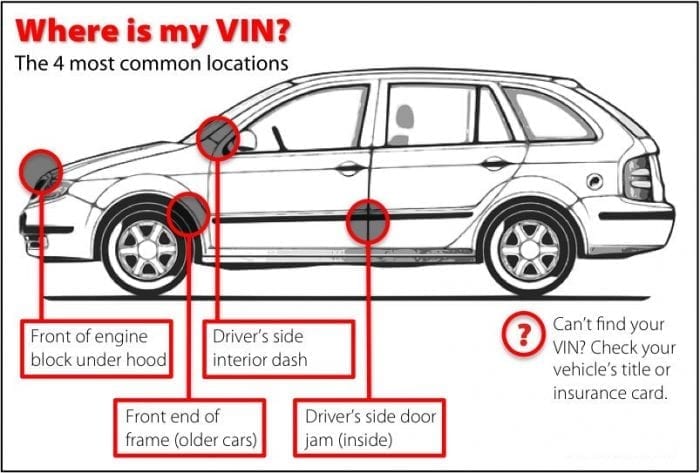
Where to Find the Buick Vehicle Identification Number?
The VIN is usually easier to find than people think. See some of the common places below:
Dashboard
Look at the lower driver-side corner where the dashboard meets the windshield. It is usually easiest to read from outside the vehicle.
Driver’s door frame
Open the driver’s door and check the sticker or label on the door frame or doorjamb.
Engine Bay
In some models, the VIN may be stamped on the firewall or the engine block.
Service Records
The VIN is typically included on invoices from Buick dealerships or service centers.
Registration papers
The VIN is commonly printed on registration documents.
Insurance card
You can also find the VIN on the Buick insurance documents.
Explore Other Buick VIN Search Tools
See other Buick tools below. Sometimes a full VIN report is the right move. Sometimes you need one focused tool first.
A Buick window sticker (Monroney label) helps you see how the vehicle was originally configured when new. That can include trim, standard, and optional equipment, engine details, colors, and factory features. It is useful when a listing feels vague, when a seller mixes trims, or when you want to compare two similar Buicks more fairly.
A Buick recall check helps you search for open safety recalls tied to the VIN. These tools show whether a specific vehicle is affected by an open safety recall. That matters because recall repairs are safety-related, and open recalls should be repaired for free by an authorized dealer.
A Buick license plate lookup is useful when you do not have the VIN yet. It can help you start early research from a listing, a parked car, or a paper trail that only shows the license plate.
A Buick title check focuses on legal and branding issues tied to the vehicle’s ownership history. It helps flag things like salvage, rebuilt, lemon, junk, or other title events that can change the value and the risk level of the car.
Buick History, Heritage, and Brand Facts
Buick is one of the oldest surviving American automotive brands, and it operates under General Motors today. Buick’s current U.S. lineup focuses on SUVs and crossovers, while the brand’s older history includes sedans, coupes, convertibles, and some genuinely memorable classics.
The Brief History of Buick
Buick has been around for more than a century, and Buick itself highlighted its 120th anniversary in an official brand story. That long history is part of why the brand still has emotional pull with older buyers, collectors, and long-time GM fans.
- Parent company: Buick is part of General Motors.
- Brand status: Buick is not discontinued and still sells new vehicles today.
- Current U.S. focus: Buick’s U.S. lineup is centered on SUVs and crossovers.
- Heritage badge: Buick’s tri-shield logo has a long brand history of its own.
- Collector appeal: Cars like the GNX helped give Buick a serious performance legacy.
Decode Your Buick VIN Now
Type in the VIN, check the basics in seconds, and move to the full history when you need stronger proof. Simple, direct, useful.
Frequently Asked Buick VIN Questions
Where to find VIN on Buick?
The VIN is usually found on the lower driver-side windshield area, the driver-side doorjamb, or on registration and insurance documents. Buick support also says it may appear in your diagnostics email.
How to look up GM VIN?
The easiest way is to enter it into our Buick VIN lookup tool. For basic decoding, VIN tools read the 17-character structure.
Can I look up my car VIN online?
Yes. Our online Buick VIN number decoder tool lets you check a Buick VIN online for core identity details, and a premium report adds deeper history when available.
What do the first 3 digits of a VIN mean?
They are the WMI, or World Manufacturer Identifier. This section identifies the manufacturer and region. For Buick, the first three characters tie the vehicle to GM-related manufacturer coding.
What is the 5th digit of the VIN number?
That depends on the manufacturer and vehicle type. In GM’s VIN standards, the 5th position can designate the series on passenger cars, or the chassis on MPVs and light trucks.
Can I find my VIN number without my car?
Yes. The VIN may also appear on registration and insurance documents, and Buick support says it may show in your monthly diagnostics email as well.
Is a GM VIN decoder free to use?
Yes. Our basic VIN decoding is free. Our free Buick VIN decoder is meant for quick screening and identity checks. Full vehicle history reports are more detailed and usually part of the paid option.
What is the 8th digit of the GM VIN?
On GM VIN standards, the 8th position generally designates the engine. That makes it useful when you want to confirm whether the Buick matches the claimed powertrain.
Can the VIN show if my Buick was part of a rental fleet?
Yes. Upgrade your basic decoding to a premium history report, and you will see the recorded vehicle use type when that data is recorded.
How to check if my Buick is part of an airbag recall by VIN?
Use our Buick VIN tool for quick support, then upgrade to see the recorded data, whether a specific Buick vehicle has an open safety recall, and repairs for open recalls are free.
Is a Buick VIN Decoder available for older Buick models?
Yes. PremiumVIN can support many classic Buick VIN formats, including shorter pre-1981 identifiers where records exist. That matters because the 17-character standard applies to modern vehicles, not all older ones.
What is a VIN and why is it important?
A VIN is the vehicle’s unique identification number. It is a 17-character number that encodes specific information about the vehicle and can be used to identify it in official systems.