
Free Eagle VIN Decoder for Vehicle Details & Specs
Old Eagle vintage vehicles can be tricky. Records are scattered, details get lost, and what looks like a clean car today might have a very different past. That’s where an Eagle VIN decoder becomes more than just a tool. It becomes your safety check before making a decision.
What is the Eagle VIN Decoder?
An Eagle VIN decoder is a free online tool that translates your vehicle’s unique identification code into clear, readable factory specifications. An Eagle VIN number is the unique ID code assigned to every Eagle vehicle. It tells the story of the car, quietly, in 17 characters (sometimes fewer for classic models). Because Eagle vehicles were produced during a transition era, some older units may not follow the modern VIN format.
With the Eagle VIN lookup tool from PremiumVIN, you don’t need to decode it manually. Just enter the VIN, and it will show key details like specs, ownership, accident records, and more, even for classic Eagle VINs (5–14 digits).
What Can You Learn from Our Eagle VIN Decoder?
Using our Eagle VIN number decoder gives you immediate access to the vehicle’s core factory build data. Here is the essential information you can uncover.
Year, Make & Model
Instantly confirm the exact production year, the Eagle brand, and the specific model (e.g., Talon, Summit, Vision). This foundational check helps ensure the vehicle’s identity matches its paperwork, which is crucial for a discontinued brand.
Body Type
Understand the fundamental layout, confirming whether it’s a coupe, sedan, or wagon.
Engine Details
The VIN decoding process reveals engine type and configuration. This matters for maintenance, performance expectations, and long-term ownership planning.
Transmission & Drive Type
The report identifies whether the Eagle vehicle uses an automatic or manual transmission, along with drivetrain details like AWD or FWD.
Trim
Some Eagle vehicles came with different trims or packages. The report shows these variations so you understand the original configuration.
Fuel Type
You will see whether the vehicle runs on gasoline or another fuel type, which helps estimate running costs and usage.
Number of Doors
Confirm the number of doors the car was built with, which is a key identifier for different body styles.
Estimated Market Value
View an estimated market value based on condition (outstanding, clean, average, rough), providing a useful benchmark for pricing and negotiation.
Benefits of Using an Eagle VIN Decoder
An Eagle VIN decoder is a practical first step for anyone dealing with these classic vehicles. From buyers and sellers to collectors and mechanics, accurate factory specifications provide a solid foundation for any transaction or restoration.
If you are planning to buy an Eagle vehicle, especially a used or classic one, a VIN check becomes very important. These cars are older, and records are sometimes incomplete. A simple Eagle VIN check can help you avoid mistakes that are expensive and frustrating later.
Confirm Vehicle Specifications
Using an Eagle VIN number decoder, you can confirm engine type, trim, and production details, ensuring the vehicle matches what the seller claims.
Verify the Engine and Drivetrain
The VIN reveals the original engine configuration and transmission as built at the factory. This helps you spot mismatches between the seller’s claims and the car’s true specifications.
Understand the Car's Original Configuration
Knowing the factory build, including body type and optional equipment helps you assess the car’s authenticity and compare it accurately to other vehicles.
If you are selling an Eagle vehicle, transparency builds trust. Buyers today often run their own Eagle VIN lookup, so it is better to stay ahead and provide clear information from the beginning.
Build Buyer Confidence
Providing a verified Eagle VIN check shows honesty and reduces hesitation from potential buyers who may otherwise doubt the vehicle’s history.
Price Vehicles Accurately
Knowing the exact engine, transmission, and trim lets you justify your price with data, moving beyond rough market estimates for a rare vehicle.
Create Detailed, Accurate Listings
Using factory specifications allows you to write precise listings that attract serious buyers and reduce repetitive questions.
Accurate vehicle specifications are essential for insurance companies to price policies accurately and handle claims efficiently for these older vehicles.
Calculate Accurate Premiums
A VIN lookup confirms safety features, engine specs, and trim level, the key factors that influence insurance premium calculations.
Detect Insurance Fraud
Verifying VIN details helps insurers catch mismatched or falsified vehicle information before a fraudulent policy is issued.
Streamline Claims Processing
An accurate factory data check reduces manual verification, speeding up new policy issuance and claims processing.
Knowing the exact factory specification is crucial for getting the right parts for an Eagle. A VIN check removes all the guesswork.
Source the Exact Right Parts
The VIN identifies the specific engine, transmission, and chassis configuration, ensuring parts suppliers provide the correct components.
Reduce Costly Return Errors
Ordering the wrong parts wastes time and money. Checking the VIN before ordering dramatically reduces mismatched components.
Write Faster, More Accurate Estimates
Mechanics can instantly access factory specs to build repair estimates without spending extra time manually researching each Eagle’s exact configuration.
How to Read Eagle VIN Number
Understanding the VIN structure might feel a bit technical at first. But once you break it down, it actually makes sense. Each part of the VIN tells a specific story about the vehicle.
WMI (World Manufacturer Identifier)
The WMI is the first three characters of the VIN. It identifies the manufacturer and origin of the vehicle. For Eagle vehicles, this part connects back to AMC or Chrysler, depending on the production period.
WMI Character Meaning (Example WMI: 1E4)
- Character 1 (1) = Country of manufacture (United States)
- Character 2 (E) = Manufacturer identifier (Eagle / Chrysler group)
- Character 3 (4) = Vehicle type or division classification
VDS (Vehicle Descriptor Section)
The VDS is the next six characters of the VIN. It describes the vehicle’s key features such as body type, engine, and model configuration. This is where most technical details are encoded.
VDS Character Meaning
- Characters 4–5 = Model or body type
- Character 6 = Engine type
- Character 7 = Restraint system or safety features
- Character 8 = Series or trim level
- Character 9 = Check digit for validation
Note: exact VDS can vary by model, market, and production era. That’s why running a free Eagle VIN decoder tool makes it easy to know the meaning behind the full VIN, not just guess from the badge.
VIS (Vehicle Identifier Section)
The VIS means Vehicle Identifier Section. It usually covers characters 10 through 17. This is the section that helps identify the individual vehicle. It commonly includes the model year, plant code, and production sequence. If you are trying to separate one International truck from another, this is where the VIN becomes very specific.
VIS Character Meaning
- Character 10 = model year code
- Character 11 = plant code
- Characters 12-17 = serial or sequential production number
How to Use Our Eagle VIN Decoder?
Getting your Eagle VIN lookup results is a straightforward process, taking only a few seconds. Follow these simple steps.

Step 1: Enter the VIN
Enter the Eagle's VIN into the form at the top of the page. Our tool supports both modern 17-character VINs and many classic shorter formats. You can also search using your license plate number instead.

Step 2: Decode Eagle VIN Number
Click submit to instantly view the year, make, model, engine, trim, transmission, and more factory details. This basic VIN check is completely free.

Step 3: Upgrade to VIN Report
Buying a used Eagle? Upgrade your search to get the full vehicle history report and reveal any hidden issues like accidents, title brands, and ownership records.
Where to Find Eagle Vehicle Identification Number?
Before you run an Eagle VIN decoder, you need to locate the VIN. It’s usually not hard, but if you’re new to this, it can feel a bit confusing at first.
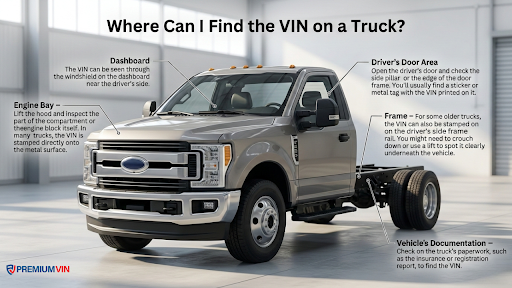
Here are the most common places to check:
Dashboard
Look at the lower corner of the windshield on the driver’s side. The VIN is usually visible from outside the car, printed on a metal plate.
Driver’s Door Frame
Open the driver’s door and check the side of the door frame. There is often a sticker or plate with the VIN and other vehicle details.
Engine Bay
Some Eagle vehicles have the VIN stamped inside the engine compartment. This can help verify authenticity if you’re double-checking.
Vehicle Documents
You can also find the VIN on official documents like registration papers, insurance cards, or title certificates.
Under the Hood or Firewall
Older Eagle models may have VIN stamps on the firewall or near the hood latch area. This is useful for classic vehicle verification.
Easily Decode ALL Popular Eagle Models
You can decode different trims and variations across production years.
2000 GTX
MEDALLION
PREMIER
Summit
Talon
Vision
VISTA
Why Users Trust Our Eagle VIN Decoder
When it comes to checking an Eagle vehicle, trust matters. Especially because the brand is discontinued and information can be limited or unclear. Our Eagle VIN decoder is built to reduce that uncertainty and give you reliable, easy-to-understand results.
Most comprehensive database coverage
Our system pulls data from multiple verified sources, combining them into one report. This helps provide a broader and more complete view of the Eagle vehicle’s history.
High accuracy, cross-checked results
Each data point is compared across sources to improve accuracy. This reduces the risk of incorrect or misleading information in the report.
No hidden fees or subscriptions
There are no surprise charges or ongoing subscriptions. You only pay for full reports when needed, keeping the process simple and transparent.
Live Chat with VIN Expert
If something in the report feels confusing, users can connect with a VIN expert for clarification. This adds an extra layer of support and confidence.
Unlimited free checks
You can run multiple Eagle VIN lookup searches without limits for basic decoding, making it accessible for both casual users and serious buyers.
Downloadable PDF
Reports can be downloaded as PDF files, making it easy to save, share, or review later when making decisions.
Need Past Records? Get Eagle Vehicle History Report
A simple Eagle VIN decoder only shows basic specs. But with older Eagle vehicles, that is rarely enough. Records can be incomplete, inconsistent, or even misleading.
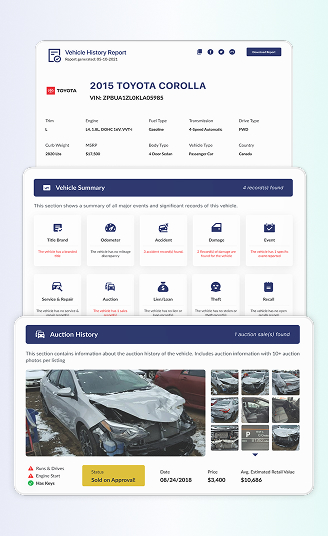
The PremiumVIN Eagle VIN check connects multiple verified data sources, helping you see not just the specs, but the real condition, ownership risks, hidden history behind the car, and whether its story matches what the seller says.
Let’s walk through it.
Vehicle Specifications
This is where your Eagle VIN decoder starts making sense of the code. It translates the VIN into real-world details so you can confirm the car’s identity.
Year, Make, Model
You will see the official production year, Eagle branding, and exact model. This helps confirm that the vehicle matches what is being advertised.
Trim
Some Eagle vehicles came with different trims or packages. The report shows these variations so you understand the original configuration.
Engine Details
The VIN decoding process reveals engine type and configuration. This matters for maintenance, performance expectations, and long-term ownership planning.
Transmission & Drive Type
The report identifies whether the Eagle vehicle uses an automatic or manual transmission, along with drivetrain details like AWD or FWD.
Fuel Type
You will see whether the vehicle runs on gasoline or another fuel type, which helps estimate running costs and usage.
Title Brand Check
Title branding is one of those things people overlook until it’s too late. The Eagle VIN number decoder helps you catch these early.
Salvage
A salvage title means the vehicle was declared a total loss by an insurer, usually after major damage. In many cases, this can reduce the vehicle’s market value significantly and make insurance or resale more difficult.
Rebuilt
Rebuilt vehicles were once salvage but repaired and inspected. Still, they carry a history that affects value.
Lemon
If the vehicle had repeated issues and was returned under warranty, it may be labeled as a lemon. Not common, but worth checking.
Junk Title
A junk title usually means the vehicle is not roadworthy anymore. This is critical information before buying.
Flood, Fire, or Hail Brands
The report checks environmental damage records that can impact safety and durability over time.
Lien / Loan Records
Financial records are often ignored, but they can create serious problems during ownership transfer. This section helps prevent that.
Lien Record Identification
The report identifies whether a bank or financial institution has placed a lien on the Eagle vehicle. This means someone else may still have legal rights over the car.
Dates and Locations
You will see when and where the lien was recorded. This provides context about the financial history and helps determine whether the lien is recent or already resolved.
Verified Sources
The data comes from verified public and financial databases. This ensures that the information is based on official records rather than assumptions or incomplete data.
Risk Indicators
Outstanding liens can delay or prevent ownership transfer. This section helps you understand the risks involved before buying the vehicle, so you can avoid unexpected legal complications.
Accident History
Even if a vehicle looks clean, its past may tell a different story. This section helps you uncover that.
Number of Accidents Reported
The report shows how many accidents were officially recorded for the Eagle vehicle. This helps you quickly assess whether the car has a history of incidents.
Date of Reported Accidents
Knowing when accidents occurred helps you understand whether the damage is recent or happened many years ago, which can influence repair quality and current condition.
Reported Accident Location
The location of each accident is also included. This gives context about the event and may help you understand the severity or type of damage involved.
Severity Indicators
Some reports include notes about the extent of damage or repairs. This helps buyers evaluate whether the vehicle experienced minor cosmetic issues or more serious structural problems.
Damage Check
Not all damage is recorded as an accident. Some issues happen quietly and still affect the vehicle.
Fire Damage
The report checks for fire-related damage, even when it was not officially classified as an accident. Fire damage can impact electrical systems and overall safety.
Flood Damage
Flood exposure can damage internal components, especially electronics. Even after repairs, this type of damage can lead to long-term reliability issues.
Dent and Scratch Damage
Minor damage like dents or scratches may seem small, but they still affect value and appearance. The report helps you understand the vehicle’s cosmetic history.
Hail Damage
Hail damage is tracked when reported and can affect body panels and paint condition. This is especially relevant in regions with frequent storms.
Structural Damage
If structural or frame damage is recorded, it will appear here. This is one of the most important factors when evaluating safety and long-term usability.
Auction History
Some vehicles go through auctions before reaching private buyers. This section shows that journey.
Auction Date and Location
You will see when and where the Eagle vehicle appeared in auction listings. This helps track its movement across different markets.
Sale Price
Auction price data provides insight into the vehicle’s past market value and helps you compare it with current pricing.
Condition Notes
Auction listings often include notes about the vehicle’s condition, including visible damage or mechanical issues.
Run & Drive Status
Some auction records indicate whether the vehicle was operational at the time. This helps assess its condition during that period.
Photos from Auction
In some cases, auction photos are included. These images can show the vehicle’s past condition, offering a more complete understanding of its history.
Recalls Check
Safety recalls are issued for a reason. Ignoring them is not a good idea.
Open Recall Information
The report lists any recalls that are still unresolved. This helps you understand what issues still need attention before the vehicle is considered safe.
Completed Recall Events
You will also see whether past recalls were already repaired. This gives reassurance that known issues were addressed by authorized service centers.
Manufacturer and Safety Agency Notices
Recall information may come from manufacturers like Chrysler or official safety agencies. This ensures the data is reliable and relevant.
Stolen Check
This is one section you really should not ignore. It can save you from serious trouble.
Stolen Status Check
The system checks national and international databases to confirm whether the Eagle VIN has been reported stolen. This helps protect buyers from legal risks.
Recorded Theft Incidents
If the vehicle was reported stolen in the past, the report may show when and where the incident occurred, giving a clearer timeline.
Recovery Records
In some cases, stolen vehicles are recovered. The report may include this information, helping you understand the full situation before making a decision.
Ownership Records
Ownership history helps you understand how the Eagle vehicle has been used over time. Sometimes it tells a calm story, sometimes a more complicated one. Either way, it gives useful context beyond what you see in photos.
Owner Count
The report shows how many individuals or entities have owned the Eagle vehicle. A lower number of owners often suggests more stable usage, while frequent ownership changes may raise questions about reliability or condition.
Ownership Timeline
This section presents a timeline of ownership changes, including how long each owner kept the vehicle. It helps you understand whether the car stayed with one owner for years or changed hands frequently.
Vehicle Use Type
The VIN report may indicate whether the Eagle vehicle was used for personal driving, commercial purposes, or fleet operations.
Registration Locations
You will see where the vehicle was registered over time. This can give insight into environmental exposure, such as cold climates, coastal areas, or regions with heavy road salt usage, that may affect the condition.
Usage Patterns
Some reports provide insight into how the vehicle was used over time. This helps you understand whether it was lightly driven, heavily used, or maintained under consistent conditions.
Odometer Records
Mileage is one of the most important factors when evaluating a vehicle, but it is also one of the easiest to manipulate. That’s why this section exists.
Mileage History from Multiple Sources
The Eagle VIN lookup collects mileage records from inspections, registrations, and service entries. This creates a timeline that helps verify whether the reported mileage is accurate and consistent.
Rollback Detection and Alerts
If the system detects a sudden drop or inconsistency in mileage records, it will flag it. This is important because odometer rollback is a serious issue that can mislead buyers about the vehicle’s actual condition.
Annual Usage Patterns
By comparing mileage records year by year, the report shows how frequently the Eagle vehicle was driven. This helps you understand whether it experienced heavy use or more moderate driving conditions.
Consistency Checks
The report compares mileage data across different sources and time periods. If numbers do not align logically, it provides alerts, helping you identify potential discrepancies before making a decision.
Free Eagle VIN Decoder vs Full Vehicle History Report
A free VIN lookup gives you basic identity, but not the full story behind the vehicle.
| What You Can Check | Free Eagle VIN Decoder (Quick Check) | Premium Eagle Vehicle History Report (Full Report) |
|---|---|---|
| Eagle year, model, and make | ✓ Confirms basic identity | ✓ Fully confirmed with production details |
| Basic Eagle specs (engine, body, trim) | ✓ General specifications | ✓ Complete factory specifications |
| Title status (e.g., salvage, rebuilt, lemon) | Basic status hint only | ✓ Full title brand history |
| Accident history check | Not available | ✓ Detailed accident records when reported |
| Mileage and odometer records | Not available | ✓ Multiple recorded mileage entries |
| Odometer rollback/mileage inconsistency checks | Not available | ✓ Rollback flags and inconsistency alerts |
| Auction history and photos | Not available | ✓ Auction listings and images when available |
| Online listings and advertised sales | ✓ Current listing snapshot (when available) | ✓ Listings and advertised sales records |
| Timeline of previous listings and sales | Not available | ✓ Timeline of past listings and sale activity |
| Sales listings records & photos | Not available | ✓ Listing records and photos (when available) |
| Eagle market value estimate | Not available | ✓ Value estimates and pricing ranges |
| Number of previous owners | Not available | ✓ Owner count (when available) |
| Past vehicle use (private, rental, fleet, commercial) | Not available | ✓ Use-type indicators when reported |
| Outstanding loans or lien records | Not available | ✓ Lien/loan flags when reported |
| Stolen vehicle check | Limited check | ✓ Detailed theft records if reported |
| Flood, fire, or hail damage indicators | Not available | ✓ Damage-event indicators when reported |
| Reported service or repair history | Not available | ✓ Service/repair records (when available) |
| Recall and warranty information | Limited overview | ✓ Recall history and basic warranty status |
| Downloadable PDF report | X Not included | ✓ Yes, easy-to-save PDF |
| Best suited for | Quick Eagle VIN lookup and early screening | Buyers, sellers, collectors, and serious checks |
What James Found in the Eagle Premium VIN Report
At first, decoding a VIN might feel like an extra step. Maybe even unnecessary. James thought the same thing when he found a 1996 Eagle Talon listed at a very low price. It looked decent in photos, and the mileage seemed low.
But instead of rushing, he decided to run an Eagle VIN lookup. And that changed everything.
Sample Report: 4E3AL54F4TE246735
Initial Impression
James found a 1996 Eagle Talon TSI with around 49,000 miles. It looked like a rare find. Low mileage, AWD, and a fair price. The seller said it ran fine, and nothing seemed too concerning at first glance.
Critical Findings
- The vehicle had a branded title with a junk record, which already lowered its value significantly
- There was 1 recorded accident, reported in 2018, in the Midwest region
- The car showed 2 damage-related records, including auction junk and recycling facility entries
- Auction data revealed it was sold for only $275, far below its retail value of $3,895
- The primary damage was front-end, with estimated repair costs over $8,000, which is very high
- The vehicle was later marked as scrapped and sent to a recycling facility, meaning its condition was far worse than expected
Outcome
After reviewing the full Eagle VIN check, James decided not to continue with the purchase. The risks were too serious, and the car’s history did not match the clean image shown in the listing.
Lessons Learned
This is the part that really matters.
James realized that a car can look fine on the outside, but the real story is hidden in the records.Our Eagle VIN decoder helped him avoid a bad deal, saving money and stress.
Sometimes, it’s not about finding the perfect car. It’s about avoiding the wrong one.
Explore Other Eagle VIN Search Tools
If you’re already checking an Eagle VIN number decoder, you might want to go a bit further. There are a few related tools that can give you even more context about the vehicle. See other Eagle tools below.
An Eagle window sticker lookup shows the original factory details of the vehicle when it was first sold. This includes MSRP, factory options, engine specs, and installed features.
An Eagle recall check helps you identify any safety-related issues that were officially reported by the manufacturer. Even though Eagle is discontinued, recall data may still exist in records.
If you don’t have the VIN, an Eagle license plate lookup can still help you access vehicle information. It connects plate data to vehicle records where available. This is useful when you see a car in person or online but don’t have full details yet.
An Eagle title check focuses specifically on the legal status of the vehicle. It helps identify whether the car has a salvage, rebuilt, or junk title. This is important because title issues directly affect value, insurance eligibility, and resale potential.
Eagle Car Brand Facts and History Overview
Eagle is not like most car brands. It has a short history, a unique identity, and honestly, a bit of mystery around it. That’s part of why people are still interested today.
The Brief History of Eagle
Eagle was introduced by Chrysler after acquiring AMC in the late 1980s. It was designed to continue AMC models while positioning them under a new brand name.
- Eagle vehicles were known for early AWD systems in passenger cars
- The Eagle Talon became one of the more recognized models
- The brand was discontinued in the late 1990s
Even though Eagle no longer exists, many of its vehicles are still owned by enthusiasts and collectors today.
Decode Your Eagle VIN Now
Enter your Eagle VIN and see the vehicle history in seconds. No guessing, just real data.
Frequently Asked Eagle VIN Questions
What happened to Eagle car brand?
Eagle was a Chrysler brand created after AMC was acquired, but it was discontinued in the late 1990s. You can still use our Eagle VIN decoder to check any Eagle vehicle today.
Does Eagle still exist?
No, Eagle is no longer active. However, many Eagle vehicles are still available, and our Eagle VIN lookup helps verify their history.
Can a Eagle VIN Lookup identify the engine and trim level?
Yes, our Eagle VIN number decoder can identify engine type, trim, and other specifications from the VIN data.
Is a Eagle VIN Lookup available for older Eagle models?
Yes, PremiumVIN supports both modern and classic Eagle VINs, including those with fewer than 17 characters.
How accurate is free VIN decoder?
Free VIN decoders provide basic details, but for full accuracy and deeper insights, a premium Eagle VIN report is recommended.
Can I get vehicle history?
Yes, our tool provides detailed vehicle history reports, including accidents, ownership, and damage records when available.