
Lamborghini VIN Decoder – Check Vehicle Details by VIN
Not sure what your Lamborghini really is? Use our Lamborghini VIN decoder to quickly identify your car’s year, trim, and factory details. For deeper history, like accidents or liens, upgrade to unlock it.
What Is a Lamborghini VIN Decoder?
A Lamborghini VIN decoder is a tool that reads the 17-digit Vehicle Identification Number (VIN) and reveals the vehicle’s original factory specifications. Every Lamborghini VIN contains encoded details about the vehicle’s engine, trim, drivetrain, body style, model year, and production plant.
A Lamborghini VIN (Vehicle Identification Number) is basically the Lamborghini ID code. Most modern vehicles (including Lamborghini) use a 17-character VIN, made up of letters and numbers, and it stays with the vehicle for life.
If it’s older (classic territory), VIN formats can be shorter and less standardized, because the U.S. standard 17-character format became widely required starting with the 1981 model year.
PremiumVIN supports modern 17-digit VINs and classic Lamborghini VINs (5–14 digits) too. So, you can still get the available vehicle report and see the recorded important information on it, such as the auction & sales records, accident & damage records, lien/loan history, stolen records, and many more
What Information Can You Get From a Lamborghini VIN Number?
A Lamborghini VIN decoder helps reveal important factory details about the vehicle using the 17-digit VIN number. Each VIN contains information that identifies the vehicle’s manufacturer, model, engine type, trim level, production year, and factory build details.
By decoding a Lamborghini VIN, you can access information such as:
Manufacturer and Model Information
Manufacturer Details
Verify that the VIN belongs to Lamborghini and confirm manufacturer information under the Volkswagen Group (Audi AG).
Model Information
Identify the exact Lamborghini model, such as Huracán, Aventador, Revuelto, Urus, Gallardo, Murciélago, or Countach.
Engine and Transmission Specifications
Engine Specifications
View engine type, displacement, horsepower, and fuel type (e.g., 5.2L V10, 6.5L V12, twin-turbo V8 in Urus).
Transmission Details
Verify the original transmission configuration (7-speed, 8-speed dual-clutch, or ISR automated manual).
Drivetrain and Body Style
Drivetrain
Check whether the vehicle is rear-wheel drive (RWD) or all-wheel drive (AWD). Lamborghini’s AWD system is signature on many models.
Body Style
Confirm the body configuration (coupe, convertible/Spyder, roadster, or SUV).
Production Details
Model Year
Verify the production year encoded in the VIN.
Assembly Plant
See where the vehicle was manufactured (Sant’Agata Bolognese, Italy).
Factory Specifications
Review original manufacturer build details.
How to Decode a Lamborghini VIN Number
Decoding your Lamborghini VIN is simple and takes less than a minute.

Step 1: Find Your VIN
Find the 17-digit VIN number on the vehicle dashboard, driver-side door jamb, or registration documents.

Step 2: Enter the VIN
Type or paste the full Lamborghini VIN into the decoder tool above.

Step 3: Access Factory Specifications
Instantly view the vehicle's factory specifications, including engine, trim, transmission, and model year.
Where to Find the Lamborghini Vehicle Identification Number?
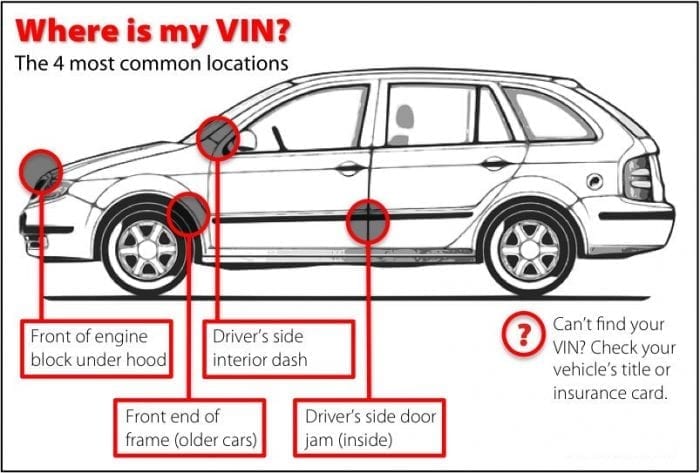
The VIN on modern Lamborghinis is usually easy to locate, but its position can vary by year. For classic models, you might find a shorter VIN or chassis number in different locations.
Dashboard
Look through the windshield on the driver’s side, near the base of the dashboard. This is one of the most common VIN locations on modern vehicles.
Driver-side door jamb
Open the driver’s door and check the sticker or plate on the door frame area.
Engine bay / front trunk area
Some vehicles have a VIN plate or stamped number under the hood area or near structural panels. It’s worth checking if the other spots look tampered with.
Vehicle documents
The VIN should match across the title, registration, insurance documents, and service paperwork. If those don’t match, pause and verify before doing anything else.
How to Read a Lamborghini VIN Number
A modern Lamborghini VIN is usually 17 characters long, and it’s split into three chunks: WMI, VDS, and VIS. Think of it like a passport plus a serial number. The early part tells you who built it and where, the middle describes the vehicle type, and the last part helps identify the exact unit. That’s why a Lamborghini VIN decoder is useful even before you run a full report.
For a real example, let’s break down this VIN: ZHWUD4ZF6JLA09221.
WMI (World Manufacturer Identifier)
The WMI (World Manufacturer Identifier) is the first 3 characters of the VIN (positions 1–3). This section tells you the vehicle’s origin region/country and the manufacturer’s identity code.
WMI Character Meaning (Example: ZHW)
- Z (Position 1): Country/region code. In many VIN references, Z is used for Italy.
- H (Position 2): Manufacturer identifier within that country/region group (assigned under the WMI system).
- W (Position 3): Completes the manufacturer identifier. For Lamborghini passenger vehicles, you’ll commonly see ZHW used as the WMI.
VDS (Vehicle Descriptor Section)
The VDS (Vehicle Descriptor Section) is positioned 4–9. This is where the VIN starts describing the vehicle’s “type” and configuration. What the characters exactly mean can vary by manufacturer and by era, so a raw VIN can look like nonsense if you don’t have a decoder.
VDS Character Meaning (Example: UD4ZF6)
- UD4Z (Position 4 to 7): Manufacturer-specific descriptor (often tied to market/vehicle line or internal coding).
- F (Position 8): Often used by manufacturers for engine/series when there are multiple configurations (exact meaning depends on Lamborghini’s coding for that year/model).
- 6 (Position 9): Check digit (used to validate the VIN format mathematically)
VIS (Vehicle Identifier Section)
The VIS (Vehicle Identifier Section) is positioned 10–17. This is where you usually get the model year code, assembly plant code, and the vehicle’s sequential number.
VIS Character Meaning (Example: JLA09221)
- J (Position 10): Model year code. In common VIN year charts, J = 2018.
- L (Position 11): Assembly plant code (the exact plant meaning is manufacturer-defined).
- A (Position 12): Internal production/sequence prefix used by the manufacturer (varies by brand rules).
- 09221 (Positions 13–17): Sequential production number (this is the part many people casually call the “serial”).
Supported Lamborghini Models
Below are a few popular Lamborghini models people decode the most. But you’re not limited to this list. PremiumVIN can handle all Lamborghini variants and model years, including classics with shorter VINs or chassis-style numbers.
Lamborghini Miura
Lamborghini Countach
Lamborghini Diablo
Lamborghini Murciélago
Lamborghini Gallardo
Lamborghini Reventón
Lamborghini Sesto Elemento
Lamborghini Aventador
Lamborghini Aventador S
Lamborghini Veneno
Lamborghini Huracán
Lamborghini Huracán GT3
Lamborghini Urus
Lamborghini Sián FKP 37
Lamborghini Essenza SCV12
Lamborghini Countach LPI 800-4
Lamborghini Revuelto
Lamborghini SC63
Why Users Trust Our Lamborghini VIN Decoder
People run a VIN check because something feels expensive, risky, or both. Our decoder is built to reduce uncertainty with clear results, simple wording, and real coverage across records. For Lamborghini buyers and collectors, trust comes from consistency, not hype.
Most comprehensive database coverage
We aim to cover the big categories people actually care about, like title status, damage indicators, theft checks, and sales activity, when records exist. Even for Lamborghinis, which are often moved across states, owners, and markets.
24/7 customer support
Car deals don’t always happen during office hours. Our support is available around the clock, so you can ask questions when the deal is live, not after it’s already gone or the seller stops replying.
High accuracy, cross-checked results
VIN data can get messy when cars are imported, re-registered, or listed with human errors. We focus on reducing mismatches by cross-checking key identity points and making the output easier to review.
Daily data updates
Vehicle records change more often than people think. Daily updates help keep your Lamborghini VIN lookup closer to what’s happening now, not what was true months ago when you don’t need it anymore.
Unlimited free checks
When screening multiple Lamborghinis, you shouldn’t be penalized for being cautious. We offer free checks for basic filtering, allowing you to decode VINs and compare options before diVIN g deeper into serious candidates.
Downloadable PDF
A downloadable PDF is useful because you can save it, share it with a mechanic, or keep it for your records if you’re collecting. It’s also handy when you’re comparing multiple cars side by side.
Need More Than Specs? Get the Lamborghini History Report
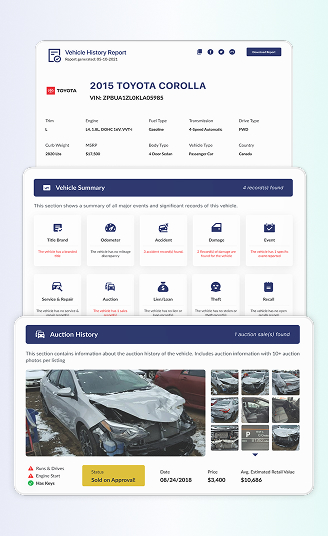
A full Lamborghini premium history report helps you connect the dots, like what the car is (specs), what it’s been through (accidents/damage), and whether there are legal or financial problems attached (e.g., title brands, theft, liens). If you’re comparing listings, chasing a rare spec, or trying to verify Lamborghini VIN authenticity, this is where it gets real.
Vehicle Specifications
Before you get lost in auction talk and paperwork drama, start with the basics. The Lamborghini VIN decoder section for specs helps confirm you’re looking at the right car, not just a car wearing the right badge.
Year, Make, Model
This confirms the vehicle’s identity at a high level, including model year and manufacturer details. It’s the first checkpoint to make sure your Lamborghini VIN lookup matches the listing and the paperwork, especially for imports and special trims.
Trim
A trim mismatch can explain weird pricing, missing features, or a seller’s claim that doesn’t hold up. The report helps align the VIN data with the advertised trim, when that information is available.
Engine & Drivetrain
This section can help confirm what the car was built with, like engine configuration and drivetrain notes that show up in records. For collectors, it’s a reality check. For buyers, it’s a fraud filter. If the seller is vague, this part helps you stay sharp.
Accident Records
This section is meant to give you the known recorded picture, so you can decide what level of risk you’re okay with.
Number of Accidents Reported
If accident events are recorded, the report may show how many incidents appear in available databases. Even a “single incident” can range from minor to major, so treat this as a starting point, not the final word.
Date of Reported Accidents
Dates help you connect accident records to ownership periods and mileage points. It also helps you ask practical questions, such as, was the repair done years ago and stable, or was this very recent?
Reported Accident Location
Location info, when available, can help validate that records match where the car was registered and sold. If something looks out of place, it doesn’t prove fraud, but it does justify a careful follow-up.
Damage History
Damage is broader than accidents. Flood and fire events can create long-term issues that do not show up in a 10-minute test drive. If you’re buying for long-term ownership or collecting, this section is one of the most important.
Hail Damage
Hail damage tends to show up in certain regions and seasons, and it can trigger insurance claims and repairs. This section helps you spot hail-related records when they exist, so you can look closer at paintwork and panel consistency.
Fire Damage
Fire damage can affect wiring, interior materials, and structural integrity in ways that are expensive and hard to fully “undo.” If fire-related records appear, treat them as a serious flag and verify repairs with documentation and inspection.
Flood Damage
Flood exposure is especially risky because it can cause corrosion and electrical issues that appear months later. Even if the car looks clean, water history can be a slow-burning problem. This section helps surface flood indicators when they are reported.
Lien/Loan check
A lien can follow the vehicle, and it can complicate ownership transfer. If you’re doing a Lamborghini VIN check online, don’t skip this part.
Lien Record Identification
This helps show whether a lien or loan record is tied to the vehicle in the sources available. If something appears, you’ll want the seller to prove it’s cleared before you move forward. Simple rule, really.
Dates and Locations (When Available)
When a lien record includes timing or location info, it can help you understand whether it’s recent, old, or tied to a specific registration region. That context matters when you’re trying to confirm if it’s already resolved.
Mileage History
Mileage is one of those simple things that gets complicated fast. A Lamborghini can have low miles and still be rough, or higher miles and be beautifully maintained. But the numbers still need to add up, and that’s what this part helps with.
Rollback Detection and Alerts
Rollback is not just an “old car problem.” It happens. This section helps flag mileage that appears inconsistent across reported points, so you can treat the car with appropriate caution and verify with documents and inspection.
Mileage History from Multiple Sources
Mileage may be reported across different events, like registrations, inspections, service records, or sales listings. Pulling those together helps you see if the mileage story looks smooth and believable, or if it jumps in weird ways.
Ownership History
Ownership history is not about snooping. In this section, you will see the available records on how often it changed hands, where it lived, and whether the story sounds stable or chaotic. For a collector-grade Lamborghini, stability often feels better.
Owner Count (When Available)
When the owner count is available, it gives a quick read on how many times the vehicle changed ownership. Lots of short-term ownership can mean flipping, unresolved problems, or just a car that didn’t “stick” with anyone.
Ownership Timeline
A timeline view helps you see the sequence of ownership-related events across time. It’s especially helpful if you’re comparing two similar cars and trying to understand which one has the cleaner, calmer history on paper.
Vehicle Use Type (When Reported)
Some databases may flag use types such as personal, fleet, lease, or rental, depending on what gets reported. For exotics, this can help explain wear patterns, mileage behavior, and why a car shows up in certain systems.
Title Check
Title issues are not “minor details.” They follow the car around. A title check helps you avoid buying a Lamborghini that looks perfect in photos but has branding that makes it harder to insure, finance, resell, or even register in some places.
Salvage
A salvage brand generally means the vehicle was declared a total loss by an insurer or authority, depending on the state and situation. It does not automatically mean “bad car,” but it does mean you should expect deeper questions, stricter inspection, and a very different resale market.
Rebuilt
Rebuilt titles usually indicate a vehicle was repaired after a salvage event and then inspected for road use. The report helps you see whether rebuilt branding appears in the vehicle’s history records.
Lemon
A lemon brand can show up when a vehicle has repeated unresolved issues under lemon law processes, depending on local rules. On a Lamborghini, that can be a big deal, because buyers assume “rare” also means “right.” This section helps flag that kind of risk early.
Recalls Check
Recalls are normal in the modern car world. What matters is whether the recall is open and whether it was handled properly.
Open Recall Information
If there’s an open recall, this section helps point it out so you can get it addressed. Open recalls can affect safety and sometimes resale conversations, so it’s better to know up front.
Manufacturer and Safety Agency Notices
Recall data often originates from manufacturer reporting and safety systems. When the report includes notice-style details, it helps you understand what the recall was about, not just the fact that it existed.
Theft Records
This is the part nobody wants to need, but everybody should check. If you’re doing a Lamborghini deal that feels “too good,” look here early.
Stolen Status Check
This indicates whether the vehicle has been reported stolen in available sources. A clean result doesn’t replace due diligence, but a theft flag is a hard stop until you verify legal status properly.
Recorded Theft Incidents
If an incident is reported, the record may include event timing and sometimes location context, depending on the source. That helps you understand whether this was a past incident with recovery or something unresolved.
Auction History
Auction history is a big one for higher-end cars. Sometimes it explains why a car is back on the market quickly. Sometimes it explains a price that looks weird. And sometimes it includes photos that tell the truth a bit too clearly.
Auction date and location
This helps confirm whether the vehicle appeared at auction and where it happened. Location and timing can also help connect auction activity to title changes, mileage points, and ownership transfers in the overall timeline.
Sale price
When the sale price is available, it provides a reality check against today’s listing price. It’s not a perfect “value tool,” but it helps you understand market movement and whether the car has been bouncing around.
Photos from past listings
When listing photos captured in historical sources, they can be incredibly useful. They help you verify colors, wheels, interior details, and even damage that may not appear in today’s curated photos.
Who Should Use the Lamborghini VIN Lookup Tool?
If you’re dealing with a Lamborghini, you’re not just checking “does it run.” You’re checking the story. A Lamborghini VIN check helps you confirm specs, spot red flags, and avoid awkward surprises later. Buyers use it to stay safe, sellers use it to stay honest, and collectors use it to protect value.
A Lamborghini VIN decoder gives you something more solid than a seller’s promises. It helps you compare paperwork, history, and real records, so you don’t end up paying supercar money for a problem you didn’t see coming.
Identify hidden damages before purchase
A report can show damage clues that don’t appear in photos, like flood, fire, or repeated repairs. It’s not perfect, but it gives you a reason to inspect harder and ask better questions.
Confirm the car matches the listing
Use the Lamborghini VIN number decoder to check year, model, and basic identity, so you’re not buying a “similar” car with a different spec on paper.
Avoid salvage and rebuilt title surprises
Title brands can change the car’s value and resale options fast. A Lamborghini VIN check helps you spot salvage or rebuilt status early.
If you’re selling, you’re basically asking someone to trust your story. A VIN decoder Lamborghini report helps support that story with real data. Dealers also use it to screen trade-ins and avoid buying problems into inventory. It’s not about being dramatic. It’s about avoiding dumb mistakes.
Explain the price differences between similar cars
Two Huracáns can look identical online. A VIN report can show why one is cheaper, like title branding or accident records.
Confirm the car’s specs for marketing
Use the report to describe the car correctly, especially when buyers ask detailed questions about trims and configuration.
Speed up financing and insurance conversations
Some lenders and insurers want cleaner documentation. VIN-based records help reduce delays when buyers are trying to close.
A Lamborghini VIN lookup helps you keep your collection clean and your knowledge sharp. It’s also handy when you’re chasing a specific era, special build, or verifying authenticity before you call it “original.”
Verify Lamborghini VIN authenticity
If the VIN doesn’t match the model story, that’s a problem. This helps you catch mismatches early and avoid fake or re-bodied cars.
Check classic VIN formats and short numbers
PremiumVIN supports older Lamborghini identifiers too, including shorter VINs or chassis-style numbers, which is useful for classic and imported cars.
Research a car before restoration
Restoration is expensive, and mistakes cost more. A VIN report helps you confirm what you’re starting with before you order parts or paint.
Free Lamborghini VIN Decoder vs. Paid Vehicle History Report
A free Lamborghini VIN decoder is like a quick glance at a passport. It tells you the basics and can catch obvious mismatches. But if you’re spending real money on a Lamborghini, basics won’t calm your nerves for long. That’s where a full report helps.
| What You Can Check | Free Lamborghini VIN Decoder (Quick Check) | Premium Lamborghini Vehicle History Report (Full Report) |
|---|---|---|
| Lamborghini year, model, and make | ✓ Confirms basic identity | ✓ Fully confirmed with production details |
| Basic Lamborghini specs (engine, body, trim) | ✓ General specifications | ✓ Complete factory specifications |
| Title status (e.g., salvage, rebuilt, lemon) | Basic status hint only | ✓ Full title brand history |
| Accident history check | Not available | ✓ Detailed accident records when reported |
| Mileage and odometer records | Not available | ✓ Multiple recorded mileage entries |
| Odometer rollback/mileage inconsistency checks | Not available | ✓ Rollback flags and inconsistency alerts |
| Auction history and photos | Not available | ✓ Auction listings and images when available |
| Online listings and advertised sales | ✓ Current listing snapshot (when available) | ✓ Listings and advertised sales records |
| Timeline of previous listings and sales | Not available | ✓ Timeline of past listings and sale activity |
| Sales listings records & photos | Not available | ✓ Listing records and photos (when available) |
| Lamborghini market value estimate | Not available | ✓ Value estimates and pricing ranges |
| Number of previous owners | Not available | ✓ Owner count (when available) |
| Past vehicle use (private, rental, fleet, commercial) | Not available | ✓ Use-type indicators when reported |
| Outstanding loans or lien records | Not available | ✓ Lien/loan flags when reported |
| Stolen vehicle check | Limited check | ✓ Detailed theft records if reported |
| Flood, fire, or hail damage indicators | Not available | ✓ Damage-event indicators when reported |
| Reported service or repair history | Not available | ✓ Service/repair records (when available) |
| Recall and warranty information | Limited overview | ✓ Recall history and basic warranty status |
| Downloadable PDF report | X Not included | ✓ Yes, easy-to-save PDF |
| Best suited for | Quick Lamborghini VIN lookup and early screening | Buyers, sellers, collectors, and serious checks |
How Decoding a Lamborghini VIN Saved Nicholas From a Bad Buy
Nicholas wasn’t new to cars. He reads the news every morning, follows the markets, and he’s the kind of guy who hates getting played. He was close to buying a 2018 Lamborghini Huracan when he decided to do a Lamborghini VIN lookup. The report didn’t show accidents or theft, but it did show the kind of stuff that can ruin a deal later
Sample Report: ZHWUD4ZF6JLA09221
Initial Impression
- Clean-looking 2018 Lamborghini Huracan
- The seller said it had “no issues” and a clean title
- Mileage seemed normal for a lightly used exotic
Critical Findings
- 3 lien/loan records were listed
- Usage showed the lease history
- The vehicle has a duplicate title record
Outcome
- James can still consider the deal, but it becomes a “verify first” situation
- Decide not to pay until the lien is cleared and the seller can prove it with proper documentation
Lessons Learned
- Don’t rely on the seller’s summary. Decode Lamborghini VIN data yourself first.
- A Lamborghini can look perfect and still come with lien records that affect value.
- If the seller won’t explain the records calmly, that’s a red flag by itself.
How to Get a Lamborghini Vehicle History Report by VIN Number Lookup
Running a report is pretty straightforward, and you don’t need to be “techy.” You just need the VIN. Here are the simple steps to get a Lamborghini vehicle history report.
Step 1: Enter Your VIN
Paste the 17-character VIN (or a classic chassis/VIN number if it’s older) into the search box.
Step 2: Review the Preview
Check the preview to make sure the car’s basics look right, like year, model, and key identifiers.
Step 3: Get the Report
Purchase to open the full report to see the title, damage, lien, mileage, and other history sections, when reported.
Explore Other Lamborghini VIN Search Tools
A VIN check is a strong starting point, but sometimes you need a more specific tool depending on what you’re trying to confirm.
A window sticker is basically the car’s original “birth certificate” for options and key specs. For Lamborghini buyers, it helps confirm what features and packages were supposed to be on the car from the start, not what was added later.
Recall checks help you see whether a vehicle has recall records tied to safety or manufacturer issues. This tool helps you check if anything is open, and it gives you a reason to handle it early instead of finding out at the worst time.
Sometimes you don’t have the VIN yet, especially with local sellers who only share a plate number in the early chat. A license plate lookup can help bridge that gap and pull related vehicle info, depending on availability.
A title check focuses on the legal side of the vehicle’s identity, like branded title flags (e.g., salvage, rebuilt, or lemon). It’s a fast way to reduce risk before you waste time traveling, negotiating, or paying for inspections.
The Lamborghini Heritage and Identity
Lamborghini facts are fun because the brand is a bit dramatic by nature. It’s not just “fast cars,” it’s loud design, strong identity, and a culture that attracts people who care about details.
The Brief History of Lamborghini
Automobili Lamborghini was founded in Italy in the 1960s and quickly became known for building high-performance sports cars with bold styling and a strong racing-inspired image. Today, Lamborghini operates under the Volkswagen Group through Audi ownership, which sometimes helps explain shared documentation patterns.
- Italian roots, global reach: Lamborghini started in Italy and became a worldwide symbol of exotic performance.
- Design-first identity: The brand is known for sharp angles, an aggressive stance, and an attention-grabbing presence.
- Supercar reputation: Lamborghini is closely tied to supercars and high-performance engineering culture.
- Collector appeal: Limited production and special trims make many models desirable to collectors.
- Modern ownership structure: Lamborghini is owned by Audi AG, under the Volkswagen Group umbrella.
Decode Your Lamborghini VIN Now
Use our Lamborghini VIN decoder to instantly verify factory specifications, including engine details, trim, drivetrain, transmission, and model year. For deeper insights, upgrade to access a full Lamborghini vehicle history report and make informed decisions before buying or selling.
Enter your Lamborghini VIN above to start decoding now.
Frequently Asked Lamborghini VIN Questions
Is there a free VIN lookup?
Yes. If you just need a quick Lamborghini VIN lookup, PremiumVIN can help to confirm the basics (like whether the VIN format looks right and what the car claims to be). A free decoder is usually enough to start.
Can I look up specs by VIN number?
Yes. A VIN is designed to encode identity and configuration info (country/maker, model year, and manufacturer-specific specs). PremiumVIN decoder can pull details like model and certain spec fields, and the deeper reports can also include records tied to that VIN.
What is the VIN number on a Lamborghini?
For modern Lamborghinis, it’s typically a unique 17-character VIN made of letters and numbers. It’s commonly found on the driver-side dashboard (visible through the windshield) and also on the driver-side door jamb label.
Can I get a window sticker from VIN?
Yes. A window sticker is basically the car’s original spec sheet at sale, and the VIN is often the key to pulling it up when it’s available in databases. With PremiumVIN, you can try the Lamborghini Window Sticker tool to see the available recorded window sticker data.
How to identify Lamborghini models?
Start with the VIN, and input it in the VIN decoder. PremiumVIN decoder can confirm the model year and core identity, and a full report can help cross-check with history records if the car has been listed, auctioned, or registered in ways that match the model claim. VINs are meant to identify a specific vehicle, not just a general type.
How to manually decode a VIN?
You can do it, but it’s a bit tedious. In general, the VIN is split into sections: WMI (1–3) for the manufacturer, VDS (4–9) for vehicle descriptors (manufacturer-defined), and VIS (10–17) for model year/plant/serial info. A decoder tool does this faster and reduces mistakes.