
Decode Any Lotus VIN & Check Vehicle Details Instantly
Use our free Lotus VIN decoder to instantly confirm your vehicle’s year, model, engine, trim, and factory details. Upgrade to access the full Lotus vehicle history report, including title brands, accident records, mileage history, ownership timeline, lien, and more.
What is the Lotus VIN Decoder?
A Lotus VIN decoder is a free online tool that translates your vehicle’s unique identification code into clear, readable factory specifications. This 17-character sequence (for modern models) acts as the vehicle’s official identity, detailing its build from the factory.
Older Lotus models, especially classic cars produced before 1981, can have shorter VINs ranging from 5 to 14 digits. This is why a simple VIN search online does not always work correctly for classics. Our Lotus VIN lookup tool supports both modern 17-digit VINs and many classic shorter formats, so collectors can still verify Lotus VIN authenticity without guessing.
The VIN is sometimes called the chassis number. It identifies:
- Manufacturer (Lotus Cars Limited)
- Model and trim
- Engine type
- Production plant
- Year of manufacture
You do not need to memorize what each character means. Just enter the code into our Lotus VIN number decoder and let the system decode Lotus VIN data instantly. PremiumVIN supports modern 17-digit VINs and classic Lotus VIN formats, so collectors can still verify Lotus VIN authenticity without guessing.
What Can You Learn from Lotus VIN Decoder?
Using our Lotus VIN number decoder gives you immediate access to the vehicle’s core factory build data. Here is the essential information you can uncover.
Year, Make & Model
Instantly confirm the exact production year, the Lotus manufacturer, and the specific model (e.g., Elise, Esprit, Evora, Emira). This foundational check helps you avoid mismatched listings or incorrect advertising claims, a key concern for this iconic brand.
Body Type
Understand the fundamental layout, confirming whether it’s a coupe, roadster, or another lightweight configuration Lotus is known for.
Engine Type & Transmission
Get the specific engine configuration (e.g., 1.8L 4-cylinder, 3.5L V6, or classic 2.2L turbo) and transmission type recorded for that Lotus. For a performance brand, these details are crucial for verifying authenticity.
Manufacturing Plant
The VIN reveals where the Lotus was assembled. For collectors, production origin adds historical context and sometimes value.
Trim
Lotus trims can significantly change value and equipment. The report shows the trim level connected to the VIN, helping buyers verify the original factory setup.
Fuel Type
Check the factory-specified fuel type, a fundamental operational detail for these performance vehicles.
Number of Doors
Confirm the number of doors the car was built with, which is a key identifier for different body styles.
Estimated Market Value
Get an estimated market value based on condition, outstanding, clean, average, or rough, helping you understand fair pricing instantly.
How to Read Lotus VIN Number?
A modern VIN is usually 17 characters long, and it works like a structured identity code for the vehicle. The VIN is split into three main parts: WMI, VDS, and VIS. Some classic Lotus vehicles have shorter formats, but the logic of “identity + description + serial tracking” still applies. Our decoder reads both modern and classic formats, including 5–14 character VINs.
WMI (World Manufacturer Identifier)
The WMI is the first three characters of a VIN, and it identifies the manufacturer and the country or region of origin. For Lotus, the WMI is strongly associated with the brand itself, so it is a quick first check for authenticity. According to U.S. safety guidance, Lotus Cars Ltd was allocated the WMI “SCC” by the British Standards Institution.
WMI Character Meaning
Example Lotus WMI: S C C
- 1st character (S): Identifies the country or region code used in the WMI system.
- 2nd character (C): Identifies the manufacturer within that region grouping.
- 3rd character (C): Helps specify the manufacturer or vehicle type details, depending on the allocation rules.
VDS (Vehicle Descriptor Section)
The VDS is characters 4 through 9, and it describes the vehicle in a more detailed way. This is where automakers encode things like model line, body type, restraint systems, and engine-related descriptors, but the exact meaning can be brand-specific. For Lotus, this section is a big reason people use a Lotus VIN decoder, because reading it manually is not fun.
VDS Character Meaning
- 4th character: Manufacturer-defined descriptor, often linked to vehicle line or platform details.
- 5th character: Manufacturer-defined descriptor, commonly tied to body type or series information.
- 6th character: Manufacturer-defined descriptor, sometimes tied to engine family or restraint systems.
- 7th character: Manufacturer-defined descriptor used for additional configuration differentiation.
- 8th character: Manufacturer-defined descriptor that can separate sub-models or mechanical variations.
- 9th character: Check digit on many modern VINs, used to validate VIN integrity.
VIS (Vehicle Identifier Section)
The VIS is characters 10 through 17, and it focuses on identity tracking across time and production. This part often includes the model year code, the assembly plant code, and the serial number that makes the VIN unique. If you are trying to confirm a Lotus Emira listing year, or check a VIN number Lotus Elise claim, the VIS section matters a lot.
VIS Character Meaning
- 10th character: Model year code, using standardized year coding in many VIN systems.
- 11th character: Assembly plant code, used to identify where the vehicle was built.
- 12th character: Serial or production sequence component, supporting uniqueness within a year run.
- 13th – 17th character: Serial sequence continuation, helping differentiate vehicles with similar configurations, often useful for production tracking and record matching.
How to Use Our Lotus VIN Decoder?
Getting your Lotus VIN lookup results is a straightforward process, taking only a few seconds. Follow these simple steps.

Step 1: Enter the VIN
Enter the Lotus's VIN into the form at the top of the page. Our tool supports both modern 17-character VINs and many classic shorter formats. You can also search using your license plate number instead.

Step 2: Decode Lotus VIN Number
Click submit to instantly view the year, make, model, engine, trim, transmission, and more factory details. This basic VIN check is completely free.

Step 3: Upgrade to VIN Report
Buying a used Lotus? Upgrade your search to get the full vehicle history report and reveal any hidden issues like accidents, title brands, and ownership records.
Where to Find the Lotus Vehicle Identification Number?
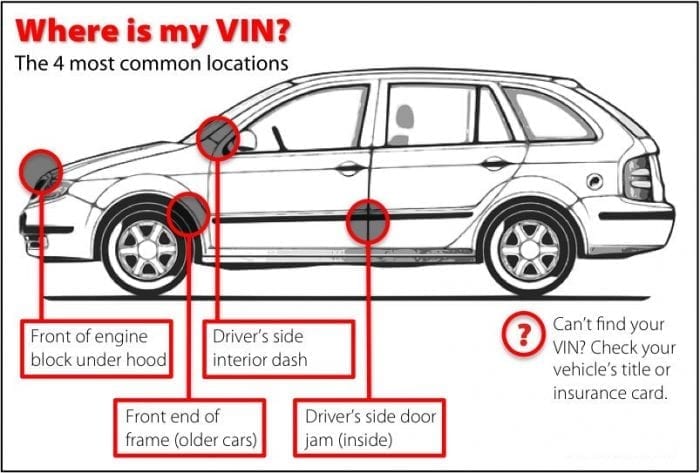
The Lotus VIN is usually printed in a few standard places, plus it appears on important paperwork. If one location is hard to read, check another spot instead of guessing characters, because one wrong digit can change everything.
Dashboard
Look through the windshield on the driver’s side, near the base of the dashboard. This is one of the most common VIN locations for modern vehicles.
Driver-side door jamb label
Open the driver’s door and check the label area on the door frame. Many cars list VIN and manufacturing details there.
Vehicle registration documents
Your registration paperwork typically shows the VIN clearly, which is helpful when the car is not nearby.
Title certificate
A vehicle title usually displays the VIN, and it can be useful for confirming legal identity matches the car.
Insurance card or policy page
Insurance documents often list the VIN, especially if the policy is tied to that exact vehicle.
Engine bay label or stamping
Some vehicles include VIN-related labels in the engine bay area. If present, it can support cross-checking.
Benefits of Using a Lotus VIN Decoder
A Lotus VIN decoder is a practical first step for anyone dealing with these iconic sports cars. From buyers and sellers to collectors and mechanics, accurate factory specifications provide a solid foundation for any transaction or restoration.
If you are shopping for a used Lotus, a Lotus VIN decoder helps you avoid expensive surprises that do not show up in photos. It is especially helpful when you are comparing models listed from far away.
Confirm the Lotus Model and Trim
A quick Lotus VIN number decoder confirms the basic identity, so you do not rely on badges, seller claims, or mismatched paperwork. It helps you confirm the exact year, make, and model.
Verify the Engine and Transmission
The VIN reveals the original engine configuration and transmission type as built at the factory. This helps you spot mismatches between the seller’s claims and the car’s true specifications.
Understand the Car's Original Configuration
Knowing the factory build, including body type and optional equipment helps you assess the car’s authenticity and compare it accurately to other vehicles.
For sellers and dealers, a Lotus VIN decoder supports cleaner listings and fewer arguments after the sale. Buyers ask more questions now, and they should. When you can back up the details with VIN-based data, the deal feels more straightforward.
Build Buyer Confidence
Displaying verified factory specifications in your listing shows transparency. This credibility often shortens negotiation time and can lead to a faster, more professional sale.
Set an Accurate Asking Price
Knowing the exact engine, transmission, and trim lets you justify your price with data, moving beyond rough market estimates for a rare vehicle.
Create Accurate, Detailed Listings
Using factory specifications allows you to write precise listings that attract serious collectors and reduce repetitive questions about the car’s configuration.
Accurate vehicle specifications are essential for insurance companies to price policies accurately and handle claims efficiently for these high-value assets.
Calculate Accurate Premiums
A VIN lookup confirms safety features, engine specs, and trim level—key factors that influence insurance premium calculations for sports cars.
Detect Insurance Fraud
Verifying VIN details helps insurers catch mismatched or falsified vehicle information before a fraudulent policy is issued or a claim is paid.
Streamline Claims Processing
An accurate factory data check reduces manual verification, speeding up new policy issuance and claims processing.
Knowing the exact factory specification is crucial for getting the right parts for a Lotus. A VIN check removes all the guesswork, ensuring compatibility for these specialized vehicles.
Source the Exact Right Parts
The VIN identifies the specific engine, transmission, and chassis configuration, ensuring parts suppliers provide the correct components the first time.
Reduce Costly Return Errors
Ordering the wrong parts wastes time and money. Checking the VIN before ordering dramatically reduces the chance of mismatched components.
Speed Up Repair Estimates
Mechanics can instantly access factory specs to build repair estimates without spending extra time manually researching each Lotus’s exact configuration.
Easily Decode ALL Popular Lotus Models
Below are popular Lotus models people search for the most, but our decoder handles all variants and years. That includes classics with shorter VIN formats, which is a big deal for collectors.
Esprit
Elise
Exige
Evora
Evora 400
Evora GT
Emira
Why Users Trust Our Lotus VIN Decoder
People trust a VIN tool when it feels clear, consistent, and not full of vague promises. Our goal is simple: give Lotus owners, buyers, and collectors clean answers, with a smooth path from free decoding to a full premium report when needed.
Most comprehensive database coverage
Our Lotus VIN decoder aggregates title records, mileage entries, auction listings, lien filings, and theft indicators into a structured report, helping buyers review multiple data points in one place instead of searching separate systems.
Daily data updates
Vehicle records can change when a title updates, a lien clears, or a new listing appears online. Frequent updates help the report stay useful, especially for active buyers comparing several Lotus VIN numbers.
High accuracy, cross-checked results
We structure decoding carefully and cross-check outputs across available record types. That reduces mismatches, and it helps buyers feel confident when decoding a Lotus VIN number before travel or payment.
Unlimited free checks
You can run a free Lotus VIN decoder check as many times as you want for early screening. That is helpful when you are sorting through multiple listings and eliminating obvious mismatches fast.
24/7 customer support
Questions do not follow business hours, especially when you are dealing with international sellers or weekend auctions. Support availability helps reduce stress when you need help reading a confusing result.
Downloadable PDF
A downloadable PDF makes it easier to save, share, or print the report for negotiation and documentation. Many collectors still like having a clean file stored with other ownership records.
Need Past Records? Get Lotus Vehicle History Report
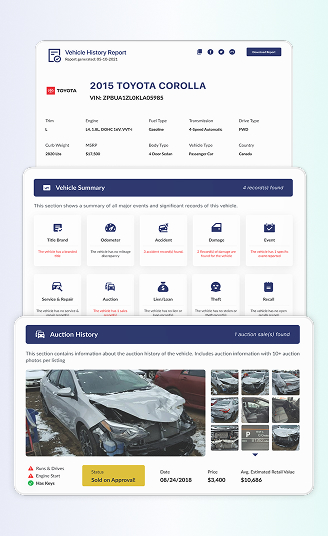
When you upgrade from a free Lotus VIN decoder to the full PremiumVIN vehicle history report, you will receive structured, verified data about that specific Lotus vehicle. This includes factory specifications, ownership timeline, title records, lien or loan details, accident and damage history, mileage patterns, and more.
Let’s break it down.
Vehicle Specifications
The Vehicle Specifications section explains how the Lotus left the factory. This is especially important for Elise, Esprit, or Europa buyers who want original configuration details.
Year, Make, Model
This confirms the production year and exact Lotus model tied to the VIN. It helps you avoid mismatched listings or incorrect advertising claims.
Trim
Lotus trims can significantly change value and equipment. The report shows the trim level connected to the VIN, helping buyers verify authenticity.
Engine and Transmission
You will see the engine configuration and transmission type recorded for that Lotus. For a lightweight performance brand like Lotus, engine specification differences can significantly affect long-term value and buyer interest.
Manufacturing Plant
The VIN reveals where the Lotus was assembled. For collectors, production origin adds historical context and sometimes value.
Title Check
Title records are serious business, especially for a high-value sports car like a Lotus. A clean exterior and polished paint do not automatically mean a clean legal record. This section verifies whether the vehicle carries any branded or problematic title history.
Salvage
The report will clearly state if the Lotus received a salvage title due to severe damage or insurance total loss.
Rebuilt
If a previously damaged Lotus was repaired and re-registered, this status will appear in the title section.
Lemon
Certain vehicles reported under consumer protection cases will show lemon history when recorded.
Ownership History
Ownership history tells a deeper story about how the Lotus was treated throughout its life. Was it privately owned and carefully maintained, or frequently transferred between short-term owners? Understanding this timeline adds context beyond simple mileage numbers.
Owner Count (When Available)
The report shows the number of recorded owners associated with the Lotus VIN when records are available. Fewer long-term owners often indicate stability and careful use, though context always matters.
Ownership Timeline
You will see a structured chronological outline of ownership transfers and registration updates over time. This timeline helps identify rapid resales or unusually short holding periods.
Vehicle Use Type (When Reported)
If the Lotus was registered for personal use, rental service, fleet operation, or commercial purposes, this classification will appear. Usage type can influence wear patterns and long-term condition expectations.
Registration Locations
State, country, or regional registration records are displayed when available to show geographic movement patterns. Climate conditions sometimes affect corrosion, storage quality, and overall preservation of the vehicle.
Mileage History
Mileage consistency is extremely important for Lotus sports cars, especially limited production or collector models. Low mileage alone does not guarantee condition, but inconsistent mileage can signal potential risk or odometer issues.
Mileage History from Multiple Sources
Odometer readings collected from inspections, registrations, and other records are organized clearly.
Rollback Detection and Alerts
If inconsistent mileage entries appear across different reporting periods, the system flags potential rollback concerns. These alerts encourage buyers to investigate further before making financial commitments.
Annual Usage Patterns
The report estimates how heavily the Lotus was driven each year based on available mileage records. This pattern helps identify whether the car was weekend-driven or used more frequently.
Recorded Odometer Statements
Official odometer declarations documented during inspections or title transfers are listed when available. These records add another layer of mileage verification for serious buyers.
Lien / Loan Check
Financial obligations attached to a vehicle can create unexpected legal complications for a new owner. This section verifies whether the Lotus VIN is associated with any recorded liens or outstanding loan claims.
Lien Record Identification
The system checks whether a financial institution has officially recorded an active lien against the Lotus. An active lien means ownership cannot legally transfer without proper clearance.
Dates and Locations (When Available)
If a lien exists, related dates and jurisdiction details are displayed when recorded. This information helps clarify the timeline of financial claims attached to the vehicle.
Accident Records
Even minor accidents can affect structural integrity and long-term value in lightweight performance vehicles like Lotus. This section summarizes all recorded collision data linked to the VIN.
Number of Accidents Reported
The total count of recorded accidents associated with the Lotus VIN is displayed clearly. This provides an immediate overview of the vehicle’s documented collision history.
Date of Reported Accidents
Each recorded accident includes a reported date when available in the database. This helps buyers understand how recent the incident occurred.
Reported Accident Location
Location data shows where the accident was officially recorded. Regional context can sometimes provide insight into road conditions or weather factors.
Severity Indicators
When severity classifications are available, they are included to show whether damage was minor, moderate, or significant. This information supports more informed purchasing decisions.
Recalls Check
Safety recalls are issued by manufacturers and regulatory authorities to correct known defects. This section ensures buyers are informed about outstanding or completed safety actions related to the Lotus.
Open Recall Information
The report lists any open safety recalls currently associated with that specific Lotus VIN. Open recalls should be addressed promptly through authorized service centers.
Completed Recall Events
If recall repairs were previously completed and recorded, that completion status will appear in the report. This confirms that corrective actions were already performed.
Manufacturer and Safety Agency Notices
Official recall announcements tied directly to the VIN are included for transparency. These notices originate from manufacturers or recognized safety authorities.
Safety Campaign Participation
Certain service campaigns fall outside formal recalls but still address safety improvements. When recorded, participation status in these campaigns appears here.
Theft Records
Vehicle theft history can affect registration, resale, and insurance processing. This section checks the reported theft status linked to the Lotus VIN.
Stolen Status Check
The system searches databases for active stolen vehicle reports connected to that Lotus. An active stolen record creates immediate legal complications for buyers.
Recorded Theft Incidents
If theft incidents were officially documented in the past, dates and status updates are listed. Historical theft records provide transparency about prior recovery situations.
Recovery Status
If the vehicle was recovered after being reported stolen, the recovery status appears when available. This helps clarify whether the case was resolved properly.
Service & Maintenance Records
Maintenance history reflects how responsibly the Lotus was cared for during ownership. Regular service often indicates attentive ownership and mechanical preservation.
Scheduled Maintenance
Routine maintenance entries, such as oil changes, inspections, and periodic servicing, are listed when recorded. Consistent maintenance intervals often reflect responsible ownership habits.
Part Replacements
Major component replacements, including brakes, suspension elements, or engine parts, appear when documented. These entries provide insight into mechanical upkeep.
Major or Minor Repairs
Repair records help buyers understand whether the Lotus experienced mechanical issues requiring corrective work. Both minor and significant repair entries are included when available.
Notes from Inspections
Inspection remarks sometimes include technician observations regarding condition or wear. These notes can offer subtle but valuable insights.
Auction History
Many Lotus vehicles, especially limited editions, pass through specialty auctions. Auction records provide pricing transparency and historical sale context.
Auction Date and Location
If the Lotus was sold at auction, the date and location are listed clearly. This helps establish a verified public sale event.
Sale Price
The recorded price in the online listing at auction. Past sale price can influence current market expectations.
Condition Notes
Auction condition summaries and damage notes are included when officially documented. These notes often describe visible defects at the time of sale.
Whether the Vehicle Started or Ran
Operational status recorded during auction inspection is displayed when available. This helps evaluate the mechanical condition during the prior public sale.
Number of Photos Taken at Auction
The number of listing photos is shown when documented. A higher image count sometimes indicates better listing transparency.
Free Lotus VIN Decoder vs Vehicles History Report
A free Lotus VIN decoder is great when you want a quick identity check and nothing more. If you are just browsing listings, it keeps things simple. But when money is real, details become important fast.
| What You Can Check | Free Lotus VIN Decoder (Quick Check) | Premium Lotus Vehicle History Report (Full Report) |
|---|---|---|
| Lotus year, model, and make | ✓ Confirms basic identity | ✓ Fully confirmed with production details |
| Basic Lotus specs (engine, body, trim) | ✓ General specifications | ✓ Complete factory specifications |
| Title status (e.g., salvage, rebuilt, lemon) | Basic status hint only | ✓ Full title brand history |
| Accident history check | Not available | ✓ Detailed accident records when reported |
| Mileage and odometer records | Not available | ✓ Multiple recorded mileage entries |
| Odometer rollback/mileage inconsistency checks | Not available | ✓ Rollback flags and inconsistency alerts |
| Auction history and photos | Not available | ✓ Auction listings and images when available |
| Online listings and advertised sales | ✓ Current listing snapshot (when available) | ✓ Listings and advertised sales records |
| Timeline of previous listings and sales | Not available | ✓ Timeline of past listings and sale activity |
| Sales listings records & photos | Not available | ✓ Listing records and photos (when available) |
| Lotus market value estimate | Not available | ✓ Value estimates and pricing ranges |
| Number of previous owners | Not available | ✓ Owner count (when available) |
| Past vehicle use (private, rental, fleet, commercial) | Not available | ✓ Use-type indicators when reported |
| Outstanding loans or lien records | Not available | ✓ Lien/loan flags when reported |
| Stolen vehicle check | Limited check | ✓ Detailed theft records if reported |
| Flood, fire, or hail damage indicators | Not available | ✓ Damage-event indicators when reported |
| Reported service or repair history | Not available | ✓ Service/repair records (when available) |
| Recall and warranty information | Limited overview | ✓ Recall history and basic warranty status |
| Downloadable PDF report | X Not included | ✓ Yes, easy-to-save PDF |
| Best suited for | Quick Lotus VIN lookup and early screening | Buyers, sellers, collectors, and serious checks |
Case Study: Why Claire Ran a Lotus VIN Lookup
Decoding a Lotus VIN number is not just a technical hobby thing. It helps protect your money, your time, and your expectations, especially with sports cars, where value can swing hard. A clean-looking Lotus can still carry title issues, mileage inconsistencies, or confusing ownership timelines. A VIN check gives you a calmer, fact-based starting point.
Sample Report: SCCLMDSU0CHA10804
Initial Impression
- Claire was searching for a Lotus online. The photos looked clean. The seller sounded confident. The price felt reasonable for the market.
- But she had one concern. She was not local, and she could not inspect the car in person. So instead of guessing, she ran a Lotus VIN check through PremiumVIN before moving forward.
Critical Findings
- Branded Title: Salvage and later rebuilt/rebuildable
- Accident Record: Rear impact reported on 12/19/2020 (Indiana)
- Vehicle Was Towed After Accident
- Title Issued as Salvage on 03/01/2021
- Rebuilt/Rebuildable Title Issued 07/01/2021 (Florida)
- 2 Auction Records in March 2021 (Louisville, KY)
- Sold at Auction for $22,200 on 03/25/2021
- Primary Damage Listed as Rear
- 5 Lien/Loan Records Found
- 9 Recorded Mileage Entries – No Rollback Discrepancy
- Last Known Mileage: 76,790
Outcome
- With the VIN report in hand, Claire contacted the seller again. This time, her questions were specific.
- She asked about timeline gaps. She requested clarification on prior listing details. She wanted paperwork to support maintenance claims.
- The seller responded with more documentation, and the discussion became clearer and more professional. Claire did not feel rushed anymore. She felt informed.
Lessons Learned
- A Lotus VIN decoder is not about assuming the worst. It is about confirming the facts.
- Claire’s case shows something simple. Even when a car looks clean and the seller sounds confident, a structured VIN check gives balance. It reduces emotional pressure and replaces it with evidence.
Explore Other Lotus VIN Search Tools
If you want to go beyond a standard Lotus VIN decoder, you can use the related tools below. They are built for people who want quicker answers on specific issues, like recalls or title concerns, without reading a full report first.
A Lotus window sticker shows the vehicle’s original factory presentation, including key equipment and standard features when available. If you are shopping for a Lotus, this can make listings easier to compare, especially when sellers describe options loosely.
A Lotus recall check helps you see safety recalls linked to the VIN, including open recall information when available. This is useful if you are buying used and want to confirm whether recall-related repairs were completed.
A Lotus title check focuses on title branding and legal status signals tied to the vehicle record. It helps you screen for salvage, rebuilt, lemon, or other branded title issues that can affect insurance and resale.
A Lotus license plate lookup can help you start a search when you do not have the VIN on hand. This is useful for local shopping, quick screening, or verifying a listing that only shows plate details.
Understanding Lotus Heritage
Lotus has a strong identity that attracts people who like engineering more than flashy status. The brand grew famous for lightweight sports cars and racing-linked thinking, and it still carries that reputation today. Lotus is also majority owned by Zhejiang Geely Holding Group since 2017, which sometimes surprises older enthusiasts.
The Brief History of Lotus
Lotus was founded in 1952 by Colin Chapman, and the company became known for performance through lightweight design thinking. Lotus itself tells the story of Colin and Hazel Chapman as central figures in building the brand’s early direction and culture.
- Lotus became well known for prioritizing handling and efficiency over simply adding horsepower.
- Lotus has a reputation for sports cars that feel connected, direct, and driver-focused.
- Lotus ownership changed over time, and Geely’s involvement began through majority ownership in 2017.
- Lotus vehicles appeal to collectors because provenance and originality can affect long-term value strongly.
- Many Lotus buyers enjoy the brand’s history, not just the speed or the badge.
Decode Your Lotus VIN Now
Ready to run a Lotus VIN lookup? Enter your VIN now for a free quick decode, then upgrade if you want the full history.
Frequently Asked Lotus VIN Questions
Where is a Lotus VIN located?
Start with PremiumVIN’s quick check, then confirm the physical number on the car for accuracy. A Lotus VIN is commonly visible through the windshield on the driver-side dashboard, and it is also often printed on the driver-side door jamb label.
What does the Lotus VIN contain?
PremiumVIN decodes the VIN into readable details, so you don’t need to guess characters by yourself. A VIN structure typically encodes the manufacturer and origin (WMI), vehicle descriptors (VDS), plus year, plant, and serial identifiers (VIS).
Why use VIN Decoder before buying or selling a used car?
Using PremiumVIN first helps you avoid “nice photos, bad paperwork” situations that waste money and time. A VIN decoder supports smarter decisions because it confirms identity quickly and helps you decide whether a full history report is worth it.
How accurate is your Lotus VIN decoder?
PremiumVIN focuses on clear, standardized VIN decoding and record matching, which is practical for everyday buyers and collectors. The manufacturer’s internal system can hold factory-only details, but our decoder stays useful for broad identity checks and history screening.
How do I decode Lotus option codes from the VIN?
Start with PremiumVIN because the VIN structure is not designed for casual manual decoding. The decoder reads the WMI, VDS, and VIS patterns, then your premium report organizes available equipment and configuration signals in a clearer way.
Do you cover classic Lotus cars with fewer than 17 characters?
Yes, PremiumVIN supports classic Lotus VIN formats that can be shorter than the modern 17-character standard. That matters for older Lotus models where VIN styles were less uniform, especially for collectors doing authenticity checks.
How do I verify the authenticity of a classic Lotus VIN?
Use PremiumVIN to decode the format first, then compare the VIN on the car with the VIN on the paperwork carefully. Authenticity checks work best when the VIN structure looks consistent, and the physical VIN matches documents without strange spacing or edits.
How do I know if my VIN is valid and real?
Start with PremiumVIN’s free lookup, then double-check the VIN is readable and consistent across the vehicle and documents. A valid VIN follows standard formatting rules and avoids confusing letters like I, O, and Q, which are typically not used.