
RAM VIN Decoder – Check Vehicle Details by VIN
A RAM can look perfect in a photo and still have surprises. Running a RAM VIN decoder helps you verify the basics like specs, year, make, model, trim, and engine for free. And a full report of the recorded mileage, title check, lien/loan, ownership timeline, and more, before you waste time.
What is the RAM VIN Decoder?
A RAM VIN decoder is a tool that reads the 17-digit Vehicle Identification Number (VIN) and reveals the vehicle’s original factory specifications. Every RAM VIN contains encoded details about the vehicle’s engine, trim, drivetrain, cab configuration, bed length, model year, and production plant.
A RAM VIN number is the truck’s unique ID code. On modern RAM vehicles, it’s usually a 17-character VIN, and it works like the truck’s fingerprint. It’s not just random letters and numbers, either. The VIN is built to describe the vehicle’s identity, like model year, body style, engine type, and where it was made.
And if you’re dealing with older trucks, collectors, or anything “classic Mopar” related, it gets more interesting. Some older vehicles don’t use the modern 17-character format. PremiumVIN can still help with a RAM VIN lookup for many classic and collector vehicles, including shorter 5–14 digit VIN or serial formats, where available.
What Information Can You Get From a RAM VIN Number?
A RAM VIN decoder helps reveal important factory details about the vehicle using the 17-digit VIN number. Each VIN contains information that identifies the vehicle’s manufacturer, model, engine type, trim level, production year, cab configuration, and factory build details.
By decoding a RAM VIN, you can access information such as:
Manufacturer and Model Information
Manufacturer Details
Verify that the VIN belongs to RAM and confirm manufacturer information under Stellantis (formerly Fiat Chrysler Automobiles / Ram Truck division). Look for the common 1C6, 2C6, 3C6, or 3C7 WMI prefixes.
| WMI Prefix | Meaning |
|---|---|
| 1C6 | RAM truck built in United States |
| 2C6 | RAM truck built in Canada (Windsor plant) |
| 3C6 | RAM truck built in Mexico (Saltillo plant – common for HD models) |
| 3C7 | RAM chassis cab / commercial vehicle |
Model Information
Identify the exact RAM model, such as:
Light Duty – RAM 1500, RAM 1500 Classic
Heavy Duty – RAM 2500, RAM 3500, RAM 3500 Chassis Cab
Commercial Vans – ProMaster 1500/2500/3500, ProMaster City
Classic / Vintage – D-series (D100, D150, D250, D350), W-series (W100, W150, W250, W350), Power Wagon, Dakota (RAM-branded, later years), RAM SRT-10
Engine and Transmission Specifications
Engine Specifications
View engine type, displacement, cylinder configuration, fuel type, and power output. RAM engine families include:
| Engine | Family | Applications | Power / Torque |
|---|---|---|---|
| 3.6L Pentastar V6 | V6 (gas) | RAM 1500, ProMaster, ProMaster City | 305 hp / 269 lb-ft |
| 5.7L HEMI V8 | V8 (gas, pushrod) | RAM 1500, 2500 (gas), Classic | 395 hp / 410 lb-ft |
| 6.4L HEMI V8 | V8 (gas) | RAM 2500, 3500 (gas) | 410 hp / 429 lb-ft |
| 6.2L Supercharged HEMI V8 | V8 (gas) | RAM 1500 TRX | 702 hp / 650 lb-ft |
| 3.0L Hurricane I-6 Twin-Turbo | Inline-6 (gas) | RAM 1500 (2025+ new models) | 420-540 hp |
| 3.0L EcoDiesel V6 | V6 (diesel) | RAM 1500 (2014-2023) | 260 hp / 480 lb-ft |
| 6.7L Cummins Turbo Diesel I-6 | Inline-6 (diesel) | RAM 2500, 3500, chassis cab | 370-420 hp / 850-1,075 lb-ft |
Transmission Details
Verify the original transmission configuration – RAM uses:
8-speed automatic (TorqueFlite 8HP/ZF 8HP) – RAM 1500 (gas and diesel)
6-speed automatic (68RFE) – RAM 2500/3500 diesel (standard duty)
6-speed manual (G56) – RAM 2500/3500 diesel (rare, discontinued)
8-speed automatic (PowerLine 8HP/ZF) – RAM 2500/3500 diesel (2021+, optional)
9-speed automatic (948TE) – ProMaster City
6-speed automatic (62TE) – ProMaster (older)
6-speed manual (Getrag 238) – older HD diesels (pre-2018)
Drivetrain and Body Style
Drivetrain
Check whether the vehicle is:
4×2 (2WD) – rear-wheel drive only
4×4 (4WD) – part-time four-wheel drive (RAM 1500, 2500, 3500)
4×4 with e-Locker / Trac-Lok – available on off-road trims (Rebel, Power Wagon)
Cab Configuration
Confirm the cab style:
Regular Cab – 2-door, single row
Quad Cab – 4-door, smaller rear seat area (1500, older HD)
Crew Cab – 4-door, full-size rear seat (most common)
Mega Cab – extra-large crew cab (2500/3500, discontinued)
Production Details
Model Year
Verify the production year encoded in the VIN’s 10th character.
Assembly Plant
See where the vehicle was manufactured (e.g., Dearborn, Michigan; Kansas City, Missouri; Louisville, Kentucky).
Factory Specifications
Review original manufacturer build details including:
GVWR (Gross Vehicle Weight Rating) – critical for towing and registration
GCWR (Gross Combined Weight Rating) – maximum trailer + truck weight
Axle ratio – determines towing capacity and fuel economy
Payload capacity – factory-rated maximum cargo weight
Paint codes – original exterior color
How to Decode a RAM VIN Number
A RAM VIN is basically the truck’s “ID card.” Most modern RAM trucks use a 17-character VIN, and it’s split into three chunks: WMI, VDS, and VIS. If you’re doing a RAM VIN lookup, this structure is why you can pull specs like engine, drive type, and even some identity checks without guessing.
See the detailed explanation of the 3C6UR5FL0JG169946 VIN structure below
WMI (World Manufacturer Identifier)
The WMI (World Manufacturer Identifier) is the first 3 characters of the VIN. This part tells you the general “who and where” story: where the vehicle is tied to, and which manufacturer group produced it. For RAM trucks, this is super helpful because not every RAM is built in the same place. So, two trucks can look identical, but the WMI can still differ.
WMI Character Meaning (Example: 3C6)
- 3 = Country/region code (this sample VIN lists the truck’s country as Mexico)
- C = Manufacturer code used for Chrysler/FCA/Stellantis family VIN formats
- 6 = Vehicle type code commonly used for trucks in Chrysler-style VIN templates
VDS (Vehicle Descriptor Section)
The VDS (Vehicle Descriptor Section) usually covers positions 4–9. This is the “identity builder” part. It’s where RAM encodes stuff like truck series details, configuration, and engine coding. Honestly, this is also the section where people get confused, because some characters are manufacturer-defined.
VDS Character Meaning (Example: UR5FL0)
- Position 4 (U) = Internal code tied to things like GVWR/brakes/restraint setup (RAM-defined)
- Position 5 (R) = Brand/line coding used by the manufacturer (RAM-defined)
- Position 6 (5) = Marketing/drive/series coding (RAM-defined)
- Position 7 (F) = Cab/body/price series style coding (RAM-defined)
- Position 8 (L) = Engine code (in FCA truck VIN guides, L can map to a diesel setup; this sample decodes as a 6.7L turbo diesel)
Keep in mind: the exact meaning can vary by year and manufacturer rules, so it’s safer to rely on the decoded result than to guess the letter yourself. - Position 9 (0) = Check digit (a math-based character used to validate the VIN)
VIS (Vehicle Identifier Section)
The VIS (Vehicle Identifier Section) is the last part, usually consisting of the positions 10–17. This section is more about when and which exact unit. Such as the model year code, assembly plant code, and the truck’s unique production sequence number.
VIS Character Meaning (Example: JG169946)
- Position 10 (J) = Model year code (2018)
- Position 11 (G) = Assembly plant code (manufacturer-defined; it points to the factory)
- Positions 12–17 (169946) = Production sequence number (basically the truck’s serial within that plant/year)
How to Decode a RAM VIN Number
Every modern RAM VIN follows a 17-character structure. Each section has a role. You don’t need to memorize it, but understanding the basics helps when reading reports or paperwork especially for verifying RAM’s many cab and engine configurations.

Step 1: Find Your VIN
Find the 17-digit VIN number on the vehicle dashboard, driver-side door jamb, or registration documents.

Step 2: Enter the VIN
Type or paste the full RAM VIN into the decoder tool above.

Step 3: Access Factory Specifications
Instantly view the vehicle's factory specifications, including engine, trim, transmission, and model year.
Supported RAM Models
Below are some popular RAM models. PremiumVIN supports all RAM models and years, including classic Dodge-era trucks with shorter 5-14 digit VINs from the D-series of the 1970s to the modern TRX.
RAM 1500
RAM 1500 Classic
RAM 2500
RAM 3500
RAM Cargo
RAM ProMaster 1500
RAM ProMaster 2500
RAM ProMaster 2500 Window Van
RAM ProMaster 3500
RAM ProMaster 3500 Window Van
RAM ProMaster City
Why Users Trust Our RAM VIN Decoder
A RAM VIN decoder should feel like a straight answer, not a guessing game. PremiumVIN is for people who are comparing listings, buying long-distance, or just trying to confirm the truck’s real identity before they waste a weekend.
Most comprehensive database coverage
RAM trucks show up everywhere: private sales, auctions, dealer lots, fleet use, and sometimes weird re-listing loops. Our coverage is designed to handle that reality, pulling VIN-linked records that help confirm a truck’s identity and history.
24/7 customer support
Truck deals don’t follow office hours. Sometimes you’re meeting a seller at night, or you’re trying to decide before another buyer shows up. That’s why support matters. If you have questions about anything. Our help is available when you need it.
Daily data updates
Vehicle records don’t sit still. Titles change, mileage gets recorded, recalls open and close, and listings appear then vanish. We keep the system updated often, so your VIN decoder RAM results reflect what’s currently available.
No hidden fees or subscriptions
People hate the “surprise charge” feeling. Our reports have no subscription trap, sneaky recurring billing, or confusing checkout steps that make you wonder what you just agreed to.
Unlimited free checks
When you’re shopping, you might run 10 VINs in one night. That’s normal. Our free RAM VIN decoder checks are meant for early screening so you can filter out obvious mismatches fast. Then you save the paid report for the short list, the trucks you’re actually considering buying.
Downloadable PDF
A report is more useful when you can save it, print it, or send it to someone you trust. Downloadable PDF makes that easy and practical for negotiation. You can point to the same facts and make sellers take you more seriously.
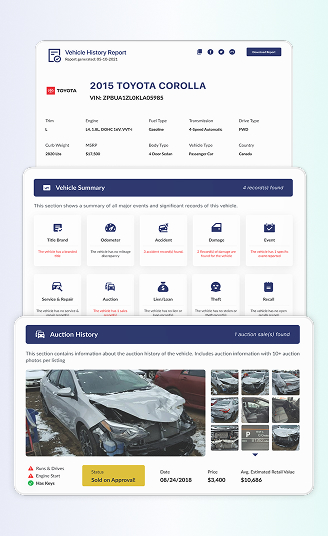
Need More Than Specs? Get a RAM Vehicle History Report
A basic free RAM VIN check tool is great, especially if you just want quick confirmation. But a full vehicle history report is where things get real. It pulls together key records that can explain how a RAM lived before it showed up on a marketplace post.
Below is a simple walk-through of what a PremiumVIN report can cover for your RAM:
Title Check
This section is about the truck’s legal status, not the seller’s confidence. A RAM VIN check can surface red flags that are hard to spot in photos.
Salvage
A salvage brand usually means the vehicle was declared a total loss at some point. It doesn’t always mean “bad,” but it absolutely means “verify everything.”
Rebuilt
Rebuilt or reconstructed titles can mean the truck was repaired after a major event. The key is knowing it early because it impacts value, insurance, and resale.
Lemon
A lemon branding can show up when a vehicle has repeated serious issues under certain consumer protection rules. For buyers, it’s a strong reason to slow down and read carefully.
Vehicle Specifications
A RAM VIN decoder should do more than say “it’s a truck.” This section focuses on the factory identity, so you can compare what the VIN says versus what the badge and seller claim.
Year, Make, Model
Your RAM VIN number decoder confirms the model year and the exact RAM line. This matters when listings are vague or when trim badges have been swapped.
Trim
Trim changes pricing, features, and resale value more than most people admit. A solid RAM VIN decoder check helps confirm whether it’s really a Laramie, Big Horn, Limited, or something else.
Drivetrain and 4WD Setup
4×2 vs 4×4 sounds obvious until you see mismatched listings. This section helps you verify drivetrain basics before you plan towing, snow driVIN g, or off-road upgrades.
Engine and Transmission Details
Many RAM listings say “Hemi” or “diesel” like that’s enough. VIN-based specs can help confirm engine family, transmission type, and key configuration hints.
Mileage History
Mileage isn’t just a number on the dash. What matters is whether the number makes sense over time. This is where people often search “VIN number lookup free” first, then go deeper if anything looks off.
Mileage History from Multiple Sources
Mileage can show up across different reporting points. Comparing entries helps you spot consistency instead of relying on a single reading.
Rollback Detection and Alerts
If mileage drops or jumps in a strange way, it can be flagged as a risk. It doesn’t automatically prove fraud, but it deserves attention.
Accident Records
A truck can look perfect and still have a history. Accident records help you understand what might be hiding behind fresh paint and a confident sales pitch.
Number of Accidents Reported
This gives you a count when records exist. One accident is different from repeated incidents across multiple years.
Date of Reported Accidents
Dates matter because timing can connect to ownership changes, resale timing, and repair decisions. It helps the story make sense.
Reported Accident Location
Location can help you track patterns and severity clues, especially if multiple incidents show up in the same general period.
Lien/Loan Check
This is the “Is someone else still tied to this truck financially?” section. If you’re buying a private party, it matters more than people think.
Lien Record Identification
When available, lien indicators can suggest an active financial interest tied to the vehicle. That can complicate transfers if not handled properly.
Dates and Locations (When Available)
Seeing when and where lien-related records appear helps you understand whether it looks current, old, or unresolved.
Recalls Check
Recalls are official safety or reliability actions. This section helps you see whether the RAM has open recalls that still need fixing, and whether past recall work was completed.
Open Recall Information
Open recalls can mean free repairs still need to be done. It’s worth handling early, especially before towing, long trips, or daily work use.
Completed Recall Events
A completed recall history is usually a positive sign. It suggests the vehicle received needed updates and may be more up to date on safety fixes.
Manufacturer and Safety Agency Notices
This section lists recall notices tied to official reporting, when available. It helps you understand what applies to your specific RAM, not just the whole model line.
Service & maintenance Records
Maintenance records are like a quiet character reference for the truck. They don’t guarantee perfection, but they can show consistent care. For buyers, this section is often where you learn if the RAM was treated like a tool or treated like a responsibility.
Scheduled maintenance
Regular maintenance entries can show the vehicle wasn’t ignored. Even simple patterns like repeated oil services help you feel more confident about the engine’s day-to-day life.
Part replacements
Records may show replaced parts like brakes, batteries, tires, or other wear items. This helps you estimate upcoming costs and spot whether replacements were routine or constant.
Major or minor repairs
Repair history can hint at problem areas. If the RAM shows repeated repairs for the same system, it’s a sign to inspect that area closely.
Auction History
Auction history isn’t automatically bad, but it’s always worth knowing. Many trucks pass through auctions for fleet rotation, repossession, or dealer sourcing. The report helps you see if that happened and what was noted.
Auction date and location
This shows when and where the RAM appeared at auction, when available. It helps explain timeline changes and can connect to sudden listing activity.
Sale price
Auction sale price gives context about past market value. It can support negotiation today, especially if the current asking price seems disconnected from reality.
Condition notes, such as primary and secondary damage
Auction notes often mention visible issues, even briefly. These notes can guide what you inspect, like body panels, frame areas, or interior condition.
Ownership History
Ownership history is about patterns, not gossip. It helps you understand how many hands the RAM went through and whether it lived a stable life or got flipped often. For buyers, it’s extra context that supports the VIN decoder RAM results.
Owner Count (When Available)
Owner count can help you judge stability. A lot of owners in a short time might mean people couldn’t settle with the truck, or it kept changing roles.
Ownership Timeline
This shows when transfers occurred and how long each owner kept it. Short ownership can be normal, but repeated short ownership is worth asking about.
Vehicle Use Type (When Reported)
When the use type is available, it can show if the RAM was for personal use, commercial use, or fleet use. That context helps explain mileage and wear.
Theft Records
Theft records are one of those checks you hope come back clean every time. A stolen-vehicle situation can become a legal problem fast, even if you bought it innocently.
Stolen Status Check
This checks for stolen status indicators when available. If anything shows up, you should pause the deal and verify with the proper authorities before doing anything else.
Recorded Theft Incidents
Some records show theft incidents even if the vehicle was recovered. Recovery doesn’t always mean “no damage,” so it’s still important in context.
Recovery Notes (When Available)
If recovery details exist, they can help explain later condition issues. This is especially relevant if the truck has electrical problems or missing parts.
Who Should Use the RAM VIN Lookup Tool?
Everyone gets benefits from a quick RAM VIN lookup before they buy, sell, or even order parts. A RAM VIN decoder helps you confirm the truck’s identity and spot things that don’t match the story.
If you’re shopping for a used RAM, a VIN decoder RAM check gives you a more solid starting point, so you’re not relying on photos or seller promises alone.
Identify hidden damages before purchase
A RAM can look clean but still have a rough past. A RAM VIN check helps you spot accident and damage records that are easy to hide in photos and quick test drives.
Avoid mileage rollback risk
Odometer issues can be hard to prove by eye. A RAM VIN lookup can show mileage patterns across records, which may hint when the numbers don’t line up.
Spot title red flags early
Salvage, rebuilt, and lemon branding can affect insurance and resale. A VIN decoder for RAM helps you see those warnings before you negotiate.
Selling a RAM goes more smoothly when your facts are clean. A RAM VIN decoder helps sellers and dealers show proof, reduce back-and-forth, and avoid misunderstandings that kill a deal.
Build trust with proof, not talk
A clean explanation backed by a VIN decoder RAM report can calm nervous buyers and reduce questions.
Speed up buyer decision-making
When buyers can verify details quickly, they move faster. A RAM VIN check can shorten the sales cycle in a real way.
Improve confidence for out-of-state buyers
Remote buyers can’t “just come see it.” VIN-based details help them feel safer putting money down on a RAM they haven’t touched yet.
For enthusiasts, a RAM VIN decoder is part research tool, part peace of mind. And for collectors, verifying the exact identity is the whole game.
Confirm factory build details
If you care about originality, VIN data matters. A RAM VIN number decoder helps confirm the truck’s core identity before you restore or modify it.
Validate classic and older VIN formats
Not every older vehicle uses a modern 17-digit VIN. PremiumVIN can help with many shorter VIN formats (often 5-14 digits), which collectors appreciate.
Research older or special trims
Certain trims and editions carry collector interest. A RAM VIN decoder helps confirm what it started life as, not just what it looks like today.
James Ran a VIN Decoder RAM Search. Here’s What Came Up
James was looking at a used 2018 RAM 2500 that looked “like new” in the ad. He did what most careful buyers do: ran a RAM VIN decoder first, then checked the full report. The VIN confirms the basics (6.7L turbo diesel, 4WD, Crew Cab/Short Bed), but the report is where the deal actually gets real.
Sample Report: 3C6UR5FL0JG169946
Initial Impression
- Dealer/classified listing makes it look clean and ready to go
- VIN decodes as a 2018 RAM 2500 (Trim DJ, single rear wheels), 6.7L turbo diesel, automatic, 4WD, Crew Cab/Short Bed
Critical Findings
- 1 lien/loan record is reported (event dated 02/27/2018, Colorado Springs, CO), and it should be released before buying
- 2 owners, both shown in CO, with ownership timeline from 02/2018 to present
- Mileage timeline shows 94 (02/27/2018), 5,877 (09/04/2018), 19,486 (12/13/2019), and a later listing shows 37,593 in 2021
- One past listing: 09/20/2021, with $65,440 prices, location CO, condition “like new,” exterior “white,” seller type “Classified”
Outcome
- James can still consider the deal, but it becomes a “verify first” situation
- Decide not to pay until the lien is cleared and the seller can prove it with proper documentation
Lessons Learned
- A “clean title” vibe doesn’t automatically mean “no financial strings.”
- Always treat lien records seriously, because they can block transfer
- Use the mileage timeline as a sanity check, not just the odometer photo
Free RAM VIN Decoder vs Full Vehicle History
A free RAM VIN decoder is like a quick ID check. It tells you what the truck claims to be based on the VIN. The paid report is more like the full background file, where records like title brands, liens, and damage can show up.
| What You Can Check | Free RAM VIN Decoder (Quick Check) | Premium RAM Vehicle History Report (Full Report) |
|---|---|---|
| RAM year, model, and make | ✓ Confirms basic identity | ✓ Fully confirmed with production details |
| Basic RAM specs (engine, body, trim) | ✓ General specifications | ✓ Complete factory specifications |
| Title status (e.g., salvage, rebuilt, lemon) | Basic status hint only | ✓ Full title brand history |
| Accident history check | Not available | ✓ Detailed accident records when reported |
| Mileage and odometer records | Not available | ✓ Multiple recorded mileage entries |
| Odometer rollback/mileage inconsistency checks | Not available | ✓ Rollback flags and inconsistency alerts |
| Auction history and photos | Not available | ✓ Auction listings and images when available |
| Online listings and advertised sales | ✓ Current listing snapshot (when available) | ✓ Listings and advertised sales records |
| Timeline of previous listings and sales | Not available | ✓ Timeline of past listings and sale activity |
| Sales listings records & photos | Not available | ✓ Listing records and photos (when available) |
| RAM market value estimate | Not available | ✓ Value estimates and pricing ranges |
| Number of previous owners | Not available | ✓ Owner count (when available) |
| Past vehicle use (private, rental, fleet, commercial) | Not available | ✓ Use-type indicators when reported |
| Outstanding loans or lien records | Not available | ✓ Lien/loan flags when reported |
| Stolen vehicle check | Limited check | ✓ Detailed theft records if reported |
| Flood, fire, or hail damage indicators | Not available | ✓ Damage-event indicators when reported |
| Reported service or repair history | Not available | ✓ Service/repair records (when available) |
| Recall and warranty information | Limited overview | ✓ Recall history and basic warranty status |
| Downloadable PDF report | X Not included | ✓ Yes, easy-to-save PDF |
| Best suited for | Quick RAM VIN lookup and early screening | Buyers, sellers, collectors, and serious checks |
How to Get a RAM Vehicle History Report by VIN Number Lookup
Running a report shouldn’t feel complicated. If you’ve already got the VIN, you’re basically three small steps away from a full RAM VIN check that’s easier to read than most listings.
Step 1: Enter Your VIN
Paste the 17-character VIN or shorter classic VIN into the search box and run the RAM VIN decoder to start the lookup.
Step 2: Review the Preview
Look over the preview details first, like the truck identity and the key checks available, including the truck year, make, model, specs, engine, and trim.
Step 3: Get the Report
If you want the full history, generate the paid report to view deeper records like title brands, mileage logs, liens, and damage events.
Where to Find the RAM Vehicle Identification Number?
You don’t need special tools to find a RAM VIN, but you do need to know where to look. Most RAM trucks list the VIN in more than one place, so you can cross-check it quickly.
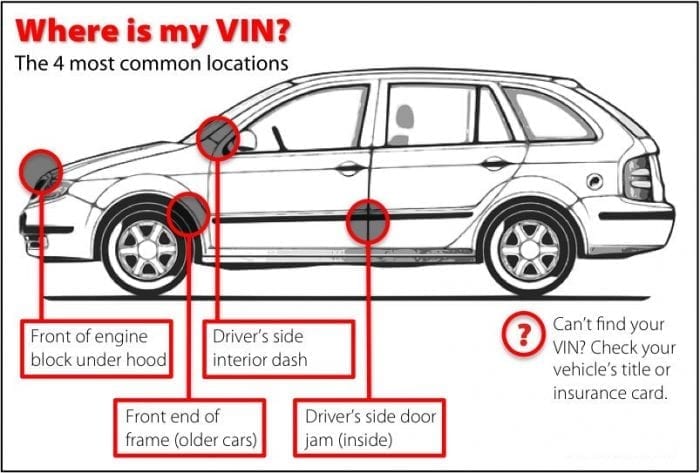
Dashboard
Look through the windshield on the driver’s side, near the base of the dashboard. The VIN is usually on a small plate that’s easy to read from the outside.
Driver’s Door Jamb Sticker
Open the driver’s door and check the sticker on the door frame. This label often includes the VIN plus other manufacturing details.
Vehicle Registration
Your registration paperwork usually includes the full VIN. This is useful when the dashboard plate is scratched or hard to read.
Insurance Card or Policy
Insurance documents often list the VIN. It’s a quick option if you’re not near the truck.
Title Document
If the seller has the title, the VIN will be printed there. Always compare it to the truck’s physical VIN locations before purchase.
Under the Hood
Some vehicles also show VIN-related labels under the hood. It’s not always the main VIN plate, but it can help verify consistency.
Explore Other RAM VIN Search Tools
These extra RAM search tools are handy when you’re buying, selling, or just trying to verify details without digging around.
A RAM window sticker is the factory “receipt” for the truck. It can show original trim, packages, standard features, and sometimes original pricing. It’s handy when two listings look similar, but only one truly has towing, tech, or interior upgrades.
A recall check shows whether a RAM has open recalls or recalls already completed. Some recalls are minor, but others affect safety or reliability. Checking recalls by VIN helps you avoid guessing, since not every recall applies to every truck.
A license plate lookup helps when the VIN isn’t available yet. It can support quick screening and basic verification, especially if a listing only shows the plate or hides the VIN in photos. It’s a practical first step before deeper checks.
A title check looks for title brands like salvage, rebuilt, or lemon when reported. It’s especially useful for private sales or out-of-state deals. This helps you confirm the legal status before you pay or try to register the truck.
Facts About RAM: Quick History, Identity, and Why People Love These Trucks
RAM trucks have a very specific reputation: big capability, work-ready attitude, and a loyal crowd that keeps the same truck for years. It’s one of those brands where owners actually remember their trim, engine, and axle setup like it’s part of their personality.
The Brief History of RAM
RAM, as a truck brand, grew out of Dodge’s truck lineup, which is why people still say “Dodge RAM” in casual talk. Today, RAM is positioned as its own brand under Stellantis, but the older naming overlap still shows up in documents and searches.
- Brand Family: RAM sits in the same broader family as Dodge, Chrysler, and Jeep, so “Mopar” terms still pop up around RAM VIN decoding.
- Truck-First Identity: RAM focuses on pickups and commercial vans, which is why most buyers care about towing, payload, and GVWR details.
- Diesel Reputation: The Cummins diesel option is a big reason RAM has a loyal heavy-duty crowd that keeps trucks for years.
- Trim Culture: RAM trims aren’t just cosmetics. Features and packages can swing value a lot, so VIN checks matter when shopping used.
- Collector Angle: Older RAM and classic Mopar-era trucks get bought, restored, and kept. VIN lookup helps confirm originality and reduce “story-only” claims.
Decode Your RAM VIN Now
Got a VIN? Run a RAM VIN decoder first to confirm the basics, then pull the full report if you want deeper proof like title brands, mileage records, lien/loan flags, damage indicators, and listing history.
Frequently Asked RAM VIN Questions
How to decode a Dodge Ram VIN number?
To decode a Dodge Ram VIN number, the first thing to do is paste the 17-character VIN into the PremiumVIN RAM VIN decoder. You’ll get the basics fast, then you can pull the full report if you want history like title, damage, liens, and listings.
Can I get RAM’s specs from the VIN?
Yes. Start with our VIN decoder RAM tool to confirm year, model, and key specs like engine/drivetrain when available. If you want deeper factory-level detail and equipment context, the full report usually gives you a more complete picture than a quick check.
Is a Dodge VIN lookup free?
Yes, a basic lookup can be free. With PremiumVIN, you can run a free RAM VIN decoder quick check to screen a truck early. If you need the heavy stuff (title brands, mileage entries, lien flags, auction notes), that’s typically in the paid report.
Can you tell the trim level by VIN?
Yes. To do it, first run our RAM VIN number decoder and compare the decoded trim with the listing. If the badge and VIN don’t match, you must treat the listing as “verify in person” before you pay.
How to decode a MOPAR VIN number?
To do it, first run the VIN in PremiumVIN, then review the decoded specs. If you want real history, you must open the full report, which includes title check, mileage, lien records, and more.