
Volkswagen VIN Decoder – Check Vehicle Details by VIN
Check Volkswagen VIN details instantly. Decode model, engine, trim, and factory specs. Upgrade to a full vehicle history report with accident, title, mileage, and ownership records.
What is the Volkswagen VIN Number?
A Volkswagen VIN number is a unique identification code assigned to every VW vehicle. Modern vehicles use a 17-character code made of letters and numbers. This code stores information about the vehicle’s manufacturer, model year, engine type, production plant, and other specifications.
Classic Volkswagen VIN Support
Older Volkswagens, especially classic Beetles and early Transporters, can have shorter VIN formats between 5 and 14 digits because the 17-digit standard became common after 1981.
You don’t have to read the characters yourself. Just enter the number into a Volkswagen VIN decoder using PremiumVIN. The system will do the search and show the key details connected to that vehicle. We also support classic VIN formats, including 5–14 digit Volkswagen VINs, which collectors often deal with.
What Can a Volkswagen VIN Decoder Show?
A Volkswagen VIN decoder can reveal valuable factory specifications linked to the vehicle’s VIN. This information helps buyers and owners verify that the vehicle matches the original build specifications.
Vehicle Identity
Model Year and Manufacturer
The VIN’s 10th character reveals the exact model year, while the first character identifies the country of origin (W for Germany, 3 for Mexico, 1/4/5 for USA).
Trim Level
Volkswagen trim levels include S, SE, SEL, SEL Premium, R-Line, Autobahn, GTI, Golf R, and base models. The decoder shows the exact trim configuration, which affects features and resale value.
Body & Chassis Details
Body Configuration
Confirms the number of doors, vehicle class, and whether it’s a sedan, hatchback, SUV, or wagon.
Dimensions and Weight
Includes wheelbase, length, width, height, curb weight, and GVWR where available.
Exterior Features
Original factory paint codes, wheel sizes, and exterior trim details from the build sheet.
Powertrain & Mechanical Specifications
Engine Type
Shows engine size, displacement, cylinder count, and fuel type. Volkswagen engines include TSI (turbocharged petrol), TDI (turbocharged diesel), e-Golf (electric), and ID series (electric).
Transmission and Drivetrain
Confirms transmission type (manual, automatic, DSG dual-clutch) and drive type (FWD, 4Motion AWD). Many Volkswagen SUVs offer 4Motion AWD options.
Fuel System and Induction
Identifies whether the engine is naturally aspirated, turbocharged (TSI), turbocharged diesel (TDI), or electric (ID series, e-Golf).
Safety & Equipment (Factory-Level)
Airbag System
Factory-installed airbag configuration, including number and locations of airbags.
Volkswagen Safety Features
Identifies factory-installed safety features such as forward collision warning, automatic emergency braking, blind spot monitor, rear cross-traffic alert, and adaptive cruise control.
Seat Belt and Restraint Systems
Factory-installed seat belt configuration and child seat anchor points.
Efficiency & Classification
EPA Vehicle Class
The Environmental Protection Agency’s classification for the vehicle (e.g., Compact Car, Midsize Sedan, Small SUV).
Fuel Economy Ratings
EPA-estimated city, highway, and combined MPG for gasoline models.
Emissions Classification
Greenhouse gas ratings and smog ratings where available.
How to Decode a VW VIN Number
Decoding your Volkswagen VIN is simple and takes less than a minute.

Step 1: Find Your VIN
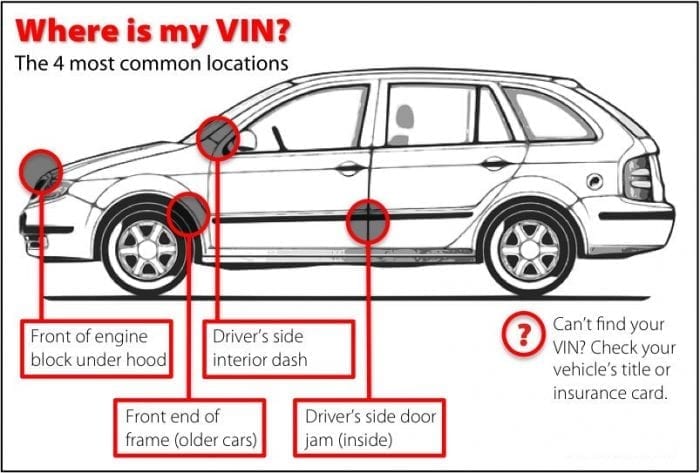
Find the 17-digit VIN number on the vehicle dashboard, driver-side door jamb, or registration documents. PremiumVIN also supports pre-1981 VIN formats.

Step 2: Enter the VIN
Type or paste the full Volkswagen VIN into the decoder tool above.

Step 3: Access Factory Specifications
Instantly view the vehicle's factory specifications, including engine, trim, transmission, and model year.
Where to Find Volkswagen Vehicle Identification Number?
A VIN is commonly found in a few standard places on the vehicle and paperwork.
Dashboard
Look through the windshield on the driver’s side dashboard. This is one of the most common VIN locations on modern vehicles.
Driver-side door jamb sticker
Open the driver’s door and check the sticker area on the door frame. Many vehicles list the VIN there for quick verification.
Registration and insurance documents
VINs are typically printed on registration cards and insurance paperwork, so you can find them even if the car is parked far away.
Under the hood or on the chassis
Some vehicles also have VIN stamps or labels under the hood or on key structural components.
How to Read a Volkswagen VIN Number
A modern VIN is usually 17 characters, and it’s split into three main parts: WMI, VDS, and VIS. This structure is widely used in the automotive industry, and in the U.S., the 17-character VIN is part of federal VIN requirements.
WMI (World Manufacturer Identifier)
The WMI is the first 3 characters of the VIN. It identifies the manufacturer and region, and it helps tell you if the vehicle is truly a Volkswagen (or at least registered under Volkswagen’s manufacturer identifiers). It’s like the VIN’s “family name,” and it’s a fast way to catch obvious mismatches.
WMI Character Meaning
- 1st character (region/country area): Example W often indicates Germany in WMI tables.
- 2nd character (manufacturer group): Combined with the first, it narrows the maker. Volkswagen WMIs are listed in common WMI tables.
- 3rd character (division/vehicle type): Can separate cars vs commercial vehicles or sub-groups, depending on the manufacturer’s system.
Example WMIs you may see for VW vehicles include WVW (Volkswagen car), WVG (Volkswagen SUV), WV1/WV2 (Volkswagen Commercial Vehicles), and 3VW (Volkswagen Mexico car).
VDS (Vehicle Descriptor Section)
The VDS is usually characters 4 to 9. This section describes the vehicle more specifically, such as vehicle attributes and configuration details, depending on the country rules and manufacturer coding. In some systems, this area helps represent the model line, body type, restraint systems, or engine-related identifiers.
VDS Character Meaning
- Characters 4–8: Vehicle attributes defined by the manufacturer’s coding system (model/body/engine family, depending on region).
- Character 9: In the U.S. system, position 9 is the check digit, used to validate the VIN.
VIS (Vehicle Identifier Section)
The VIS is usually 10 to 17 characters. This is the “identity” section that helps distinguish one Volkswagen from another, even if two cars look the same. In North America, position 10 often encodes the model year, and position 11 can identify the assembly plant, while later digits are the sequential production number.
VIS Character Meaning
- Character 10: Often represents the model year in North American VIN systems.
- Character 11: Often represents the plant code in North American VIN systems.
- Characters 12–17: Usually, the sequential number (the unique serial portion).
Who Should Use the Volkswagen VIN Lookup Tool?
A Volkswagen VIN lookup is not just for “car people.” It’s for anyone who wants fewer surprises later. A Volkswagen VIN decoder helps you confirm what the vehicle really is, and the paid report adds the history side of the story. If you’re buying, selling, collecting, or restoring a VW, this tool fits.
A quick Volkswagen VIN check helps you confirm the basics, and the premium report helps you spot patterns that sellers sometimes “forget” to mention.
Check whether the title is clean
A Volkswagen VIN check can highlight title brands like salvage or rebuilt when reported, which matters a lot for insurance, resale value, and peace of mind.
Get auction or listing clues
If auction or listing data exists, it can show how the vehicle moved through the market. That’s useful when the seller’s story feels a little too perfect.
Compare more than one VW before choosing
If you’re shopping, you can run multiple Volkswagen VIN lookups and compare results side-by-side. It’s a calmer way to buy.
Selling a Volkswagen is easier when you can back up your claims. A clean Volkswagen VIN lookup gives buyers confidence, and a premium report helps answer the “tough questions” before they turn into negotiations.
Prove the car’s exact specs to buyers
People ask about trim, engine, and features. A VW VIN decoder supports those answers quickly, especially for buyers who don’t speak the local language well.
Support trade-in conversations
For dealers, reports help explain why two similar Volkswagens don’t price the same. Historical differences matter, and the report makes that visible.
Provide proof for long-distance buyers
Out-of-town buyers rely on documentation. A downloadable report gives them something solid to review without guessing from photos.
Volkswagen collectors are a special group. Some care about originality. Some care about production details. Some just want to know if a “rare” VW story is real. A Volkswagen VIN decoder for collectors helps you check the basics, and the premium report adds the bigger history picture.
Understand older VIN formats
Not every classic Volkswagen uses a modern 17-character VIN. Older models often have shorter formats because standards changed over time.
Check for accident and damage history
Collectors prefer clean histories. If damage records exist, it helps you decide whether the VW is a keeper, a driver, or a full rebuild project.
Support restoration planning
Knowing the exact model and configuration helps restorers plan parts and budgets. It’s painful when you buy parts and realize the car isn’t what you assumed.
Supported Volkswagen Models
These are some popular Volkswagen models people search for, but our system can decode all VW models, all trims, and many classic formats too.
Arteon
Atlas
Atlas Cross Sport
Beetle
Bus
CC
Corrado
e-Golf
Eos
EuroVan
Fastback
FOX
Golf
Golf GTI
Golf III
Golf R
GTI
Jetta
Karmann Ghia
Passat
Phaeton
R32
Rabbit
Routan
Scirocco
Squareback
Taos
Thing
Tiguan
Tiguan 4Motion
Tiguan Limited
Touareg
Type 4 (411/412)
Type 3
Vanagon
Polo
T-Roc
ID.4
411/412
1500 (Type 3)
Why Users Trust Our Volkswagen VIN Decoder
People don’t want hype. They want clarity. Our Volkswagen VIN decoder is built to be straightforward, with free checks for quick screening and a premium report when you need the deeper history.
Daily data updates
Vehicle records change often, especially for listings and auctions. Regular updates help keep your Volkswagen VIN lookup from feeling stale, which matters when you’re shopping fast.
Unlimited free checks
You can run free Volkswagen VIN checks as often as needed for early screening. It’s useful when you’re comparing multiple cars and trying to narrow the list.
Most comprehensive database coverage
We pull Volkswagen record types from multiple sources, so you’re not relying on a single dataset. That wider coverage improves the odds that important events and timelines show up clearly.
High accuracy, cross-checked results
VIN decoding follows standard VIN structure rules, and we cross-check details across sources when possible. That helps reduce mismatches and gives you cleaner results.
24/7 customer support
Car problems don’t wait for business hours. If you’re stuck on a VIN question, support is available so you can keep moving.
Downloadable PDF
A PDF is easy to save, send, or print. For older buyers and collectors, that matters. It keeps everything in one place, without hunting through emails.
Need More Than Specs? Get VW Vehicle History Report
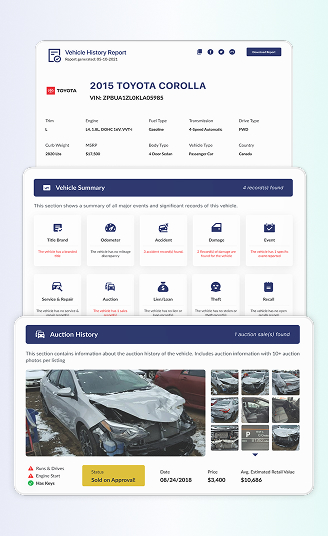
Running a Volkswagen VIN check does more than confirm the vehicle specifications. The PremiumVIN system collects records from multiple databases and builds a clear history report for the specific Volkswagen vehicle.
For buyers, collectors, and even long-time owners, this Volkswagen VIN lookup helps confirm authenticity, detect hidden issues, and review how the car was used before. The report covers technical specifications, ownership records, title history, accident reports, and much more.
Let’s walk through what is included
Vehicle Specifications
A Volkswagen VIN decoder will show the technical identity of the vehicle. This section explains the production details recorded by the manufacturer and other verified sources. It helps confirm whether the vehicle matches the seller’s description.
Year, Make, Model
The Volkswagen VIN number decoder identifies the model year and confirms that the vehicle is truly a Volkswagen. It also displays the model name, such as Golf, Passat, Jetta, Tiguan, or classic Beetle models.
Trim
Many Volkswagen vehicles have different trim levels. The VIN decoder identifies the trim package, which helps determine available features, technology packages, and interior upgrades.
Engine Specifications
The report will show the engine type installed in that Volkswagen. For example, turbocharged petrol engines, diesel TDI engines, or modern electric powertrains are used in the ID series.
Transmission Type
You will see the transmission used in the vehicle. It can confirm whether the car uses a manual, automatic, or DSG dual-clutch transmission system.
Lien / Loan Records
A Volkswagen VIN check can also show whether the vehicle was financed and whether a lender still has a legal interest in it.
Lien Record Identification
The report will show if a lien or loan was ever registered against the Volkswagen.
Dates and Locations
It provides the date when the lien was recorded and the state where it was filed.
Lien Release Status
If a loan has been fully paid, the report may show when the lien was released.
Accident History
Accident records are essential when reviewing a used vehicle.
Number of Accidents Reported
The report shows how many accidents were officially recorded for that Volkswagen.
Date of Reported Accidents
Each incident includes the approximate date when the accident occurred or was reported.
Reported Accident Location
The system identifies where the accident happened based on available records.
Damage Check
Damage history can help buyers avoid hidden problems.
Flood Damage
Flood damage is particularly serious. A Volkswagen VIN lookup can reveal if a vehicle was exposed to water damage.
Hail Damage
Vehicles located in storm-prone regions sometimes experience hail damage, which may appear in the report.
Structural Damage Records
If structural damage was reported during inspections, the VIN report may include this information.
Title Brand Check
A Volkswagen VIN check can also reveal important title branding information. Title brands indicate whether a vehicle has experienced serious issues in its past.
Salvage
A salvage title means the Volkswagen was once declared a total loss by an insurance company. This can happen after accidents, flooding, or other major damage.
Rebuilt
Some salvaged Volkswagen vehicles are repaired and inspected before returning to the road. A rebuilt title indicates the vehicle was restored after significant damage.
Lemon
A lemon title may appear when a vehicle has repeated manufacturer defects that could not be properly fixed.
Ownership Records
Ownership records help you understand how the Volkswagen has been used throughout its life. This is especially useful for buyers considering a used vehicle.
Owner Count
The report identifies how many owners Volkswagen has had. Vehicles with fewer owners sometimes indicate more consistent care.
Ownership Timeline
The timeline shows when ownership changed and how long each person kept the vehicle.
Vehicle Use Type
The Volkswagen VIN lookup can show whether the car was used as a personal vehicle, rental car, fleet vehicle, or commercial vehicle.
Recalls Check
Automakers occasionally issue recalls to fix safety problems. A VW VIN decoder helps identify whether the Volkswagen was affected by any official recall campaigns.
Open Recall Information
This section lists recalls that remain unresolved. If the repair has not been completed yet, the vehicle owner may still need to schedule the fix through an authorized Volkswagen dealership.
Completed Recall Events
If a recall repair was already performed, the VIN report can confirm that the issue was resolved according to manufacturer records.
Manufacturer and Safety Agency Notices
Recall information often comes from Volkswagen itself as well as national safety agencies. These notices help owners understand why the recall was issued and what part of the vehicle was affected.
Odometer Records
Mileage information is one of the most important details when evaluating a vehicle.
Mileage History from Multiple Sources
The report compiles mileage records collected from inspections, registrations, and service visits.
Rollback Detection and Alerts
If the mileage appears inconsistent or suspicious, the system can flag possible odometer rollback.
Recorded Mileage Events
Mileage readings are listed chronologically so you can follow the vehicle’s usage history over time.
Stolen Check
Vehicle theft databases are another important part of a Volkswagen VIN lookup.
Stolen Status Check
The VIN report checks law enforcement and vehicle theft databases to see if the Volkswagen is currently listed as stolen or missing.
Recorded Theft Incidents
If the vehicle was previously reported stolen, the report may include details about when the theft occurred and whether the vehicle was later recovered.
Auction History
Some vehicles pass through auctions before reaching dealerships or private buyers.
Auction Date and Location
The report may list the auction event where the Volkswagen appeared, including the approximate date and location of the sale.
Sale Price
Auction records sometimes include the final sale price. This information helps estimate the vehicle’s value at the time of the auction.
Condition Notes
Auction listings often include short descriptions of the vehicle’s condition. These notes may mention damage, cosmetic issues, or mechanical concerns noticed during inspection.
Ashley’s Volkswagen VIN Check: What the Report Shows
A Volkswagen VIN decoder is not just for “identifying the car.” It is for verifying the story around the car. In Ashley’s case, the PremiumVIN report quickly confirmed the basics and surfaced records that changed how she handled the purchase conversation.
Sample Report: WVWSR7AN3NE011974
Initial Impression
Ashley found a 2022 Volkswagen Arteon that looked clean in photos and drove well on a short test. Before negotiating, she ran a Volkswagen VIN number decoder and then opened the PremiumVIN report to check title history, accident history, auction activity, and usage type.
Critical Findings
- Branded title present. The vehicle shows a branded title, and the title-brand section specifically lists salvage and rebuilt/rebuildable records.
- Accident record on file. The report lists one accident, reported 04/22/2023, located in GA, sourced from a police report, and notes the vehicle was towed.
- Auction sale history. The vehicle shows one auction record: Sold on 05/31/2023 in Macon (GA) for $425, with seller type listed as Enterprise. Title/condition also notes primary damage as “All over.”
- Rental and lease usage indicators. The usage section lists both rental and lease usage records, which is important when a listing claims “private, one-owner, gently used.”
Outcome
Ashley did not argue or accuse. She used the Volkswagen VIN check results to ask direct, document-based questions: title status details, repairs after the accident date, and why the vehicle appears in an auction record. If answers did not match the records, she walked away.
Lessons Learned
A Volkswagen can look excellent and still have serious paperwork and event history behind it. Ashley’s approach was simple: run a Volkswagen VIN lookup early, confirm the title and accident sections, then decide whether the deal deserves more time.
Free Volkswagen VIN Decoder vs Full History Report
A free VW VIN decoder is like reading the book cover. A paid report is like reading a few chapters. You don’t always need the full story, but it helps when the seller’s story feels too neat. See the details below:
| What You Can Check | Free Volkswagen VIN Decoder (Quick Check) | Premium Volkswagen Vehicle History Report (Full Report) |
|---|---|---|
| Volkswagen year, model, and make | ✓ Confirms basic identity | ✓ Fully confirmed with production details |
| Basic Volkswagen specs (engine, body, trim) | ✓ General specifications | ✓ Complete factory specifications |
| Title status (e.g., salvage, rebuilt, lemon) | Basic status hint only | ✓ Full title brand history |
| Accident history check | Not available | ✓ Detailed accident records when reported |
| Mileage and odometer records | Not available | ✓ Multiple recorded mileage entries |
| Odometer rollback/mileage inconsistency checks | Not available | ✓ Rollback flags and inconsistency alerts |
| Auction history and photos | Not available | ✓ Auction listings and images when available |
| Online listings and advertised sales | ✓ Current listing snapshot (when available) | ✓ Listings and advertised sales records |
| Timeline of previous listings and sales | Not available | ✓ Timeline of past listings and sale activity |
| Sales listings records & photos | Not available | ✓ Listing records and photos (when available) |
| Volkswagen market value estimate | Not available | ✓ Value estimates and pricing ranges |
| Number of previous owners | Not available | ✓ Owner count (when available) |
| Past vehicle use (private, rental, fleet, commercial) | Not available | ✓ Use-type indicators when reported |
| Outstanding loans or lien records | Not available | ✓ Lien/loan flags when reported |
| Stolen vehicle check | Limited check | ✓ Detailed theft records if reported |
| Flood, fire, or hail damage indicators | Not available | ✓ Damage-event indicators when reported |
| Reported service or repair history | Not available | ✓ Service/repair records (when available) |
| Recall and warranty information | Limited overview | ✓ Recall history and basic warranty status |
| Downloadable PDF report | X Not included | ✓ Yes, easy-to-save PDF |
| Best suited for | Quick Volkswagen VIN lookup and early screening | Buyers, sellers, collectors, and serious checks |
How to Get a Volkswagen Vehicle History Report by VIN Number Lookup
This part is simple. You don’t need to “study VINs.” You just need the number and a couple of minutes.
Step 1: Enter Your VIN
Paste your Volkswagen VIN into the tool.
Step 2: Review the Preview
Check the preview for basic identity details first. If anything looks off, pause and confirm the VIN matches the vehicle’s paperwork.
Step 3: Get the Report
Purchase the full report when you need deeper history details like title events, accident records, and mileage records (when reported).
Explore Other Volkswagen VIN Search Tools
Want to go beyond a normal Volkswagen VIN decoder? See other Volkswagen tools below.
A window sticker (often called a Monroney label) shows how the Volkswagen was equipped when it left the factory. That includes original MSRP, installed packages, and standard features.
A recall check helps you see open safety recalls tied to the VIN. This matters because some recalls are free repairs through the proper recall process, but they still need to be done.
Sometimes you don’t have the VIN right away. A license plate lookup can help you start the search and connect the vehicle to available records, depending on the region and data coverage. It’s useful for quick screening when you’re browsing listings and the seller isn’t responding yet.
A title check helps confirm whether the Volkswagen has been branded salvage, rebuilt, lemon, or other title status types when reported. This impacts resale value and insurance, and it can affect whether a bank wants to finance the vehicle.
The Story Behind Volkswagen and Its Iconic Models
Volkswagen is one of the most recognizable automotive brands in the world. The name itself means “people’s car” in German, which already hints at the company’s original idea: making reliable vehicles that ordinary drivers could afford.
Over the decades, Volkswagen has built everything from small city cars to modern electric vehicles. The brand is also known for its long production history and models that stayed popular for generations.
The Brief History of Volkswagen
Volkswagen was founded in Germany in the late 1930s and became globally famous after World War II with the success of the Volkswagen Beetle. Over time, the company expanded its lineup and eventually became part of the larger Volkswagen Group, which now owns several well-known automotive brands.
- The Volkswagen Beetle became one of the best-selling cars in history, helping the brand gain global recognition.
- Volkswagen introduced models like the Golf, Passat, and Jetta, which became everyday vehicles for drivers around the world.
- The company now produces electric vehicles such as the ID series, reflecting its shift toward modern mobility technologies.
Volkswagen vehicles are now sold in many countries, and their VIN numbers follow standardized formats that allow tools like the Volkswagen VIN decoder to identify detailed production information.
Decode Your Volkswagen VIN Now
Decode your Volkswagen VIN today and verify the vehicle details within seconds. PremiumVIN provides both free VIN decoding and access to full vehicle history reports when needed.
Enter your Volkswagen VIN to decode the vehicle’s original specifications, verify factory details, and confirm the vehicle matches its listing. Use our Volkswagen VIN decoder today to access accurate Volkswagen vehicle specifications in seconds.
Frequently Asked Volkswagen VIN Questions
How do I decode a Volkswagen VIN number?
You can decode a Volkswagen VIN by entering the 17-character VIN into the PremiumVIN Volkswagen VIN decoder. The system automatically reads the VIN structure and returns details such as model, year, engine type, and manufacturing plant.
How can I check my VW VIN for free?
A free Volkswagen VIN lookup can be done using the free PremiumVIN decoder tool. This free check confirms the vehicle’s basic identity and specifications before deciding whether to access the full vehicle history report.
Where is the Volkswagen VIN?
The Volkswagen VIN is commonly located on the driver-side dashboard near the windshield, inside the driver-side door frame, and on vehicle documents such as registration or insurance papers.
How to tell if my VW is German or Mexican-built?
The VIN contains a section called the WMI (World Manufacturer Identifier). This part indicates the manufacturing region and manufacturer code, which can reveal where the Volkswagen was assembled. You didn’t need to remember the code; just input the VIN into the PremiumVIN VW decoder, and you will know instantly where your vehicle’s original build is.
Can VIN confirm if my VW has a TSI or TDI?
Yes. A VW VIN decoder can identify engine type information linked to the vehicle’s production data. This helps confirm whether the vehicle uses a TSI gasoline engine or a TDI diesel engine.
How to see if VW recalls apply to my VIN?
You can check recalls by running a VIN search using a Volkswagen VIN lookup tool. The VIN allows the system to identify recalls issued for that specific vehicle model and production batch.
Can you look up model by VIN number?
Yes. Entering a VIN into a Volkswagen VIN number decoder allows the system to identify the vehicle’s model, trim level, and production year.
Do VIN checks reveal theft or fraud records?
A full Volkswagen VIN check can show theft indicators and fraud warnings if they are reported in available databases. This helps buyers avoid vehicles with suspicious history records.
What if my VIN has fewer than 17 characters?
Some older vehicles, especially those produced before the standardized VIN system, may have shorter VIN formats. PremiumVIN can decode many classic Volkswagen VIN numbers, including those with fewer than 17 characters.
Is using an online VIN decoder safe and legal?
Yes. Using a VIN decoder is a standard method for verifying vehicle information. VIN numbers are designed to be publicly readable identifiers for vehicles and are commonly used in vehicle history checks.