
MSRP Lookup by VIN - Check Your Car's Price
Use our MSRP lookup by VIN tool to find the vehicle’s original MSRP, factory-installed options, trim details, and standard equipment. Enter any VIN to instantly check the manufacturer’s suggested retail price before buying, selling, or valuing a vehicle.
What Is an MSRP Lookup by VIN?
An MSRP lookup by VIN is a tool that retrieves the vehicle’s original manufacturer’s suggested retail price (MSRP) using the VIN number. The VIN contains factory information that can be used to identify the vehicle’s original pricing details, trim level, options, and standard equipment.
Running an original MSRP lookup by VIN helps buyers and sellers verify what the vehicle cost when it was new, including the value of installed packages and factory options. This information is useful when evaluating a used vehicle, confirming the original equipment, or comparing the original price to the current market value.
What You’ll Find With an MSRP Lookup by VIN
For buyers and sellers, knowing the MSRP (Manufacturer’s Suggested Retail Price) is crucial because it helps to set the buying and selling prices accordingly. That is why the car MSRP lookup tool is here to uncover the complete MSRP breakdown.
The Original Price Breakdown
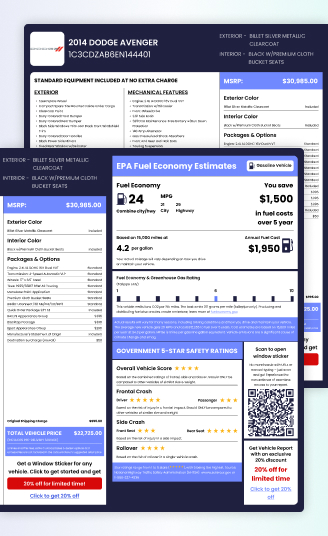
The original window sticker or Monroney label provides a detailed breakdown of how the vehicle was priced when it left the factory. This includes its base cost, factory upgrades, and delivery charges.
Base MSRP
The starting price was set by the manufacturer before any upgrades or packages were added. This figure appears on the factory window sticker and serves as the foundation of the vehicle’s total MSRP.
Factory-Installed Options
Optional upgrades are installed during production, such as technology packages, premium audio, or safety features. These options are listed on the build sheet and included in the window sticker.
Destination & Delivery Charges
A standard transportation fee covers the cost of shipping the vehicle from the factory to the dealership. This charge is listed on the window sticker and included in the total MSRP.
Total MSRP
The final Manufacturer Suggested Retail Price combines the base MSRP, all factory-installed options, and destination charges. On the window sticker, the complete information of the total MSRP.
Why Does the Original MSRP Matter?
Have you ever imagined a seller mistakenly priced the vehicle because the seller did not know the base price? That is why it is crucial to know the vehicle’s MSRP to help with vehicle pricing and negotiate better with the seller.
How MSRP Lookup by VIN Helps Buyers
Buyers can use the MSRP lookup by VIN to check the detailed information of the vehicle’s MSRP breakdown to verify the installed features price, compare it to the current market price, and to avoid overpaying.
Verify Factory-Installed Features
Checking the car’s MSRP breakdown helps buyers confirm which options and packages were actually installed at the factory. A seller might claim “Premium Package,” but the MSRP lookup reveals whether that package was ever included.
Compare Original MSRP to Current Price
Buyers can compare the vehicle’s original MSRP with today’s listing price to understand how much the car has depreciated. A vehicle that stickered at $50,000 and now sells for $25,000 has depreciated 50%—useful context for negotiations.
Avoid Overpaying
If a seller claims a vehicle has rare options worth thousands, the MSRP lookup confirms whether those options were actually installed. This prevents you from paying a premium for features that don’t exist.
How MSRP Lookup by VIN Helps Sellers
Sellers can use our window sticker by VIN to show the vehicle’s original price, installed options, and trim configuration. This information builds credibility and helps justify the asking price when listing a vehicle.
Build Credibility
Sellers can use the MSRP lookup to show the vehicle’s original price, installed options, and trim configuration. This information builds buyer trust and helps justify the asking price.
Highlight Factory Equipment
The MSRP report shows exactly which options and packages came from the factory. Sellers can use this to differentiate their vehicle from base models and justify a higher price.
How MSRP Lookup by VIN Helps The Current Owners
Owners often use the build sheet by VIN tool to review their vehicle’s original configuration. It also helps when ordering parts, confirming equipment, or understanding the vehicle’s factory specifications.
Review Original Configuration
Owners often use the MSRP lookup to review their vehicle’s original configuration. This helps when ordering parts, confirming equipment, or understanding factory specifications for insurance purposes.
Plan for Resale
Knowing your vehicle’s original MSRP and options helps you set a realistic asking price when it’s time to sell.
Confirm Vehicle Specifications
An MSRP lookup can help owners verify the trim, packages, and factory equipment tied to the vehicle. This is useful when documenting the vehicle or checking its specifications.
MSRP vs. What You Actually Pay
The MSRP listed on the window sticker represents the price recommended by the manufacturer when the vehicle was just produced. However, the final price paid by the buyers depends on many factors, such as market demand, dealer pricing strategies, and vehicle depreciation.
Understanding New Car Pricing
A window sticker by VIN provides a transparent view of how a vehicle’s price was structured at the time of sale. To check the car price when it’s new, examine the Monroney label, which outlines the base price, factory options, and destination charges that make up the total MSRP.
MSRP vs. Market Value
MSRP is the price suggested by the manufacturer to keep pricing consistent across dealerships. Market value, on the other hand, is what the car actually sells for, which can go up or down depending on demand and local conditions.
MSRP vs. Invoice Price
The invoice price is what the dealership pays the manufacturer for the vehicle, and it is usually lower than the MSRP. While it gives a rough idea of dealer cost, it may not reflect incentives, rebates, or holdbacks that can further affect the final deal.
Dealer Markups
In high-demand markets, dealerships may sell vehicles above the listed MSRP. The tip is to compare the current market price and MSRP to see how much the dealer has marked up the vehicle.
Depreciation Calculation
The original MSRP serves as the starting point for calculating depreciation. By comparing the original price from the window sticker lookup with the current market value, buyers and sellers can estimate how much the vehicle has depreciated over time.
How to Find MSRP on A Used Car by VIN
No need to spend hours to get the car’s MSRP because you can get it in less than one minute. Use our service to get the right information on a used car’s MSRP.

Step 1: Find the VIN
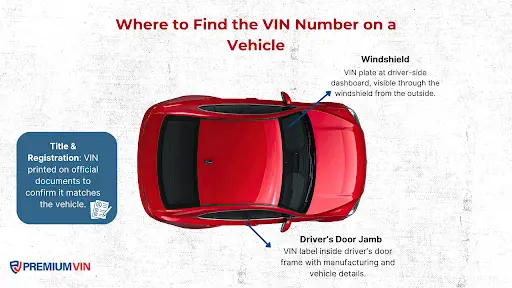
Check the driver’s side doorjamb and on the vehicle’s paperwork, like the bill of sale or owner’s manual.

Step 2: Fill Out the Form
Click on the form, then write down the VIN. Be sure to click on the button to submit the VIN.

Step 3: Get the Window Sticker
Wait for a few seconds for the window sticker to be generated. Check the preview page and proceed to payment to get the full window sticker.
Where to Find the VIN Number
To find the VIN number, you can examine these locations on the vehicle body and its paperwork. Check these locations for the VIN.
Dashboard
Most vehicles have the VIN etched on the dashboard, visible through the windshield on the driver’s side. This is the most common location for performing a window sticker lookup.
Driver's Door Jamb
Check the sticker inside the driver’s door jamb. It often lists the VIN, trim, tire specs, and more.
Vehicle Paperwork
The vehicle’s VIN is also recorded on the title, registration, and insurance documents. Examine the bill of sale and owner’s manual as well.
Real Story: How MSRP Info Saved a Used Car Buyer
A buyer found a used 2015 Ford F-150 listed at a price that seemed fair for a higher trim. The seller claimed it was well-equipped and priced “below market.” The buyer checked the original MSRP for the used car by VIN.
What the MSRP Report Revealed
The MSRP report showed the original pricing breakdown, including base price and added options. It made it easy to see whether the current asking price made sense.
Actual Package Content
The report confirmed the truck was an XLT with Equipment Group 300A, not a higher Lariat trim.
It also showed the exact add-ons included, like the 5.0L V8 engine, Trailer Tow Package, and SYNC system, which are useful but not premium-level packages that significantly raise value.
Original MSRP
The original MSRP came at $34,745. But the truck was listed at around $22,000, which is closer to what some Lariat models sell for in the used market.
The Outcome
With the MSRP data, the buyer had solid proof of the truck’s original value. They used it to question the pricing and push back with real numbers.
In the end, they negotiated the price down to about $19,000, saving roughly $3,000 by not overpaying for features the truck didn’t have.
Why You Need to Use Our Original MSRP VIN Lookup
An MSRP lookup gives you a clear picture of a vehicle’s original price and factory details. Our tool keeps the process simple, so you can get reliable information without dealing with confusing steps or delays. Here’s why it stands out.
Fast Results, No Waiting Around
Just enter the VIN, and the details show up in less than thirty seconds. There’s no long process or extra steps to slow you down.
Accurate Factory Data You Can Trust
The information comes from original factory records, so you can see the true MSRP, trim, and features the vehicle had when it was new.
Easy to Use from Start to Finish
No guesswork involved. Enter the VIN and the system does the rest, making it simple even if it’s your first time using a lookup tool.
Works for a Wide Range of Vehicles
The tool supports many makes and models, from popular brands to less common ones, so you can run a check without limitations.
Common Myths About MSRP
Do you know that MSRP has a different myths going around among used car buyers or even new sellers? Here’s a complete compilation of the myths and the reality of MSRP.
Myth 1: MSRP Is the Price You Pay
MSRP is a suggestion, not a requirement. In competitive markets, you can negotiate below MSRP. In high-demand markets, you may pay at or above MSRP.
Myth 2: How to Know If You're Getting a Good Deal
Research invoice pricing, check manufacturer incentives, and compare dealer offers in your area.
Myth 3: Invoice Price Is What the Dealer Really Pays
Dealers often pay less than invoice due to manufacturer incentives like holdback (typically 2-3% of MSRP), volume bonuses, and regional promotions.
Myth 4: MSRP Includes All Fees
MSRP includes destination charges but does not include taxes, registration fees, or dealer-added accessories (like window tint, paint protection, or extended warranties).
Myth 5: MSRP Doesn't Matter for Used Cars
The MSRP is valuable context for used car buyers. It helps verify seller claims, understand depreciation, and compare similar vehicles.
Do a Quick Fact Check With Our Tools
Need to perform a quick fact check before purchasing a used vehicle? Use our other vehicle check tools to retrieve a vehicle report that shows you the records in seconds!
Check any vehicle’s options easily by using the VIN. Find out
See the fuel economy for any makes and models to maximize fuel usage.
Different trims come with different prices. Check the car trim package by VIN to ensure it matches the selling price.
Always make sure the car passes all the safety tests before you decide to take it home.
Lookup MSRP by VIN For All Manufacturer
Our MSRP lookup tool supports a wide range of manufacturers. Select your vehicle make to retrieve the original factory price by VIN.
Don’t Pay More Than the Car is Worth
A seller’s asking price is not the same as the car’s original value. Check the MSRP by VIN before you decide to make a purchase to avoid overpaying.
FAQs About MSRP Lookup by VIN
Can I use MSRP to negotiate a used car price?
Yes, the original MSRP (Manufacturer’s Suggested Retail Price) can provide helpful context when negotiating a used car price. However, it’s usually better to rely on current market values from sources like Kelley Blue Book or comparable listings to judge whether the asking price is reasonable.
What is the difference between MSRP and market value?
The original MSRP is the price the manufacturer assigned to the vehicle when it was new.
Market value is the vehicle’s current value based on factors such as:
- Age
- Mileage
- Condition
- Demand
- Vehicle history
An original MSRP lookup by VIN helps buyers compare the vehicle’s original retail price to the current asking price and better understand its value.
Why do you need to know a car's MSRP?
Knowing a car’s MSRP (Manufacturer’s Suggested Retail Price) gives you a clear starting point when negotiating, setting a budget, or comparing prices across dealers. It helps you spot inflated markups and serves as a reliable reference when estimating how the vehicle’s value will drop over time.
Is MSRP the same as what the first owner paid?
No, MSRP is not always the price the first owner paid for a new car. It represents the manufacturer’s suggested sticker price, but the final purchase price often changes due to dealer negotiations, incentives, market demand, or additional options.
Can I get the MSRP for a classic or vintage car?
Yes, the original MSRP for many classic and vintage cars can still be found through specialized valuation tools, historical records, and automotive databases. While collector car values depend more on rarity, condition, and demand, original pricing information is often available for reference.
What's the difference between MSRP and invoice price?
MSRP is the price recommended by the manufacturer and typically shown on the vehicle’s window sticker. The invoice price is the amount the dealer pays the manufacturer. Because MSRP is usually higher, it creates room for dealer profit, incentives, and negotiated discounts.
What does MSRP stand for?
MSRP stands for Manufacturer’s Suggested Retail Price, often referred to as the sticker price or list price. It’s the price the manufacturer recommends dealers charge for a vehicle, though the final sale price can be higher or lower depending on negotiations and market conditions.
How do I find my car's original MSRP?
To find your car’s original MSRP, start by using a VIN lookup service to access the vehicle’s details. You can then retrieve the factory window sticker from the manufacturer or from services like PremiumVIN that provide original pricing and installed options.