

Every car leaves the factory with a unique set of features, packages, and upgrades. These are known as factory options, and they can significantly affect a vehicle’s value, performance, and desirability.
That “Premium Package” adds thousands to the resale value. The “Sport Package” changes suspension tuning and appearance. But how do you know what a specific car actually has?
The most reliable way is to find factory options by VIN. In this guide, you’ll learn exactly how to do it, why it matters, and which tools give you the most accurate results.
What Are Factory Options?
Factory options are additional features installed by the manufacturer when the vehicle was built—distinct from standard equipment that comes with every vehicle of that trim level.
Examples of Factory Options
Not all upgrades are created equal. Some change how the car feels to drive; others just make daily use a bit nicer. Either way, these options often shape how a vehicle is perceived and priced. Check the section below to see the complete vehicle’s factory options.
Technology Packages
Larger touch screens, built-in navigation, premium audio, and wireless charging. These features often define how modern (or outdated) a car feels.
Safety Packages
Features like adaptive cruise control, blind spot monitoring, lane keep assist, and automatic emergency braking can significantly improve vehicle safety.
Comfort Features
Heated and ventilated seats, premium leather upholstery, sunroof, and ambient lighting. These are the touches that make a car comfortable and feel premium.
Performance Upgrades
Upgraded engines, sport-tuned suspension, performance exhaust, and larger brakes. More power and sharper handling make people love the car even more.
Appearance Packages
Let’s not lie, sometimes people decide to purchase a vehicle because it looks nice. Unique paint colors, upgraded wheels, body kits, and interior trims can make a car stand out.
Factory Options vs. Standard Equipment
This is where plenty of buyers tripped out. Two cars can have the same models, but they could feel different due to different options and features added into it.
Standard Equipment
Features included with the base trim level—no additional cost.
Factory Options
Extra features that cost more and are installed during production.
Why the Distinction Matters
A vehicle’s value is determined by both its trim level and the options added on top.
Why Factory Options Matter
Factory options are features added during production, chosen when the car was ordered, not installed later. They’re different from standard equipment, which comes with every car of that trim. In simple terms, options are the extras that make one identical model feel completely different. Understanding this helps you to make a better decision before purchasing the vehicle.
Determine True Value
A vehicle that has added features has different pricing compared to a vehicle with no added feature options. This is where a deal is made or broken. Here’s the explanation why:
Resale Impact
Vehicles with premium packages often have significantly higher resale value.
Rare Options Command Premiums
Vehicles equipped with premium packages tend to hold stronger resale value. Buyers are often willing to pay more for added convenience or safety—especially when those features are factory-installed.
Depreciation Varies
Not every option has the same longevity. Leather interiors and safety features tend to hold value better, while expensive audio systems or older tech can lose appeal and value fairly quickly.
Verify Seller Claims
Not all sellers are honest enough to write down the actual specifications, features, and options, and that is why you need to check everything thoroughly before you decide to purchase the vehicle.
Spot Misrepresentation
Features get listed that were never there to begin with. It could be an honest mistake—or not. Either way, checking factory options helps you separate fact from assumption.
"Fully Loaded" Means Nothing
It sounds convincing, but it’s vague. Without verifying the actual options, “fully loaded” doesn’t guarantee anything. It is recommended that you run a VIN check to see the complete data.
Protect Yourself from Overpaying
Sometimes, buyers pay for some options that do not even exist–and it happens quite often. Always verify the complete information to make sure you don’t overpay.
Compare Vehicles Accurately
Comparing cars without looking at their added options is like comparing houses but not checking the inside area–you missed the crucial details. Here’s why you need to compare both vehicles accurately so you do not miss any important details.
Apples-to-Apples Comparison
Same model, same year—but completely different setups. One might have safety packages and a premium interior, while the other is barebones. This is one of the reasons why you find the same vehicle but with a price gap.
Option-by-Option Matching
Instead of relying on trim names, compare the actual features. It’s a more precise way to evaluate value, especially when flipping cars or negotiating deals.
Plan for Modifications
Even if you’re planning to upgrade, factory options still play a role. In fact, they should be your starting point.
Know Your Baseline
Before you add any aftermarket parts, try to understand what the car has. You might find it’s better equipped than expected—or missing something critical.
Avoid Duplicate Features
It’s easy to overspend on mods that duplicate factory-installed features. It is easy to check everything before getting what the car already has.
Best Ways to Find Factory Options by VIN
Here are the most reliable methods, ranked from easiest to most detailed. Some tools give you the surface level of information, and others can go deeper.
Window Sticker Lookup
A window sticker by VIN tool can be used to check the full information on the vehicle’s factory options. The window sticker provides clear and sharp information about the vehicle.
What It Shows
Once you get the window sticker, you’ll get to see this information:
- All factory-installed packages (with names and prices).
- Standalone options (sunroof, premium audio, etc.).
- Standard equipment by trim level.
- Original MSRP breakdown.
Why It's Effective
Manufacturers are required by law to list every option with its price on the window sticker. Through examining the window sticker, you’ll get to see the detailed breakdown of the MSRP, specifications, safety ratings, fuel economy, and more.
Manufacturer Owner Portals
This option sits somewhere in the middle. It is official and often comes with 0 costs.
Free but Limited
Brands like BMW, Mercedes-Benz, and Ford offer owner portals where you can access vehicle specs. The catch? The level of detail varies, and full option breakdowns aren’t always included.
Step-by-Step: How to Find Factory Options by VIN
To find the factory options by VIN, you can follow these simple steps and get the result in less than a minute.
Step 1: Locate the VIN
To begin the steps, you need to find the VIN of any vehicle you want to check. See the section below to see where to find it.
Where to Find It
Check on these locations to find the VIN on a vehicle.
- Dashboard near the windshield (driver’s side).
- Driver’s side door frame sticker.
- Vehicle registration documents.
- Insurance card.
- Vehicle title.
Step 2: Choose a Trusted VIN Lookup Tool
Once you have the VIN, you will need to use a trusted VIN lookup to get the window sticker or build sheet.
What to Look For
Once you get the service provider, look closely at their homepage and make sure they have good ratings on these:
- Access to manufacturer window sticker data.
- Build sheet retrieval capability.
- Positive customer reviews.
Recommended Service
PremiumVIN provides both window stickers and build sheet data from factory records. You can use our service and get the window sticker for any vehicle for only $19.99/sticker.
Step 3: Fill Out the Form
Once you have the VIN, click on the form and write down the VIN. After that, click on the button to submit the form.
Step 4: Get the Window Sticker
Check on the preview page to see complete specifications and market value, then proceed to payment to get the full window sticker.
What to Check
Focus on option packages, standalone features, and anything that affects pricing or desirability. Look for mismatches with the seller’s listing, rare configurations, and features that could influence resale or ownership costs.
- Packages (Technology Package, Premium Package, etc.).
- Standalone options (sunroof, heated seats).
- Included upgrades within each package.
Factory Options vs. Aftermarket Modifications
It’s important to distinguish between factory-installed options and changes made after the vehicle left the factory.
Comparison Table
Take a look at the comparison table and make sure to understand the differences between factory options and aftermarket modifications.
| Feature | Factory Options | Aftermarket Modifications |
|---|---|---|
| Installed by | Manufacturer | Owner or third party |
| Recorded in VIN data | ✅ Yes | ❌ No |
| Affects resale value | ✅ Typically higher value | ⚠️ Depends on quality and demand |
| Reliability | ✅ Factory standards, warranty | ⚠️ Varies widely |
| Insurance impact | ✅ Generally covered | ⚠️ May require additional coverage |
| Verification method | VIN lookup, window sticker | Physical inspection |
Why the Distinction Matters
Plenty of buyers might not understand the differences between factory-installed options and aftermarket modifications, and that confusion can lead to overpaying, misjudging value, or assuming features are original when they’re not.
Common Factory Option Categories
Factory options aren’t random—they’re grouped into categories that influence how a car feels, performs, and ultimately how much it’s worth. Some add real utility; others are more about perception. Both still matter.
Technology Packages
Technology is often the first thing people notice. A car with better tech can feel newer, even if it’s a few years old.
What They Include
These packages often include larger screens, better sound systems, navigation, wireless charging, and phone connectivity. They focus on making the driving experience more convenient and connected.
Value Impact
High. Many buyers expect modern tech, so cars with these features are usually easier to sell and may hold their value better.
Safety and Driver Assistance Packages
Safety features are becoming more important each year. Buyers now pay close attention to what a car offers in this area.
What They Include
Common features include adaptive cruise control, blind spot monitoring, lane assist, automatic braking, and rear cross-traffic alerts.
Value Impact
High and growing. Families and daily drivers often prefer cars with strong safety features, which can increase demand.
Comfort and Convenience Packages
These options focus on making everyday driving easier and more enjoyable. You may not notice them at first, but they matter over time.
What They Include
Heated seats, ventilated seats, power liftgates, remote start, ambient lighting, and memory seats are common in this category.
Value Impact
Moderate to high. Many buyers expect these features, especially in mid to higher trim levels.
Performance Packages
Performance options change how the car drives. They are more important for enthusiasts than for casual drivers.
What They Include
These may include stronger engines, sport suspension, performance exhaust, larger brakes, and better handling systems.
Value Impact
High for enthusiasts, but average buyers may not value them as much. It depends on the market.
Appearance Packages
Appearance packages focus on how the car looks rather than how it performs.
What They Include
They often include special wheels, unique colors, body kits, upgraded interior trims, and badges.
Value Impact
Low to moderate. Most changes are visual, but rare colors or designs can sometimes increase value.
Towing and Utility Packages
These are more practical features, mainly for trucks and SUVs.
What They Include
Tow hitches, cooling upgrades, transmission coolers, and trailer brake systems are usually included.
Value Impact
High for buyers who need towing. For others, these features may not add much value.
What VIN Tools Don't Show
VIN tools are helpful, but they have limits. They only show factory information, not the current state of the car.
Current Condition
They do not show if parts are worn out or damaged. A car may have many features, but they might not work properly anymore.
Aftermarket Changes
Any modifications made after production will not appear. This includes custom wheels, exhaust systems, or tuning.
Accident Damage
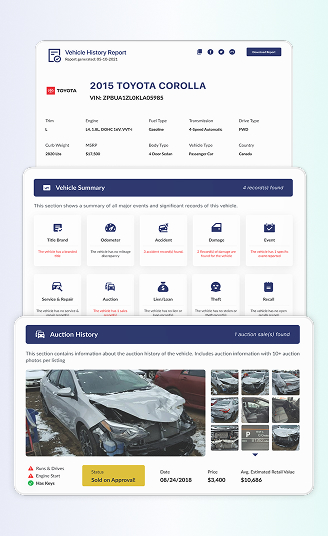
A car can have many factory options, but still have serious past damage. The window sticker and the build sheet do not show the car’s accident damage; if you need to check the accident damage, use VIN Check.
Frequently Asked Questions
Can I find all factory options using a VIN?
Yes. It’s possible to get all optional packages by VIN, as the only way to get this information is by VIN. You can use the window sticker by VIN tool to get the window sticker and see complete options information about the vehicle.
Is a VIN decoder enough to find options?
No. Most free VIN decoders only show general info like year, make, model, engine, and transmission. They usually don’t include full packages or individual options like sunroofs or heated seats.
Are factory options important when buying a car?
Yes. Options can change a car’s value quite a lot. Two similar cars may look the same, but their features and prices can be very different. It’s always worth checking before you buy.
Can factory options change over time?
No. Factory options are fixed when the car is built. However, owners can add aftermarket parts later. VIN-based tools only show what came from the factory, not later changes.
What's the difference between trim level and factory options?
The trim level is the base setup of the car, such as “Sport” or “Limited.” Factory options are extra features added on top. The same trim can still have very different configurations.
Do factory options affect insurance rates?
Sometimes. Safety features like automatic braking may lower premiums, while performance upgrades, like larger engines, can increase them. It depends on the insurer and the specific options.
Can I get a window sticker for a used car?
Yes. Many VIN lookup services can retrieve the original window sticker, even for used vehicles, showing the full list of factory-installed options and pricing.
How quickly can I find factory options by VIN?
Usually within seconds. With the right tool, you can access a window sticker or build sheet almost instantly after entering the VIN.
Are dealer-installed options considered factory options?
No. Dealer-installed items like window tint, wheels, or alarms are added after production. They won’t appear on factory documents like the window sticker or build sheet.
Will factory options show on a vehicle history report?
No. History reports focus on past events such as accidents, title status, and ownership records. To see factory options, you’ll need a window sticker or a build sheet.