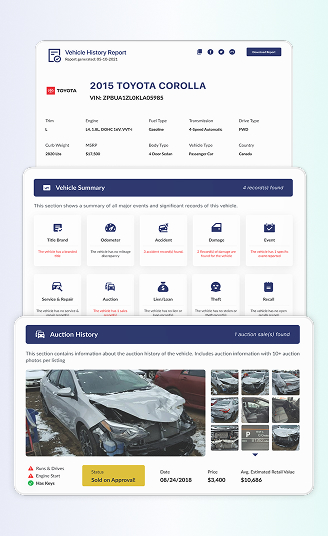



- A vehicle history report gathers records from multiple sources and links them through the VIN to create a detailed timeline.
- Title history can reveal hidden problems such as salvage, flood, rebuilt, or lemon-law branding that may not appear on current paperwork.
- Accident records provide important context about previous damage, but they work best when combined with an independent vehicle inspection.
Purchasing a used car can be risky if you do not check everything thoroughly. The listing photos can look great, and the description shows all the right things in the most convincing tone. All seems perfect until you decide to purchase the car with no proper background check.
One thing you need to remember before purchasing a used car is to check everything and know the detailed information before buying. A spotless brand-new SUV might have spent a few days under the water during a flood. A low-mileage sedan could have its odometer rolled back–and on a surface level, it looked fine.
A vehicle history report helps fill in those missing pieces. It gathers records tied to a vehicle’s VIN (Vehicle Identification Number) from insurance companies, state DMVs, and many more. In this article. You’ll learn what a vehicle history report is, what’s included on the report, and how to get a vehicle history report by VIN in under a minute.
Vehicle History Report: Simplified
A car vehicle history report is a document that compiles historical records associated with a specific vehicle. A vehicle history report pulls complete vehicle information from multiple databases stored by the VIN, resulting in detailed records that show ownership changes, title history, reported accidents, mileage readings, recalls, service events, and more.
For many buyers, reviewing a vehicle history report is the first serious step before arranging an inspection or test drive. It helps identify red flags early, before time and money are invested in the wrong vehicle.
Why a VIN Is the Key
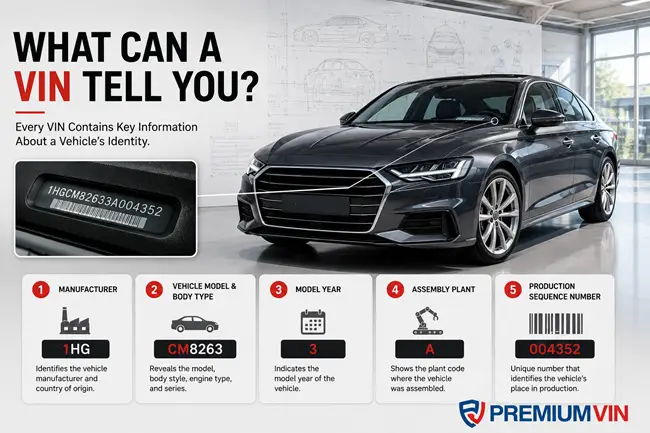
Without the VIN, a vehicle history report wouldn’t exist. Every record inside the report is linked back to this unique identifier, as the VIN is the unique identifier of the vehicle that records the complete vehicle’s information.
The VIN as a Permanent ID
Every vehicle manufactured for road use receives a 17-character VIN. This identifier stays with the vehicle for its entire life, regardless of who owns it, where it’s registered, or how many times the title changes hands.
Why Getting a Vehicle History Report is Important
Before you decide to purchase a used vehicle, one thing you need to know is its records. With a vehicle history report, you can use the whole document to run a quick background check and ensure the vehicle has no problems.
See if it has Hidden Accident Records
A vehicle might look clean after a thorough repair, but it could hide something dangerous if it is not fixed thoroughly. Accident records can help buyers investigate previous repairs and determine whether the vehicle deserves further inspection.
Identify Salvage or Rebuilt Title
With a vehicle history report, you can easily see if the car has a hidden salvage or rebuilt title that is not disclosed during the negotiation.
Detect Odometer History
On the vehicle history report, you can examine the detailed information of the vehicle’s odometer history along with the odometer reading history and the date.
Check Lien or Loan Records
A vehicle may have an outstanding loan or lien attached to it. Checking these records can help buyers avoid ownership complications after purchase has been made.
Review Ownership and Usage History
Ownership records can show how many people previously owned the vehicle. Multiple owners or unusual ownership patterns may give buyers a reason to investigate the vehicle further.
Review Auction and Sales History
Auction records can provide additional information about a vehicle’s previous condition, damage, or sale history. These records may reveal details that are not included in a seller’s listing.
Support Price Negotiations
When negotiating with a seller, you need factual details that can be useful as negotiation points. For example, whether the car has been involved in an accident, has its odometer rolled back, and other findings.
What Does a Vehicle History Report Include?
A vehicle history report shows complete information about the vehicle, that shows the vehicle’s records. Each of the sections shows different information that links to the vehicle’s different pasts.
Title History
The title section is often the first place experienced buyers look. Why? Because title records show some of the biggest warning signs a vehicle can carry.
Current Title Status
A vehicle’s current title status tells you how it is presently classified.
Common title types include:
Clean Title
No major branding has been attached to the vehicle’s title record.
Salvage Title
The vehicle was declared a total loss by an insurance company after significant damage.
Rebuilt or Reconstructed Title
A previously salvaged vehicle was repaired and approved for road use.
Flood Title
The vehicle sustained water damage severe enough to receive a flood-related brand.
Junk Title
The vehicle is considered unsuitable for road use and generally cannot be legally registered.
Lemon Law Buyback
The manufacturer repurchased the vehicle due to recurring defects covered under consumer protection laws.
A vehicle may have carried a salvage brand in one state years ago and later received different paperwork elsewhere. Looking only at the current title can create a false sense of security.
Title Chain Across States
A comprehensive vehicle history report shows the title trail across multiple states.
This timeline typically includes:
- Registration state changes
- Ownership transfers
- Previous title brands
- Title issuance dates
What is Title Washing?
Title washing occurs when a vehicle with a branded title moves between states and the branding becomes less visible or is handled differently under another state’s regulations. While the VIN keeps the historical record intact, a buyer looking only at current paperwork might miss important details.
Title Brands Explained
Certain title brands follow the VIN permanently and deserve close attention.
Flood or Water Damage
Indicates the vehicle suffered significant water exposure. Electrical issues, corrosion, and mold can continue appearing years after repairs.
Salvage
Rebuilt or Reconstructed
Confirms the vehicle was repaired after being designated salvage.
Lemon Law Buyback
Indicates the manufacturer repurchased the vehicle because of unresolved defects.
Not Actual Mileage
Suggests the recorded mileage cannot be verified as accurate. Even if ownership changes ten times, these historical brands remain connected to the VIN record.
Accident and Damage History
Not every accident results in a salvage title. In fact, many damaged vehicles remain on the road with clean titles.
That’s why accident history deserves its own review.
Number of Reported Accidents
This section shows how many incidents have been reported through insurance claims, repair networks, police reports, or other contributing sources. This section shows the recorded date and location of where it happened.
Accident Severity
The damage history section also lists the complete information about the vehicle’s damage history caused by accidents, flooding, and more.
Odometer History
The vehicle history report shows the sequential order of the odometer history. Don’t forget to examine this section and ensure the odometer history is not rolled back.
Chronological Mileage Timeline
Every recorded mileage entry comes with its recorded date. So you can check the complete recorded odometer history to ensure that the vehicle’s odometer wasn’t rolled back.
Example of What a Rollback Looks Like in the Report
Not only does a recorded odometer reading with an orderly date show, but our vehicle history records also show if the vehicle’s odometer has been rolled back. Take a look at the table:
| Recorded Date | Recorded Mileage |
|---|---|
| 11/29/2022 | 210,064 |
| 12/22/2022 | 209,845 † |
When you examine the mileage records section, if you see a “†” sign, it means that the odometer has been compromised.
Ownership History
If a vehicle has too many owners in a short time, it could be an early indicator that the vehicle might have hidden problems that are hard to fix. Here’s what you’ll see on the ownership history report.
Number of Previous Owners
See the complete data of the past owners. Please note that you cannot see private information such as names and addresses.
Ownership Information
Check the ownership information, such as the year of purchase, the location where it was registered, and how long the ownership lasts.
Recalls History
Not all recall information is disclosed during the negotiation. If the vehicle were ever recalled, it would mean there is something not right about it that needs to be addressed promptly by the manufacturer. However, not all vehicle owners addressed the situation and left the recall status open.
What an Open Recall Means
A safety defect has been identified by the manufacturer or NHTSA, and a remedy exists, but the repair hasn’t been performed on this specific vehicle
How Recall Status Appears in the Report
On the report, the recall status appears with the complete details such as the date, the reasons for the recall, the status, and how the manufacturer handles the issues.
Service and Maintenance Records
After checking all the past information, including the recall history, you will need to check its service and inspection records. Be aware that if the vehicle is rarely serviced by the previous owner, it could be unsafe and dangerous.
Service History
Check the history of oil changes, major service, and dealer visits logged on the vehicle through its VIN. Aside from that, you can see the complete information on the vehicle’s service location and date.
Maintenance History
In this section, you can see the complete history of the maintenance service done by the past ownership. Make sure that the past owners follow the maintenance history.
Theft History
Accidentally purchasing a stolen vehicle can lead to legal dispute, and unfortunately, you won’t get your money and the vehicle back. Be aware.
Theft Information
Check the detailed theft information, such as the date and the location where it happened.
Auction History
If the vehicle were put in an auction, it might have been involved in different situations, such as an accident or even been heavily flooded. Aside from showing the complete auction information, you’ll get up to ten pictures that show the vehicle condition during the auction.
Auction Information
Check the detailed auction information, such as the date, location, title, status, and the final price of the vehicle at the auction.
Warranty Coverage
Every vehicle comes with warranties attached to it, including a used vehicle. With our report, you can examine detailed information about the covering warranty.
Warranty Information
Check what kind of warranty still covers the vehicle. It can be an extended warranty, roadside assistance, bumper-to-bumper, powertrain, and more.
Warranty Limit
See the detailed warranty limitations of each. You’ll see the mileage and the month left and see if the warranty has expired.
Lien/Loan Records
A vehicle recall might not be used as a lien/loan. Make sure the financial obligations of the previous owners are closed before you purchase the vehicle to avoid risks.
Lien/Loan Details
Check the detailed lien/loan information, such as the event date and the location where it took place.
Data Source
See the complete lien/loan information data source in our report.
How to Get the Vehicle History Report
Do you know that you can get a vehicle history report by VIN? Use our vehicle history report by VIN service and get the vehicle history report in less than a minute.
Step 1: Find the VIN
Firstly, you’ll need to find the VIN of the vehicle you want to check. You may examine the windshield, the driver’s side doorjamb, and the paperwork like registration or title papers.
Step 2: Fill in the Form
Once you have the VIN, enter it into the form. Then, click on the button to submit the form.
Step 3: Get the Vehicle History Report
Wait for a few seconds for the report to generate. See the preview page, where you can see the complete information on the vehicle’s specifications and market value.
Real Case: Why a Vehicle History Report is Important
Jean, a buyer from South Carolina, wanted to purchase a used 2007 GMC YUKON from a private seller. Before he proceeds to purchase the car, he runs a quick VIN check and gets the vehicle history report. Here’s what they found in the report.
What Jean Sees on the Report
Once he got the report, this is the information he saw on the report.
- 1 accident record
- 1 Record(s) of damage
- 4 specific events reported
- 9 service & repair record
- 1 auction record
- 3 lien or loan record
The Next Steps
Jean decided not to purchase the vehicle because it had too much damage that wasn’t disclosed during the negotiation process.
Reasons Why Skipping a Background Check is Not a Good Idea
From Jean’s case, it is clear that checking a vehicle’s background is important to avoid getting scammed or ending up with a vehicle that has plenty of bad records. Here’s why you need to get a vehicle history report:
Unexpected Repair Costs
Hidden accident damage, mechanical problems, or neglected maintenance may not appear during a quick test drive. Without checking the vehicle history report, buyers could be trapped in extensive repairs after purchase–which could increase the total cost.
Lower Resale Value
A vehicle with serious accident damage, title problems, or other negative history may have a lower resale value. Knowing the vehicle’s history before purchase helps buyers understand potential depreciation and avoid paying too much for a compromised vehicle.
Ownership and Financing Problems
Unresolved liens, branded titles, or incomplete ownership records can create problems after purchase. These issues could affect registration, financing, insurance, and resale. Always review the vehicle records before completing a purchase.
Conclusion on Why You Need a History Report
A vehicle history report doesn’t predict the future, but it does tell you where a vehicle has been. And when you’re buying used, that’s information you can’t afford to ignore.
From title brands and accident records to mileage history, ownership changes, recalls, and service events, every section adds another piece to the puzzle. A car may look spotless on a dealer lot or in an online listing, but the VIN often tells a very different story.
Take a few minutes to run a vehicle history report and review the records carefully. It’s one of the simplest ways to avoid hidden problems, negotiate with confidence, and make a smarter purchase. After all, buying a car is expensive enough; the last thing anyone wants is an unpleasant surprise after the keys are already in hand.
FAQs About Vehicle History Report
What is a vehicle history report?
A vehicle history report is a detailed record of a vehicle’s past. Using the vehicle’s unique 17-character VIN (Vehicle Identification Number), it compiles information from sources such as motor vehicle agencies, insurance companies, and other industry databases to help buyers make informed decisions.
What information is included in a vehicle history report?
A vehicle history report uses a vehicle’s VIN to reveal important details about its past. Depending on data availability, it may include accident records, title history, mileage readings, ownership history, recall information, theft records, and maintenance-related events.
How to get a free vehicle history report?
To check a vehicle’s history, enter its VIN into PremiumVIN and access detailed records, including title information, accident history, theft records, and auction data.
How much is a car history report?
The cost of a vehicle history report varies by provider and the level of information included. While some providers charge premium fees for individual reports, our tool offers access to comprehensive vehicle history information at an affordable price.
How to find the previous owner of a vehicle?
While personal information about previous owners is typically protected by privacy regulations, ownership history data may still be available through a vehicle history report, including ownership counts and registration records.