

When it comes to buying a used car, the term “cheap” or “used” can sometimes carry a negative connotation. While there’s nothing inherently wrong with buying a used car, it’s understandable that some people may want to find a more positive or polite way to describe it. That’s where euphemisms come in.
A euphemism is a word or phrase used in place of a more straightforward term in order to soften the impact or avoid negative connotations.
In this article, we’ll explore some polite euphemisms for a cheap car and used car that can help you describe the car in a more positive light. By using one of these terms, you can emphasize the car’s strengths and downplay any negative connotations of the word “used.”
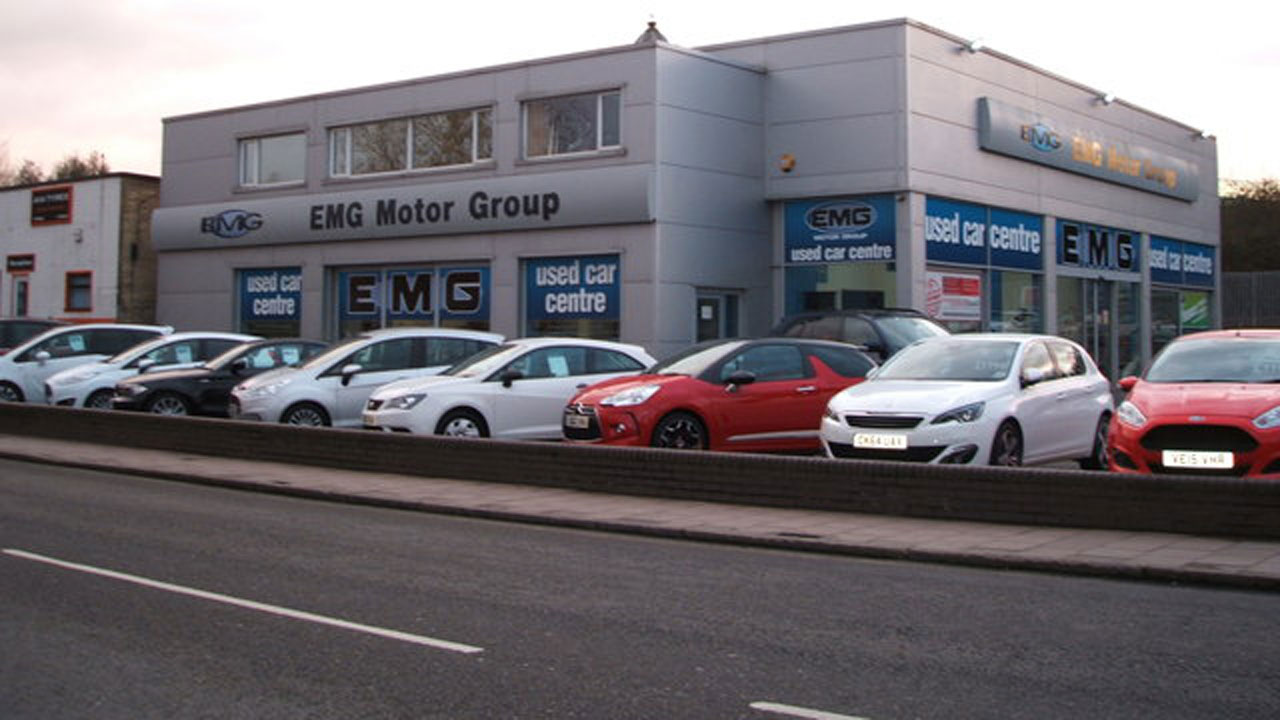
Polite Words for Used and Inexpensive Cars
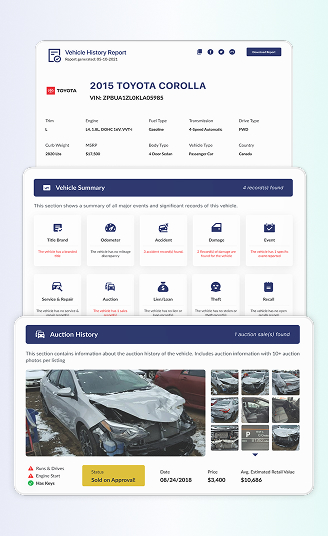
Finding the right term for a vehicle is quite important. The words you choose can shape the perceived value. Whether you’re a buyer, seller, or enthusiast frame its story, choose the right words can build trust. This guide explores the euphemisms for cheap cars and connects it all to the smartest step you can take: verifying the vehicle’s true history.
Why Your Word Choice Matters More Than You Think
In the world of automotive sales and conversation, terminology is a powerful tool that goes beyond simple description.
The Psychology of “Pre-Owned” vs. “Used”
The shift from “used car” to “pre-owned” is a classic case of strategic rebranding. The prefix “pre-” psychologically redirects attention from past wear to future potential and legitimate ownership history. This isn’t just semantics; it’s a marketing tactic that has successfully elevated an entire category, allowing dealerships to command better prices and attract more discerning buyers.
Building Credibility Through Accurate Description
For private sellers, terms like “gently used” or “meticulously maintained” are powerful trust signals. However, their power is entirely dependent on accuracy. Using these terms to describe a car with visible issues or a spotty service history can backfire, eroding trust instantly. Honest language, supported by evidence, is the true foundation of a successful sale.
Navigating Negotiations with Confidence
Knowing the precise meaning behind terms gives you an undeniable advantage. Recognizing that “Certified Pre-Owned” signifies a specific, high-standard inspection process allows you to justify its premium. Understanding that “project car” is a candid admission of needed work helps you negotiate a fair price for a fixer-upper. Language is your map in the marketplace.
Common Polite Euphemism For a Cheap Car
When low cost is the central feature, a different vocabulary tactfully emphasizes value and manages expectations. This section directly answers the search for effective euphemisms for inexpensive vehicles.
Economy Car or Budget Car: The Value-Centric Frame
These are neutral, descriptive euphemisms for affordable used cars. They reframe the conversation from “cheap” (which can imply low quality) to “smart” and “practical,” positioning the vehicle within its intended market segment designed for low running costs.
Project Car or Mechanic’s Special: Honesty for Hobbyists
This is a candid euphemism for a low-cost car that needs work. It directly targets a niche audience of hobbyists, restorers, or skilled individuals. The term sets clear expectations that the vehicle’s value lies in its potential as a restoration base, not its current road-ready state.
No-Frills / Basic Transportation: Championing Core Utility
This phrase is an effective euphemism for a cheap, functional car. It acknowledges the absence of luxury features by positively highlighting the vehicle’s fundamental purpose: reliable, affordable, point-A-to-point-B transportation. It appeals to buyers whose top priority is practical mobility.
Beater, Runner, Daily Driver: The Functional Slang
These informal terms are common euphemisms for a cheap, older car that runs reliably. “Beater” acknowledges cosmetic flaws, “runner” confirms operational status, and “daily driver” is perhaps the most positive, implying the car is trustworthy and durable enough for everyday use.
Common Polite Euphemism For a Used Car
There are several euphemisms that can be used to describe a used car in a more positive light.
Here are a few options:
“Pre-owned”
This term is a common euphemism for a used car. It suggests that the car has been owned and cared for by someone else before you, but doesn’t carry the negative connotations of the word “used.”
“Previously enjoyed”
This term suggests that the car has been enjoyed and well-loved by its previous owner, and implies that it still has plenty of life left in it.
“Previously loved”
Similar to “previously enjoyed,” this term suggests that the car has been loved and well-cared for by its previous owner.
“Secondhand”
This term is a straightforward way to describe a used car and doesn’t carry negative connotations.
“Gently used”
This term suggests that the car has been gently used and well-maintained, and implies that it is still in good condition.
By using one of these terms, you can emphasize the positive aspects of the car and downplay any negative connotations of the word “used.” It’s important to keep in mind, however, that the most important thing is to do your research and make sure you’re getting a reliable and well-maintained car, regardless of the term used to describe it.
Slangs for Cheap and Used Cars
There are many slang terms that are used to refer to used cars. Some common examples include:
- Beater: a used car that is in poor condition and may not run well.
- Clunker: a used car that is old and in poor condition.
- Junker: a used car that is in very poor condition and may not be worth repairing.
- Lemon: a used car that has many problems and is unreliable.
- Pre-owned: a term used to refer to a used car that has been previously owned by someone else.
- Secondhand: a term used to refer to a used car that has been previously owned by someone else.
- Used: a term used to refer to a car that has been previously owned by someone else.
It’s important to note that these terms are not always used in a negative way, and they can refer to cars that are in good condition as well as those that are in poor condition.
When shopping for a used car, it is important to carefully inspect the vehicle and test drive it to determine its condition and reliability.