

Key Takeaways
- A trailer VIN number identifies important details about a trailer, including its manufacturer, model year, and production information.
- The VIN can usually be found on the trailer frame, VIN plate, title, registration, or manufacturer documents.
- A trailer VIN lookup can reveal specifications, ownership records, theft information, and available history details.
- Checking a trailer VIN before purchase helps verify the trailer’s condition and ownership status.
Buying a used trailer involves more than checking its condition, as there are plenty of wicked individuals in the used vehicle market. Running a quick trailer VIN check helps you to identify the correct trailer’s identity, specifications, and vehicle history records before you decide to purchase the unit.
Unlike cars, trailers may have fewer visible details that clearly identify their model or equipment. Knowing how to look up a trailer VIN number makes it easier to confirm the information provided by a seller and spot potential issues that may not be obvious during a visual inspection.
Read this article to learn how to decode a trailer’s VIN, why it is important, and what you will get from trailer history records.

What is a Trailer VIN Number?
A trailer VIN number is a unique identification code assigned to a trailer by its manufacturer. Similar to a vehicle identification number (VIN) on a car, it helps identify important details about the trailer, including the manufacturer, model year, production information, and specifications.
Most modern trailers use a 17-character VIN that can be used with a trailer VIN decoder or lookup tool to find details about the vehicle. Knowing the trailer’s details helps buyers, sellers, or anyone who looks forward to buying or selling a trailer.
Are Trailer VIN Numbers Different From Vehicle VINs?
Trailer VIN numbers follow a similar identification system as passenger vehicles, but they provide different types of information. Instead, trailer VIN information usually focuses on details related to the trailer itself, such as:
- Trailer manufacturer
- Trailer type or body style
- Weight ratings, including GVWR
- Production location
- Manufacturing sequence
- Model year information
Where to Find a Trailer VIN Number
Finding the VIN location on a trailer is the first step before you can run the trailer VIN lookup service. Some trailer manufacturers place the VIN in different locations that are still available during physical inspection.
Check the Trailer Frame and VIN Plate
The trailer frame and VIN plate are the most common places to find a VIN. The VIN is usually stamped on the frame by the manufacturer.
Trailer Tongue or Hitch Area
Many trailers have a VIN plate attached near the front of the trailer, close to the hitch or tongue area. Take a look at the section below to see where to find the VIN on a trailer:
Trailer Frame Rail
Some trailers have the VIN stamped on the frame instead of using a separate label. The stamping is often placed on the main frame rail for durability.
Examine these locations:
- Driver-side frame rail
- Front section of the trailer frame
- Rear frame area near the axle or suspension components
Tips: Since frame markings can become difficult to read due to rust, paint, or wear, inspect the area carefully when verifying a used trailer.
Exterior Manufacturer Labels
On the exterior manufacturer label, the VIN is usually found in these areas:
- Near the front exterior wall
- Around the entry door area
- On the sidewall near the manufacturer information plate
FYI, for RVs and travel trailers, the VIN label also includes more details such as weight ratings and tire information.
Title and Registration
If the VIN plate is missing or difficult to read, ownership documents can provide another way to locate the trailer VIN. The VIN is typically listed on the trailer title and registration paperwork issued by the state.
Insurance Documents
You can check the insurance paperwork becuase it also lists the trailer’s VIN. If the trailer has an active policy, you can find VIN inside the insurance document.
Insurance paperwork can also include the trailer VIN; especially if the trailer has an active insurance policy, you may find the VIN inside the insurance document.
Read also: How to Check Vehicle Specs by VIN at No Cost
How to Look Up Trailer VIN Number
To look up the trailer VIN, you can follow these simple steps and get it done within seconds.
Step 1: Find the VIN
Find the VIN on the driver’s side frame rail, rear frame, or on the vehicle’s documentation, like registration or title.
Step 2: Enter the VIN
Open PremiumVIN’s VIN lookup tool, then enter the trailer VIN you want to check. Once it is done, click the button to submit the VIN.
Step 3: Get the Vehicle History Report
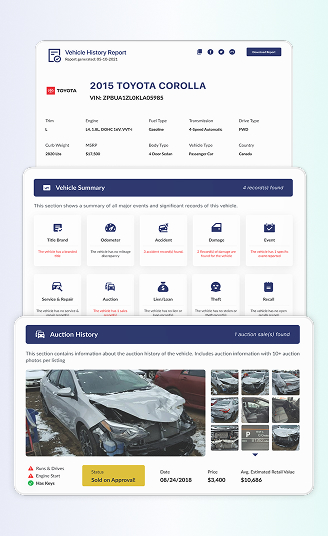
Check the preview page to see specifications, MSRP, and market value. You may complete the payment to get the full vehicle history records.
What Information Can a Trailer VIN Lookup Provide?
A trailer VIN lookup can help you check important information about a trailer’s identification specifications and history. Before a transaction happens, it is always recommended to run a quick VIN lookup to examine the details and past information records.
Trailer Specifications and Manufacturer Details
A trailer VIN lookup can identify the manufacturer, model year, trailer type, production location, weight ratings, and axle information. These details help confirm the trailer’s specifications and whether it matches the seller’s description.
Title and Ownership History
Available title records can show previous ownership details, registration information, and title brands. Reviewing this information helps identify ownership concerns, missing documents, or records that may affect registration.
Damage and Accident Records
See reported collision damage, structural repairs, or flood history. These records help buyers identify hidden problems that could reduce the trailer’s value or require expensive repairs.
Theft Records
You can look up detailed records of a vehicle’s theft records to help determine whether a trailer has been reported stolen. In the report, you can see the date and location where the vehicle was stolen.
Auction and Sales History
Includes previous listings, auction records, and available condition details. Check auction details like date, location, final price, and you may receive up to ten pictures of the vehicle when it was auctioned.
Lien/Loan Information
A trailer VIN lookup reveals available lien or loan records connected to the trailer. Checking this information helps buyers avoid purchasing a trailer with unpaid financial obligations or ownership complications.
Warranty Records
Available warranty records can show manufacturer coverage, service details, or expiration information. See the complete warranty, such as powertrain and roadside assistance, along with the mileage and month of expiration.
Recall History
Check the trailer’s recall history before you decide to buy. With the report, you can find the causes of the recall, what components are affected, the recall date, and the final status, whether it is closed/open.
What to Check Before Buying a Used Trailer
Buying a used trailer requires more than checking its appearance and asking about the asking price. A thorough inspection can uncover safety issues, previous damage, expensive repairs, or problems with the trailer’s ownership history.
Verify the Trailer VIN and Ownership
Start by locating the trailer’s VIN and comparing it with the title, registration, and other available paperwork. The VIN should match across the trailer and its documents. Be sure to examine the trailer’s past ownership history.
Inspect the Frame and Structure
Examine the frame, welds, axle mounting points, and other structural areas for cracks, bends, deep rust, or poorly repaired damage. Previous repairs or unusual reinforcements indicate that the trailer experienced an accident, heavy loads, or other structural stress.
Check Tires, Axles, and Bearings
Inspect the tires for cracks, uneven wear, plugged holes, and mismatched sizes. Uneven tire wear can point to alignment or axle problems. Also check the axles, wheel bearings, and suspension components for visible damage, leaks, excessive wear, or signs of previous repairs.
Test the Brakes and Electrical System
Check the trailer’s brakes before purchase, including brake components that are accessible for inspection. Test the lights, wiring, connectors, and other electrical equipment. For trailers equipped with ABS or EBS, check for warning lights or obvious system faults.
Examine the Floor, Doors, and Ramps
Walk across the entire floor and look for soft spots, cracks, rot, warping, or other damage. Enclosed trailers should also be checked for damaged seals, water leaks, and signs of moisture. If the trailer has ramps, make sure they are straight, secure, and strong enough for the intended load.
Confirm Towing and Weight Requirements
Make sure the trailer’s weight and cargo capacity match the vehicle that will tow it. Consider the trailer’s gross weight, intended load, tongue weight, and the tow vehicle’s rated capacity to ensure the trailer’s performance matches.
Review the Trailer’s Documents and History
Before you make any payment, ask the seller about the trailer’s title, registration, inspection records, maintenance records, and available ownership history. Missing or inconsistent records should be treated as a warning sign.
Common Trailer VIN Lookup Problems
While trailer VIN lookup tools can provide useful information, users may encounter issues when VIN details are missing, damaged, unavailable, or entered incorrectly. These are the common problems that occur during the trailer VIN lookup process.
Missing or Damaged VIN Labels
A damaged or missing VIN label can make trailer identification difficult. In these cases, owners can check registration documents, title paperwork, or contact the manufacturer for assistance locating replacement VIN information.
Older or Homemade Trailers Without VIN Records
Some older or homemade trailers may not have standard manufacturer VIN records. Depending on local regulations, state registration offices may assign identification numbers or provide guidance on verifying the trailer.
Incorrect VIN Entry
Incorrect VIN entries are a common lookup issue. Missing digits, incorrect characters, or transcription mistakes can prevent accurate results, so users should carefully verify each VIN character before searching.
Read also: Tips for Buying a Used Vehicle: The Complete Buyer’s Guide
Conclusion on Trailer VIN Lookup
Looking up a trailer VIN is an important step for identifying a trailer, confirming specifications, and reviewing available history information before purchase. Whether using a free trailer VIN decoder or a detailed history report, checking the VIN helps buyers make better decisions and avoid potential issues with used trailers. Always take a longer time to examine the trailer specifications and records to make sure it has no dangerous red flags or inconsistencies with the listing descriptions.
FAQs on Trailer VIN Lookup
Can I look up a trailer by VIN number?
Yes, a trailer can be identified and decoded using its 17-digit VIN number to reveal available manufacturer details, specifications, and production information.
How to tell the year of a trailer by VIN?
The trailer’s model year can usually be identified by checking the 10th character of its 17-character VIN.
Can you look up a trailer VIN online?
Yes, a trailer VIN can be searched online through available VIN lookup tools and public databases to find basic identification and history information.
How do I find a VIN on a trailer?
A trailer’s VIN is commonly located on a metal frame stamp or a manufacturer label near the front tongue or hitch area.
How can I check if a trailer is stolen before I buy it?
To check whether a trailer is stolen before purchasing, locate the VIN or serial number and verify it through law enforcement resources, motor vehicle agencies, or VIN-based theft check services.