
Free Peterbilt VIN Decoder & Semi Truck VIN Lookup
Use the PremiumVIN Peterbilt VIN decoder to instantly identify truck specifications, factory configuration, and available history records. This Peterbilt VIN lookup helps buyers verify the truck’s identity, check accident records, confirm title status, and review ownership history before making a purchase decision.
What is the Peterbilt VIN Decoder?
A Peterbilt VIN number is a unique identification code assigned to every Peterbilt truck. Most modern trucks use a 17-character VIN made up of letters and numbers. This code stores key information about the vehicle, such as the manufacturer, engine type, production year, and assembly plant.
Older Peterbilt trucks, especially classic or collector models built before 1981, may have shorter VIN formats. With the PremiumVIN Peterbilt VIN decoder, you can decode Peterbilt VIN numbers from modern 17-digit trucks as well as classic 5–14 digit VINs. Just enter the VIN, and the system will handle the rest of the Peterbilt VIN lookup for you.
Key Specifications Revealed by Our Peterbilt VIN Decoder
Decoding a Peterbilt VIN goes far beyond just identifying the model. It unlocks a detailed record of the truck’s factory build. Here is what you can expect to learn.
Year, Make & Model
Instantly confirm the exact production year, the Peterbilt brand, and the specific model of the truck (e.g., 389, 579, 379). This foundational information helps you verify the truck’s identity against its title and registration.
Body Type
Understand the fundamental layout of your truck. This confirms the cab configuration, whether it’s a day cab, a sleeper cab, or a specific body style built for a particular application.
Engine Type & Capacity
Get the exact engine manufacturer, model, displacement (e.g., 14.9L), and horsepower rating as it left the factory. This is vital for verifying performance claims and ordering correct parts.
Transmission
Confirm the transmission type, whether it’s a manual, automated manual, or automatic. This ensures compatibility for repairs and helps you understand the truck’s driving characteristics.
Trim
Some Peterbilt trucks come with different trim or configuration packages. The report will show the trim level or configuration, helping buyers understand how the truck was equipped when it left the factory.
Fuel Type
Check whether the truck runs on diesel or another specified fuel type, which is a fundamental operational detail.
Number of Doors
Confirm the number of doors the truck was built with, which is a key identifier for different cab configurations.
Estimated Market Value
View an estimated market value based on condition (outstanding, clean, average, rough), helping you understand fair pricing instantly and supporting more informed negotiations.
How to Use Our Peterbilt VIN Decoder?
Getting your Peterbilt VIN lookup results takes only a few seconds. Just follow these three simple steps below.

Step 1: Enter the VIN
Enter the Peterbilt's VIN into the form at the top of the page. Our tool supports both modern 17-character VINs and classic 5-14 digit formats. You can also search using your license plate number instead.

Step 2: Decode Peterbilt VIN Number
Click submit to instantly view the year, make, model, engine, trim, transmission, and more factory details. This basic VIN check is completely free.

Step 3: Upgrade to VIN Report
Buying a used or classic Peterbilt? Upgrade your search to get the full vehicle history report and reveal any hidden issues.
Where to Find Peterbilt Vehicle Identification Number?
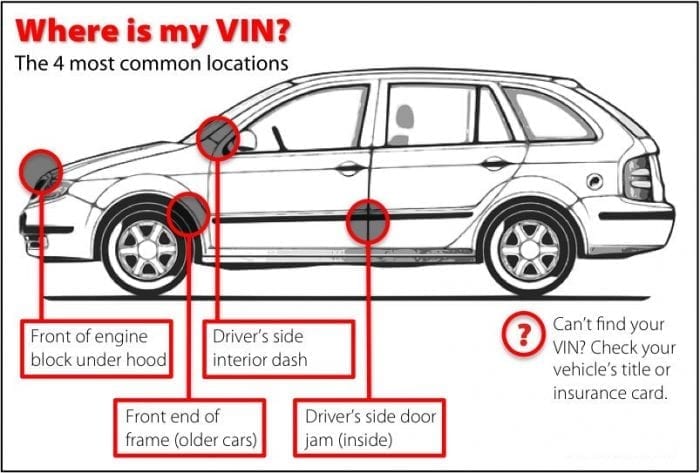
The VIN is usually placed in several locations on a truck so it can be easily identified. If you are planning to run a Peterbilt VIN lookup, check these common spots.
Dashboard
On many vehicles, the VIN can be seen through the windshield on the dashboard near the driver’s side.
Driver Door Frame
A VIN label is often located on the inside door frame or door pillar.
Frame rail
Secondary location near the engine block on a heavy-duty truck.
Inside the cab
Some models display the VIN on interior panels or documentation holders.
Engine Compartment
Some Peterbilt trucks also have VIN plates inside the engine bay.
Registration Documents
Vehicle registration and title documents normally include the VIN number as well.
Benefits of Using a Peterbilt VIN Decoder
A Peterbilt VIN decoder is useful for everyone dealing with these heavy-duty trucks. From first-time buyers to seasoned fleet managers, accurate vehicle information makes every transaction faster and smarter.
If you’re investing in a used Peterbilt, a VIN check helps you confirm exactly what you’re getting before any money changes hands.
Confirm the Truck's True Identity
Cross-check the VIN on the truck against the title and registration. This simple step helps you catch cloned or misrepresented vehicles immediately, a critical step for high-value assets.
Verify Factory Specs Match the Listing
Confirm the engine, transmission, and configuration actually match the seller’s claims. This protects you from paying a premium price for a truck that isn’t what it seems.
Spot Inconsistencies Early
Decoding the Peterbilt VIN reveals the truck’s true factory configuration. Any mismatch between the listing and the VIN is a clear signal to dig deeper.
If you’re listing a Peterbilt for sale, confirming the VIN information makes your listing more credible and helps you price the vehicle with confidence.
Build Buyer Confidence
Displaying verified factory specifications in your listing tells buyers you’re transparent. That credibility often shortens negotiation time and speeds up the sale.
Set an Accurate Asking Price
Knowing the exact engine, transmission, and configuration lets you justify your price with data instead of relying on rough market estimates.
Create Listings That Stand Out
Use factory specifications to write detailed, accurate listings that attract serious buyers and reduce back-and-forth questions about the truck’s configuration.
Insurance companies and fleet managers rely on accurate vehicle specifications to price policies fairly and manage risk without costly errors.
Calculate Accurate Premiums
A Peterbilt VIN lookup helps confirm safety features, engine specs, and configuration, all key factors that directly influence an accurate insurance premium calculation.
Manage Fleet Risk
Verifying VIN details helps fleet operators maintain consistent records, track maintenance needs, and ensure all trucks in their inventory meet operational standards.
Speed Up Policy Processing
An accurate factory data check means less manual verification work, allowing insurers and fleet admins to process new policies and registrations much faster.
Getting the right parts for a Peterbilt starts with knowing the exact factory specification. A VIN check removes all the guesswork.
Source the Exact Right Parts
The VIN identifies the specific engine, transmission, and chassis configuration, so parts suppliers can pull the correct components without relying on vague model descriptions.
Eliminate Costly Return Mistakes
Wrong parts cost time and money. Checking the VIN before placing an order dramatically reduces the chance of mismatched components arriving at the shop.
Write Faster, More Accurate Estimates
Mechanics can get factory specs instantly to build repair estimates without spending extra time manually researching each Peterbilt’s exact production configuration.
Peterbilt VIN Breakdown: What Each VIN Character Means
Every Peterbilt VIN number follows a specific structure that helps identify the truck. Most modern Peterbilt vehicles use the standardized 17-character VIN format introduced in 1981. Each section of the VIN tells a different part of the vehicle’s story.
Understanding the structure helps explain what the characters represent, but you do not need to memorize them. A Peterbilt VIN decoder can automatically translate these characters and provide the information in seconds.
WMI (World Manufacturer Identifier)
The first three characters of a VIN form the WMI. This section identifies the vehicle manufacturer and country of origin. For Peterbilt trucks, the WMI confirms that the vehicle was produced by Peterbilt Motors Company, a division of PACCAR.
This section is important when verifying the authenticity of a truck or confirming that the VIN actually belongs to a Peterbilt vehicle.
WMI Character Meaning (Example: 1XP)
- Character 1 (1) – Country of manufacture (United States)
- Character 2 (X) – Manufacturer group associated with Peterbilt / PACCAR
- Character 3 (P) – Specific identifier for Peterbilt trucks
Some Peterbilt trucks may use similar WMI codes depending on production location and manufacturing variations.
VDS (Vehicle Descriptor Section)
The next six characters of the VIN are known as the VDS. This section describes the vehicle’s key attributes, such as model type, engine configuration, body style, and other production details.
For people using a Peterbilt VIN number decoder or option code decoder, the VDS section provides most of the technical vehicle specifications encoded into the VIN.
VDS Character Meaning
- Characters 4–5 – Model series or truck type
- Character 6 – Engine configuration
- Character 7 – Body or cab type
- Character 8 – Additional vehicle attributes
- Character 9 – VIN check digit used to verify VIN accuracy
Note: these characters vary depending on the specific Peterbilt model and production year.
VIS (Vehicle Identifier Section)
The final eight characters of the VIN form the VIS. This part identifies the individual vehicle. It contains the model year, assembly plant, and the truck’s unique production sequence number. For collectors or fleet managers, this section helps determine the truck’s production timeline and verify its manufacturing details.
VIS Character Meaning
- Character 10 – Model year of the truck
- Character 11 – Manufacturing plant where the vehicle was assembled
- Characters 12–17 – Unique production sequence number assigned to the truck
This combination ensures that every Peterbilt VIN is unique.
Why Users Trust Our Peterbilt VIN Decoder
Many VIN tools exist online, but reliability and data coverage matter. PremiumVIN focuses on delivering detailed and accurate Peterbilt VIN decoding information in a format that is easy for buyers and owners to understand.
Most comprehensive database coverage
Our system searches multiple automotive databases and historical records to provide a detailed Peterbilt VIN lookup. This wide coverage helps reveal more information about the truck’s past.
High accuracy, cross-checked results
The decoding results are checked across multiple data sources to reduce errors and provide more reliable vehicle information.
24/7 customer support
If users have questions about their VIN report, support is available to help explain the information.
Unlimited free checks
Users can perform unlimited quick VIN checks without paying. This makes it easy to screen multiple Peterbilt trucks before deciding which one to research further.
Live Chat with VIN Expert
For complicated cases, users can connect with support representatives who help explain VIN decoding results and vehicle history data.
No hidden fees or subscriptions
The platform is designed to keep the process simple. Users pay only for the full report if they choose to access detailed records.
Easily Decode ALL Popular Peterbilt Models
Looking for a specific model? You can find VIN decoders built for these popular Peterbilt trucks.
389
579
567
365
367
389X
537
520
535
548
389 Pride
389 Class Edition
587
388
384
352
3300
386
320
330
340
379 (Classic)
377
378
385
359
210
220
325
260
348
350
3500
351
281
282
288
1100
200
2100
250
2600
2700
2800
2900
3000
3100
3200
Free Peterbilt VIN Decoder vs Full History Report
A free Peterbilt VIN decoder can confirm the truck’s identity and basic specifications. However, deeper information usually requires a full vehicle history report. See the difference below:
| What You Can Check | Free Peterbilt VIN Decoder (Quick Check) | Premium Peterbilt Vehicle History Report (Full Report) |
|---|---|---|
| Peterbilt year, model, and make | ✓ Confirms basic identity | ✓ Fully confirmed with production details |
| Basic Peterbilt specs (engine, body, trim) | ✓ General specifications | ✓ Complete factory specifications |
| Title status (e.g., salvage, rebuilt, lemon) | Basic status hint only | ✓ Full title brand history |
| Accident history check | Not available | ✓ Detailed accident records when reported |
| Mileage and odometer records | Not available | ✓ Multiple recorded mileage entries |
| Odometer rollback/mileage inconsistency checks | Not available | ✓ Rollback flags and inconsistency alerts |
| Auction history and photos | Not available | ✓ Auction listings and images when available |
| Online listings and advertised sales | ✓ Current listing snapshot (when available) | ✓ Listings and advertised sales records |
| Timeline of previous listings and sales | Not available | ✓ Timeline of past listings and sale activity |
| Sales listings records & photos | Not available | ✓ Listing records and photos (when available) |
| Peterbilt market value estimate | Not available | ✓ Value estimates and pricing ranges |
| Number of previous owners | Not available | ✓ Owner count (when available) |
| Past vehicle use (private, rental, fleet, commercial) | Not available | ✓ Use-type indicators when reported |
| Outstanding loans or lien records | Not available | ✓ Lien/loan flags when reported |
| Stolen vehicle check | Limited check | ✓ Detailed theft records if reported |
| Flood, fire, or hail damage indicators | Not available | ✓ Damage-event indicators when reported |
| Reported service or repair history | Not available | ✓ Service/repair records (when available) |
| Recall and warranty information | Limited overview | ✓ Recall history and basic warranty status |
| Downloadable PDF report | X Not included | ✓ Yes, easy-to-save PDF |
| Best suited for | Quick Peterbilt VIN lookup and early screening | Buyers, sellers, collectors, and serious checks |
What You Gain from a Paid Peterbilt VIN Report
Running a Peterbilt VIN lookup does more than show basic specs. A full PremiumVIN vin check report gives a deeper look at the life of the truck. For collectors, fleet managers, or used truck buyers, a detailed Peterbilt VIN check helps verify authenticity and understand how the vehicle has been used over time.
Vehicle Specifications
When you decode Peterbilt VIN numbers, the report will first reveal the core vehicle specifications. These details explain how the truck was originally built at the factory.
Year, Make, Model
The Peterbilt VIN decoder identifies the manufacturing year, the Peterbilt brand itself, and the specific model of the truck. This information helps confirm whether the truck listing matches the VIN provided by the seller.
Trim
Some Peterbilt trucks come with different trim or configuration packages. The report will show the trim level or configuration, helping buyers understand how the truck was equipped when it left the factory.
Engine Type
The report includes engine information such as engine manufacturer, displacement, and sometimes horsepower ratings.
Transmission Details
Transmission type, including manual or automated systems, will appear in the decoded VIN data. For truck operators, this information helps verify drivetrain compatibility and expected performance.
Fuel Type
The Peterbilt VIN lookup also shows the fuel type used by the vehicle. Most Peterbilt trucks run on diesel engines, but the report confirms this along with other engine specifications.
Recalls Check
Safety recalls are issued by manufacturers when defects are discovered in certain models. A Peterbilt VIN lookup helps confirm whether any recalls affect the specific truck.
Open Recall Information
The report shows active recalls that still require repair or inspection.
Completed Recall Events
Some recalls may already be resolved. The report lists completed recall actions when recorded.
Manufacturer and Safety Agency Notices
Recall notices often originate from the manufacturer or transportation safety agencies. These notices appear in the report when linked to the VIN.
Accident History
For used trucks, accident history matters a lot. The Peterbilt VIN decoder report collects recorded accident events so buyers know what happened in the past.
Number of Accidents Reported
The report shows the total number of recorded accidents linked to the VIN.
Date of Reported Accidents
Each recorded accident usually includes a date. This helps determine how recently the event occurred.
Reported Accident Location
Location data indicates where the accident happened, giving more context about the event.
Severity Notes
Some accident records include notes describing the severity of the incident or the parts of the truck affected.
Damage Check
Beyond accidents, trucks can suffer different types of damage during their life. A Peterbilt VIN check helps identify these situations.
Fire Damage
If the truck experienced fire damage and it was recorded in official data sources, the report will show it.
Flood Damage
Flood-affected vehicles sometimes reappear in the market. The report checks databases for these records.
Hail Damage
Severe weather damage, including hail, may also appear in certain insurance or inspection records.
Title Brand Check
A Peterbilt VIN check will also review the title records associated with the truck. Title brands reveal whether the vehicle has experienced serious events that affected its legal status or value.
Salvage
If a truck has been declared salvage, it means an insurance company once considered the vehicle a total loss. The Peterbilt VIN report will highlight this clearly.
Rebuilt
A rebuilt title means the vehicle was once salvage but later repaired and inspected to return to the road. Buyers should review these records carefully before purchasing.
Lemon
Although more common with passenger cars, lemon title records can still appear in vehicle databases. The Peterbilt VIN lookup will identify if such records exist.
Junk Title
A junk title indicates a vehicle was declared unrepairable and often intended for parts. The VIN check ensures this information is visible to potential buyers.
Ownership Records
Ownership history helps people understand how the Peterbilt truck has been used throughout its life. For collectors and fleet buyers, this section often reveals valuable insights.
Owner Count
The report lists how many owners the Peterbilt truck has had. Fewer owners often suggest a more stable ownership history.
Ownership Timeline
A timeline shows when ownership changed. This helps identify periods when the truck was sold, transferred, or registered again.
Vehicle Use Type
Some trucks are used for long-haul freight, while others serve construction or municipal work. The report identifies the general use type recorded for the truck.
Registration Locations
Registration data shows where the vehicle has been licensed over time. This can hint at regional usage patterns or environmental exposure.
Odometer Records
Mileage plays a major role when evaluating used trucks. A Peterbilt VIN check gathers odometer readings from multiple sources to present a clearer mileage history.
Mileage History from Multiple Sources
The report collects mileage records from inspections, service records, and registration events. This allows buyers to track how the truck’s mileage increases over time.
Rollback Detection and Alerts
If mileage numbers appear inconsistent, the system flags possible odometer rollback. This helps protect buyers from misleading listings.
Annual Usage Patterns
“Long-haul trucks often accumulate extremely high annual mileage due to long-haul operations. The report shows yearly usage patterns so buyers understand the truck’s workload.
Inspection Mileage Records
Mileage from inspection reports is also included. These records often provide reliable checkpoints for verifying the odometer reading.
Lien / Loan Records
Financial records connected to a truck can affect ownership transfer. A Peterbilt VIN lookup helps identify these issues early.
Lien Record Identification
If a lender placed a lien on the truck, the report will list it. Buyers should confirm liens are cleared before completing a purchase.
Dates and Locations
Lien records usually include dates and registration locations. These details help confirm the financial history of the vehicle.
Service & Maintenance Records
Maintenance history often tells the real story about how a truck was treated by its owners.
Scheduled Maintenance
Routine maintenance events such as oil changes or inspections may appear in the report.
Part Replacements
Records of replaced parts, such as brakes or filters, help buyers understand the vehicle’s upkeep.
Major or Minor Repairs
Repair records may include engine work, drivetrain repairs, or other mechanical fixes.
Notes from Inspections
Inspection notes sometimes include comments about vehicle condition, wear, or recommended repairs.
Auction & Sales History
Many trucks pass through commercial online listings and auctions at some point. A Peterbilt VIN decoder report often reveals this information.
Auction Date and Location
The report may display the date and location where the truck appeared in the listings. This helps track the vehicle’s market history.
Sale Price
Auction sale prices provide useful clues about the vehicle’s market value at the time.
Condition Notes
Auction listings sometimes include condition notes describing visible damage or mechanical issues.
Whether the Vehicle Started or Ran
Some auction reports mention whether the truck started or ran during inspection.
Photos from Past Listings
Archived listing photos sometimes appear in the report, allowing buyers to compare past and current conditions.
Why Decoding a Peterbilt VIN Number Is Crucial
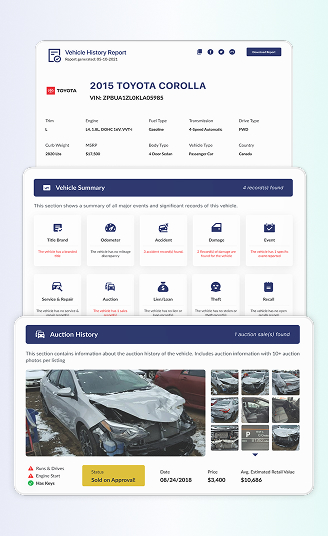
A Peterbilt truck often represents a major investment. Whether it is a work truck, fleet vehicle, or collector model, knowing its full background matters. Decoding the VIN helps verify identity, detect potential issues, and confirm the truck’s authenticity. See what the premium report shows to Karina below:
Sample Report: 1XP5DB9X87D881148
Initial Impression
Karina was reviewing a used 2007 Peterbilt 379 before purchase. The VIN report initially showed positive signals: no accident record, no mileage discrepancy, and no branded title.
However, a deeper review revealed four lien records and a duplicate title event that required additional verification before completing the purchase.
Critical Findings
- Four lien or loan records were reported, which is important before any purchase decision.
- The ownership history showed five owners across Iowa, Texas, Utah, and Tennessee.
- The vehicle had a personal usage record, not fleet or commercial usage, in the usage section.
- A duplicate title record appeared under event verification and should be reviewed carefully.
Outcome
For Karina, the report changed the review from a basic truck check to a risk check.
The no-accident and no-branded-title findings were positive, but the lien records and duplicate title event meant the truck needed extra verification before moving forward.
Lessons Learned
A Peterbilt VIN lookup is not only about decoding specs. It helps buyers like Karina spot legal, financial, and history-related issues that can affect ownership transfer, price, and peace of mind. Even when the truck looks clean, the report can show details worth checking first.
Explore Other Peterbilt VIN Search Tools
If you are researching a truck, a VIN decoder is just the beginning. PremiumVIN also provides several other useful Peterbilt lookup tools that help buyers and owners learn more about their vehicles.
A Peterbilt window sticker (monroney label) reveals the original factory information for a truck when it was first sold. This will include the model configuration, factory options, engine details, and suggested retail price.
Safety recalls can affect any vehicle, including heavy trucks. The Peterbilt recall check tool helps owners verify whether a truck has unresolved recall notices issued by the manufacturer or safety authorities.
Sometimes you may not have the VIN number available. A license plate lookup can help retrieve vehicle information using the plate number instead.
Title checks help confirm whether a truck has a clean title or if it has been marked as salvage, rebuilt, or another branded status.
Facts About Peterbilt
Peterbilt is one of the most recognized names in American trucking. The brand has built a reputation for durable heavy-duty trucks used across North America.
The Brief History of Peterbilt
Peterbilt Motors Company was founded in 1939 and later became part of PACCAR, one of the largest truck manufacturers in the world. The company focuses on heavy-duty trucks used for long-haul transportation and commercial applications.
- Peterbilt trucks are known for long-distance highway tractors
- Many classic models, like the 379, became popular among collectors
- The company operates under the PACCAR manufacturing group
- Peterbilt trucks are widely used in freight and commercial transport
- The brand continues producing modern trucks with advanced technology
Decode Your Peterbilt VIN Now
Enter your Peterbilt VIN number and see what records are connected to the truck. A quick VIN lookup can reveal valuable details before you buy, sell, or restore a vehicle.
Frequently Asked Peterbilt VIN Questions
How to look up Peterbilt VIN number?
The easiest way is to use the PremiumVIN Peterbilt VIN decoder. Simply enter the VIN number into the lookup tool, and the system will decode the vehicle’s specifications and available history records.
What is the meaning of the Peterbilt VIN number?
A Peterbilt VIN number is a unique code assigned to each truck. It contains information about the manufacturer, model, engine configuration, and production details.
How to check a semi truck VIN number online?
You can check a semi truck VIN online by entering the VIN into a VIN decoder tool. Our Peterbilt VIN lookup allows users to quickly identify vehicle specifications and view available history records.
Can I look up a VIN number online?
Yes. Many online tools allow you to decode VIN numbers. Our Peterbilt VIN decoder provides both a free quick check and a detailed vehicle history report.
How to find a 17-digit VIN number?
The VIN is typically located on the dashboard near the windshield, inside the driver’s door frame, or on vehicle registration documents.
Can I lookup my truck specs by VIN number?
Yes. A Peterbilt VIN number decoder can reveal information such as model, engine type, manufacturing year, and other factory specifications.
Where is the VIN located on a Peterbilt truck?
Common locations include the dashboard, driver door frame, engine compartment, and official vehicle documents such as registration or title papers.