

Key Takeaways
- Set a realistic budget that includes the purchase price, taxes, insurance, maintenance, fuel, and unexpected repairs.
- Research the vehicle’s reliability, ownership costs, recalls, common problems, and previous use before buying.
- Review the vehicle history report and verify the VIN to identify accidents, title issues, mileage discrepancies, liens, and other red flags.
- Inspect the vehicle, take a test drive, and consider an independent pre-purchase inspection to uncover hidden problems.
- Review the paperwork, ask the seller important questions, and use documented issues to negotiate a fair price.
Buying a used vehicle may be the correct decision for you, particularly considering the devaluation of a new vehicle. The key to purchasing a good-quality used car is to take as much time as is needed and check out the vehicle properly. The best used car buyers don’t rely on luck. They inspect the vehicle, verify ownership history, and review the vehicle history report before purchasing.
Before you decide to purchase a used vehicle, take your time and read this guide carefully.
Set Your Budget
Before looking for a used vehicle, set a realistic budget based on both the purchase price and ongoing ownership costs. A clear budget can help narrow the vehicle type you can afford without sacrificing you financially.
Calculate the Total Cost
Don’t look at the MSRP and market value alone. Taxes, fees, condition, mileage, repairs, and other factors can affect the vehicle’s final selling price.
Purchase Price
The purchase price is only one part of the total cost of buying a used vehicle. Compare prices for similar vehicles based on their age, mileage, condition, trim, and equipment. A lower asking price may not always mean a better deal if the vehicle needs major repairs.
Taxes, Registration, and Insurance
Include sales tax, registration fees, and insurance when calculating the total purchase cost. These expenses vary by location and vehicle, so check the applicable rates before deciding how much to spend on the vehicle itself.
Repairs and Maintenance
A used vehicle may need maintenance or repairs soon after purchase. Budget for routine services such as oil changes, tire replacement, brake work, and other maintenance based on the vehicle’s age and condition.
Leave Room for Unexpected Costs
Set aside part of your budget for unexpected expenses, such as emergency repairs, replacement parts, or higher-than-expected ownership costs.
Fuel and Ownership Costs
Fuel is an ongoing expense that can significantly affect the cost of owning a vehicle. Consider the vehicle’s fuel economy, expected driving distance, and other recurring costs before making a purchase.
Unexpected Repairs
Keep some money aside for unexpected repairs after buying the vehicle. Even a well-maintained used car can develop mechanical or electrical problems, especially as it gets older.
Read also: Vehicle History Report Scams: How to Spot Fake VIN Reports & Avoid Fraud
Research the Vehicle
Before you decide to purchase a used vehicle, you will need to check its specific make, model, year, and configuration before buying. This helps identify expected reliability, ownership costs, common problems, and issues specific to that vehicle.
Check Reliability and Ownership Costs
Aside from checking the selling price, you can do thorough research to see how the vehicle will perform and the cost to maintain. This can help identify potential problems before committing to a purchase.
Model Reliability
Check reliability ratings, owner complaints, and known mechanical concerns for the specific model and year. Pay attention to recurring problems that could lead to expensive repairs.
Maintenance and Repair Costs
Maintenance and repair costs can vary significantly between models. Research routine service intervals, replacement parts, and common repairs to estimate the vehicle’s long-term ownership expenses.
Recalls and Common Problems
Check for open recalls and known problems affecting the specific make, model, and year. When you examine the recall history, be sure that the recall status is closed, so you do not need to deal with expensive repairs or a dangerous vehicle.
Consider the Vehicle's Previous Use
A vehicle’s history can provide useful context about its condition. Consider its ownership history and previous use rather than judging the vehicle by age or owner count alone.
Previous Owners
The number of previous owners can provide context, but it does not determine a vehicle’s condition. Always review the previous owner and how long they kept the vehicle.
Fleet, Rental, or Commercial Use
Vehicles previously used for rentals, fleets, or commercial purposes experience heavier use. Check their maintenance records, mileage, and condition to determine whether the previous use affected the vehicle.
Check the Vehicle History and VIN
Before you take the car home, make sure to check the vehicle history report and the VIN before you decide to purchase the vehicle.
Get a Vehicle History Report
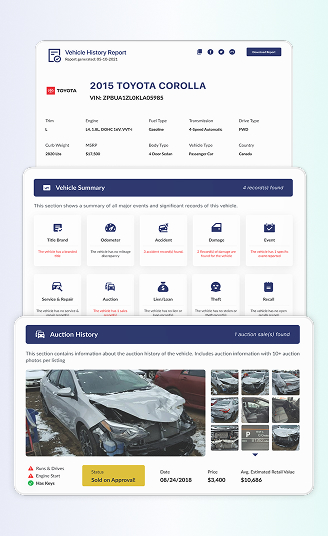
Getting a vehicle history report can help you see if the vehicle has previous damage or title problems, mileage discrepancies, ownership records, and other issues that may affect the vehicle’s value and condition.
Accident and Damage Records
Accident and damage records can show reported collisions, structural damage, flood damage, or other incidents. Compare these records with the vehicle’s current condition and any repair documentation.
Title and Odometer Records
Check for salvage, rebuilt, or other problematic title records before buying. Odometer records can also help identify mileage discrepancies that indicate inaccurate or altered mileage.
Ownership and Service History
Ownership records can show how the vehicle changed hands over time. Service and maintenance records can help confirm how consistently the vehicle was maintained and identify previous repairs.
Theft, Lien, and Recall Records
Check for theft records, outstanding liens, and reported recalls. These records can show if the car carries legal, financial, or safety issues that should be resolved before completing the purchase.
Verify the VIN
Verify that the VIN belongs to the vehicle being sold and matches the information shown in its records. Any discrepancy should be investigated before proceeding with the purchase.
Compare the VIN Across Records
Compare the 17-character VIN on the vehicle with the VIN listed on the title, registration, and other documents. All records should identify the same vehicle.
Watch for VIN Discrepancies
Be cautious if VINs do not match, identification plates appear altered, or a seller refuses to provide the VIN. If you find out that the VIN does not match, it is better to find another vehicle to purchase.
Inspect the Vehicle Carefully
We suggest you inspect the vehicle manually even if the vehicle history report looks clean. A careful inspection can show if the vehicle has extensive wear, damage, and mechanical problems that might not be reported.
Inspect the Exterior
Start with the exterior in good daylight. Look for signs of accidents, poor repairs, excessive wear, or damage that could affect the vehicle’s condition and performance.
Body and Paint
Check for dents, scratches, rust, uneven panel gaps, and mismatched paint. Differences in paint color or texture may indicate previous repairs or replaced body panels.
Tires, Wheels, Lights, and Glass
Check the tires for uneven wear, cracks, and adequate tread. Inspect the wheels for damage and make sure the lights, mirrors, windshield, and other glass are intact.
Inspect the Interior
Check the interior for excessive wear, damage, and signs of neglect. Compare its overall condition with the vehicle’s claimed age and mileage.
Seats and Upholstery
Look for torn upholstery, damaged seats, worn carpeting, and excessive wear on frequently used areas. Unusual interior wear warrants a closer look at the reported mileage.
Dashboard and Controls
Start the vehicle and check for warning lights, unusual dashboard messages, and malfunctioning controls. Test the air conditioning, windows, locks, infotainment system, and other electronics.
Odors and Water Damage
Look for damp carpets, water stains, mold, or unusual musty odors. These signs may indicate previous water intrusion, flooding, or leaks that require further inspection.
Check the Mechanical Condition
A basic mechanical inspection can identify visible problems before a professional assessment. Look for leaks, damaged components, and other signs of poor maintenance.
Under the Hood
Check for fluid leaks, damaged belts, cracked hoses, corrosion, and unusual engine noises. Look for signs of poor maintenance or repairs around the engine compartment.
Under the Vehicle
Inspect underneath for fluid leaks, excessive rust, damaged components, or signs of structural repairs. Freshly cleaned areas also deserve closer attention if they appear intended to hide leaks.
Take a Test Drive
Pay attention to braking, steering, acceleration, transmission shifts, suspension, unusual noises, and warning lights. Test the vehicle at different speeds and road conditions when possible.
Test the Brakes and Steering
During the test drive, you should run a test the brakes and steering at different speeds. Make sure you watch for pulling, vibration, grinding, unusual pedal behavior, or excessive steering play.
Check the Transmission and Acceleration
Accelerate gradually and observe how the transmission shifts. Delayed engagement, harsh shifting, slipping, hesitation, or unusual noises may indicate mechanical problems.
Test the Vehicle at Different Speeds
Try driving in the city and on the highway when you have the chance. During this test, you should pay attention to vibrations, suspension behavior, steering response, road noise, and how the vehicle handles different surfaces.
Test the Controls and Electronics
You may test how the air conditioning system works, windows, mirrors, lights, wipers, infotainment system, dashboard controls, and other electrical features. If there’s something weird, ask the seller about it.
Get a Pre-Purchase Inspection
An independent pre-purchase inspection helps to see if the vehicle carries hidden mechanical, structural, and safety problems that may be difficult to spot during a basic inspection or test drive. Before you run this inspection, it is better to call a trusted mechanic to run the test.
Structural and Mechanical Condition
A mechanic can inspect the engine, transmission, suspension, steering, frame, and other major components for wear, damage, leaks, or potential mechanical problems.
Safety Systems
The inspection should cover important safety components, including brakes, tires, suspension, airbags, seat belts, and other systems that affect the vehicle’s roadworthiness.
Previous Repairs and Hidden Damage
A professional inspection can identify poorly repaired collision damage, concealed mechanical problems, or other issues that may not be obvious from the vehicle’s appearance.
Review the Paperwork and State Requirements
Before completing the purchase, review the vehicle’s documents and confirm the requirements for registering and transferring ownership. Requirements can vary depending on the state and purchase location.
Review the Vehicle Documents
Make sure the vehicle information and seller details are consistent across the documents. Missing or inconsistent paperwork can delay the purchase or create ownership problems.
Title and Registration
Check that the title and registration show matching vehicle information, including the VIN. Confirm that the seller is legally authorized to transfer ownership.
Bill of Sale and Other Records
Keep a bill of sale and copies of relevant purchase, maintenance, and repair records. These documents can help establish the transaction details and vehicle history.
Check State Requirements
State requirements can affect the total purchase cost and the steps needed to register the vehicle. Confirm the applicable rules before completing the transaction.
Sales Tax and Registration
Account for applicable sales tax, registration fees, and other charges when calculating the final purchase cost. Requirements and fees vary by state.
Emissions and Safety Inspections
Some states or counties require emissions or safety inspections before registration. Confirm whether the vehicle must pass an inspection and whether any exemptions apply.
Out-of-State Purchases
Buying from another state may involve additional paperwork, taxes, inspections, or registration requirements. Confirm the requirements in the state where the vehicle will be registered.
Negotiate the Price Based on Facts
Use the vehicle’s documented history, current condition, and inspection results to support your offer. Focus on measurable issues rather than making an offer based only on the asking price.
Use the Vehicle's Condition as Leverage
Documented problems can provide reasonable grounds for negotiating a lower price. Consider the cost and severity of each issue before making an offer.
Accident or Damage History
Previous accidents or significant damage can affect a vehicle’s condition and market value. Use documented damage and repair history when evaluating whether the asking price is reasonable.
Mileage or Ownership Issues
Unusual mileage records or frequent ownership changes warrant further investigation. If the records show it has discrepancies, it could be used as a pointer to negotiate better with the seller.
Needed Repairs
Use documented repair needs to estimate potential ownership costs. Major repairs or overdue maintenance can support a lower offer when the seller is willing to negotiate.
Read also: How to Get Your Vehicle’s Build Sheet from the VIN: A Complete Guide
Ask the Seller Important Questions
After reviewing the vehicle details, you also need to review the details from the seller. You may use these questions to ask the seller about the vehicle to dig deeper into their point of view.
If the seller’s answers conflict with the vehicle history, documents, or inspection results, it is better to investigate further or immediately find another seller to buy from, as it could be an early sign of a scam.
- Why are you selling the vehicle?
- How long have you owned it?
- How was the vehicle used?
- Has it been involved in an accident?
- Are there any known mechanical problems?
- Do you have maintenance or repair records?
- Are there any outstanding loans or liens?.
- Has it been used as a rental or commercial vehicle?
- Has the vehicle ever been stolen?
- What is the car’s current mileage?
- Does the vehicle run smoothly?
- Are there any recalls that still need to be fixed?
- Can the vehicle be inspected independently by me?
Common Problems When Buying a Used Car
Buying a used car can save money, but hidden issues can turn a good deal into an expensive mistake. Understanding the most common problems helps buyers know what to check before making a purchase.
Skipping a Vehicle History Check
Many buyers focus only on appearance and price while ignoring the vehicle’s past. A VIN check can reveal important details such as accidents, title issues, mileage records, and previous ownership history.
Not Getting an Independent Inspection
A seller’s claims do not always reveal hidden problems. Having a trusted mechanic inspect the vehicle can help identify mechanical issues, frame damage, leaks, or worn components before purchase.
Overlooking the Vehicle’s True Market Value
Some buyers pay too much because they do not compare prices, mileage, condition, and vehicle history. This is why checking the car’s market value can help with knowing the current market price to avoid overpaying.
Failing to Check the Title and Ownership Records
Before you make any transaction, make sure the vehicle does not carry salvage, lien, or ownership issues that could create costly problems in the future. Always verify the vehicle’s documentation.
Buying Based Only on Looks and Features
A clean interior or attractive exterior does not guarantee that the vehicle has clean records. If you are a buyer, you need to evaluate the maintenance records, mechanical condition, and overall vehicle report to determine the vehicle’s eligibility criteria.
Conclusion on Tips Before Buying a Used Vehicle
Buying a used vehicle requires more than comparing prices and choosing a model you like. Set a realistic budget, research the vehicle, review its history, and verify the VIN before making an offer. Inspect the vehicle carefully and consider an independent pre-purchase inspection to uncover potential problems. Review the title, registration, and other paperwork, then confirm your state’s requirements so the car can be brought and titled in your state.
Finally, use documented issues and expected repair costs when you negotiate better with the seller. Remember to use the vehicle history report and run a quick pre-purchase inspection with a trusted mechanic to ensure you do not get scammed.
FAQs on Tips Before Buying a Used Vehicle
What are the most common mistakes when buying a used car?
Skipping an independent pre-purchase inspection is a common mistake when buying a used car. Instead of relying only on the seller’s claims, have a trusted mechanic check for hidden frame damage, leaks, worn components, and other mechanical problems.
What is a red flag when buying a used car?
A price significantly below the market value can be a red flag. It may indicate serious mechanical problems, a salvage title, unresolved issues, or a potential scam, so investigate the vehicle carefully before buying.
What not tell a car dealer?
Avoid revealing your monthly budget, preferred monthly payment, or urgency to a car dealer during negotiations. Keeping these details private can help maintain your negotiating position and keep the discussion focused on the vehicle’s price.Avoid revealing your monthly budget, preferred monthly payment, or urgency to a car dealer during negotiations. Keeping these details private can help maintain your negotiating position and keep the discussion focused on the vehicle’s price.
Should I get a pre-purchase inspection?
Getting a pre-purchase inspection (PPI) is a smart step when buying a used car. An independent mechanic can identify mechanical, structural, or safety problems that may not be obvious during a basic inspection or test drive.
Why do I need a vehicle history report before buying?
A vehicle history report can help identify hidden safety concerns, financial issues, title problems, and other records that may affect a used car’s condition or value.
How many owners is too many for a used car?
There is no fixed number of owners that makes a used car a bad purchase. Frequent ownership changes may warrant further investigation, but the vehicle’s condition, mileage, and maintenance history are generally more important.