

Wondering how to check a used car’s records in Oman makes sense because Oman had 1,873,803 registered vehicles by the end of March 2026, up 5.5% from the same period in 2025, according to the National Centre for Statistics and Information (NCSI).
When you are in the market to purchase a used car in Oman, checking the vehicle’s history records is just as important, as the vehicle might have undisclosed damage, inconsistent mileage records, or be marked as salvage before it enters the Oman used car market.
If you are in the market for a used car, read this guide thoroughly before you make any payment, and use it as an easy way to check the vehicle’s history.
3 Ways to Check a Car History in Oman
In Oman, there are three ways to check a car’s history: through the Royal Oman Police, with an online VIN check service, and by arranging professional inspections.
- Check official records through the Royal Oman Police (ROP): Verify registration details, traffic fines, inspection requirements, and eligibility for ownership transfer.
- Get a VIN history report: Review accident, title, and mileage records, especially for imported vehicles with a history outside Oman.
- Arrange a professional inspection and test drive: Ask a qualified mechanic to assess the car for hidden damage, mechanical issues, and signs of odometer tampering.
3 Ways to Check a Car History in Oman
A used car can look clean and run well during a test drive but still have a history of severe damage or other problems. Checking its background helps you get detailed information about its records and verify the seller’s claim to ensure you do not get scammed.
Hidden Problems a History Check Can Reveal
A vehicle history report can show the hidden signs that might be difficult to notice during a quick inspection. With a vehicle history report, you can easily check if the car has an accident or flood damage and see the odometer timeline.
Accident and Flood Damage
A vehicle could have been involved in a collision or flooded before being repaired and resold. Available accident records, auction photos, and an independent inspection can help identify previous damage that is not obvious from the car’s appearance.
Odometer Rollback
A lower mileage reading can make a used car seem more valuable than it really is. Compare recorded mileage from available inspections, service visits, and previous sales to look for inconsistencies that could indicate tampering.
Unpaid Fines or Outstanding Liens
Outstanding traffic fines may affect a transaction or need to be settled before certain procedures can be completed. A lien, meanwhile, can indicate that a lender or another party has a financial claim on the vehicle.
Salvage or Rebuilt Title History
If a vehicle was imported from outside Oman, like the United States, it could carry a salvage or rebuilt title. Check the vehicle report to verify its actual title and compare it to the seller’s claim so you do not get scammed and accidentally purchase a bad vehicle.
Why Imported Cars Need Extra Attention
The local registration information in Oman may not show detailed records like early accident history, insurance claims, auction, or mileage records. So, check the vehicle records to make sure the vehicle has never been involved in an accident.
Cars Imported from the US and Canada
If the vehicle was previously registered in the United States or Canada, it could carry records from insurance claims, vehicle auctions, title databases, and sales listings.
Cars Imported from Japan and Other Markets
Vehicles imported from Japan, Europe, and other markets may have different record systems and levels of digital coverage. Some have inspection, service, auction, or export-related records, while others return limited information.
GCC-Spec vs. US-Spec Vehicles
GCC-spec vehicles are configured for Gulf Cooperation Council markets, while US-spec vehicles are built for the US market. Both can be suitable purchases in Oman, but differences in specifications, equipment, condition, and parts could affect their value.
What Do You Need Before Running a Chassis Number Check
Before you run a chassis number check in Oman, you will need to find it first. A Vehicle Identification Number (VIN) or chassis number can be found in several spots on the vehicle and its paperwork. Check this guide below:
What is a VIN?
In Oman and other GCC markets, a Vehicle Identification Number (VIN) is often called a chassis number. This is a unique identifier used to identify a vehicle, having17 characters of numbers and letters.
Finding a VIN on a Car
The VIN, or chassis number, can be found in several spots on the vehicle, although its exact position may vary by model; these are the common locations where you can find the VIN.
- Dashboard: Look through the windshield on the driver’s side, near the bottom of the dashboard.
- Driver-side door jamb: Check the identification label or sticker on the door pillar or door frame.
- Under the hood: Look for a manufacturer identification plate or label in the engine compartment.
- Engine bay or chassis stamp: Some vehicles have the number stamped directly onto a structural section of the vehicle or displayed on a plate in the engine compartment.
Finding a VIN on Vehicle Documentation
The VIN can also be found on the vehicle’s documentation, such as Mulkiya—the local vehicle registration card. You can also find the VIN in other paperwork like insurance, customs, sales paperwork, or import paperwork.
Method 1: Check Registration, Ownership and Fines Through ROP
The Royal Oman Police (ROP) provides online services for traffic fines, vehicle registration, and ownership transfers. These services can help buyers understand the vehicle’s local administrative status before buying the unit.
What an ROP Check Can Show You
With an ROP service, you can check the vehicle’s relevant registration details, traffic violations, and requirements for transferring ownership. The information available varies by service.
- Registration status: Check relevant registration details and expiry information through the applicable registration service.
- Traffic fines: The ROP Traffic Fines Payment service lets users inquire about violations associated with a specific vehicle, provided the owner’s details match the vehicle’s records.
- Ownership transfer requirements: The Vehicle Ownership Transfer service explains the conditions for transferring a vehicle and allows eligible users to initiate the process.
- Ownership information: The transfer service allows users to view vehicles they own. Do not assume that a prospective buyer can publicly access the registered owner’s personal details.
What an ROP Check Cannot Show You
Please note that an ROP check does not replace a vehicle history report, as the service might not be able to reveal the car’s initial records before it was imported to Oman.
- Previous accidents abroad: Foreign collision records and insurance claims may not appear in local registration services.
- Foreign title brands: Salvage, rebuilt, and flood-related title records generally need to be checked through the relevant source market.
- Historical mileage readings: Earlier odometer readings from foreign inspections, auctions, and service records require separate verification where available.
- Complete maintenance history: Registration records do not provide a full account of every repair or service visit.
Method 2: Use an Online VIN Check
If you are in the market to purchase a used vehicle in Oman, especially when the vehcile was imported from the United States, you can use an online Oman chassis number check by the PremiumVIN tool.
PremiumVIN is one of the site—you can use to retrieve the vehicle history report to help you get a quick understanding of the vehicle’s past.
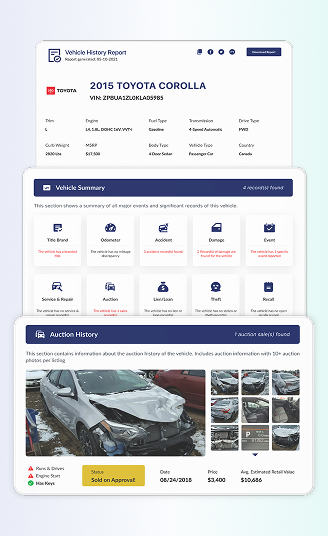
What a VIN Check Report May Include
A vehicle history report can help you investigate a car’s previous condition, recorded mileage, title history, and specifications. Depending on the vehicle and available data, you may find the following information.
Accident and Damage Records
Accident records include reported collisions, damage descriptions, dates, and severity details. These records can help you identify previous damage that the seller has not mentioned.
Title Brands (Salvage, Rebuilt, Flood)
Title brands indicate that a vehicle has been assigned a particular status under the rules of the market where it was registered. Common examples include:
- Salvage: The vehicle was declared a total loss under the applicable rules, often following severe damage or an insurance claim.
- Rebuilt: The vehicle previously had a salvage or similar brand and was subsequently repaired and classified for use under the relevant jurisdiction’s requirements.
- Flood: The vehicle has a recorded flood-related title or damage classification.
Mileage Readings and Odometer Checks
A vehicle history report shows mileage readings recorded during inspections, registrations, auctions, or sales. Comparing these readings by date can help identify inconsistencies that warrant further investigation.
Auction Photos and Sales History
Check the vehicle’s auction records, as they include previous sale dates, condition descriptions, mileage readings, and photographs of the vehicle when it was auctioned.
Specifications and Market Value
A vehicle history report can help verify a vehicle’s recorded make, model, model year, engine, trim, and even the MSRP. Compare these details with the seller’s description to identify mismatches in the car’s configuration.
Is There a Free Service to Check Vehicle Past Records?
A free VIN Decoder can help you verify a vehicle’s basic specifications. However, if you need to verify the vehicle’s history records, you can use a VIN check to examine the vehicle’s accident history, odometer reading, and more.
- Free VIN decoder: Helps identify available details such as make, model, model year, and engine specifications. Use it to check whether the vehicle matches the seller’s description.
- Paid vehicle history report: Use a VIN check to get a vehcile history report to check title brands, mileage history, auction activity, and other historical information.
What an Inspection Centre or Mechanic Should Check
Hire a qualified mechanic to help you examine the vehicle’s structure, mechanical components, and electrical systems to see if it suffers from war and tar. Due to Oman’s hot climate, pay attention to AC and engine cooling components as well.
- Structure and chassis: Check for bent components, cracks, uneven panel gaps, and signs of poorly repaired collision damage.
- Paint and body panels: Paint-thickness measurements can help identify repainting or filler that may indicate previous repairs. Repainted panels alone do not prove that a car was involved in a serious accident.
- Possible flood damage: Look for unusual rust, silt in concealed areas, water marks, damp or musty smells, and electrical faults.
- Engine and transmission: Check for fluid leaks, abnormal noises, rough idling, overheating, warning lights, and unusual gear changes.
- Air conditioning and cooling system: Test the AC and have the mechanic assess its cooling performance, radiator, coolant condition, and other cooling components.
- Electronics and safety systems: Check dashboard warning lights, windows, lights, cameras, parking sensors, and other equipment.
Things to Inspect Before Buying a Used Vehicle
Usually, before you purchase a used car, there will always be three steps that you must go through: before viewing, during viewing or negotiating, and before you decide to purchase the vehicle.
Before You View the Car
- Ask the seller for the VIN or chassis number and check available history records.
- Review available accident, title, mileage, and auction records, especially for imported cars.
- Ask the seller to check outstanding traffic fines and confirm registration details through the relevant ROP services.
At the Viewing
- Match the VIN or chassis number on the vehicle with its Mulkiya and other available documents.
- Inspect body panels for uneven gaps, repainting, and signs of previous repairs.
- Check tyre condition and wear patterns for possible alignment or suspension issues.
- Compare the dates on the window glass where visible. Different dates can be normal, but unexpected differences may warrant further inspection.
Before You Pay
- Arrange an independent inspection and test drive.
- Get a written sale agreement stating the vehicle details, agreed price, and any conditions of sale.
- Agree on the ownership transfer process and confirm that the required conditions are met before making final payment.
Conclusion
Checking a used car in Oman needs more steps than just reviewing its paperwork. If you need to check the vehicle’s administrative status locally, you may run a quick ROP check; on the other hand, if you want to purchase a vehicle, especially when it was imported, use an online VIN check service like PremiumVIN to get the vehicle history report using a VIN or chassis number.
Verify the chassis number, resolve any discrepancies, and confirm ownership transfer requirements before paying. No single check shows everything, but using these methods altogether can help you draw better conclusions.
FAQ About How to Check Car History in Oman
Can I check a car's history in Oman with only the VIN?
Yes, you can check a car’s history using its 17-character Vehicle Identification Number (VIN), also commonly called the chassis number. The records available depend on the vehicle’s history, its previous market, and the data sources accessible to the service.
How can I check the history of my car in Oman?
You can check a car’s history in Oman by entering its VIN or chassis number into a VIN check tool to review available vehicle history records, which may include accident, title, mileage, and auction information.
Does a VIN check show Omani traffic fines?
A standard VIN history report does not directly show Omani traffic fines. In Oman, you can check applicable traffic violations through the Royal Oman Police (ROP) eTraffic services, which may require the vehicle’s plate code and number or the registered owner’s identification details.
How can I tell if a car in Oman has been in an accident or flooded?
To check whether a used car in Oman has a history of accidents or flood damage, review available VIN history records, inspect the vehicle for signs of previous damage, and arrange a professional pre-purchase inspection. These checks can help identify potential issues, although not all damage is recorded in online databases.
How do I know if the odometer has been tampered with?
To check for possible odometer rollback, compare mileage readings across available vehicle records and service documents, assess whether the mileage matches the car’s physical wear, and ask a qualified mechanic to check electronic data where supported. Inconsistencies warrant further investigation but do not automatically prove tampering.