
Minnesota VIN Check for Vehicle History Reports
Buying a used vehicle in Minnesota requires more than checking its appearance, test-driving it, or reviewing the seller’s description. A vehicle may have a previous salvage designation, flood damage, inconsistent mileage records, an unresolved lien, or an auction history that is not obvious during an in-person inspection.
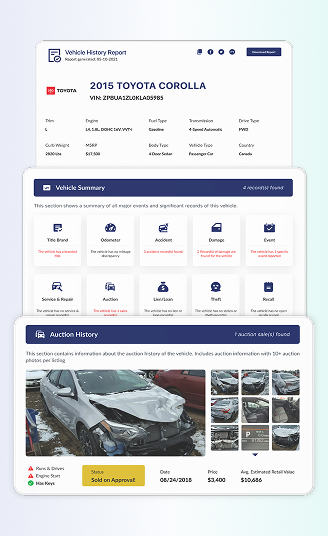
A Minnesota VIN check helps you investigate the vehicle’s available history records using its Vehicle Identification Number (VIN). A PremiumVIN vehicle history report may include reported accident and damage events, title-brand information, odometer readings, ownership and registration history, theft records, lien information, and auction history when those records are available.
Minnesota has specific title-brand terminology and salvage-title requirements that matter when evaluating a used vehicle. Understanding those records can help you identify questions to resolve before completing a purchase, accepting a trade-in, or preparing a vehicle for resale.
What Does a Minnesota VIN Check Reveal?
A VIN check connects a vehicle identifier with available records from the sources represented in a vehicle history database. It is useful for comparing the seller’s description with documented events and identifying issues that deserve further investigation.
A PremiumVIN report may contain the following information, depending on the vehicle and the records available for it.
Accident and Damage History
Accident records can help establish whether a vehicle was previously involved in a reported collision or damage event. Depending on the source record, the report may provide an event date, damage description, location, or insurance-related information.
When reviewing a Minnesota vehicle, pay attention to whether reported damage is consistent with the seller’s explanation and the vehicle’s visible condition.
A missing accident entry does not establish that a vehicle has never been damaged. Not every collision is reported to an insurance company or included in the databases used by vehicle history providers.
Minnesota Title Brand and Salvage History
Title brands are particularly important when evaluating a vehicle previously titled in Minnesota. The Minnesota Attorney General identifies several brands buyers should examine, including:
- Salvage: Indicates a vehicle has received a salvage designation under the applicable title rules.
- Prior Salvage: Indicates a vehicle previously carried a salvage designation and subsequently received a prior-salvage title.
- Flood: Identifies a vehicle with a flood-related title brand.
- Reconstructed: Identifies a vehicle whose construction or essential components have been changed in a manner covered by Minnesota’s title-brand rules.
- Rebuilt: A title brand associated with qualifying vehicle damage.
- Lemon Law Vehicle: Identifies a vehicle with a lemon-law-related title designation.
These terms should not be treated as interchangeable. Each represents a different title-history signal, and the applicable legal requirements depend on the vehicle and its circumstances.
For a more focused explanation, see PremiumVIN’s salvage title check and rebuilt title check.
Odometer and Mileage Records
Mileage history helps you compare recorded odometer readings over time. A vehicle history report may show readings associated with available registration, inspection, auction, service, or other historical records.
Look for patterns such as:
- A later mileage entry that is lower than an earlier recorded reading.
- A long gap between recorded mileage events.
- A reading that differs significantly from the seller’s current odometer.
- Mileage information that does not match available maintenance or auction documentation.
Minnesota law requires mileage disclosure when a vehicle is transferred, subject to applicable federal and state requirements. However, a history report is not a physical odometer inspection and cannot independently certify the actual mileage.
Ownership and Registration History
Available ownership and registration records can help you understand a vehicle’s history across different periods.
Depending on the records available, a report may show:
- The number of recorded ownership changes.
- Registration states or regions.
- Approximate ownership periods.
- Recorded vehicle-use classifications.
- Changes that may help explain gaps in the vehicle’s history.
These records should be interpreted as historical data, not as a current legal ownership certificate. A VIN report does not replace the vehicle title or the official ownership-transfer process.
Lien and Loan Records
A vehicle with an unresolved lien can create complications during a sale. A lender or other secured party may retain an interest in the vehicle until the obligation is properly resolved.
Minnesota’s title-transfer guidance explains the importance of obtaining the required lien release when a lender’s interest needs to be removed from the certificate of title.
A VIN history report may contain available lien or loan-related records. Use those results as an additional screening step, then confirm the current lien status and obtain the appropriate documentation before paying the seller.
Do not assume that the absence of a lien entry in a commercial report proves that the vehicle is free of every outstanding financial claim.
Auction History and Available Photos
A vehicle may have been sold through an insurance, salvage, or other vehicle auction before appearing in a retail listing.
Where matching auction records are available, PremiumVIN may provide historical sale information, descriptions, dates, and associated photographs.
Auction information can be especially useful when the vehicle’s current appearance differs from its earlier documented condition. Compare available photographs with the vehicle in front of you, paying attention to visible damage, missing components, and evidence of previous repairs.
An auction record is not necessarily proof of the vehicle’s current condition. It documents a historical event and should be considered alongside a physical inspection.
Theft Records
A vehicle history report may include theft-related records found in the sources checked for that vehicle.
Review any reported theft event carefully, including its date and available status information. If a result raises a concern, confirm the vehicle’s current status through the appropriate law-enforcement or official channel before proceeding with the transaction.
A report that does not display a theft record should not be interpreted as an absolute guarantee that the vehicle has never been stolen.
Recalls and Vehicle Specifications
A VIN check may also provide vehicle specifications and available recall information.
Specifications can help confirm that the vehicle’s decoded identity is consistent with the seller’s description. Recall information can identify manufacturer safety campaigns associated with the vehicle.
For current recall status and repair instructions, use the official NHTSA recall lookup. A vehicle history report should complement, not replace, manufacturer or government recall confirmation.
Market Value and Sales Context
Historical sales and market information can help buyers and sellers assess a vehicle’s pricing context.
A report may provide an estimated market value or related pricing information when sufficient vehicle and market data are available. Consider the vehicle’s mileage, condition, equipment, title history, location, and comparable sales when interpreting an estimate.
A market estimate is not a certified appraisal, a guaranteed selling price, or a promise of what a particular buyer will pay.
Minnesota Salvage Titles: What Buyers Should Understand
A salvage designation deserves careful attention because it can affect a vehicle’s registration eligibility, resale value, and future use.
Minnesota distinguishes between a vehicle carrying a salvage title and one that has subsequently received a Prior Salvage designation. The distinction matters because a vehicle’s ability to be registered and driven is not established simply by the fact that it has been repaired.
Under Minnesota law, a certificate of title bearing a salvage brand does not itself authorize vehicle registration. For certain late-model or high-value salvage vehicles, the state requires an inspection certification before issuing a title bearing the Prior Salvage brand.
This process is not a general guarantee that every repaired component is safe or that the vehicle has returned to its original condition.
What Does a Prior Salvage Title Mean?
A Prior Salvage designation indicates that the vehicle previously carried a salvage status and has moved through the applicable title process.
It is important to distinguish the title’s administrative status from the vehicle’s actual mechanical and structural condition. A vehicle may have passed the required title inspection while still having repair history, diminished market value, or components that deserve additional examination.
Before purchasing one, consider:
- Reviewing the available salvage and title-brand history.
- Comparing historical auction photographs with the current vehicle.
- Asking for repair invoices and replacement-parts documentation.
- Having a qualified mechanic or body shop inspect structural and safety-related components.
- Confirming the current title and registration requirements with Minnesota Driver and Vehicle Services.
What Is the Difference Between Salvage, Prior Salvage, and Rebuilt?
These labels should not be used as synonyms.
A Salvage brand identifies a vehicle carrying a salvage designation. A Prior Salvage brand identifies a vehicle that previously carried salvage status and has received the subsequent title designation under the applicable process. Rebuilt is another title brand that may appear in vehicle records and should be evaluated according to its own title history and jurisdiction.
If a vehicle has moved between states, its title history may contain brands or descriptions from more than one jurisdiction. Review the complete available history rather than relying only on the current title document.
How Minnesota Title Transfers and Liens Affect Used-Car Purchases
A vehicle history investigation should be accompanied by a review of the actual title and transfer documents.
When a Minnesota vehicle is sold, the title must be properly assigned to the buyer. If a lender is listed as a secured party, the seller may need to provide the required lien-release documentation before the lender’s interest can be removed.
Before completing a purchase, compare:
- The VIN on the vehicle with the VIN on the title.
- The seller’s identity with the ownership information on the title.
- The recorded mileage with the vehicle’s odometer.
- Any title brands with the vehicle’s disclosed damage and repair history.
- Any listed lienholder with the lien-release documentation.
A VIN check can help identify historical issues, but it does not transfer ownership, release a lien, or replace confirmation from Minnesota Driver and Vehicle Services.
Does Minnesota Require Annual Vehicle Safety and Emissions Inspections?
Minnesota does not operate a statewide vehicle inspection program equivalent to the annual safety and emissions inspection programs used in some other states.
This distinction matters when reviewing a vehicle’s history. Buyers should not assume that a Minnesota-registered vehicle has passed an annual statewide safety or emissions inspection simply because it has been registered.
Certain title-related inspections are separate from a general annual inspection program. For example, Minnesota’s salvage-title process includes inspection requirements for qualifying vehicles before a Prior Salvage title can be issued.
A vehicle history report may contain inspection-related entries from available historical sources, but those entries should not be interpreted as proof of a statewide annual inspection requirement or as a current safety certification.
How to Run a Minnesota VIN Check with PremiumVIN
You can start a vehicle history search using the VIN or a supported U.S. license plate.

Step 1: Find the Vehicle Identification Number
The VIN is normally a 17-character identifier on modern road vehicles manufactured under the standardized VIN system.
Check that the VIN on the vehicle matches the VIN on the seller's paperwork. Learn more in our guide to where to find a VIN.

Step 2: Enter the VIN or Use a License Plate
Enter the VIN into the PremiumVIN search form. If you do not have the VIN, you can try the Minnesota license plate lookup, subject to the availability of the supported plate search.
Make sure the identifier is entered correctly before submitting it.

Step 3: Review the Available Vehicle Information
The initial result may show basic decoded vehicle information and a report preview. Review the available information to confirm that the vehicle identity matches the car you intend to investigate.
Step 4: Access the Vehicle History Report
If you proceed with the full report, review the available history sections. Pay particular attention to accident and damage events, title brands, mileage entries, lien information, and auction records where present.
Step 5: Verify Important Findings Independently
Use the report to identify questions that require further investigation. Confirm title and lien matters through the appropriate official channels, check open recalls through NHTSA, and arrange a physical inspection when the vehicle's condition or repair history warrants it.
Where to Find a VIN on a Minnesota Vehicle
The VIN location depends on the vehicle type and manufacturer. For most modern passenger cars, the most accessible locations are the lower driver’s side windshield and the driver’s side door-jamb label.
You may also find the VIN on the certificate of title, registration documents, or insurance paperwork.
For older vehicles, motorcycles, trailers, and other specialty vehicles, identifier locations and formats may differ. Do not assume that every vehicle uses the same 17-character VIN format. See what a VIN is and our explanation of VIN number formats.
What a Minnesota VIN Check Cannot Confirm
A vehicle history report is a research tool, not a complete legal or mechanical inspection.
It cannot independently guarantee:
- That a vehicle has never been involved in an unreported accident.
- That every title brand or historical event is present in the available databases.
- That the odometer displays the vehicle’s true lifetime mileage.
- That a vehicle has no outstanding lien or other legal claim.
- That every previous owner or registration event is identified.
- That the vehicle is currently safe, roadworthy, or mechanically sound.
- That a vehicle has passed every inspection required for a particular title or registration situation.
Historical information may be incomplete, delayed, or unavailable. A report with no entry for a particular event should be understood as a lack of a matching record in the available data, not proof that the event never happened.
Read more about PremiumVIN’s report methodology, data availability and coverage, and vehicle history report limitations.
Check a Minnesota Vehicle Before You Buy or Sell
A vehicle’s current appearance does not always reveal its title history, previous damage, mileage records, or financial history. Reviewing available records before a transaction gives you more information to evaluate the seller’s description and decide what needs further verification.
Run a PremiumVIN Minnesota VIN check to investigate the vehicle’s available history, review its title and mileage records, and make a more informed buying or selling decision.
FAQs About Minnesota VIN Checks
Is a Minnesota VIN check free?
You can use PremiumVIN to access basic VIN information and a report preview. Access to the full vehicle history report requires the applicable paid purchase.
Can I check a Minnesota vehicle using its license plate?
Yes. PremiumVIN offers a Minnesota license plate lookup for supported U.S. vehicle searches. The available result depends on the identifier and the records that can be matched.
How can I tell whether a Minnesota vehicle has a salvage title?
Review the vehicle’s title document and available title-history records. Minnesota title brands include Salvage and Prior Salvage, among others. A VIN history report can help identify available historical title information, but the current title should be confirmed through the appropriate state channel.
Does a Prior Salvage title mean the vehicle is completely safe?
No. A Prior Salvage designation reflects a title status following the applicable process. It does not guarantee that every repair was performed correctly or that the vehicle has no remaining structural, mechanical, or safety problems.
Can a Minnesota VIN check reveal odometer rollback?
A report may help identify inconsistencies between recorded mileage entries. A lower later reading than an earlier recorded reading can be a warning sign, but the available records may not show every odometer event. A VIN report cannot independently certify actual mileage.
Can I check whether a Minnesota vehicle has an outstanding lien?
A report may contain available lien or loan-related information. However, the absence of a lien entry does not prove that no lien exists. Review the title and obtain the appropriate lien-release documentation before completing the transaction.
Does Minnesota require annual safety and emissions inspections?
Minnesota does not have a statewide annual vehicle safety and emissions inspection program. Certain vehicles may still be subject to specific inspections, including requirements associated with qualifying salvage-title situations.
Can I check a vehicle that was previously registered in another state?
Yes. You can submit a supported VIN to investigate available vehicle history records. If the vehicle moved between states, review the available title and registration history across jurisdictions rather than focusing only on its current Minnesota registration.
Does a Minnesota VIN check identify the current owner?
A vehicle history report may show available ownership-related history, such as recorded ownership changes or registration regions. It is not a public directory of private owners and does not provide a legal ownership determination.
Should I get a VIN check before buying a used vehicle in Minnesota?
A VIN check is a useful part of pre-purchase research. It can help identify available historical records that may not be visible during a test drive or visual inspection. Combine it with a title review, lien verification, recall check, and independent mechanical inspection.