

Key Takeaways
- Research your car’s market value by comparing similar vehicles and considering mileage, condition, equipment, and local market prices before setting an asking price.
- Prepare the vehicle and paperwork by cleaning the car, gathering the title and maintenance records, and addressing minor issues worth fixing.
- Choose a selling method that fits your needs, whether you’re selling privately, online, to a dealership, or dealing with an outstanding auto loan.
- Complete the transaction carefully by verifying payment, completing the required title and ownership paperwork, notifying the appropriate agencies, and keeping records after the sale.
Selling a car for a first-timer can be a daunting process, especially when you do not know the steps, how to handle buyers, prepare the car for sale, or how to run a background check to ensure you do not sell a car in bad condition that could affect legality.
If you’re learning how to sell a car, taking time to prepare can make the process easier and help you answer buyer questions with accurate information. This guide covers how to sell a used car, from researching its value and checking its history to negotiating the price and completing the paperwork.
Decide How You Want to Sell Your Car
Before listing your car, decide how you want to handle the sale. Private sales, online selling platforms, and dealerships each involve different levels of seller effort, pricing control, buyer interaction, and paperwork. Depending on the type, each process is different.
Selling Your Car Privately
A private sale lets you advertise the vehicle directly to potential buyers and negotiate the selling price yourself. If you’re learning how to sell a car privately, this can be a way for you to learn to create a listing, respond to inquiries, arrange test drives, negotiate offers, and complete the required paperwork.
Selling Your Car Online
Selling online can help you reach buyers beyond your immediate area. When considering how to sell a car online, you can use a marketplace where you can communicate directly with buyers or an online car buying service. However, the effort you spend depends on the platform.
A marketplace may leave you responsible for pricing, buyer messages, negotiations, and the final transaction. At the same time, a car-buying service may handle more of the process after you accept an offer.
Sell or Trade Your Car to a Dealer
If you prefer to sell your car offline, you may do it with a used car dealership. The process starts with an appraisal before the dealer makes an offer. If you accept, the dealership handles much of the transaction and ownership-transfer paperwork.
How to Find Out How Much Your Car is Worth?
Before you set an asking price, research similar cars’ prices that are currently sold in your area. A realistic price should reflect the car’s age, mileage, condition, equipment, and local market rather than what you originally paid for it.
Research Comparable Vehicle
Look for vehicles that have the same model and year as yours as a starting point. Pay attention to mileage, condition, location, factory options, and whether the vehicle is being sold privately, online, or through a dealer.
Evaluate Your Car’s Condition
The condition of your car can have a significant effect on its market value. Before you price your car, take a careful look at its mechanical and physical condition.
Mechanical Condition
Consider the vehicle’s overall running condition, including:
- Engine and transmission performance
- Dashboard warning lights
- Tire and brake condition
- Recent repairs or replacements
- Maintenance history and upcoming service needs
Be realistic about known mechanical problems. A vehicle that needs major repairs may be worth less than a similar car in good running condition.
Cosmetic Condition
Inspect the exterior and interior for visible wear or damage, including:
- Paint condition
- Dents and scratches
- Interior stains, tears, or excessive wear
- Cracked or chipped glass
- Wheel and tire appearance
Minor cosmetic flaws may have a smaller effect on value, but significant damage or excessive wear should be reflected in the asking price.
Set a Realistic Asking Price
Use your market research and the vehicle’s condition to establish an asking price. Factor in mileage, equipment, maintenance, recent repairs, and local demand. If you’re selling privately, you may also leave some room for reasonable negotiation.
READ ALSO: How to Check Vehicle Specs by VIN at No Cost
How to Find Out How Much Your Car is Worth?
Gathering your paperwork before listing the vehicle can make the sale easier and help you avoid delays when it’s time to transfer ownership. The documents you need depend on your state and the circumstances of the sale, so check your state’s current requirements before completing the transaction.
Vehicle Title
The vehicle title is one of the most important documents you’ll need when selling a car. Before listing the vehicle, make sure you know where the title is and whether any issues could affect the ownership transfer.
Check the Title Status
If you still have an active loan, the lender may be listed as a lienholder and may need to be involved in the sale. If you’ve lost the title, contact your state’s motor vehicle agency to find out how to request a replacement. Please note that the process and requirements are different by state.
Check Your State’s Title Requirements
Title-transfer requirements differ from state to state. Depending on where you live, you may need specific signatures, an odometer disclosure, notarization, a bill of sale, or additional forms.
Check your state’s motor vehicle agency for the current requirements before signing the title. Completing the paperwork incorrectly can delay the transfer or create problems for the buyer.
Service and Maintenance Records
Service records can help document how the vehicle has been maintained and give potential buyers more information about its condition. Gather any records you have, including:
- Repair invoices
- Oil-change records
- Major maintenance receipts
- Tire and brake replacement records
- Inspection records
Other Documents to Gather
Depending on the vehicle and where you live, you also want to gather:
- Current registration
- Owner’s manual
- Warranty information
- Spare keys and key fobs
- Loan or lien information
- Inspection or emissions documents, where applicable
READ ALSO: Why Every Used Car Buyer Needs a Vehicle History Report?
Prepare Your Car for Sale
A clean, presentable vehicle can make a better first impression when potential buyers view your listing. Before taking photos or arranging inspections, take care of basic cleaning and inexpensive issues, while documenting any problems you plan to disclose.
Clean and Detail the Vehicle
Start with a thorough cleaning inside and out. Wash the exterior, clean the wheels and glass, and remove dirt or debris from visible areas. Vacuum the interior, wipe down surfaces, and remove personal belongings.
Pay attention to noticeable stains, odors, and other minor issues that can make the vehicle appear less well maintained. You do not necessarily need a professional detail, but the car should be clean enough for buyers to assess its condition.
Fix Minor Issues Worth Addressing
Take care of inexpensive problems that are relatively easy to fix before listing the car. These may include:
- Replacing burned-out bulbs
- Checking and correcting tire pressure
- Replacing worn windshield wipers
- Handling basic maintenance that is already due
- Replacing inexpensive missing or damaged items
Consider the cost of any repair against the potential effect on the vehicle’s value. Expensive repairs don’t always make financial sense before a sale, especially if the cost is unlikely to be recovered in the asking price.
Document Existing Damage
Make a list of noticeable defects before creating your listing. Include scratches, dents, worn components, mechanical problems, warning lights, or other issues that a buyer should know about.
Take clear photos of significant damage and describe known problems accurately in the listing. Being upfront about the vehicle’s condition helps set appropriate buyer expectations and reduces surprises during an inspection.
Verify Your Car's Information Before Listing
Before you publish the listing, you will need to verify the information you plan to show to buyers. You can use the VIN (Vehicle Identification Number) to confirm past usage, mileage reading, and retrieve the window sticker. Reviewing these details beforehand can help you answer buyer questions and avoid listing information based on memory or assumptions.
Review the Vehicle History Report
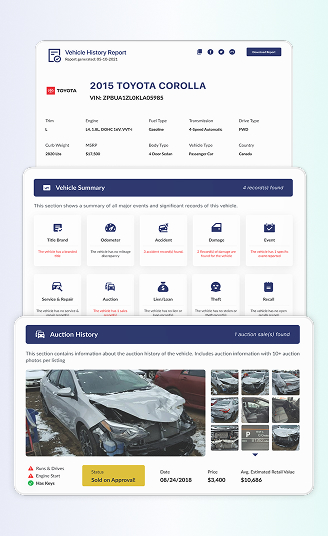
Reviewing the vehicle history report before listing can help you understand what information a potential buyer may see when researching the car. Here are the records to expect from the vehicle history report.
Check the Window Sticker for Factory Equipment
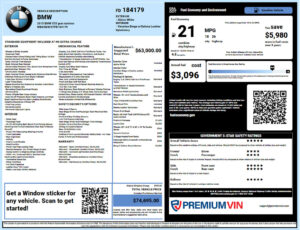
A window sticker lookup by VIN can help you review available manufacturer information about how the vehicle was equipped when it was listed for sale. On the window sticker, you can find the car’s MSRP and standard equipment,
Make a List of Your Car's Selling Details
Once you’ve gathered and verified the vehicle information, organize the details you’ll need for your listing. Keeping everything in one place can make it easier to write an accurate description and answer questions from potential buyers.
Vehicle Details
Gather basic vehicle information that buyers need to know, such as the VIN, mileage, year, make, and model. Trim, engine, transmission, major features, and its factory options and packages.
Ownership and Condition Details
Write down the ownership and condition details of the vehicle. Record the title status, service and maintenance history, recent repairs, known mechanical or cosmetic issues, number of keys and key fobs, modifications, and any relevant vehicle history information.
Take Photos and Create Your Listing
With the vehicle information organized, you can start creating the listing. Use clear photos and an accurate description to give potential buyers a better understanding of what you’re selling before they contact you.
Take Clear Photos
Take photos in good lighting and make sure the vehicle is clean before photographing it. Include enough angles and details for buyers to assess the car’s condition without having to guess what is shown in the listing.
Exterior Photos
Take clear photos from the vehicle’s front side, rear, and both sides of the vehicle’s so buyers can see the overall condition. You should also take photos of the wheels and tires, headlights, and taillights to check if it has any visible dents, scratches, and other damage.
Interior and Vehicle Details
Photograph the areas and features buyers are likely to see and ask about, and these include the front and rear seats, dashboard, odometer, and information system. You can include a photo of the engine bay and any notable features or equipment.
Write an Accurate Description
You should also mention the car’s title status, asking price, and any notable factory options or packages. Avoid exaggerating the vehicle’s condition or leaving out known problems that could affect a buyer’s assessment.
Choose Where to Advertise
You can choose the advertising channels based on the type of buyers you want to reach and how involved you want to be in the sale. Options may include:
- Online marketplaces
- Local classified websites
- Automotive sales platforms
- Social media or community marketplaces
- Online vehicle-buying services
Deal With Potential Buyers
Once your listing is live, you’ll likely receive questions, requests for more information, and offers from potential buyers. Respond clearly, but take reasonable precautions when communicating with people you don’t know and arranging vehicle viewings or test drives.
Screen Buyer Inquiries
Pay attention to unusual requests, particularly those involving overpayments, third-party payments, shipping arrangements, or requests to send money back after receiving a payment. Avoid sharing unnecessary personal information such as financial account details, passwords, or documents containing sensitive information.
Arrange a Safe Test Drive
If a potential buyer wants to inspect or test-drive the vehicle, agree on the time and location beforehand. Use reasonable precautions to protect yourself, your vehicle, and your personal belongings.
Before the Test Drive
Before you hand over the key to the potential buyer, here are the things you need to pay attention to before running the test drive:
- Meet in a public, familiar location when possible.
- Ask to see the buyer’s valid driver’s license.
- Consider bringing another person with you.
- Check whether your insurance policy has any relevant requirements.
- Remove personal belongings and sensitive documents from the vehicle.
During the Test Drive
Consider accompanying the buyer during the test drive and agree on a reasonable route beforehand. Keep control of the keys and vehicle as appropriate, and avoid allowing the car to leave your sight without taking reasonable precautions.
If the buyer refuses reasonable safety measures or makes you uncomfortable, you do not have to proceed with the test drive.
READ ALSO: Can You Get a Window Sticker for a Used Car? Complete Guide
Negotiate the Sale Price
Once a buyer shows serious interest, be prepared to discuss the price. Having a target price and a firm minimum in mind can help you negotiate without making decisions on the spot. Use the vehicle’s condition, market value, and supporting information to explain why you’ve priced it where you have.
Set Your Minimum Acceptable Price
Before negotiating, decide how much you’d ideally like to receive and the lowest amount you’re willing to accept. Base these figures on current market prices, the vehicle’s mileage and condition, and any relevant information you’ve gathered about its equipment and history.
Be Ready to Explain Your Asking Price
Buyers may ask why you’re asking a particular price, especially if similar vehicles are listed for different amounts. Be prepared to support your asking price with information such as:
- Prices of comparable vehicles
- Service and maintenance records
- Recent repairs or replacements
- Overall vehicle condition
- Factory equipment, options, and packages
- Relevant vehicle history information
Recognize Common Lowball Tactics
Some buyers may start negotiations with an unusually low offer or try to pressure you into accepting quickly. You can ask the buyer to inspect the vehicle and make a reasonable offer based on its condition. If an offer is below your minimum acceptable price, you can decline it or continue looking for another buyer.
Complete the Sale and Transfer Ownership
Once you’ve agreed on a price, make sure the payment and paperwork are completed correctly before handing over the vehicle. Title-transfer requirements vary by state, so follow the instructions on your title and check your state’s current requirements.
How to Fill Out a Title When Selling a Car
The title generally contains the information needed to document the change in ownership. Read the instructions on the document carefully and complete only the sections that apply to your transaction.
Information You Need to Enter
Some states may have additional requirements, so verify the process with your state’s motor vehicle agency before completing the title. You may need to provide:
- Buyer’s information
- Date of sale
- Sale price, where required
- Odometer reading or disclosure, where required
- Seller’s signature
- Buyer’s signature, where required
Avoid Common Title Errors
Take your time when completing the title. Avoid leaving required fields blank, signing in the wrong location, or making changes that are not permitted. Follow the instructions printed on the title and your state’s requirements for corrections or alterations.
Complete a Bill of Sale
A bill of sale provides a written record of the transaction. Keep a copy of the completed bill of sale for your records, even if your state does not require one.
- Vehicle information
- Buyer and seller information
- Sale price
- Date of sale
- Buyer and seller signatures
- Required disclosures
Verify Payment Before Handing Over the Car
Do not rely solely on screenshots, emails, or payment notifications as proof that funds are available. Be cautious if a buyer sends more money than agreed and asks you to refund the difference. Overpayment and refund schemes can leave sellers responsible for money they never actually received.
Hand Over the Vehicle
After you’ve confirmed payment and completed the required paperwork, prepare the vehicle for handover. Remove your personal belongings and sign out of connected services or accounts stored in the vehicle’s infotainment system.
- Primary and spare keys
- Completed title and other required documents
- Owner’s manual
- Service and maintenance records
- Other relevant vehicle documents
Handle the Post-Sale Steps
Your responsibilities may continue after the buyer takes possession of the vehicle. Complete any required notifications and keep records showing that the sale took place.
Notify Your State DMV
State requirements vary, but you may need to notify your state’s motor vehicle agency after selling the car. Complete the required notification as soon as applicable and keep a copy or confirmation of your submission for your records.
Update Your Insurance
Contact your insurance provider after selling the vehicle and let them know that you no longer own it. Depending on your situation, you may need to remove the vehicle from your policy, cancel the policy, or update your coverage for another vehicle.
Keep Your Records
Keep important documents and transaction records after the sale, including:
- Bill of sale
- Copy of the completed title
- Payment records
- DMV submission or confirmation
- Relevant buyer and seller communications
How to Sell a Car With a Loan?
Selling a car with an outstanding loan requires a few additional steps because the lender may hold a lien on the vehicle. Before listing the car, find out how much you still owe, how the lender handles the payoff and title, and how the sale will affect the ownership transfer.
Get Your Loan Payoff Amount
Contact your lender and request the current payoff amount for the vehicle. This may differ from the balance shown on your latest statement because interest and other charges can affect the amount needed to fully satisfy the loan. Check the payoff quote’s expiration date as well. If the sale takes place later, you may need to request an updated amount.
Compare the Loan Balance With Your Car’s Value
Compare the current payoff amount with the vehicle’s estimated market value. This will help you understand how much of the sale proceeds may be available after the loan is paid off.
If the Car Is Worth More Than You Owe
If the vehicle is worth more than the outstanding loan balance, the sale proceeds can be used to satisfy the loan. After the lender receives the amount required to pay off the loan, any remaining proceeds generally go to you.
If the Car Is Worth Less Than You Owe
If the vehicle is worth less than the amount needed to pay off the loan, you have negative equity. You will need to cover the difference between the sale price and the remaining loan balance before the lien can be released.
Coordinate With the Lender
Find out who will receive the payment, how long the process may take, and when the title will become available for transfer. If the buyer will need to wait for the title or lien release, explain the process and expected timeline before completing the transaction.
READ ALSO: How To Sell a Used Car In Tennessee | Definitive Guide
Common Mistakes to Avoid When Selling a Car
Selling a used car can be complicated when basic details are overlooked. Avoiding a few common mistakes can help you create a more accurate listing, handle buyers more effectively, and complete the transaction properly.
Pricing the Car Without Research
Don’t choose an asking price based only on what you originally paid for the vehicle. Always do thorough research to compare similar cars. Compare similar cars based on their year, mileage, condition, equipment, and local market before setting your price.
Leaving Out Known Problems
Be upfront about significant known mechanical, cosmetic, or history-related issues. Leaving out problems may create disputes or cause the buyer to lose trust when they inspect the vehicle.
Using Poor Photos
Incomplete or unclear photos can make it harder for buyers to understand the vehicle’s condition. Include clear photos of the exterior, interior, odometer, features, and noticeable damage.
Accepting Unverified Payment
Never treat a screenshot, email, or payment notification as proof that you’ve received the money. Confirm that the payment has actually been cleared before handing over the vehicle or ownership documents.
Forgetting Post-Sale Paperwork
Completing the sale does not always end your responsibilities. Depending on your state, you may need to notify the DMV, update your insurance, and keep records showing when and how the vehicle was sold.
Ready to Sell Your Car?
Selling a car involves more than finding a buyer and agreeing on a price. Research the vehicle’s value, verify its information, gather the necessary documents, prepare an accurate listing, and handle payment and ownership transfer carefully. Whether you’re selling privately, online, to a dealer, or with an outstanding loan, preparing the vehicle and paperwork in advance can help you navigate the sale more efficiently.
FAQs on How to Sell a Used Car
What is the easiest way to sell a car?
One convenient way to sell a car is to request an online cash offer from a car-buying service or local dealership, although the process and offer can vary by provider.
Is it better to sell a car privately or to a dealer?
Not really. Selling your car privately may give you more control over the asking price, while selling to a dealer can reduce the amount of time and effort involved.
Can I sell a car that still has a loan?
Yes, you can sell a car that still has an active loan, but the outstanding loan generally needs to be paid off and the lender’s lien released before the buyer can receive clear ownership.
What paperwork do I need to sell my car?
When selling a car, you generally need proof of ownership, identification, and documents that record the transaction, although specific requirements vary by state.
What are the common mistakes to avoid when selling a used car?
The common mistakes to avoid are pricing the car without researching its market value, overlooking its condition, or neglecting required paperwork and safety precautions when selling a used car.
What is the safest way to receive money when selling a car?
When accepting payment for a vehicle, use a payment method that lets you verify the funds have been received before handing over the keys, vehicle, or ownership documents. For larger transactions, consider completing the payment at a bank or other secure location.
Should I detail my car before selling?
Yes, cleaning and detailing your car before selling it can help present the vehicle in better condition, make your listing more appealing, and give potential buyers a clearer view of the vehicle.