

Key Takeaways
- You can sell a car with a lien, but you need to work with the lender to pay off the loan and complete the lien-release and title-transfer process.
- Get the current loan payoff amount before selling so you know exactly how much you owe and whether you have positive or negative equity.
- Selling to a dealership can simplify the process, while a private sale requires more coordination between you, the buyer, and the lienholder.
- A lien release confirms that the lender’s interest has been satisfied, but you may still need to complete additional title-transfer steps depending on your state.
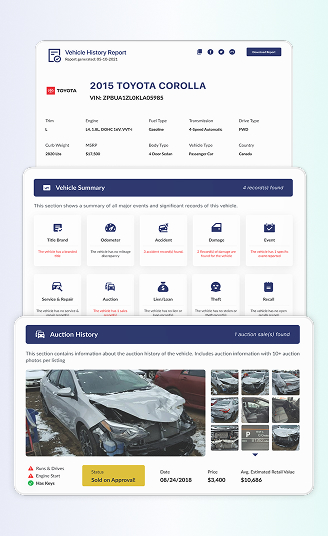
- You should run a VIN Check to see if the car has an outstanding loan/lien, auction, accident, and more.
If you are wondering whether you can sell a car with a lien on it, the answer is simple: yes, you can sell it, but you’ll need to work with the lienholder to pay off the loan and complete the title transfer. A lien means a lender or creditor has a legal interest in your vehicle because you still owe money on it.
The process of selling a car with a lien can be daunting if you do not know where to start or how to do it. This article will help you understand the steps and how you can sell a car that still has a lien attached to it.
Can You Sell a Car With a Lien on It?
Yes, you can sell a car with a lien on it, but the sale typically requires a few extra steps because the lender still has a legal interest in the vehicle. If you’re asking if a car with a lien can be sold, the answer is generally yes, as long as the outstanding loan and lien are properly handled before ownership is transferred.
You can start by checking with the lienholder to request the current payoff amount and ask how it handles vehicle sales and lien releases. Depending on the lender and your state, the title and lien-release process may work differently. Understanding these requirements before you list the vehicle can help prevent delays.
What Does a Lien Mean for a Car Seller?
A lien gives a lender a legal claim to the vehicle until the loan is paid off. If you are selling a financed vehicle, contact the lender to confirm the payoff amount, lien-release requirements, and title-transfer process before completing the sale.
Can You Sell a Car Without a Lien Release?
You may be able to arrange a sale before the lien is released, but it depends on the lender’s process. However, never hand over the vehicle or title until the loan payoff and ownership transfer have been properly completed. Otherwise, the buyer may have difficulty obtaining clear ownership.
READ ALSO: Tips for Buying a Used Vehicle: The Complete Buyer’s Guide
How to Sell a Car With a Lien
When you want to sell a car with a lien attached, you need to understand what you owe and how much the vehicle is worth. Before the sale is completed, you’ll need to know the loan payoff amount, determine whether you have positive or negative equity, and confirm how the lender will be paid and release its lien.
Once you understand, you can decide whether selling to a dealership or a private buyer makes more sense for your situation.
Get the Loan Payoff Amount
Before putting your car up for sale, contact the lender and request a current loan payoff quote. The payoff amount may differ depending on the remaining balance shown on your monthly statement because it can include interest or a different pay date.
Ask the lender for details about:
- The current payoff amount
- How long the payoff quote is valid
- Any interest or fees included in the amount
- Accepted payment methods
- How the lender handles vehicle sales
- How and when the lien will be released
- Where the title or lien-release documentation will be sent
Having information prior to the process helps you to determine how much money you need from the sale to satisfy the loan and complete the transaction.
Determine the Car Market Value
Next, find out what your car could realistically sell for. You can compare the price through a private seller, request a dealer quote, or use the trade-in process. For example, if your car could sell for around $25,000 and your loan payoff is $20,000, you have roughly $5,000 in positive equity before accounting for any selling costs. If the car is worth $18,000 but you owe $22,000, you have negative equity and would need to address the $4,000 difference.
Compare the Car’s Value With the Loan Payoff
Positive equity means your car is worth more than the amount needed to pay off the loan. For example, if you sell the vehicle for $25,000 and your payoff amount is $20,000, about $5,000 remains after the loan is satisfied, before any applicable costs.
Negative equity means you owe more than the car is worth. If you sell the vehicle for $18,000 but the loan payoff is $22,000, there is a $4,000 shortfall that you will need to cover as part of the transaction.
Choose Between a Private Sale and a Dealership
Once you know your payoff amount and the vehicle’s value, you can decide how you want to sell the car, whether it is through a dealership or private selling.
Dealership
Selling or trading the vehicle to a dealership can reduce some of the coordination involved in a lien sale. The dealer may work with your lender to obtain the payoff amount and arrange payment as part of the transaction. If this is your first time selling a car, you may sell it through a dealership.
Private Sale
If you are experienced in selling cars, you may sell the car privately because it involves more steps compared to a dealership. Just in case you are selling a car with a lien to a private party, be upfront about the outstanding loan and explain how the lien will be handled.
Selling a Car With a Lien to a Dealership
Selling or trading a financed vehicle to a dealership can reduce some of the administrative work involved in dealing with a lien. Instead of coordinating the entire transaction with a private buyer, the dealership may work directly with your lender to confirm the loan payoff and handle parts of the title and lien process.
How Does a Dealership Pay Off a Car With a Lien?
The exact process can vary between dealerships, lenders, and states, but a dealership will generally need information about your existing loan before completing the transaction.
The process includes:
- The dealer determines your vehicle’s value: The dealership inspects the car and makes a purchase or trade-in offer.
- You provide your lender information: This may include the lender’s name, loan account details, and other information needed to verify the loan.
- The dealer confirms the payoff amount: The dealership contacts the lender or uses the information you provide to determine how much is required to satisfy the loan.
- The dealer coordinates payment: The agreed transaction amount is used toward the loan payoff, with the dealership handling payment according to its process.
- You receive any positive equity: If the vehicle is worth more than the payoff amount, the remaining amount generally goes toward your trade-in value or sale proceeds.
- Negative equity is addressed: If the payoff is higher than the dealer’s offer, you’ll need to determine how the remaining balance will be covered.
- Title and lien paperwork is completed: The dealership and lender follow the applicable process for satisfying the lien and transferring ownership.
Before you sign the final paperwork, ask the dealership how they will handle the existing loan and when the lien and title will be processed.
What Happens if You Owe More Than the Dealer Offers?
If your loan payoff is higher than the dealership’s offer, you have negative equity. For example, if you owe $24,000 on the car but the dealership offers $20,000, there is a $4,000 difference that still needs to be addressed.
One option is to pay the difference out of pocket so the loan can be fully satisfied as part of the sale. Another is to continue making payments and reduce the loan balance before selling the vehicle. You may compare a few different offers from multiple dealerships to see if there are any buyers who value the vehicle at a higher price.
READ ALSO: Salvage Title vs. Clean Title: What’s the Difference and Which Should You Buy?
Selling a Car With a Lien to a Private Party
Selling a financed vehicle to a private buyer needs more coordination than selling it to a used car dealership, as you need to work with the buyer, lender, and the agency responsible for the vehicle’s title to make sure the loan is paid and ownership is transferred properly.
Explain how the lien will be handled and how the buyer’s payment will be used, if applicable. Agreeing on the sale price is only part of the transaction. Both parties should understand how the lender will be paid and when the buyer can receive the title or other ownership documents.
Pay Off the Loan Before Selling
If you have enough money to pay off the lien yourself, you can clear the lien before completing the private sale. This can make the transaction easier because you can address the lender’s interest in the vehicle before transferring ownership to the buyer.
The process generally involves:
- Requesting the payoff amount: Contact your lender for a current payoff quote.
- Paying the lender: Pay the outstanding amount according to the lender’s instructions.
- Confirming the lien is satisfied: Ask the lender to confirm that the loan has been paid and the lien has been released.
- Obtaining lien-release documentation: Keep any documentation provided by the lender showing that its lien has been satisfied.
- Following the title-transfer process: Check your state’s requirements for updating or transferring the vehicle title.
- Completing the private sale: Once the lien and title requirements have been addressed, complete the sale with the buyer.
This approach can give the buyer a clearer path to ownership, but the exact timing of the lien release and title transfer depends on the lender and state.
Use the Buyer’s Payment to Pay Off the Lien
You may not need to pay off the loan with your own money before you find the buyer. Some lenders allow the buyer’s payment to be used to clean up the outstanding loan as part of the sale. However, confirm the lender’s process before agreeing to this arrangement with a buyer.
For example, if you agree to sell the car for $25,000 and your loan payoff is $18,000, the transaction may be structured so that:
- $18,000 goes toward the lender’s payoff
- $7,000 goes to you as the remaining sale proceeds
The lender may require payment to be made directly to it, while other arrangements may involve additional paperwork or an approved third party. Confirm the details with the lender before exchanging the vehicle, title, or funds.
Complete the Transaction at the Lender’s Office
If your lender has a local branch and allows transactions to be handled there, meeting with the buyer at the lender’s office can make the process easier to verify. The lender may be able to confirm the current payoff amount, explain how the buyer’s payment should be made, and provide information about the lien-release and title process.
Use an Escrow Service for a Private Sale
An escrow service can hold the buyer’s funds until the agreed conditions of the sale are met. This can provide a structured way to coordinate a private transaction when the vehicle still has an outstanding lien.
Before using an escrow service, both parties should understand:
- Who holds the funds: Confirm the escrow provider and how the money will be handled.
- When funds are released: Understand exactly what must happen before the seller or lender receives payment.
- What conditions must be met: Review the requirements for releasing the funds and completing the transaction.
- Any applicable fees: Check who pays the escrow fees and how much they will cost.
How to Get a Lien Release on a Car?
To get a lien release, the process starts with paying off the outstanding loan according to the lender’s requirements. Once the lender has confirmed that the debt has been paid, it is legal to release the lien on the vehicle.
If you need to know how to get a lien release on a car, contact your lender before making the final payment to confirm exactly what it requires and what documentation you’ll receive.
Request a Payoff Statement From the Lender
Before paying off the loan, request an official payoff statement from the lender. Keep in mind that the current loan balance and payoff amount aren’t always the same. Your loan balance is the amount still outstanding according to your account, while the payoff amount may include interest or other applicable charges through a specific payoff date.
Pay the Outstanding Loan
Once you have the payoff amount, the next step is to satisfy the loan using a payment method accepted by the lender. Depending on your circumstances and the lender’s requirements, the loan may be paid using:
- Your own funds: You can pay the full payoff amount yourself before selling the vehicle.
- Sale proceeds: Money from the vehicle sale can be used to pay off the loan.
- Buyer funds: In some private-party transactions, the buyer’s payment may be directed toward the lender if the lender permits this arrangement.
- Another lender-approved arrangement: Some transactions may involve a specific payoff process arranged between the lender, seller, buyer, or dealership.
Get Confirmation of the Lien Release
After the loan has been approved, confirm with the lender that the account has been fully satisfied and ask how the lien release will be documented. Ask the lender:
- Whether the loan has been officially satisfied
- How the lien release will be provided
- Whether the lender reports the release electronically
- Whether you will receive a lien-release letter or other documentation
- Whether you need to submit any documents to your state’s DMV or motor vehicle agency
Complete the Title Transfer
Getting the lien released does not mean that the title process is automatically done; it all depends on the state where you live. The lienholder may update the title electronically and send the title to you, or require additional steps before the ownership record can be updated. Always check your state requirements before processing the title transfer.
What Documents Do You Need to Sell a Car With a Lien?
Selling a car with a lien may require more paperwork than a typical vehicle sale because the lender’s interest in the vehicle also needs to be addressed. The exact documents you need can vary by state, lender, and type of sale, so confirm the requirements before completing the transaction.
Depending on your situation, you may need:
- Vehicle title: The title shows ownership information and may list the lender as a lienholder. Some states use electronic titles instead of a physical document.
- Loan payoff statement: This shows how much you need to pay to satisfy the loan as of a specific date.
- Lien-release documentation: After the loan is paid, the lender may provide a lien-release letter, updated title, or electronic lien release, depending on the process used in your state.
- Bill of sale: A bill of sale can document the agreed sale price and transaction details. Whether it is required depends on state rules.
- Vehicle registration: The current registration may be requested as part of the sale or title-transfer process.
- Odometer disclosure: Some vehicle sales require an odometer disclosure statement, particularly when transferring ownership.
- Identification: You may need a valid driver’s license, state ID, or another accepted form of identification.
- Lender-specific forms: Your lender may require additional authorization, payoff, or lien-release forms before processing the loan.
- State title-transfer forms: Your state’s motor vehicle agency requires specific forms to transfer ownership and update the lien information.
Before meeting the buyer or signing the final paperwork, contact both the lender and the appropriate state agency to confirm which documents apply to your transaction. You can use the vehicle history report to check the detailed information on the car’s records, like odometer, auction, accident, and more.
Tips for Selling a Car With a Lien
Selling a financed vehicle is easier to manage when you know what the lender requires before you find a buyer. Use this checklist to prepare for the sale:
- Contact the lender before advertising the vehicle: Find out how the lender handles vehicle sales, loan payoffs, lien releases, and title transfers.
- Get an updated payoff quote: Request a current payoff amount and check how long the quote remains valid.
- Determine the vehicle’s market value: Compare private-party prices and dealership offers to estimate what your car could realistically sell for.
- Calculate your positive or negative equity: Compare the vehicle’s value with the loan payoff so you know whether you’ll receive money from the sale or need to cover a remaining balance.
- Tell private buyers about the lien: Be upfront about the outstanding loan and explain how the lien will be handled during the transaction.
- Confirm the lender’s private-sale requirements: Ask whether the lender allows buyer funds to be used for the payoff and what steps the buyer, seller, and lender must follow.
- Keep copies of payoff and lien-release documents: Save the payoff statement, payment confirmation, lien-release paperwork, and other important transaction records.
- Verify title-transfer requirements: Check your state’s rules to determine how the lien is removed and when the buyer can receive the title or other ownership documents.
- Do not hand over the vehicle based only on a verbal payment promise: Make sure the agreed payment and lien-release process are properly completed before turning over the vehicle and ownership documents.
Understand the Selling Process of a Car With a Lien
Selling a car with a lien attached is possible, but you need an account for the lender and title throughout the transaction process. Start by getting the current loan payoff amount, determining the vehicle’s value, and calculating whether you have positive or negative equity.
From there, you can decide whether to sell to a dealership or private buyer and confirm how the lender will handle the payoff, lien release, and title transfer. If you’re selling privately, make sure the buyer understands that a lien is still attached to the vehicle, and agree on how the loan will be paid before handing the car over.
FAQs on Selling a Car With a Lien
Can you sell a car with a lien on it?
Yes, you can sell a car with a lien on it, but the outstanding loan and lien must be properly addressed before the buyer can receive clear ownership. The exact payoff and title-transfer process depends on the lender and state.
Can I sell my car with a lien to a dealership?
Yes, you can sell a car with a lien to a dealership. Dealerships regularly handle financed vehicles by confirming the loan payoff with the lender and coordinating payment and title paperwork as part of the transaction.
Can you sell a car with a lien to a private party?
Yes, you can sell a car with a lien to a private party, but the sale requires additional coordination between you, the buyer, and the lender. Confirm how the loan will be paid and when the lien will be released before completing the transaction.
How do I get a lien release on a car?
To get a lien release, follow your lender’s payoff process and request documentation confirming that the loan has been satisfied. You can also review Bankrate’s guide for additional information on paying off an auto loan and obtaining a lien release.
Can you sell a car with a lien release letter?
Yes. You can sell a car after receiving a lien release letter, provided the lender has confirmed that the loan is satisfied and the applicable title-transfer requirements have been completed. Keep the lien-release documentation as part of your vehicle records.