

Key Takeaways
- A used car listing should include the year, make, model, trim, mileage, engine, transmission, drivetrain, price, and location.
- Include the vehicle’s features, factory options, original MSRP, maintenance history, and current condition to give buyers a clearer picture of the car.
- Use clear photos to show the vehicle from multiple angles and disclose visible damage, wear, or other imperfections.
- Provide practical contact and sale details, including viewing availability, test-drive requirements, payment preferences, and whether the price is negotiable.
Before you sell a car, whether through a marketplace, dealership, or social media group, a listing description is required and essential. As a seller, you need to include the car’s details such as the year, make, model, trim, mileage, features, condition, maintenance history, asking price, and photos.
Before publishing the listing, verify important vehicle details and disclose known issues or relevant history. If you are unsure about the car’s exact trim, factory equipment, MSRP, or options, you can use the VIN to get the window sticker to examine this information in seconds.
Start With the Basic Information
A good used car listing should give buyers enough information at a glance to identify the vehicle and understand what they are looking at before they send you a message. Start with the basics, including the year, make, model, trim level, body style, mileage, engine, transmission, drivetrain, colors, asking price, and location.
The more specific the listing is, the easier it is for buyers to compare the vehicle with similar cars. For example, instead of listing a car simply as a “2019 Honda Civic,” include the specific trim, such as EX, Touring, or Sport.
Don’t forget to include this information in the listing description:
- Year, make, and model: Identify the vehicle clearly.
- Trim level: Specify the exact trim when known, since equipment and pricing can vary between trims.
- Body style: State whether it is a sedan, SUV, coupe, hatchback, truck, or another body type.
- VIN: Include the 17-digit Vehicle Identification Number if you are comfortable sharing it publicly, or provide it to serious buyers who request it.
- Mileage: List the vehicle’s current odometer reading.
- Exterior and interior color: Include both when known.
- Engine and transmission: State the engine configuration and whether the vehicle has an automatic, manual, or other transmission.
- Drivetrain: Specify whether the vehicle is front-wheel drive, rear-wheel drive, all-wheel drive, or four-wheel drive.
- Asking price: Clearly state how much you are asking for the vehicle.
- Location: Give the city or general area where buyers can view the car.
If you are unsure about the exact trim, engine, equipment, or other specifications, check the VIN and available vehicle information before publishing the listing. This can help prevent incorrect details from being included in the ad and gives buyers a clearer picture of the vehicle.
Include the VIN and Current Mileage
The VIN (Vehicle Identification Number) helps identify the specific vehicle and allows buyers to verify information about its specifications and available history. Include the 17-digit VIN when appropriate, and make sure the mileage in your listing matches the vehicle’s current odometer reading.
READ ALSO: How to Check Vehicle History for Free Before Buying a Used Car
List the Trim, Features, and Factory Options
When you’re done putting in the vehicle’s basic information, don’t stop at the most basic information like year, make, and model. You should include the trim level, equipment, and factory options, which can vary significantly between versions of the same vehicle and affect how buyers compare listings and assess the car’s value.
Don’t forget to include the relevant information on the vehicle’s specifications such as:
- Trim level: Identify the exact trim, such as LX, EX, Sport, or Touring.
- Engine configuration: State the engine type, displacement, and relevant powertrain details.
- Drivetrain: Specify front-wheel drive, rear-wheel drive, all-wheel drive, or four-wheel drive.
- Seating configuration: Include the number of seats and notable seating features.
- Infotainment system: Mention features such as touchscreen displays, navigation, smartphone connectivity, and premium audio.
- Driver-assistance features: List features such as adaptive cruise control, lane-keeping assistance, blind-spot monitoring, and parking assistance.
- Safety equipment: Include relevant airbags, cameras, sensors, and other safety features.
- Premium interior features: Mention leather or premium upholstery, heated or ventilated seats, a sunroof, and other notable equipment.
- Wheels and tires: State the wheel size and mention any notable tire upgrades or recently replaced tires.
- Factory-installed options: List equipment that was installed by the manufacturer rather than added later.
- Packages: Identify factory packages that combine multiple features, such as technology, convenience, towing, or performance packages.
Verify the Trim Level Before Listing
Sellers usually know the vehicle’s model but do not remember the exact trim. Since trims can come with different engines, features, and equipment, verify the trim before adding it to the listing to ensure you do not mistakenly add the wrong information.
Check the Factory Options and Equipment
You need to make a distinction between factory-installed equipment and accessories or modifications added after the vehicle was purchased. Factory options can help buyers understand exactly how the vehicle was equipped when it was sold new.
Describe the Vehicle's Current Condition
As a seller, it is important not to hide anything from the buyers to maintain your reputation and avoid legal trouble in the future. In the description, include the car’s current condition rather than relying on an empty phrase like “excellent condition.” Separate cosmetic details from mechanical issues so buyers can understand both the vehicle’s appearance and how it currently operates.
Cosmetic Condition
You will need to be specific about the location where the damage appears and how noticeable it can be. For example, instead of saying the vehicle has some scratches, mention that there are light scratches on the rear bumper and a small dent on the passenger-side door.
- Scratches, dents, and paint damage
- Rust or corrosion
- Cracked or chipped glass
- Wheel or rim damage
- Tire condition and tread
- Seat and upholstery wear
- Dashboard or trim damage
- Stains or other interior imperfections
- Missing or damaged exterior components
Mechanical Condition
If the vehicle has any mechanical condition or operational issues that could affect how the vehicle drives or functions. On the listing, don’t forget to include information about the recent repairs, known problems, and components that need extra attention.
Include the following:
- Engine or transmission problems
- Brake condition or recent brake work
- Suspension issues
- Battery condition or recent replacement
- Fluid leaks
- Electrical problems
- Warning or service lights
- Air conditioning or heating issues
- Recent mechanical repairs
- Components that may need attention
Be Clear About Any Damage and Known Issues
Keep the description factual and distinguish between known current condition and reported historical events. For example, a seller can state that a fender was repaired after a previous collision or that the vehicle currently has a warning light, rather than making unsupported claims about the extent or cause of a problem.
Add Mileage and Maintenance Information
Mileage is the first thing buyers look at when comparing vehicles; however, the odometer reading does not tell the whole story. Add relevant maintenance information to show how the vehicle has been cared for and what work has been completed during your ownership.
Include details such as:
- Current odometer reading: Use the vehicle’s current mileage when creating the listing.
- Recent oil changes: Include the date or mileage of the most recent service when known.
- Brake work: Mention recent brake pad, rotor, or other brake-system replacements.
- Tire replacement: Include the approximate age or mileage of the current tires when known.
- Battery replacement: Note when the battery was recently replaced.
- Major repairs: List significant engine, transmission, suspension, or other repairs.
- Scheduled maintenance: Mention recently completed recommended maintenance.
- Service records: State whether receipts, invoices, or other maintenance documentation are available.
- Service provider: Identify whether major work was performed by a dealership, independent repair shop, or another service provider when relevant.
Specific maintenance information is more useful than simply stating that a car has been “well maintained.” Include dates, mileage, and supporting documentation when available.
Include Service Records When Available
You will need to gather relevant receipts, invoices, service records, inspection documents, and repair records before publishing the listing. Don’t forget to organize these documents to answer buyers’ questions and support claims easily.
Share Relevant Vehicle History
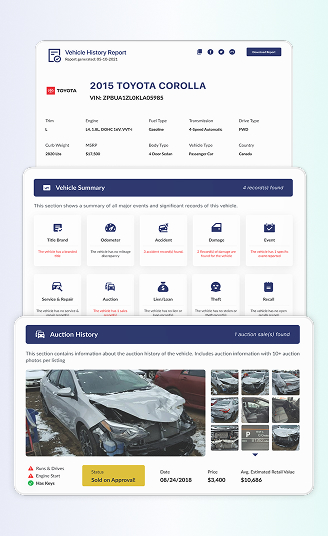
In addition to the maintenance records that you have, sometimes buyers also want to know if the vehicle has more records like accidents, damage, title events, mileage records, theft, auctions, or other reported events through a vehicle history report.
- Accident or damage history: Reported collisions or damage events
- Title history: Reported title brands or other title-related events
- Odometer history: Previously recorded mileage readings that may help establish the vehicle’s mileage history
- Auction history: Recorded auction events and available auction information
- Theft records: Reported theft or stolen-vehicle records
- Service history: Available records of reported maintenance or service events
- Reported owners: Number of owners reported in available records, when provided
- Recalls: Applicable recall information associated with the vehicle
READ ALSO: Why Every Used Car Buyer Needs a Vehicle History Report
Use Photos to Show the Vehicle's Condition
Including photos of the vehicle along with the listing description is non-negotiable. Take clear photos from the front, rear, both sides, and all four corners, along with useful interior shots of the dashboard, seats, cargo area, and other key areas.
Show the Interior and Exterior Clearly
Include photos that show the vehicle’s overall condition, and this also includes its wheels and tires, engine bay, odometer, and the VIN. Make sure you take the photos in a well-lit area and show it from multiple angles.
Photograph Damage and Imperfections
Do not hide scratches, dents, stains, cracked glass, worn upholstery, or other visible defects. Photographing these areas and mentioning them in the description gives buyers a more accurate understanding of the vehicle’s condition and reduces surprises during an in-person inspection.
Include the Details Buyers Need to Contact You
A used car listing should be able to make buyers interested in contacting you and send more inquiries about the vehicle. Include the asking price, general location, preferred contact method, and when the car is available for viewing or a test drive.
Explain the Sale Terms
If relevant, state whether the price is negotiable, what payment methods you accept, and whether there are any requirements for a test drive or other sale conditions. Keeping these details in the listing can help reduce unnecessary back-and-forth with potential buyers.
Protect Your Personal Information
Just give buyers enough information to contact you without posting sensitive information. You can use a secure contact method provided by the listing platform and share additional information when the process has reached offline viewing.
Verify Your Vehicle Information Before Publishing
Before you publish a used car listing, spend a few minutes verifying and reviewing the information you plan to provide. This is especially useful if you no longer have the vehicle’s original paperwork or are unsure about the exact trim, factory equipment, or options.
Check Your Vehicle’s Specifications and Equipment
A VIN-based window sticker lookup can help you confirm information associated with the specific vehicle, including its specifications, trim, listed equipment, factory options, and MSRP. This can help prevent mistakes such as listing the wrong trim or describing an option as factory-installed when it was actually added later.
Check Vehicle History
PremiumVIN is one of the most trusted options for details by VIN. Sellers can use the VIN Check service to examine the car’s auction records, service history, and warranty records, and more details to verify before adding them to the list.
Write the Listing Description Accurately
A strong used car listing should give buyers enough information to understand what the vehicle is, what equipment it has, how it has been maintained, what condition it is in, and what they are being asked to pay. The more specific and accurate the listing is, the easier it is for buyers to determine whether the vehicle matches what they are looking for.
Before you publish the details, review the content you have entered and verify anything you are unsure about. If you no longer have the vehicle paperwork, you can help check available specifications, trim information, factory equipment, MSRP, and vehicle history, particularly when you no longer have the original paperwork or cannot remember the vehicle’s exact configuration.
FAQs on What to Include in a Car Listing Description
Should I include the VIN in a used car listing?
It depends on the listing platform, but sharing your VIN is generally appropriate when the platform allows it and can help buyers verify the vehicle’s identity, specifications, and available history.
Should I include a vehicle history report when selling my car?
Yes, when available. A vehicle history report can make your listing more informative, although sellers do not always need to purchase one themselves. You can decide whether providing a report is useful based on the vehicle and the information available.
What car features should I include in a used car listing?
Include vehicle specifications, maintenance history, and key comfort and technology features in your used car listing to give buyers a clearer picture of the vehicle.
How can I verify my car's trim and options before listing it?
To verify the car’s trim and available factory options before creating your listing, you can run a VIN lookup through a service such as PremiumVIN’s VIN Decoder.