


Key Takeaways
- Understand the car’s current value before spending money so you can decide which repairs, cleaning, and cosmetic work are worth the cost.
- Focus on visible condition and basic maintenance, including cleaning the interior and exterior, checking fluids, tires, lights, and other easy-to-fix issues.
- Gather your paperwork and vehicle records early, including the title, registration, service records, receipts, spare keys, and relevant accessories.
- Take clear, honest photos and remove personal information from the vehicle before publishing the listing or handing it over to a buyer.
Before you decide to put your car for sale, it is always recommended to make the car look appealing. This might be simple, but not all people know how to make their car look good for putting it on sale, as you will need some extra tips to enhance the appearance of the car and how to deal with its cosmetic damage (if it has any).
Getting your car ready for sale does not mean making it look brand new. A thorough cleaning, basic maintenance, minor cosmetic fixes, and organized paperwork can make the vehicle more appealing to potential buyers. The point is knowing which improvements are worth your time and money and which ones you can leave as they are.
Why Should You Prepare Your Car Before Selling?
A clean, presentable vehicle is easier to photograph, inspect, and show to potential buyers. It also gives you an opportunity to deal with small problems before they become distractions during the negotiation process with buyers.
Here are the reasons why you should prepare your car before selling:
- Make a better first impression: Buyers are more likely to take a well-presented vehicle seriously when they first see it online or in person.
- Show that the car has been cared for: A clean interior, maintained exterior, and organized service records can give buyers a clearer picture of how the vehicle was treated.
- Reduce obvious negotiation points: Fixing inexpensive problems, such as a burned-out bulb or underinflated tire, can prevent buyers from immediately focusing on small issues when negotiating.
- Improve your online listing: A clean car with clear photos can be more appealing than a similar vehicle shown dirty, cluttered, or poorly presented.
- Find problems before buyers do: Preparing the vehicle gives you a chance to identify warning lights, worn components, fluid leaks, or other issues before a buyer points them out during an inspection.
READ ALSO: Can You Get a Window Sticker for a Used Car? Complete Guide
Determine Your Car's Value Before Spending Money
Start by considering the vehicle’s year, make, model, mileage, trim, equipment, overall condition, and service history. Market conditions also matter. Two otherwise similar cars can have different asking prices depending on their location, demand, and equipment.
Pro Tip: Check local listings for comparable vehicles and use online valuation tools to get a general idea of the current market value. You can then compare that estimate with the cost of the work you are considering.
READ ALSO: Salvage Title vs. Clean Title: What’s the Difference and Which Should You Buy?
Check Comparable Cars and Market Values
Compare your car with similar vehicles rather than looking at every listing for the same make and model. Focus on vehicles with similar mileage, trim, equipment, condition, model year, and location. For example, a well-maintained car with 60,000 miles may not be comparable to a higher-mileage vehicle with visible damage or different equipment.
Decide Which Repairs Are Worth the Cost
Once you have an idea about the car’s value, you can decide which repairs are worth performing before you put the car on sale. Small, inexpensive fixes can make sense because they improve the vehicle’s presentation without significantly increasing your preparation costs.
Major repairs require more consideration. Engine, transmission, suspension, or significant body work can cost hundreds or thousands of dollars. Instead of trying to fix everything, see whether the repair addresses a safety issue, affects the car’s usability, or is likely to matter to buyers.
READ ALSO: Tips for Buying a Used Vehicle: The Complete Buyer’s Guide
Clean the Interior Thoroughly
The interior is one of the first things a buyer will notice when they see the car in person. Start with the basics by removing trash, food containers, loose items, and anything else that does not belong in the car.
Then, you will need to vacuum the seats, carpets, and floor mats, then wipe down the dashboard, door panels, steering wheel, and other frequently touched surfaces. If you have pets, spend extra time removing hair from the seats, carpets, and other fabric surfaces.
Remove Personal Items and Clean Storage Areas
Before listing the car, check the entire cabin and cargo area for personal belongings. Items can easily accumulate in places that are easy to overlook after years of regular use.
Check the Glovebox and Center Console
Don’t forget to empty the glovebox, center console, cupholders, and other storage areas. Remove any personal items, receipts, chargers, and documents that have sensitive information. Keep any owner’s manuals or vehicle documents you plan to include with the sale separate from your personal paperwork.
Check Under the Seats and in the Trunk
Look under the front and rear seats, inside seat-back pockets, door pockets, and other areas where small items can collect. Remove personal belongings, old shopping bags, tools you intend to keep, and anything else that is not part of the sale.
Clean Seats, Carpets, and Floor Mats
Start by vacuuming the seats, carpets, and floor mats to remove loose dirt, crumbs, dust, and pet hair. Remove the floor mats before cleaning so you can reach the carpet underneath and clean the mats separately. You do not need professional detailing, but removing dirt and stains can make the interior look better in photos and during buyer inspections.
Wipe Down the Dashboard, Doors, and Other Surfaces
Once the loose dirt has been removed, clean the hard surfaces throughout the cabin. Use a suitable interior cleaner and avoid applying excessive moisture around electronic controls, screens, switches, or other sensitive components. Clean the windows and mirrors as well, since fingerprints and streaks can be particularly noticeable in photos.
Don’t Forget the Trunk Area
Do not forget the trunk or cargo area. Wipe down the surrounding panels and clean the cargo floor, especially if the vehicle has been regularly used to carry groceries, tools, sports equipment, pets, or other items.
Deal With Unpleasant Odors
If the interior has a persistent smell, try to identify its source before using an air freshener. Covering an odor without addressing the cause may only provide a temporary solution and can sometimes make the smell more noticeable.
These are usual suspects when your car smells bad:
- Food: Leftover food, drinks, or spills can leave odors in upholstery and carpets.
- Smoke: Cigarette or other smoke odors can remain in fabric, carpets, and other interior surfaces.
- Pets: Pet hair, dander, and accidents can leave persistent smells if they are not thoroughly cleaned.
- Damp carpets: Moisture trapped in carpets or floor mats can create a musty smell and may indicate a leak or water intrusion.
- Spills: Milk, beverages, and other liquids can continue to smell if they have soaked into upholstery or carpet.
After cleaning, allow the interior to dry properly and air out the vehicle. If an odor continues despite cleaning, investigate whether there is underlying moisture, a leak, or another issue instead of simply adding more fragrance.
Prepare the Exterior for Sale
A clean exterior makes it easier for buyers to see the vehicle’s condition and can make your listing photos look more appealing. You do not need to give the car a professional detail, but removing dirt, road grime, and debris can make a noticeable difference.
Address Minor Scratches, Dents, and Paint Issues
Take a close look at the body after washing the car and consider whether small scratches, light scuffs, minor dents, or faded paint are worth addressing. An inexpensive touch-up or dent repair could improve the car’s appearance, but extensive body damage or costly paint work may not add enough value to justify the expense.
Remove Unwanted Stickers and Accessories
You can check the exterior of your car to check if there are any stickers, decals, temporary accessories, and other personal additions that can be removed without damaging the vehicle. If the car has permanent modifications such as aftermarket wheels, lighting, spoilers, or exhaust systems, they do not necessarily need to be reversed, especially if doing so would be expensive.
Check the Car's Mechanical Condition
Before you list the car for sale, consider checking its basic mechanical and safety condition so you know what you are presenting to potential buyers. Check the engine oil, coolant, and windshield washer fluid, and make sure the tires have the correct pressure and sufficient tread. Test the exterior lights, inspect the windshield wipers, and check the battery for obvious signs of corrosion or failure.
Fix Small Problems Before Listing
Small mechanical or equipment issues can make a car appear neglected even when it is otherwise in good condition. Replace burnt-out bulbs and worn windshield wipers, correct low tire pressure, replace a weak or dead battery when appropriate, and replace inexpensive missing trim or other small parts.
Decide Whether to Repair or Sell As-Is
Not every mechanical problem needs to be fixed before you sell the car. The right choice depends on the severity of the issue, the vehicle’s age and value, and the expected repair cost. Before authorizing expensive work, consider whether the repair is likely to add enough value to the vehicle to justify the expense.
When Minor Repairs Make Sense
Inexpensive maintenance and obvious faults are often worth addressing before listing the vehicle. Replacing worn wipers, fixing a faulty light, correcting tire pressure, or taking care of other low-cost issues can improve the car’s presentation and prevent buyers from focusing on problems that are relatively easy to fix.
When Selling As-Is May Be More Practical
If the vehicle has major mechanical repairs, it can result in different calculations. Engine, transmission, brake, suspension, or other substantial repairs may cost more than they are likely to add to the vehicle’s selling value, particularly on an older or high-mileage car. In these cases, selling the vehicle as-is may be more practical.
READ ALSO: Can You Get a Window Sticker for a Used Car? Complete Guide
Check the Vehicle History Before Listing
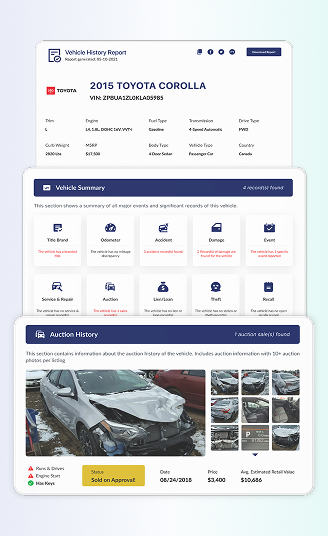
Review the available vehicle history before publishing your advertisement so you know what information may come up when buyers research the car. The vehicle history report includes crucial information such as accident records, title history, odometer records, service history, theft records, recalls, auction records, reported damage, and ownership history.
Review Vehicle History
Make sure to always review the available history records to help you describe the car accurately and help buyers understand its records. To check the records associated with your vehicle, you can use a VIN Check service to review the available information before listing it.
Prepare the Car for Listing Photos
Photograph the exterior from multiple angles, including the front, rear, sides, wheels, and tires, then take clear photos of the interior, dashboard, odometer, and notable features. If the vehicle has visible scratches, dents, worn areas, or other damage, include those in the photos rather than trying to hide them.
Highlight Important Features
Photograph features that may distinguish your car from similar listings and could affect how buyers evaluate it. Depending on the vehicle, this may include a sunroof, leather seats, navigation, Apple CarPlay or Android Auto, AWD or 4WD, third-row seating, tow equipment, premium audio, or factory-installed options.
Photograph Damage and Wear Honestly
Include clear photos of noticeable dents, scratches, paint damage, worn seats, damaged trim, or other defects that a buyer is likely to see during an inspection. You do not need to make imperfections the focus of the listing, but hiding them can create different expectations between the photos and the actual vehicle.
READ ALSO: Top 10 Countries Importing Cars from the US in 2025: Data & Trends
Final Car Preparation Checklist
Before publishing your listing or meeting with potential buyers, go through the preparation process one more time. Use the checklist below to make sure you have handled the basic cleaning, maintenance, paperwork, documentation, and listing tasks.
Check | Ready? |
Interior cleaned and vacuumed | ☐ |
Exterior washed | ☐ |
Personal belongings removed | ☐ |
Personal data deleted | ☐ |
Tires checked | ☐ |
Lights and wipers checked | ☐ |
Warning lights addressed | ☐ |
Minor repairs completed | ☐ |
Service records gathered | ☐ |
Title and registration ready | ☐ |
Spare key and accessories located | ☐ |
VIN and documents verified | ☐ |
Vehicle history reviewed | ☐ |
Photos taken | ☐ |
Asking price researched | ☐ |
Prep the Car Better Before You Put It on Sale
When you prepare a car for sale, it does not always mean you need to spend a big amount of money to make it look like it was new or barely used. Start with the basics: clean the interior and exterior, check its mechanical condition, gather the paperwork and accessories, review the vehicle history, and take clear photos that represent the car as it is.
From there, decide which repairs are worth paying for based on the vehicle’s condition and market value. A little preparation can make the selling process more organized while helping potential buyers understand exactly what they are considering.
FAQs on Preparing a Car for Sale
Should I detail my car before selling it?
Yes. Detailing your car before selling can be worthwhile, especially when a thorough cleaning and minor touch-ups can improve its overall presentation without adding high costs.
What should I fix before selling my car?
Before selling your car, focus on low-cost, high-impact preparation such as deep cleaning, addressing warning lights, and taking care of minor cosmetic or safety issues. Avoid spending heavily on repairs that you are unlikely to recover when the car sells.
Should I repair dents and scratches before selling?
Yes. Consider repairing visible dents and scratches based on the repair cost and potential effect on the car’s value. Minor, affordable repairs may make sense, while expensive body work may not be worth the investment.
Should I get a vehicle history report before selling my car?
Reviewing a vehicle history report before listing your car can help you understand the records associated with the vehicle and prepare for questions buyers may have about its history.
What documents do I need to sell my car?
To sell your car in the United States, you will need a Certificate of Title, bill of sale, and photos of your government ID.
Should I sell my car as-is?
Yes. Selling your car as-is is smart if the cost of repairs is higher than the value they would add to the vehicle’s resale price.