

Key Takeaways:
- A Monroney label or window sticker is the official factory label that shows a vehicle’s MSRP, features, options, fuel economy, and safety information.
- The sticker helps buyers verify a vehicle’s original configuration, including trim level, engine, transmission, colors, and factory-installed equipment.
- MSRP and optional packages provide useful pricing references when comparing used vehicles and evaluating resale value.
- A window sticker serves a different purpose from a vehicle history report or build sheet by focusing on the vehicle’s original factory specifications.
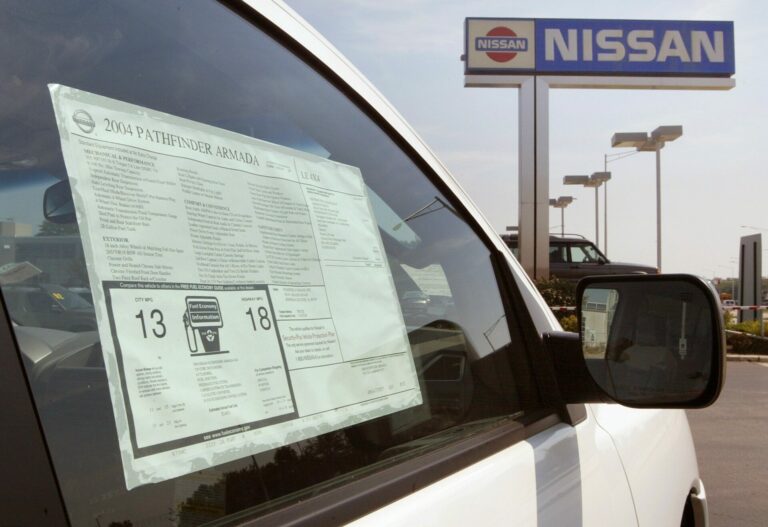
Have you ever been to a North American car dealership? If you have, you may have noticed a detailed document stuck on all of the vehicles in inventory. These labels are called “Monroney labels,” and a lot of people also refer to them as window stickers.
Some people might not know the difference between a Monroney label and a window sticker; in reality, there is no difference between these two documents. This article will help you get a quick understanding of what a Monroney label is, what information is written on it, and how to get a window sticker by using the VIN.
What is a Monroney Label?
A Monroney label is the official vehicle window sticker required on new cars sold in the United States. It provides important details about a vehicle, including the manufacturer’s suggested retail price (MSRP), standard equipment, factory-installed options, fuel economy ratings, and safety information. Often called a vehicle window sticker or MSRP sticker, the Monroney label allows buyers to understand exactly what they are purchasing before making a decision.
Why is it Called a Monroney Sticker?
The term “Monroney sticker” comes from Senator Almer Stillwell “Mike” Monroney, who introduced the Automobile Information Disclosure Act of 1958. This law required automakers to place a label on every new vehicle displayed for sale in the United States.
The creation of the law was to give every vehicle buyer a clear understanding of the vehicle’s detailed pricing, specifications, options, and features. Before the Monroney label concept was introduced, many customers often had limited access to standardized pricing details.
The Purpose Behind the Monroney Label
The Monroney label was created to improve transparency in the car-buying process. By displaying the vehicle’s MSRP, factory options, included features, and other specifications in one place.
For example, two vehicles with the same model name have different prices because one includes additional packages, upgraded features, or optional equipment.
Read also: How to Get a Window Sticker by VIN (Original MSRP, Options & Specs)
Information Included on a Monroney Vehicle Window Sticker
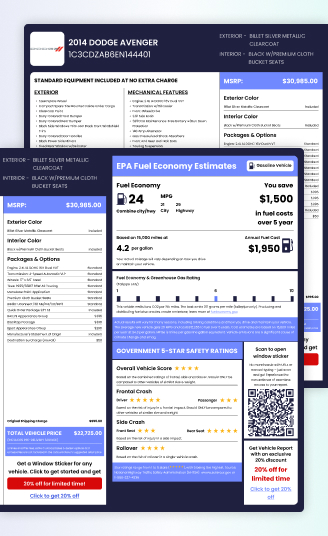
A Monroney label window sticker provides a complete overview of a vehicle’s factory configuration, including pricing, equipment, specifications, efficiency ratings, and safety information.
Vehicle Identification Information
Confirm the exact vehicle details listed on the window sticker to ensure the document matches the actual car. This section identifies the vehicle’s factory configuration and helps verify important details before purchase.
VIN, Make, and Model
View the vehicle’s unique 17-digit Vehicle Identification Number (VIN), manufacturer name, model, model year, and body style. The VIN connects the Monroney label to one specific vehicle and helps confirm that the sticker belongs to the correct car.
Trim Level and Vehicle Configuration
Check the original trim designation, drivetrain layout, engine configuration, and transmission information. This helps verify whether the vehicle matches the seller’s description and confirms the factory version that was originally produced.
Exterior and Interior Colors
See the original factory paint color, interior color, and upholstery materials listed on the sticker. This information helps verify the vehicle’s originality and identify whether modifications, repainting, or interior changes were made after production.
Original MSRP and Pricing Information
Review the vehicle’s sticker price, including the base model cost, factory options, and additional charges. The MSRP section provides a reference point for understanding the vehicle’s original value when it was first sold.
Base MSRP
Shows the manufacturer’s starting price for the selected model and trim before additional options or upgrades are added.
Factory Options and Package Pricing
Lists optional equipment installed by the manufacturer, including premium packages, technology upgrades, upgraded wheels, performance features, leather upholstery, and other available options.
Destination Charge and Total MSRP
Displays the delivery fee charged to transport the vehicle from the factory to the dealership and the final MSRP after adding all selected options. This total represents the original advertised price before taxes, registration fees, and dealer-added charges.
Standard Equipment
Verify the factory-installed features included with the vehicle’s selected trim level. This section helps buyers confirm what equipment came standard and compare the vehicle’s original specifications with the seller’s claims.
Interior Features
View factory-installed cabin equipment such as infotainment systems, smartphone connectivity, premium audio systems, seating materials, climate controls, convenience features, and other interior technology.
Exterior Features
See original exterior equipment, including wheels, lighting systems, body styling elements, roof features, mirrors, and other factory-installed components.
Mechanical Features
Review standard mechanical equipment such as suspension systems, drivetrain components, towing equipment, performance features, and other factory-installed systems.
Installed Equipment and Factory Packages
Identify additional features selected when the vehicle was originally built. Optional equipment can significantly affect the vehicle’s original MSRP, performance, comfort, and resale value.
Individual Options
Lists standalone upgrades added to the vehicle, such as a sunroof, premium paint, upgraded wheels, advanced safety technology, or specialized equipment.
Package Upgrades
Shows bundled packages that combine multiple features under one option code or price. Examples include luxury packages, technology packages, sport packages, or driver assistance packages.
Engine and Powertrain Information
Confirm the engine, transmission, and drivetrain configuration installed by the manufacturer. This section helps verify whether the vehicle matches its advertised specifications and prevents incorrect trim or performance claims.
Engine Details
Displays the factory-installed engine type, displacement, cylinder configuration, and other available powertrain details. This information helps confirm the vehicle’s original performance specifications.
Transmission Type
Lists the transmission installed on the vehicle, such as a manual transmission, automatic transmission, or dual-clutch transmission depending on the model and configuration.
Drivetrain Configuration
Shows whether the vehicle was built with front-wheel drive (FWD), rear-wheel drive (RWD), all-wheel drive (AWD), or four-wheel drive (4WD).
Fuel Economy and Environmental Information
Review the EPA-estimated efficiency information assigned to the vehicle. This section helps buyers compare fuel usage and understand the expected operating costs of different vehicles.
City and Highway MPG
Displays estimated fuel economy ratings for city and highway driving conditions. These figures are based on EPA testing and provide a standard comparison between vehicles.
Combined MPG Rating
Shows the combined fuel economy estimate based on a mix of city and highway driving conditions.
MPGe and Electric Range
For hybrid and electric vehicles, the sticker may display MPGe ratings and estimated driving range. These figures help buyers understand energy efficiency and charging expectations.
Safety Ratings and Driver Assistance Features
Check available safety information and advanced driver assistance technology included with the vehicle. This section helps buyers understand the vehicle’s safety equipment and available protection features.
NHTSA Safety Ratings
Displays safety ratings from the National Highway Traffic Safety Administration (NHTSA) when available. Ratings may include overall crash safety scores, frontal crash protection, side-impact testing, and rollover ratings.
Advanced Safety Equipment
Lists driver assistance systems included on the vehicle, such as:
- Forward collision warning
- Automatic emergency braking
- Lane departure warning
- Lane keeping assistance
- Adaptive cruise control
- Blind spot monitoring
How to Get a Window Sticker
To look up a Monroney label or window sticker is a lot easier with PremiumVIN’s window sticker by VIN service. You can follow these simple steps and get it done within seconds.
Step 1: Find the VIN
Check the driver’s side door jamb, engine bay, or the vehicle’s paperwork, like the title or registration, to find the VIN. No VIN? Use the license plate number.
Step 2: Enter the VIN
Click the form, then enter any VIN/license plate lookup you want to get the window sticker for.
Step 3: Get the Window Sticker
See the preview page to check specifications, MSRP, and market value. Then, proceed to payment to get the full window sticker.
Why is a Monroney Sticker Important for Used Car Buyers?
A Monroney sticker is not only useful for new vehicle shoppers. It also provides valuable information for used car buyers by showing how the vehicle was originally built, equipped, and priced. Always compare the window sticker with the current vehicle’s condition to make sure that the vehicle still retains its value or was altered by a previous owner.
Verify the Vehicle’s Configuration
Use the Monroney label to compare the vehicle’s factory configuration with the seller’s description. The sticker shows the actual trim level, factory-installed options, and equipment included when the vehicle was first delivered.
Check Whether a Vehicle Is Overpriced
Review the MSRP to understand the vehicle’s starting value when it was new. A vehicle with a higher sticker price includes premium packages, advanced technology, performance upgrades, or luxury features that affect its current market value.
Confirm Factory Features Before Purchase
Use the Monroney sticker to verify that important features advertised by the seller were originally installed by the manufacturer. Be sure to check the window sticker to avoid issues such as a misleading listing description, incorrect trim level, and more.
Monroney Label vs Other Vehicle Documents
A Monroney label provides valuable factory information, but it serves a different purpose from other vehicle documents. Understanding the differences helps buyers know which document to use when researching a vehicle.
Monroney Label vs Vehicle History Report
A Monroney label and vehicle history report provide different types of information about a vehicle.
The window sticker shows how the vehicle was originally built, including:
- Original MSRP
- Factory options
- Standard equipment
- Vehicle specifications
A vehicle history report focuses on what happened after production, including:
- Previous ownership records
- Accident history
- Title information
- Mileage records
- Reported damage
Using both documents together gives buyers a more complete understanding of a vehicle’s original configuration and ownership history.
Read also: Why Every Used Car Buyer Needs a Vehicle History Report?
Monroney Label vs Build Sheet
A Monroney label is a consumer-facing document created for vehicle buyers. It displays the vehicle’s MSRP, available equipment, fuel economy ratings, and other information required on new vehicles sold in the United States.
On the other hand, a build sheet is a more detailed manufacturing record that lists production codes, component information, and factory-installed specifications used during vehicle assembly.
Window Sticker
Shows:
- Original vehicle price
- Standard equipment
- Optional features
- Consumer-friendly specifications
Build Sheet
Shows:
- Factory production codes
- Manufacturing details
- Detailed component information
- Assembly specifications
Conclusion on What is a Monroney label
A Monroney vehicle window sticker provides a detailed look at a vehicle’s original factory configuration, pricing, and equipment. For used car buyers, it helps verify seller claims, confirm factory options, and understand a vehicle’s original value. Comparing a window sticker with other records, such as a vehicle history report or build sheet, helps you get a clearer picture of the car’s initial condition and current condition before you decide to sell or purchase.
FAQs on What is a Monroney Label?
What can you find on the Monroney label?
A Monroney label displays the vehicle’s official manufacturer’s suggested retail price (MSRP), standard features, available options, fuel economy ratings, and other important specifications for a new vehicle.
How to get a free Monroney label?
You may find a free Monroney label by entering your vehicle’s 17-digit Vehicle Identification Number (VIN) through certain manufacturer websites or free window sticker lookup platforms. However, availability depends on the vehicle brand, model year, and VIN records.
How do I get the Monroney label for my car?
You can find your vehicle’s Monroney label (window sticker) by searching your 17-character Vehicle Identification Number (VIN) through a manufacturer website or a dedicated window sticker lookup service such as PremiumVIN.
How to download a Monroney label?
To get a digital copy of a Monroney label, enter your vehicle’s 17-digit VIN into a window sticker lookup tool such as PremiumVIN. After completing the purchase process, you can access the generated window sticker with the vehicle’s original factory details.
Is a Monroney sticker the same as a window sticker?
Yes. A Monroney sticker is another name for a vehicle window sticker. Both terms refer to the official label that displays a new vehicle’s MSRP, features, options, and specifications.
How much does a Monroney label cost?
A Monroney label is included at no additional cost on new vehicles because federal law requires manufacturers to place the sticker on every new vehicle sold in the United States. For used vehicles that no longer have the original sticker, a replacement or reproduction window sticker by VIN from PremiumVIN is available for $19.99 per sticker.