

Key Takeaways
- Check the battery first and see its condition, current range, degradation information, and any battery replacement or repair records.
- Inspect the charging port and confirm that the vehicle supports the AC and DC charging options you plan to use.
- Review available records for damage, mileage, theft, ownership, auctions, service, and vehicle status.
- Check the underbody, battery area, tires, brakes, technology, warning messages, acceleration, and regenerative braking.
- You can review the EV information with an EV VIN Lookup
Buying a used electric vehicle needs more consideration than buying a used gasoline car. It needs more than just a body check and taking it for a test drive. In addition to those, you will need to examine the battery condition, charging capability, vehicle history, physical condition, and warranty coverage.
A used EV can still have plenty of life, but issues such as battery degradation, previous damage, charging problems, charger issues, or an incomplete service history can affect its value and future ownership costs. Before buying, use the vehicle’s VIN to check specifications and history records, then combine those results with a physical inspection and test drive.
Check the EV Battery Condition
It is called an electric vehicle for a reason. The battery is one of the most important parts to evaluate when buying a used electric vehicle due to its condition, which could affect the driving range. Check the vehicle’s current range, available battery information, and any records showing previous battery repairs or replacement.
Look for Signs of Battery Degradation
Some loss of battery capacity is normal as the EV gets older; however, a noticeable drop in range may indicate more than usual degradation. You will need to compare its current range with its expected range, and you need to consider more factors such as age, mileage, climate, driving habits, and charging patterns
If possible, ask the seller for a recent battery health report or have the vehicle inspected by a qualified EV technician.
Check for Battery Replacement Records
When you are still in negotiations with sellers, be sure to ask about the battery pack if it has been repaired or replaced, and request supporting records if it’s available. A replacement battery can affect the vehicle’s value and may also have its own warranty or coverage period.
If the seller cannot provide records, a vehicle history check may help identify service or repair information associated with the VIN.
Verify the EV's Charging Capability
Charging is a major part of EV ownership. Check the charging port, connector type, charging capabilities, and whether the vehicle comes with the cables or adapters you need.
Check the Charging Port and Connector
Always inspect the charging port for visible damage, corrosion, loose components, or signs of previous repairs. Confirm that the connector type is compatible with the chargers you expect to use at home, work, or public charging stations.
Confirm AC and DC Charging Capability
Nowadays, most EVs are charged through AC charging, which is commonly used for home and slower public charging, while DC fast charging can add range much more quickly at compatible stations.
READ ALSO: Why Every Used Car Buyer Needs a Vehicle History Report?
Compare the Advertised Range With the Current Range
Not all listing descriptions are written as-is. A used EV may not deliver the same range shown on its original specifications. The range displayed on the vehicle can be changed as the battery ages and how the previous owner drove the car.
Consider Battery Age and Driving Conditions
Several reasons can affect how far an EV is able to travel on a charge. Battery age, temperature, driving style, terrain, traffic, and climate control use can all influence real-world range. For example, cold weather and frequent use of heating or air conditioning can reduce the distance available from a full charge.
Don’t Rely Only on the Dashboard Estimate
The estimated range shown on the dashboard is important, but it should not be the only factor you consider. You need to check a vehicle’s battery condition, charging behavior, service records, and available vehicle history records. A lower range estimate does not necessarily indicate a battery problem, particularly when driving conditions or recent driving habits have affected the calculation.
Run an EV VIN and Vehicle History Check
A physical inspection can tell you a lot about a used EV, but it may not reveal everything that has happened to the vehicle. Running the VIN through a vehicle history service like PremiumVIN can help you verify available vehicle information and find records that may not be visible during an inspection.
Check the Vehicle’s Identity and Specifications
Use the VIN to compare the vehicle’s recorded information with what the seller has advertised. Depending on the available data, you may be able to verify the make, model, model year, body type, drivetrain, trim, and listed equipment.
Review Available History Records
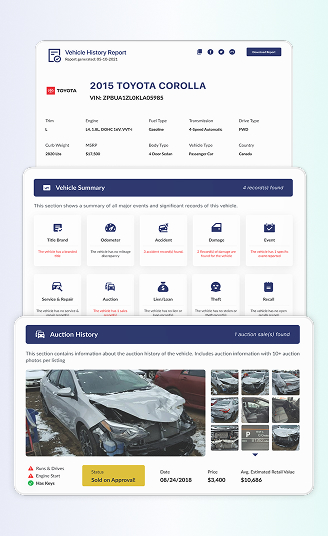
An EV VIN Lookup can help you get the records related to accidents or damage, mileage, ownership, theft, auctions, service, and title or vehicle status. The information available can vary by vehicle and data source, so use the report alongside a physical inspection and the seller’s documentation.
READ ALSO: How to Get Your Vehicle’s Build Sheet from the VIN: A Complete Guide
Look for Accident, Flood, and Underbody Damage
Previous damage can be difficult to identify from the outside, particularly if the vehicle has already been repaired. When inspecting a used EV, pay close attention to the underside of the vehicle and the area around the battery pack for signs of impact, corrosion, repairs, or water exposure.
Inspect the Battery Area and Underbody
If it is safe to do so, look underneath the vehicle for dents, corrosion, scratches, damaged covers, or visible repair work. Pay particular attention to the area around the battery enclosure. Avoid touching or removing components from the high-voltage system, and have a qualified technician inspect any suspected damage.
Check for Signs of Water Damage
Look for moisture, corrosion, unusual electrical problems, damaged interior materials, or other signs that the vehicle may have been exposed to significant water. If the vehicle has a recorded flood or water-damage history, have it professionally inspected before considering the purchase.
Review the EV's Service and Maintenance Records
Electric cars generally have fewer routine maintenance requirements than gasoline-powered vehicles because they have fewer mechanical components, but they still need regular inspections, wear-item replacement, and repairs.
Check Previous Maintenance
Look for records showing work on tires, brakes, suspension, cooling systems, cabin filters, and other scheduled maintenance items. Consistent records can also help you identify when major components were last inspected or replaced.
Look for Battery or Charging Repairs
Pay particular attention to records involving the battery pack, charging system, charging port, cooling system, or other major EV components. If repairs or replacements are documented, check what work was performed, when it was completed, and whether any warranty coverage remains.
Inspect the Tires and Brakes
Tires and brakes are easy to overlook when buying a used EV, but their condition can affect both safety and your immediate maintenance costs. They can also provide clues about how the vehicle has been driven and maintained.
Check Tire Wear and Condition
Inspect the tires for uneven wear, low tread depth, cracks, bulges, and other visible damage. Check that all four tires are in similar condition and look for differences in wear that could point to alignment, suspension, or other issues.
Inspect the Brakes
Check the brakes for unusual noises, vibration, pulling, or other problems during the test drive. EVs use regenerative braking to slow the vehicle, which can reduce the use of conventional friction brakes, but the brake components still need to be inspected for wear, corrosion, and proper operation.
Check the Remaining Warranty
Warranty coverage can be an important factor when buying a used EV, particularly because repairs involving the high-voltage battery and other major components can be expensive. Before any transaction happens, make sure to check the documentation and see if the warranty is still in effect.
Check Battery Warranty Coverage
Find out how much time or mileage remains on the battery warranty and what components or battery-related problems it covers. Some manufacturers also specify conditions or capacity-related limits, so check the warranty terms for the specific vehicle rather than relying on a general warranty period.
Confirm Whether the Warranty Transfers
Check whether the remaining warranty transfers to a new owner and whether the manufacturer requires any additional steps. Transfer rules can vary by manufacturer, model, market, and warranty type, so verify the terms before completing the purchase.
Test the EV's Technology and Equipment
A used electric vehicle obviously has plenty of electronic features that are easy to overlook during a quick inspection. You might need to test the vehicle’s main technology and features—might as well compare them with the equipment listed by the seller.
Test Infotainment and Connectivity
Examine the touchscreen, navigation, Bluetooth, smartphone integration, connected services, and charging information work as expected. Make sure the system responds properly and that there are no persistent error messages or connectivity problems.
Test Cameras and Driver-Assistance Features
Then, test the available cameras, parking sensors, adaptive cruise control, lane-assistance systems, and other driver-assistance features. Check that cameras provide a clear image and that the relevant systems do not display warning messages or faults.
Test Climate and Comfort Features
Test the air conditioning and heating, along with heated seats, power windows, keyless entry, and other advertised equipment. These features can be costly to repair, so identify any problems before negotiating the purchase price.
Check for Recalls and Safety Campaigns
You can check whether the specific EV has any outstanding safety recalls or manufacturer service campaigns before you decide to purchase the vehicle. For EVs, recalls may involve a software update, component replacement, inspection, or other repair, so it is worth confirming whether any required work has been completed.
Use the VIN to Check Available Recall Information
A vehicle’s VIN can be used to check for the recall information that was associated with the vehicle through an applicable manufacturer or government databases. The availability and coverage can vary by manufacturer, market, and database, so check the relevant source for the vehicle you are considering. You can use PremiumVIN’s VIN Check service and get the vehicle history report in seconds.
Confirm Whether Recall Repairs Were Completed
If you find the vehicle has recall records, you might ask the seller or check the vehcile report to examine if the repairs have already been completed. Keep any available documentation showing the repair was performed, particularly if the recall involves a safety-related or major vehicle component.
Take the EV for a Proper Test Drive
After you’ve examined the vehicle’s range, battery, and technology, it is now time to take the car for a proper test drive. Drive the EV under different conditions and pay attention to how it accelerates, brakes, steers, and responds to the road.
Listen for Unusual Sounds
Try to listen for unusual noises from the suspension, steering, tires, brakes, and other components while driving over different road surfaces. Clunks, grinding, humming, or repeated clicking can be signs that the vehicle needs further inspection.
Check for Warning Messages
Next, check the dashboard before, during, and after the test drive to see for warning signs or error messages. Pay particular attention to alerts related to the battery, charging system, braking system, or other major vehicle components.
Verify the Paperwork Before Buying
Before completing the purchase, make sure the vehicle, seller’s documents, and available history all tell the same story. Differences in the VIN, mileage, model details, or included equipment should be investigated before you agree to the sale.
Check Mileage and Vehicle Details
Verify the recorded mileage along with the model year, make, model, trim, and other identifying details. Compare these details with the seller’s listing and available vehicle history to identify any discrepancies.
Confirm What Is Included With the Sale
Check that the equipment advertised by the seller is actually included with the vehicle. This may include charging cables, adapters, keys, key fobs, manuals, and other accessories. Missing equipment can add unexpected costs after the purchase.
What to Bring When Inspecting a Used EV
It is important to come prepared with tools before you start examining the EV by yourself. A few basic items can make a used EV inspection easier:
- Phone or camera for documenting the vehicle
- VIN and relevant vehicle documents
- Charging cable or compatible equipment if charging will be tested
- Flashlight for inspecting the underbody
- OBD or EV diagnostic tool, where appropriate
- Used-car inspection checklist
Used Electric Car Buying Checklist
Use this checklist as a quick reference when inspecting a used electric car. Work through each area before buying and follow up on anything that needs further inspection or documentation.
Check | What to verify |
Battery | Battery condition, current range, degradation, and replacement records |
Charging | Charging port, connector type, AC/DC capability, and charging performance |
Range | Current range compared with the vehicle’s expected real-world range |
VIN & history | Available records for damage, mileage, theft, ownership, and auctions |
Physical condition | Bodywork, underbody, battery area, corrosion, and signs of previous repairs |
Service history | Maintenance, repairs, battery work, and charging-system records |
Tires & brakes | Tire wear, tread depth, brake condition, and remaining life |
Warranty | Remaining vehicle and battery warranty coverage and transfer terms |
Features | Infotainment, cameras, climate control, connectivity, and driver-assistance systems |
Recalls | Outstanding recalls, safety campaigns, and completed recall repairs |
Test drive | Acceleration, regenerative braking, steering, unusual sounds, and warning messages |
Paperwork | VIN, mileage, registration, vehicle details, and included equipment |
Final Thoughts on Buying a Used EV
Buying a used electric car requires more than checking its mileage and exterior condition. The battery, charging system, range, vehicle history, physical condition, service records, warranty, technology, and paperwork all deserve attention before you buy.
Start by checking the vehicle’s VIN and available history records, then inspect the battery and charging equipment, review the maintenance and warranty information, and take the car for a proper test drive. If possible, have a qualified EV technician inspect the vehicle, especially when you find signs of battery, underbody, or electrical problems.
FAQs on Buying a Used EV
What should I check when buying a used electric car?
When buying a used electric car, the battery becomes one of the most important components to evaluate, alongside the vehicle’s overall condition, charging system, and history.
How do I check the battery health of a used EV?
To assess a used EV’s battery health, look for available State of Health (SoH) information, which indicates how the battery’s current capacity compares with its capacity when new. Depending on the vehicle, battery health can be assessed through diagnostic tools, battery health reports, or a professional inspection.
Can I use a VIN to check a used electric car?
Yes, you can use a VIN to check a used electric car, but a VIN lookup does not usually provide a direct measurement of battery health or degradation. It can help you verify available vehicle specifications and history records associated with the VIN.
How can I tell if a used EV battery is degraded?
EV batteries naturally lose some capacity as they age, but the rate of degradation varies between vehicles. A lower SoH does not automatically mean the battery needs to be replaced, so consider the vehicle’s age, mileage, current range, charging performance, and warranty coverage when evaluating its condition.
Should I get a used EV inspected before buying?
Yes, having a used electric vehicle inspected by a qualified professional is recommended before buying, particularly when the inspection is performed by a technician familiar with EV batteries, charging, and high-voltage systems.
What paperwork should I check when buying a used EV?
When buying a used EV, review the available battery health information, ownership documents, service records, warranty information, and other relevant vehicle paperwork. A battery health or SoH report can provide useful information when one is available, but it should be considered alongside the vehicle’s history and professional inspection.