
Scion VIN Decoder – Check Vehicle Details by VIN
Confirm the Scion year, model, specs, engine, trim, and other basic details in seconds with a free Scion VIN decoder. If you’re buying or selling, our full report helps you check the stuff that changes the value, like title brands, damage, and ownership patterns.
What is the Scion VIN Decoder?
A Scion VIN number (Vehicle Identification Number) is the unique ID code tied to one specific Scion. It’s usually 17 characters long, made of letters and numbers, and it follows the vehicle for life. A VIN can carry clues about the manufacturer, body/engine type, model year code, assembly plant, and serial/production sequence.
A lot of folks start with a free Scion VIN decoder because it can confirm the basics, like manufacturer decoding and plant details. But it usually stops there. If you want a deeper Scion VIN check (title brands, accidents, liens, mileage records), that’s where PremiumVIN helps.
And yes, even though Scion itself isn’t “classic era,” PremiumVIN still supports classic VIN formats (shorter 5–14 digit VINs) for other older vehicles too, in case your garage life is a little more complicated than one car.
What Information Can You Get From a Scion VIN Number?
A Scion VIN decoder helps reveal important factory details about the vehicle using the 17-digit VIN number. Each VIN contains information that identifies the vehicle’s manufacturer, model, engine type, trim level, production year, and factory build details.
By decoding a Scion VIN, you can access information such as:
Manufacturer and Model Information
Manufacturer Details
Verify that the VIN belongs to Scion and confirm manufacturer information under Toyota Motor Corporation. Look for the common JTL (Scion xB), JTK (Scion tC), JF1 (Scion FR-S – Subaru-built), JTN (Scion iM), or 3MY (Scion iA – Mazda-built) WMI prefixes.
Model Information
Identify the exact Scion model, such as:
xB (boxy wagon – Toyota bB platform, 2004-2015)
tC (sports coupe – Toyota Celica platform, 2005-2016)
xD (subcompact hatchback – Toyota Ist platform, 2008-2014)
xA (subcompact hatchback – Toyota Vitz platform, 2004-2006)
FR-S (rear-drive sports coupe – Subaru BRZ / Toyota 86, 2013-2016)
iQ (micro car – Toyota iQ, 2012-2015)
iM (compact hatchback – Toyota Auris, 2016 only)
iA (compact sedan – Mazda2 sedan, 2016 only)
Engine and Transmission Specifications
Engine Specifications
View engine type, displacement, horsepower, and fuel type. Scion engine families include:
| Engine | Family | Applications | Power |
|---|---|---|---|
| 2.4L I-4 (2AZ-FE) | 4-cylinder (Toyota) | xB (2008-2015), tC (2005-2010) | 158-161 hp |
| 2.5L I-4 (2AR-FE) | 4-cylinder (Toyota) | tC (2011-2016) | 179-180 hp |
| 1.5L I-4 (1NZ-FE) | 4-cylinder (Toyota) | xA, xD (2008-2010) | 103-106 hp |
| 1.8L I-4 (2ZR-FE) | 4-cylinder (Toyota) | xD (2011-2014), iM | 128-132 hp |
| 2.0L Boxer-4 (FA20) | 4-cylinder (Subaru) | FR-S | 200 hp |
| 1.3L I-4 (1NR-FE) | 4-cylinder (Toyota) | iQ | 94 hp |
| 1.5L I-4 (1NZ-FE) | 4-cylinder (Toyota) | iA (Mazda-derived) | 106 hp |
Transmission Details
Verify the original transmission configuration (5-speed manual, 6-speed manual, 4-speed automatic, 6-speed automatic, or CVT).
Drivetrain and Body Style
Drivetrain
Check whether the vehicle is FWD (Front-Wheel Drive) (most Scion models), or RWD (Rear-Wheel Drive)
Body Style
Confirm the body configuration (wagon, coupe, hatchback, sedan, micro car).
Production Details
Model Year
Verify the production year encoded in the VIN. Scion produced vehicles from 2004 through 2016.
Assembly Plant
See where the vehicle was manufactured:
Kanegasaki, Iwate, Japan – xB, xD (Toyota plants)
Tsutsumi, Aichi, Japan – tC
Ōta, Gunma, Japan (Subaru) – FR-S (Subaru plant)
Suzuka, Mie, Japan – iQ
Salamanca, Guanajuato, Mexico – iA (Mazda plant)
Burnaston, Derbyshire, UK – iM (Toyota plant)
Factory Specifications
Review original manufacturer build details including Scion-specific trim levels (base, Release Series, Monogram Series, 10 Series).
Scion VIN Structure Explained
A modern Scion VIN number is usually 17 characters, and it’s split into three chunks. Think of it like: who made it (WMI), what it is (VDS), and when/where it was built, plus its serial (VIS). This is the part that makes a Scion VIN decoder or Scion VIN lookup tool so useful, because you don’t have to “guess” the identity.
To make this easy, let’s use a real sample VIN: JTLZE4FE2FJ068469.
WMI (World Manufacturer Identifier)
WMI stands for World Manufacturer Identifier, and it’s the first three characters of the VIN (positions 1–3). This section points to the country/region and the manufacturer identity at a high level.
WMI Character Meaning (Example: JTL)
- J (1st character): Points to the country/region where the vehicle is associated/assembled; in this sample report, the country is shown as Japan.
- T (2nd character): Identifies the manufacturer within that region (for Scion, this is tied to Toyota’s manufacturer identity).
- L (3rd character): Often used as a vehicle type or manufacturing division code. The exact meaning can vary by manufacturer, but it helps narrow the category inside the WMI.
VDS (Vehicle Descriptor Section)
VDS means Vehicle Descriptor Section, and its characters 4–9. This is where the VIN starts describing the vehicle itself: things like model line, body type, engine size, or safety systems. Some VDS parts are manufacturer-coded and only fully clear when you decode Scion VIN data through a tool.
Also, the 9th character inside the VDS is special. It’s the check digit, a math-based character used to help detect typos or fake VINs.
VDS Character Meaning (Example: ZE4FE2)
- Z (4th character): Part of Scion/Toyota’s internal descriptor for model/series/body info.
- E (5th character): Descriptor detail (often tied to model/body/engine grouping).
- 4 (6th character): Descriptor detail used by the manufacturer for configuration.
- F (7th character): Descriptor detail (can relate to equipment/safety/engine families depending on brand rules).
- E (8th character): Descriptor detail used by the manufacturer.
- 2 (9th character): Check digit (used to validate the VIN with a formula).
VIS (Vehicle Identifier Section)
VIS is the Vehicle Identifier Section, characters 10–17. This part is where you usually see the “timeline” side of the VIN: model year, assembly plant code, and then the vehicle’s unique serial (people also call that a production sequence).
VIS Character Meaning (Example: FJ068469)
- F (10th character): Model year code. In standard VIN charts, F means the vehicle was a 2015 model year, which matches the sample report showing a 2015 Scion xB.
- J (11th character): Assembly plant code used by the manufacturer. The meaning can differ by brand and plant system.
- 068469 (12th–17th characters): The vehicle’s serial/production sequence number (basically the unique “counting number” for that vehicle).
How to Decode a Scion VIN Number
Decoding your Scion VIN is simple and takes less than a minute. Whether you own an xB daily driver or an FR-S weekend car, the process is the same.

Step 1: Find Your VIN
Find the 17-digit VIN number on the vehicle dashboard, driver-side door jamb, or registration documents.

Step 2: Enter the VIN
Type or paste the full Scion VIN into the decoder tool above.

Step 3: Access Factory Specifications
Instantly view the vehicle's factory specifications, including engine, trim, transmission, and model year.
Where to Find Scion Vehicle Identification Number?
A VIN is meant to be findable. On most vehicles, you’ll see it on the car itself and on key documents, especially insurance and registration paperwork.
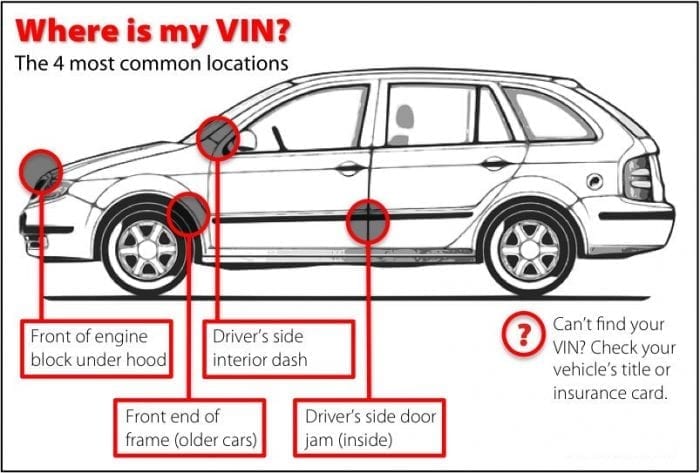
Dashboard (windshield area)
Stand outside the car and look through the lower corner of the windshield on the driver’s side.
Driver-side door jamb sticker
Open the driver’s door and check the door frame area. You’ll often see a label/sticker with the VIN and other manufacturing info.
Vehicle title and registration documents
If the car isn’t nearby, paperwork is your friend. The VIN is normally printed on the title, registration card, and sometimes service documents, too.
Insurance card or policy documents
Insurance paperwork often includes the VIN because it’s how the policy links to that exact vehicle.
Under the hood (varies by vehicle)
Some vehicles also show the VIN in the engine bay area.
Supported Scion Models
Below are some popular Scion models people run through our Scion VIN decoder. Don’t see yours? That’s fine. PremiumVIN can decode Scion VINs across all trims and model years. And if you also own older classics in the garage, we support shorter 5–14 digit VIN formats too.
Scion FR-S
Scion iM
Scion iQ
Scion iA
Scion tC
Scion xA
Scion xB
Scion xD
Why Users Trust Our Scion VIN Decoder
People visit a VIN decoder page for quick, reliable answers. Our goal is to make the Scion VIN number decoder clear and trustworthy, whether you’re doing a quick lookup or preparing a detailed report before a purchase.
Most comprehensive database coverage
A Scion VIN check is only as helpful as the data behind it. We aim to pull broad record types into one place, so you’re not bouncing between random tools.
Live Chat with VIN Expert
Some VIN reports raise questions. Our Live chat is made to help you when you want a human explanation, not just a bot. It’s also handy for collectors who are chasing specific builds or trying to understand option-related details.
High accuracy, cross-checked results
VIN decoding is part structure and part verification. Our strong Scion VIN decoder is made to help you cross-check what the seller says against what records show.
Daily data updates
Vehicle records don’t always show up instantly, and different sources update at different speeds. With regular updates, your Scion VIN lookup is less likely to rely on stale info, especially for newer listings, recent sales activity, or newly posted events.
Unlimited free checks
Sometimes you’re not ready to commit. You’re just shopping, comparing, or verifying a VIN from a listing. We keep the early stage simple so you can run quick Scion VIN lookups without feeling pressured.
No hidden fees or subscriptions
A lot of people hate the surprise charge situation. We try to keep the pricing straightforward, so you know what you’re paying for.
Who Should Use the Scion VIN Lookup Tool?
A Scion VIN lookup tool is for anyone who wants fewer surprises. You might be buying your first Scion, selling one you’ve owned forever, or just checking a clean-looking car that seems “too perfect” helping you confirm the basics, spot red flags, and feel more confident about what you’re dealing with.
A seller can forget details, or avoid them on purpose. With a Scion VIN number decoder you can get a clearer picture of the car’s background, so your decision isn’t based only on a quick test drive and nice photos.
Confirm the Scion is the exact model being advertised
A Scion VIN lookup helps you match the listing details to the vehicle’s identity, like model and year. It’s a simple way to catch “wrong car, wrong paperwork” situations
Avoid buying a car with title problems
A Scion VIN decoder report may show salvage, rebuilt, or lemon branding when available. That matters for resale value and sometimes even insurance.
Support smarter price negotiation
If the report shows a negative history, you can negotiate with evidence. If it’s clean, you can still use it to justify paying for quality.
If you’re selling a Scion, the buyer is going to ask questions. And dealers get it even more. A Scion VIN decoder report helps you answer those questions clearly, without getting stuck in awkward back-and-forth. It also makes your listing look more serious, not sketchy.
Reduce time-wasters
People who are not serious often disappear when details are clear. A Scion VIN number decoder helps filter them out early.
Support trade-in or resale decisions
If you’re a small dealer, the Scion VIN check can help you decide whether a car is worth stocking or better avoided.
Help price the car realistically
A Scion with a clean history usually sells more easily. A Scion with a rough history needs a fair price. The report helps you choose.
Scion people are a bit different. Some are into clean daily drivers. Others are building something special or keeping a rare spec alive. For enthusiasts, a Scion isn’t just about buying and selling. It’s also about getting the story straight, keeping records tidy, and avoiding fake claims.
Document your Scion’s background for your records
A Scion VIN check helps you keep a cleaner ownership file, especially if you plan to keep the car long-term.
Verify Scion VIN authenticity on unusual listings
If a deal looks odd, verifying identity details helps. Collectors hate weird paperwork surprises, honestly.
Compare two candidate cars more objectively
When you’re choosing between two Scions, it’s easier when you can compare history side-by-side instead of guessing.
Beyond Specs, Get Inside the Scion Full History Report
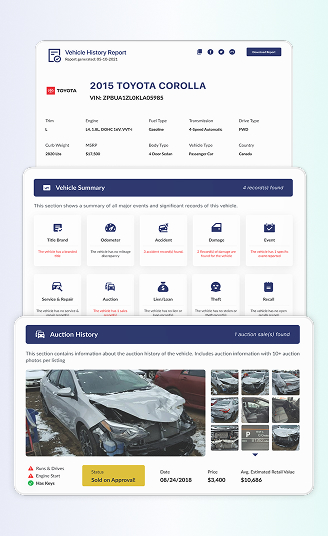
The PremiumVIN report is built for regular people, collectors, and anyone checking a Scion before handing over money. It shows the car’s identity details, plus history signals that can affect price, safety, and legal risk.
Below is what you’ll typically see inside the Scion premium history report by VIN check.
Vehicle Specifications
This section helps confirm what the Scion really is on paper. It’s where you check the basics like year, model, trim, engine, and drivetrain so the listing matches the vehicle.
Year, Make, Model
Shows the vehicle’s reported year and model identity tied to the VIN. It helps confirm you’re not looking at a mismatched listing or a car wearing the wrong badge.
Trim
Trim matters more than people think. This part helps you understand the vehicle’s configuration level, which affects equipment, value, and sometimes even resale demand.
Engine and Drivetrain
List engine and drivetrain details when available, which is useful if you’re comparing two similar Scions. It can also hint at whether the car “matches the story.”
Transmission and Fuel Type
This helps confirm the basic mechanical setup, especially for buyers who specifically want a certain transmission type. It’s also useful for paperwork consistency.
Title Check
This part is meant to help you avoid buying into a problem you didn’t sign up for.
Junk
If records show the car was marked for parts or not intended for road use, that’s a major signal. You don’t want surprises after you already paid.
Rebuilt
A rebuilt title usually means a vehicle was previously salvaged and later returned to the road. This section helps you spot that pattern early, before you trust the shiny photos.
Lemon
A lemon brand may indicate the vehicle was bought back due to repeated issues under warranty rules.
Ownership History
This section gives you a timeline-style view of how the Scion moved through time. Not names (privacy rules), but patterns.
Owner Count (When Available)
Shows how many owners are reported. One-owner isn’t always perfect, but it’s still a useful signal, especially when it matches service and mileage patterns.
Ownership Timeline
Gives a rough timeline of ownership changes. If the Scion flips hands fast, you may want to ask why. Sometimes it’s nothing. Sometimes it’s everything.
Vehicle Use Type (When Reported)
If records suggest personal use, fleet use, lease use, or other categories, it can help you understand wear and tear. Different use types can mean different maintenance habits.
Mileage History
Mileage is one of the easiest things to lie about and one of the hardest things to “feel” just by looking. This part is for sanity-checking.
Mileage History from Multiple Sources
Pulls mileage readings from different record sources when available. The goal is to help you see whether the mileage trend makes sense over time.
Rollback Detection and Alerts
If the mileage appears to move backward or jump strangely, that’s a red flag worth noticing. It doesn’t convict anyone, but it absolutely deserves questions.
Annual Usage Patterns
Shows rough usage patterns year to year (when data exists). A Scion that barely moved for years might be fine, or it might be a “sat too long” situation.
Service & Maintenance Records
Service records don’t make a car perfect, but they do make it easier to trust. This section focuses on maintenance patterns when reported.
Scheduled Maintenance
Shows routine maintenance entries when available. Regular patterns are generally a good sign, especially for buyers comparing multiple Scions.
Part Replacements
If records show part replacements, it helps you understand what’s already been done. Sometimes that’s reassuring. Sometimes it raises questions.
Major or Minor Repairs
Repair entries can show whether the car had repeated issues or just normal wear-and-tear fixes.
Auction & Sales History
If the vehicle ever passed through auction or online listing lanes, this section helps you see that. For collectors and cautious buyers, this section is a big deal.
Auction Date and Location
Shows when and where the vehicle was auctioned (when recorded). This helps you place the Scion in a timeline and understand how it moved through the market.
Condition at Each Listing
If condition notes appear across listings, it helps you see whether problems were consistent or changed over time. It also helps spot cleaned-up descriptions.
Photos from Past Listings
When older listing photos are available, they can help you compare the past condition to the current claims. Sometimes it’s eye-opening, honestly.
Price Changes Over Time (When Available)
If listings show pricing shifts, it can hint at how the market responded. Big drops can mean urgency, hidden issues, or just normal seller behavior.
Warranty Status
Warranty info is not always available for every used vehicle, but when it is, it can be useful for planning and budgeting.
Basic Warranty Term
Shows basic warranty term details when available. It helps you understand what coverage might still apply, especially for newer vehicles.
Theft Records
This section is about legal safety. You don’t want to buy a Scion and then find out it has an unresolved theft record.
Stolen Status Check
Checks whether the vehicle is flagged as stolen in available reporting systems. If it’s clean, great. If it isn’t, stop right there.
Recorded Theft Incidents
If there are theft-related records, this section shows what’s reported. It helps you avoid messy situations with ownership disputes later.
Recalls Check
Recall info is about safety and responsibility. It answers a simple question: was there a known issue, and was it handled?
Open Recall Information
Shows open recalls when they exist for the vehicle/model. If there’s an open safety item, you’ll want to address it before daily driVIN g.
Completed Recall Events
When recall completion is recorded, it helps you feel more confident that the fixes were done. It can also help owners track what’s already been handled.
Lien/Loan Check
This is the section that helps you avoid buying someone else’s debt. It’s not dramatic, but it’s important.
Lien Record Identification
Shows lien/loan records when reported. If there’s an active financial claim tied to the car, you want to know before you pay the seller.
Dates and Locations (When Available)
When lien records include dates and locations, it helps you understand whether the record is current-looking or tied to older history that might already be resolved.
Free Scion VIN Decoder vs Full Vehicle History Report
A free Scion VIN decoder is great when you just want the basics fast. But if you’re buying, selling, or trying to verify what really happened to the car, a full Scion VIN number decoder report goes way deeper. Here’s why:
| What You Can Check | Free Scion VIN Decoder (Quick Check) | Premium Scion Vehicle History Report (Full Report) |
|---|---|---|
| Scion year, model, and make | ✓ Confirms basic identity | ✓ Fully confirmed with production details |
| Basic Scion specs (engine, body, trim) | ✓ General specifications | ✓ Complete factory specifications |
| Title status (e.g., salvage, rebuilt, lemon) | Basic status hint only | ✓ Full title brand history |
| Accident history check | Not available | ✓ Detailed accident records when reported |
| Mileage and odometer records | Not available | ✓ Multiple recorded mileage entries |
| Odometer rollback/mileage inconsistency checks | Not available | ✓ Rollback flags and inconsistency alerts |
| Auction history and photos | Not available | ✓ Auction listings and images when available |
| Online listings and advertised sales | ✓ Current listing snapshot (when available) | ✓ Listings and advertised sales records |
| Timeline of previous listings and sales | Not available | ✓ Timeline of past listings and sale activity |
| Sales listings records & photos | Not available | ✓ Listing records and photos (when available) |
| Scion market value estimate | Not available | ✓ Value estimates and pricing ranges |
| Number of previous owners | Not available | ✓ Owner count (when available) |
| Past vehicle use (private, rental, fleet, commercial) | Not available | ✓ Use-type indicators when reported |
| Outstanding loans or lien records | Not available | ✓ Lien/loan flags when reported |
| Stolen vehicle check | Limited check | ✓ Detailed theft records if reported |
| Flood, fire, or hail damage indicators | Not available | ✓ Damage-event indicators when reported |
| Reported service or repair history | Not available | ✓ Service/repair records (when available) |
| Recall and warranty information | Limited overview | ✓ Recall history and basic warranty status |
| Downloadable PDF report | X Not included | ✓ Yes, easy-to-save PDF |
| Best suited for | Quick Scion VIN lookup and early screening | Buyers, sellers, collectors, and serious checks |
Noah’s Scion VIN Decoder Story: Why Decoding Matters
Noah is shopping for a Scion xB. He’s not trying to be dramatic; he just wants a clean daily driver. He finds a listing that looks decent, the price is okay, seller seems normal. But Noah does one smart thing first: he decides to decode the Scion VIN using the PremiumVIN Scion VIN lookup tool.
Sample Report: JTLZE4FE2FJ068469
Initial Impression
- The report clearly identifies the car as a 2015 Scion xB, and it shows basic specs like a 2.4L engine, manual transmission, FWD, and it lists the country as Japan. On the surface, it’s the kind of Scion that feels like it could run forever if it were treated right.
Critical Findings
- The report shows 1 accident record and 1 damage record reported.
- It shows 3 lien/loan records, which is a big “hold on” moment if you’re about to pay cash.
- It shows fleet usage records, and the ownership timeline lists multiple owners.
- On the “good news” side: it shows no mileage discrepancy, no theft record, and no open recall record in the report snapshot.
Outcome
- Noah doesn’t panic. He just gets stricter. He asks the seller direct questions: What’s the story behind the accident? Can you show proof of repairs? Are the lien/loan items released properly? If answers are clean, he negotiates. If answers are vague, he walks out. As simple as that.
Lessons Learned
- A test drive doesn’t show paperwork. Noah drove a nice Scion, but the report flagged the title and lien history.
- Facts help you negotiate. He asked direct questions about the accident and repairs instead of guessing.
- The VIN keeps people honest. If the story doesn’t match the VIN history, Noah walks.
How to Get a Scion Vehicle History Report by VIN Number Lookup
Doing a Scion VIN number lookup is pretty simple. You don’t need to decode anything manually or stare at VIN charts all day. Just enter the VIN, review the preview, then pull the full report if it looks like a car worth your time.
Step 1: Enter Your VIN
Type the 17-character Scion VIN into the search box. Double-check for typos.
Step 2: Review the Preview
You’ll see a free overview first, at no cost. This helps confirm you’ve got the right Scion, before you go deeper.
Step 3: Get the Report
If the preview looks right, continue to the full vehicle history report to check title brands, accidents, liens, mileage records, and more.
Explore Other Scion VIN Search Tools
A Scion VIN decoder is a solid first step, but sometimes you’re chasing original equipment, sometimes you’re checking recalls, and sometimes you just want to confirm the title is clean. These extra Scion VIN search tools cover those side questions.
A window sticker is basically the factory-style summary sheet. When available, it can help you understand original equipment, packages, and sometimes pricing context.
A recall check helps you see whether there are any known safety issues tied to the vehicle or model. And honestly, if you’re buying used, it’s nice to know what might need attention soon.
Sometimes you don’t have the VIN yet, or the listing is missing it. A license plate lookup can help bridge that gap in certain cases, depending on what data is available.
A title check focuses on branding and legal status signals. This is where you look for stuff like salvage, rebuilt, and lemon branding when reported. It matters because title status can affect resale value, insurability, and buyer confidence.
Facts About Scion: The Short Story Behind the Badge
Scion is one of those brands people either forget about or talk about like an inside joke. But for owners, it’s more than that. The cars are simple, dependable, and easy to live with. Here are a few fun Scion facts to set the scene.
The Brief History of Scion
Scion was a Toyota brand aimed at bringing younger buyers into showrooms, and Toyota later decided to transition the lineup back under the Toyota name. Toyota announced the brand transition in 2016, including rebadging certain models as Toyotas starting around the 2017 model year.
- Toyota said some Scion models would be rebadged as Toyotas, including the FR-S, iA, and iM.
- The Scion brand first launched in the early 2000s, before being phased out after the 2016 model year.
- Scion is still discussed today because Toyota has hinted the name could return in a different form, not as a normal car lineup.
- Because Scion is closely tied to Toyota, listings and paperwork sometimes mix the names, confusing buyers. A VIN check helps keep it straight.
- Scion ownership tends to attract people who keep cars longer, modify them, or collect clean examples for the long run.
Why Scion VIN Verification Matters
Discontinued brand (2004-2016) – Scion no longer exists, and records can be harder to track. VIN check helps fill gaps.
Toyota/Subaru/Mazda platform sharing – FR-S is Subaru-built (boxer engine). iA is Mazda-built. The VIN reveals which manufacturer actually built the car – essential for parts sourcing.
Release Series authentication – Limited edition Release Series cars have unique paint colors and numbered editions. VIN confirms genuine Release Series vs. base model with add-ons.
FR-S valve spring recall – The 2013 FR-S had a major valve spring recall. VIN check reveals if recall work was completed.
Modification history – Scions (especially tC and FR-S) are frequently modified. A VIN check reveals if the car was returned to stock after modifications.
Decode Your Scion VIN Now
Ready to stop guessing? Run a Scion VIN lookup now and confirm what the car really is, then pull the full report if you’re serious about buying or selling.
Frequently Asked Scion VIN Questions
Where is the VIN number on a Scion?
Most Scion VINs can be spotted easily on the driver-side dashboard near the windshield first (look from outside the car). If that’s not it, open the driver’s door and look for the VIN on the door jamb sticker. It’s also printed on paperwork like the title, registration, and insurance.
Is a Toyota VIN free to check?
Yes, a Toyota VIN can be checked for free for basic decoding, and that applies to Scion, too, since it’s under the Toyota umbrella. With PremiumVIN free check, you can confirm the core identity stuff, like year, make, model, engine, trim, and other basic records.
If you want the deeper side, like accidents, title brands, liens, mileage records, or auction history, that’s where a paid PremiumVIN report matters.
How to read a Toyota VIN number?
To read manually first, you must split the 17-character VIN into sections: the start points to the maker, the middle describes the vehicle, and the end includes the model year/plant/serial. However, most people don’t “read” it; they decode it. If you want the simple route, use our Scion VIN number decoder, and it translates the characters into easy-to-understand language in just seconds.
Can you look up a VIN before buying a used car?
Yes, and honestly, you should. Looking up the VIN before you buy is one of the easiest ways to avoid a bad surprise later. A Scion VIN lookup can help you confirm the car’s identity first, and then you can decide if it’s worth running a full report.
If the seller is legit, they usually won’t mind. If they get weird about it, that tells you something, too.
Where is the hidden VIN number?
“Hidden VIN” usually means a secondary VIN location used for verification. On many vehicles, that can be on the frame area, under-hood sections, or other manufacturer-stamped spots that aren’t meant to be the “main display.”
For buyers, you don’t need to hunt like a detective. Just make sure the visible VIN (windshield/door jamb) matches the paperwork. If something feels off, then checking other stamped locations can help.