
Decode Any Ferrari VIN & Check Vehicle Details Instantly
Use our free Ferrari VIN decoder to uncover your vehicle’s model year, engine type, trim level, and factory specifications in seconds. Enter any valid Ferrari VIN number to instantly decode important vehicle details before buying, selling, or restoring a classic Prancing Horse.
What is the Ferrari VIN Decoder?
A Ferrari VIN decoder is a specialized tool that reads the Vehicle Identification Number and reveals important factory information about the vehicle. For Ferrari enthusiasts, this isn’t just about specs—it’s about authenticity.
A Ferrari VIN number (Vehicle Identification Number) is the ID code tied to the car’s identity. Think of it like a fingerprint, but for paperwork: it helps connect the car to specs, records, and history.
Most modern Ferraris use a 17-character VIN. Older Ferraris can show shorter identification numbers, often referred to as a chassis/serial number, and the length can vary by year and market. That’s why a normal decoder sometimes fails on classics.
PremiumVIN supports modern 17-digit VINs and classic Ferrari VINs (5–14 digits) too. So, you can still get the available vehicle report and see the recorded important information on it, such as the accident & damage records, stolen records, and many more.
What Information Can You Get from a Ferrari VIN Number?
By using a Ferrari VIN decoder, you can uncover essential factory details that help verify a vehicle’s identity before purchase.
Factory Specifications You Can Uncover
Model Year and Production Details
Pinpoints the exact production year, which helps distinguish between early and late production runs—critical for collector valuation.
Engine Type and Configuration
Reveals engine displacement, cylinder layout, and performance specifications. For Ferrari, the engine is the heart of the car’s value.
Trim and Variant
Confirms whether the vehicle is a Modena, Spider, GTS, GTO, or special edition like the Scuderia or Speciale.
Drivetrain Specifications
Shows transmission type, drivetrain layout, and related mechanical identifiers.
Body Style
Identifies whether the Ferrari is a Berlinetta, Spider, Coupe, or Targa.
Assembly Plant
Shows which factory produced the vehicle (Maranello, Italy, is the historic home).
This information is especially valuable when comparing similar models or verifying that a seller’s description matches factory records.
How to Decode a Ferrari VIN Number
Decoding your Ferrari VIN is simple and takes less than a minute.

Step 1: Find Your VIN
Find the 17-digit VIN number on the vehicle dashboard, driver-side door jamb, or registration documents.

Step 2: Enter the VIN
Type or paste the full Ferrari VIN into the decoder tool above.

Step 3: Access Factory Specifications
Instantly view the vehicle's factory specifications, including engine, trim, transmission, and model year.
Where to Find the Ferrari Vehicle Identification Number?
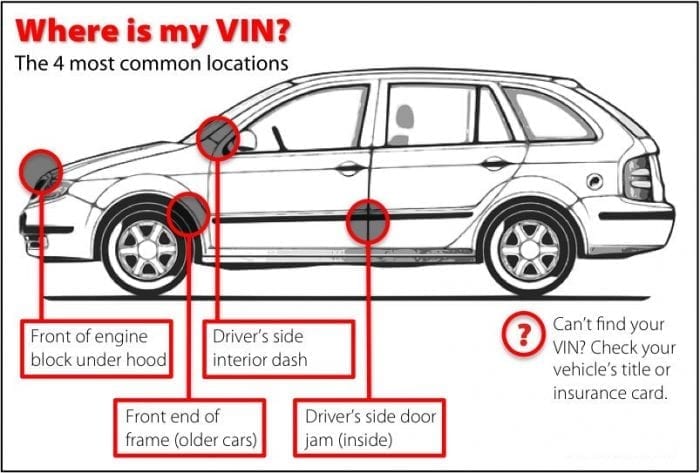
You can usually find the Ferrari VIN in a few common spots. Some older models can vary, but these are the places most people check first.
Dashboard
Look through the windshield on the driver’s side, near the lower corner of the dashboard. It’s often the fastest place to confirm the VIN without opening anything.
Driver-side door jamb
Check the label or plate around the driver-side door frame area. Many vehicles place VIN labels here for quick identification.
Vehicle registration or title documents
If you have paperwork, the VIN is typically printed clearly on the registration and title. This is also useful for matching the VIN to the car itself.
Insurance card or policy documents
Insurance documents often list the VIN to identify the covered vehicle. It’s a quick reference if you don’t have the title nearby.
Engine bay/chassis plate (varies by model/year)
Some Ferraris may have a plate in the engine bay or another identification plate location. For collectors, this is often where people also talk about “chassis number.”
How to Read a Ferrari VIN Number
A VIN looks like random letters and numbers until you break it into three chunks. That’s the trick. Most modern Ferraris use a 17-character VIN, and it’s split into WMI, VDS, and VIS. But the older VIN tage Ferrari has fewer than 17 characters (often 5 to 14 characters).
For example, let’s use this VIN: ZFF89FPA0M0259265
WMI (World Manufacturer Identifier)
The WMI is the first 3 characters of the VIN. This part tells you who made the car and the general region it comes from. If you’re considering a European Ferrari, this is usually the first “quick win,” because it often points to Italy and Ferrari right away. If the WMI doesn’t match the brand being sold, that’s not a small typo. That’s a serious stop-and-check moment.
WMI Character Meaning (Example from this Ferrari VIN: ZFF)
- 1st character (Z): Country/region group code used for Italy/Europe in VIN systems.
- 2nd character (F): Manufacturer identifier used as part of Ferrari’s WMI pattern.
- 3rd character (F): Completes the Ferrari WMI code, commonly seen as ZFF on Ferrari VINs.
VDS (Vehicle Descriptor Section)
The VDS is characters 4 to 9. Think of it as the “description” block. It stores manufacturer-coded details about the vehicle’s type and configuration. However, Ferrari can encode these characters in a brand-specific way, so trying to “guess” every character like a crossword puzzle usually doesn’t work.
Instead, use the Ferrari VIN Number decoder, so you have a more accurate and faster result than decoding it by yourself. Our Ferrari VIN number decoder reads this section by matching it against verified vehicle records.
VDS Character Meaning (Example from this Ferrari VIN: 89FPA0)
- 4th – 8th (89FPA): Explain the Ferrari internal descriptor code (model code, body type/engine, or restraint/safety system type).
Note: Exact definitions are based on Ferrari’s internal coding and are not fully public. - 9th (0): Check digit position on many VINs used under North American rules (helps validate the VIN).
VIS (Vehicle Identifier Section)
The VIS is characters 10 to 17. This is the part that identifies the exact car. It includes the model year code (10th character), a plant/production code (often 11th character, manufacturer-defined), and then a serial number (typically the last 6 characters).
VIS Character Meaning(Example from this Ferrari VIN: M0259265)
- 10th (M): Model year code. In standard VIN charts, M = 2021.
- 11th (0): Assembly plant/production code (manufacturer-defined).
- 12th–17th (259265): Vehicle serial/production sequence (unique to that specific vehicle).
Supported Ferrari Models
Here are some popular Ferrari models you can decode their VINs for free and get the vehicle report.
Ferrari 348
Ferrari 360 Modena
Ferrari 456 GT
Ferrari 456 M
Ferrari 458 Italia
Ferrari 458 Speciale
Ferrari 458 Spider
Ferrari 488 GTB
Ferrari 488 Pista
Ferrari 488 Pista Spider
Ferrari 488 Spider
Ferrari 512 M
Ferrari 512 TR
Ferrari 550 Barchetta
Ferrari 550 Maranello
Ferrari 575 M
Ferrari 599 GTB Fiorano
Ferrari 599 GTO
Ferrari 612 Scaglietti
Ferrari 812 Superfast
Ferrari California
Ferrari Challenge Stradale
Ferrari Enzo
Ferrari F12berlinetta
Ferrari F355
Ferrari F40
Ferrari F430
Ferrari F50
Ferrari F8 Spider
Ferrari F8 Tributo
Ferrari FF
Ferrari GTC4Lusso
Ferrari LaFerrari
Ferrari Mondial
Ferrari Mondial t
Ferrari Portofino
Ferrari SF90 Stradale
Ferrari Superamerica
Who Should Use the Ferrari VIN Lookup Tool?
A Ferrari VIN lookup is for people who want fewer surprises. It helps you line up the VIN with the paperwork, confirm the Ferrari specifications, and perform a quick Ferrari VIN check before you decide to dig deeper.
Buying a Ferrari is exciting, sure. But it’s also a lot of money, and mistakes get expensive fast. A Ferrari VIN decoder helps you confirm the car’s identity and spot red flags early. Whether it’s a Ferrari 360 search or something rarer, you want to know what you’re paying for.
Identify hidden damages before purchase
Even clean-looking cars can have past issues. A Ferrari VIN check can highlight accident or damage records, so you don’t discover problems after you’ve already signed everything.
Spot salvage or rebuilt title signals early
A branded title can change value and insurability. It’s better to know upfront than to get surprised at registration.
Decide whether the car is worth an in-person inspection
A report doesn’t replace a mechanic, but it helps you filter out obvious problem cars before you spend time and travel money.
If you sell Ferraris, you already know buyers ask tough questions. A Ferrari VIN lookup helps you answer them clearly, without awkward moments. It also supports pricing, paperwork, and trust.
Verify a vehicle’s value
Accurate specs and clean history support stronger pricing. It also helps you explain why your Ferrari costs what it costs.
Prepare cleaner paperwork for out-of-state buyers
Long-distance buyers rely on documentation. A report makes your sale feel more professional and easier to close.
Improve transparency for auctions and consignment
If you’re running consignment or auction listings, history data helps reduce returns, complaints, and reputation damage.
Collectors aren’t only buying cars, they’re buying stories. A Ferrari VIN decoder is useful for checking authenticity basics, tracing timelines, and understanding what a car really is. This is especially handy when someone asks about older models like a Ferrari F355 or when the seller’s description feels a bit too polished.
Cross-check a Ferrari chassis number for collector confidence
Chassis numbers matter in the collector world. This is a practical way to double-check consistency across documents.
Get a “quick read” before restoration planning
If you’re restoring, historical details can shape the plan. You don’t want to rebuild a car without understanding its past.
Ask smarter questions when meeting a seller
A report gives you talking points that are specific, not generic. And that changes the whole negotiation vibe, honestly.
Need More Than Ferrari Specs? Get a Full Vehicle History Report
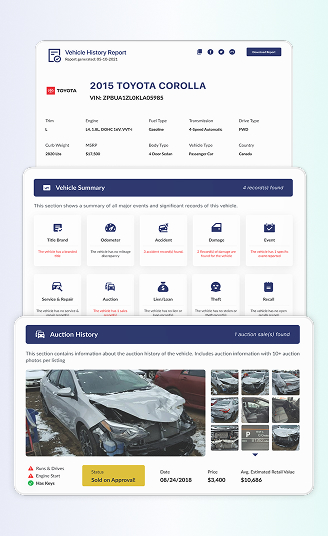
With PremiumVIN, you can decode Ferrari VIN details for modern cars and classics, and the report is built for real-life buying and owning. It’s especially helpful for collectors and cross-border buyers who want to verify the car’s story, including the specs, title brands, ownership changes, accident or damage flags, and more. Here is information you will receive with our VIN Check.
Vehicle Specifications
This is the “what it is” section. It focuses on the car’s identity on paper, and how the vehicle is described by core specs, configuration, and identifiers, so you can compare it against the listing and the real car in front of you.
Year, Make, Model
You’ll see the reported year and model information tied to the VIN, so you can sanity-check the basics. This matters when listings are vague or when a seller casually tells a different story.
Trim
Trim details help confirm the variant or configuration level. For a Ferrari, trim info can also hint at how the car was originally positioned, and whether the current listing description feels accurate or a little too “creative.”
Engine & Drivetrain (When Available)
This section can list engine type and related mechanical identifiers when they’re available in structured records. It’s helpful for spotting mismatches, especially if the car has been modified, swapped, or marketed with “upgraded” wording that doesn’t match reality.
Accident Records
Accidents change value, structure, and sometimes long-term reliability. This section summarizes reported accident activity, such as how many incidents occurred, when they happened, and where they were recorded.
Number of Accidents Reported
A count of reported accidents gives you a quick risk signal. One minor incident is one thing. Multiple incidents can suggest repeated damage exposure, and you’ll want proper documentation for repairs.
Date of Reported Accidents
Dates help you connect accident history to ownership periods and service events. It’s also useful when sellers claim “it happened long ago,” because the records can often confirm the timing.
Reported Accident Location
The recorded location helps you verify that the accident history matches where the vehicle was registered, sold, or serviced, and it can reveal gaps in a seller’s story.
Damage History
Damage isn’t always from a crash. Fire, flood, hail, and even repeated cosmetic repairs can affect long-term ownership costs, especially on a Ferrari, where “simple fixes” are rarely simple.
Fire Damage
Fire damage can affect wiring, interior materials, and structural components. Even when repaired, it’s worth understanding what was impacted, because hidden electrical issues can show up later and cost real money.
Flood Damage
Flood exposure can lead to corrosion, electrical failures, and lingering problems that pop up months later. This is one of those “walk in with your eyes open” situations, especially for buyers in another country.
Structural or Major Repair Flags (When Available)
If a record hints at major structural work, it’s a strong signal to inspect deeper. For high-performance cars, structure matters because the alignment, handling, and safety can all be affected
Lien/Loan check
A lien is the kind of problem that can turn a “deal” into a headache. This section checks whether the vehicle is still tied to a lender or financial claim in available records.
Lien Record Identification
When lien data is available, it shows whether there’s an active financial interest attached to the vehicle. It’s important because an unpaid lien can block a clean title transfer in many jurisdictions.
Dates and Locations (When Available)
If records include dates and locations, it helps you track where and when the lien was recorded. That context matters when you’re buying across state lines or handling a foreign import process.
Verified Sources (When Available)
Source labeling helps you understand how the lien information was obtained and whether it’s tied to official record systems.
Title Check
This section helps you verify whether the paperwork is clean or not. Title brands can affect value, registration, resale, and sometimes your ability to insure the vehicle. And with high-end cars, a branded title is not always obvious from photos.
Salvage
A salvage brand usually means the vehicle was declared a total loss at some point. Even if it looks perfect now, a salvage title can impact resale value, financing, and insurance acceptance depending on where you live.
Rebuilt
A rebuilt title generally means the vehicle was repaired and returned to the road after being salvaged. You want to know what happened, when it happened, and whether the repairs were documented properly.
Lemon
A lemon brand can show up when a vehicle was bought back due to repeated issues under specific legal rules. It doesn’t automatically mean the car is “bad,” but it does mean you should read carefully and ask better questions.
Clean / No Brand Found (When Reported)
If records show no branding, that can be reassuring, but it still helps to confirm the title status matches the state or country you’re dealing with. Older imports and classic records can be messy, so consistency is the whole game.
Mileage History
Mileage is not just a number. It’s a consistency test. This section compares recorded mileage over time and helps spot odd jumps, missing stretches, or possible rollback signs.
Rollback Detection and Alerts
If mileage entries drop suddenly or look inconsistent, that can trigger suspicion. This doesn’t always prove fraud (data can be messy), but it gives you a clear reason to investigate before you buy.
Last Reported Mileage (When Available)
The last recorded mileage entry can help you compare the current odometer reading to what’s on file. If the seller’s number is far off, you’ll want an explanation that makes sense.
Service & maintenance Records
Service history is one of the strongest “trust signals” a Ferrari can have. This section summarizes reported maintenance and repair activity when available, so you can see whether the car was cared for or just… driven and ignored.
Scheduled maintenance
Scheduled maintenance entries help you see whether routine servicing was recorded over time. It’s not perfection you’re looking for, but the consistency and reasonable care.
Part replacements
Parts replaced over time can indicate normal wear items or bigger jobs. This can help buyers understand what’s already been done and what might be coming next.
Major or minor repairs
Repair notes (when reported) help you distinguish minor fixes from major work. For collectors, major repair history can affect valuation and the “story” of the car.
Notes from inspections
Inspection notes can reveal patterns, such as recurring issues, advisory comments, or repeat fixes.
Auction History
Auction history is useful because it shows how the market treated the car at different moments, including the condition notes, sale outcomes, and sometimes photos. For collectors, it’s a quiet goldmine.
Auction date and location
Dates and locations help you place the listing in context. It can also help confirm whether a car that never went to auction actually did, or not.
Sale price
Sale price history can support negotiation and valuation. Even if prices have changed since, past results help you understand market appetite for that exact vehicle profile.
Condition notes, such as primary and secondary damage
Condition notes can reveal issues that weren’t obvious in later listings. This is especially useful when a car is repaired and re-listed, because the earlier notes may be more candid.
Number of photos taken at the auction
Photo counts can signal documentation depth. More photos usually mean more angles to review, and for remote buyers, that can be a big deal.
Sales History
Sales history is about how the vehicle was presented over time. It helps you see repeated listings, changes in condition descriptions, and whether the story stayed consistent.
Number of times listed
Repeated listings can mean normal seller behavior, or it can mean the car struggled to sell. This line helps you spot patterns without guessing.
Photos from past listings
Past photos can show details that current listings hide, including wheel changes, interior wear, panel fitment, or even damage that later got repaired.
Ownership History
Ownership is part of the story, especially for collector cars. This section focuses on how the vehicle moved through time: how many owners (when available), where it was registered, and how long it stayed with each keeper. Personal names are typically not shown.
Owner Count (When Available)
When the data is available, the owner count gives you a quick feel for stability. A Ferrari with long-term ownership can signal careful stewardship, while frequent turnover can mean many things. Some are harmless, some are not.
Ownership Timeline
A timeline view helps you see the order of ownership events over time. It’s useful for verifying a seller’s story, and it can also help collectors understand the car’s “life rhythm” instead of just one single snapshot.
Vehicle Use Type (When Reported)
Sometimes records indicate how the vehicle was used. Is it used as a private, rental, leased, fleet, or other? If reported, this can hint at how intense the wear might have been, because use patterns matter.
Leon’s VIN Check Story: Why Ferrari VIN Lookup Is Crucial
Leon is staring at a 2021 Ferrari Portofino. The photos look great, the spec list feels clean, and his brain is already doing that “this is the one” thing. But Leon knows something simple: a Ferrari can look perfect and still carry baggage in the records. So before he gets too excited, he runs a Ferrari VIN lookup.
Sample Report: ZFF89FPA0M0259265
Initial Impression
- Nice, high-performance car. With no accident record. This might be a clean car.
Critical Findings
- 415029877
- 3 owners shown in the history
- Past listing details show West Palm Beach, FL, $299,995, and 6,666 miles at the time
Outcome
- James can still consider the deal, but it becomes a “verify first” situation
- Decide not to pay until the lien is cleared and the seller can prove it with proper documentation
Lessons Learned
- “No accident” doesn’t automatically mean “no problems.”
- If the vehicle has lien records, that was something you needed to verify before the payment, because it can be repossessed.
Free Ferrari VIN Decoder vs. Paid Vehicle History Report
A quick Ferrari VIN lookup can confirm the basics fast. But when you’re buying a Ferrari, “basic” is rarely enough. The paid report is where the real risk stuff shows up.
| What You Can Check | Free Ferrari VIN Decoder (Quick Check) | Premium Ferrari Vehicle History Report (Full Report) |
|---|---|---|
| Ferrari year, model, and make | ✓ Confirms basic identity | ✓ Fully confirmed with production details |
| Basic Ferrari specs (engine, body, trim) | ✓ General specifications | ✓ Complete factory specifications |
| Title status (e.g., salvage, rebuilt, lemon) | Basic status hint only | ✓ Full title brand history |
| Accident history check | Not available | ✓ Detailed accident records when reported |
| Mileage and odometer records | Not available | ✓ Multiple recorded mileage entries |
| Odometer rollback/mileage inconsistency checks | Not available | ✓ Rollback flags and inconsistency alerts |
| Auction history and photos | Not available | ✓ Auction listings and images when available |
| Online listings and advertised sales | ✓ Current listing snapshot (when available) | ✓ Listings and advertised sales records |
| Timeline of previous listings and sales | Not available | ✓ Timeline of past listings and sale activity |
| Sales listings records & photos | Not available | ✓ Listing records and photos (when available) |
| Ferrari market value estimate | Not available | ✓ Value estimates and pricing ranges |
| Number of previous owners | Not available | ✓ Owner count (when available) |
| Past vehicle use (private, rental, fleet, commercial) | Not available | ✓ Use-type indicators when reported |
| Outstanding loans or lien records | Not available | ✓ Lien/loan flags when reported |
| Stolen vehicle check | Limited check | ✓ Detailed theft records if reported |
| Flood, fire, or hail damage indicators | Not available | ✓ Damage-event indicators when reported |
| Reported service or repair history | Not available | ✓ Service/repair records (when available) |
| Recall and warranty information | Limited overview | ✓ Recall history and basic warranty status |
| Downloadable PDF report | X Not included | ✓ Yes, easy-to-save PDF |
| Best suited for | Quick Ferrari VIN lookup and early screening | Buyers, sellers, collectors, and serious checks |
How to Get a Ferrari Vehicle History Report by VIN Number Lookup
Getting a report is pretty simple. You just need the VIN and a minute or two. If you’re checking a Ferrari before a purchase, do this early, not after you fall in love with the car.
Step 1: Enter Your VIN
Type the 17-character Ferrari VIN (often shorter for classic VIN) into the PremiumVIN form above. Double-check it before submitting it.
Step 2: Review the Preview
Look at the free preview results. It’s a quick way to confirm you typed the VIN correctly and the basic identity matches the Ferrari you’re researching.
Step 3: Get the Report
Proceed with payment for the full report. That’s where you’ll see history items like title brands, damage flags, liens, mileage records, and listing activity (when reported).
Explore Other Ferrari VIN Search Tools
If you’re already checking a Ferrari VIN, you might as well use the other tools too. They help you confirm details that buyers and collectors care about, and they’re useful when the listing is missing key info.
A Ferrari window sticker is basically the “factory snapshot” of how the car was originally presented. It can help you confirm key equipment, standard features, and sometimes the overall configuration being advertised.
Recall checks help you see whether there are open safety recalls tied to the vehicle (when available). Even high-end cars get recalls. The real question is whether the fixes were done. This tool is useful for safety peace of mind, and it also helps during resale.
If you don’t have the VIN, a license plate lookup can help you start the search using the plate number (when supported). It’s handy for quick screening, especially when a listing only shows a plate, or you’re checking a car in person and don’t want to crawl around for the VIN right away.
A title check focuses on title brands and legal status signals like salvage or rebuilt flags, depending on what’s reported. This is especially helpful when you’re shopping across states or buying from far away.
Facts About Ferrari: From Italian Racing to Collector Culture Today
Ferrari has this weird power. Even people who don’t care about cars still know the name. Part of it is racing, part of it is design, and part of it is just the culture around it. If you’re decoding a Ferrari VIN, you’re basically stepping into that world of detail and provenance.
The Brief History of Ferrari
Ferrari began as a racing-focused brand in Italy and became famous for blending motorsport identity with high-performance road cars. It’s still strongly tied to racing heritage, which is part of why collectors care so much about originality and documentation.
- Ferrari is closely associated with motorsport, especially Formula 1, and that racing identity shaped the brand’s image worldwide.
- The prancing horse badge became a symbol of performance and prestige, which is why Ferraris often carry strong collector demand.
- Modern Ferrari operates as Ferrari N.V., after changing corporate structure over time, which can confuse older paperwork references.
Why Users Trust Our Ferrari VIN Decoder
Buying or researching a Ferrari is not like checking a normal commuter car. People want clean answers, not confusing data dumps. PremiumVIN is built for buyers, sellers, and collectors who want to verify the story behind the VIN without getting lost.
Most comprehensive database coverage
PremiumVIN pulls from wide, structured vehicle record sources to support Ferrari VIN lookups across many model years and regions. Gives you a more complete picture when data is available.
Live Chat with VIN Expert
If you’re stuck on a detail, live chat helps. Sometimes you just want a human to confirm what a flag means, or what to look at next. This is especially helpful for older buyers and foreign shoppers who want simple explanations without guessing.
High accuracy, cross-checked results
PremiumVIN cross-checks data points across sources to reduce mismatches and obvious errors. That helps you trust the details you’re reading, especially when you’re comparing the VIN identity to what a seller claims in a listing.
No hidden fees or subscriptions
People hate surprise charges. PremiumVIN keeps pricing straightforward, so you’re not signing up for a subscription by accident. That’s important for collectors and older buyers who just want a report, not another monthly bill.
Unlimited free checks
Sometimes you’re not ready to buy. You’re just browsing, comparing cars, or saVIN g VINs for later. Unlimited free checks make that easy. You can run quick Ferrari VIN decoder searches to confirm basic identity without feeling forced into a purchase step.
Daily data updates
Vehicle records can change after ownership transfers, title updates, auction activity, or new reportable events. If you’re doing a Ferrari VIN check before a purchase, freshness matters because a lot can change in a short time.
Get Your Ferrari Vehicle Details Instantly
Use our Ferrari VIN decoder to instantly verify factory specifications, including engine details, trim, transmission, and model year. For deeper insights, upgrade to access a full Ferrari vehicle history report and make informed decisions before buying or selling.
Frequently Asked Ferrari VIN Questions
Do Ferraris have VIN numbers?
Yes. Most Ferraris built for modern markets use a 17-character VIN, and that’s what a Ferrari VIN decoder reads. Ferraris made before full VIN standardization can show shorter IDs (often called a chassis number), which is why PremiumVIN also supports classic Ferrari VINs in 5–14 characters for lookup and screening.
Is there a free VIN lookup?
Yes. Our free Ferrari VIN lookup is great for quick identity checks, like confirming the make, model, year and catching obvious VIN typos, but a full history Ferrari vehicle history report isn’t. That’s because detailed history comes from multiple record sources and takes more work to compile and organize.
How do I know if my VIN is valid and real?
To know if the VIN is valid and real, start by following these simple steps:
- Make sure it’s 17 characters (for modern cars).
- Check for common typos like O vs 0 and I vs 1.
- Remember: under U.S. rules, the 9th character is the check digit, and it must match a math formula (so random edits often break it).
PremiumVIN’s preview step helps catch these problems early before you rely on the results.
What car is the poor man's Ferrari?
There’s no official answer (it’s a nickname), but one common example people mention is the second-gen Toyota MR2 (SW20), because its mid-engine vibe and styling cues reminded people of certain older Ferrari shapes. It’s slang, not a Ferrari category, but it’s a popular comparison online.
What car is called the baby Ferrari?
A well-known “baby Ferrari” nickname goes to the ASA 1000 GT, a small GT car developed with involvement from Ferrari engineers in the late 1950s/early 1960s. It’s not literally a Ferrari model, but the connection is why the nickname stuck.