

Costa Rica VIN Check
Before you purchase a used car in Costa Rica, check the VIN to review the past damage records, service records, and ownership records–especially when the car is imported from the US.
Why a VIN Check Matters in Costa Rica?
1.97 Million Vehicles in Circulation
In 2025, Costa Rica had 1,967,450 vehicles in circulation, including nearly 1.2 million passenger cars, according to the National Institute of Statistics and Census (INEC).
$1.25 Billion in Passenger Vehicle Imports
Costa Rica imported approximately $1.246 billion worth of passenger vehicles in 2025, according to Importemos CR’s 2025 import data.
$1.25 Billion in Passenger Vehicle Imports
Costa Rica imported approximately $1.246 billion worth of passenger vehicles in 2025, according to Importemos CR’s 2025 import data.
How to Run a VIN Check in Costa Rica?
To run a VIN check in Costa Rica, you can use PremiumVIN’s tool, and you may follow these three steps to get the vehicle history report.
Step 1: Find the Vehicle’s VIN
You can check the driver’s side door jamb, windshield, and the paperwork.
Step 2: Enter the Details
Once you have the VIN, enter it into the form above. Then, click the button to submit the form.
Step 3: Download the Vehicle History Report
See the preview page and make sure the vehicle is correct. Then, proceed to payment to get the full vehicle history report.
What Information Will You Find in a Vehicle History Report?
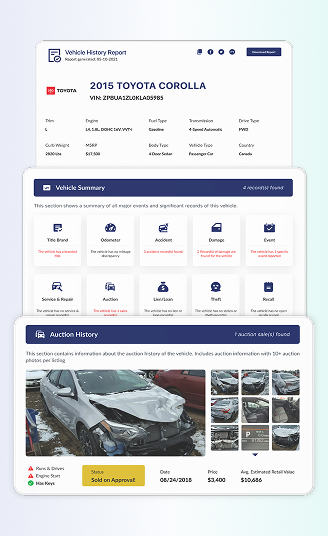
The vehicle history report can be used to examine the vehicle’s past details that are important to know before making a purchase. This is the information you can find in the report.
Vehicle Specifications
Review the vehicle’s specifications, including its model, engine type, body style, transmission, manufacturing origin, and fuel system. Compare these details with the seller’s description to check whether the vehicle matches its advertised specifications.
Ownership History
Check available ownership records, including the number of previous owners, purchase years, and ownership periods. Owners’ private information, such as names and addresses, is not displayed in the report.
Title Status & Branding Records
Review available title and vehicle status records for indications of salvage, rebuilt status, flood damage, or other reported branding. These details can help you identify potential issues that may affect the vehicle’s condition or legal status.
Lien & Financial Records
Check lien records to see whether a lender or another party has a recorded financial interest in the vehicle. Verify any outstanding obligations and confirm the vehicle’s legal status through the relevant authorities in Costa Rica.
Theft & Recovery Records
Check records to see whether the vehicle has been reported stolen or subsequently recovered. Where data is available, the report may include incident dates, locations, and information about the reporting source.
Safety Recall Information
See manufacturer recall records to identify affected components, recall announcements, and recommended repairs. Contact the manufacturer or an authorized service center to confirm whether any outstanding recalls have been addressed.
Service & Maintenance History
Review available service records, including oil changes, brake servicing, inspections, and repairs. These entries can help you understand the vehicle’s maintenance history, although not every workshop or service visit will appear in the report.
Accident & Damage History
Check records for reported collisions, flooding, fire, hail, or other damage. Where information is available, the report may include incident dates, locations, and damage details. Unreported incidents may not appear in the vehicle history report.
Odometer Readings & Mileage Timeline
Compare recorded odometer readings over time to identify inconsistencies or unusual changes in mileage. Missing records or a sudden decrease in reported mileage may warrant further investigation before you buy the vehicle.
Auction & Sales Records
Check the vehicle records and previous sales, including sale prices, listing details, condition notes, and auction images. The vehicle history report includes up to ten auction photos when available.
Reading the Report Against Costa Rican Rules
When you plan to import a used vehicle in Costa Rica, make sure you read the law and the vehicle history report carefully. Pay particular attention to total-loss declarations, damage history, and mileage discrepancies before completing the purchase.
A Total-Loss Record
Article 5 of Costa Rica’s Law No. 9078 prohibits importing used vehicles for registration if they have been declared a total loss in their country of origin. If the vehicle history report declares the vehicle has been totaled, verify eligibility with the authorities.
Flood Records
Flood damage can leave electrical faults, corrosion, and mechanical problems that affect safety and future resale value, even after repairs. So, make sure that you review the vehicle history report carefully to ensure that the vehicle does not carry a flood title.
Odometer Readings
Compare the reported mileage with the vehicle’s odometer, service records, and the seller’s statements. Costa Rican import rules require the importer to declare the vehicle’s distance travelled, so investigate unexplained discrepancies beforehand.
What's Not Included in a Costa Rica VIN Check?
A VIN check helps you identify a vehicle’s records before you purchase a used vehicle; however, it does not replace a local check with Costa Rican registry searches, a physical inspection, or a legal check.
Costa Rican Liens and Outstanding Fines
A vehicle history report may not include the registered liens (prendas) or outstanding Costa Rican traffic fines. Check the official records to identify potential financial or legal issues before you decide to purchase the vehicle.
VIN Tampering and Current Vehicle Condition
A history report cannot confirm whether the VIN or chassis number has been physically altered, nor can it establish the vehicle’s current mechanical condition. Compare the identification number with the vehicle documents and arrange a physical inspection by a qualified mechanic.
Legal Advice Before Signing the Deed
A VIN report cannot determine whether the purchase deed adequately protects your interests or resolve legal questions about ownership and registration. Consult a Costa Rican notary or qualified lawyer if you need advice before signing.
Verifying Vehicle’s Legality in Costa Rica
Before buying a used vehicle in Costa Rica, check the vehicle’s registration details, registered liens, outstanding traffic liens, and the technical status. These checks complement a vehicle history report and can help you identify issues that need to be resolved before the ownership transfer.
Check the Ownership and Registered Liens
Use the National Registry’s Movable Property Registry to verify the vehicle’s registered details and check for liens (prendas) or other registered encumbrances. Compare the registered owner’s information and vehicle identification details with the vehicle’s details provided by the seller.
Verify Traffic Fines and Technical Inspections
Check the vehicle’s traffic infractions through COSEVI’s public infraction inquiry, which allows searches using a vehicle’s license plate. You can also use COSEVI’s infraction certification service to request an official certificate.
Confirm the Vehicle Can Be Transferred
Before you sign a transfer deed with the notary in Costa Rica, make sure the vehicle’s registration details are correct and check if the vehicle has any discrepancies. If a registered lien shows up, agree on how it will be handled and ensure the necessary legal steps are completed.
Customer Testimonials
Check how our VIN check service can help plenty of customers by knowing the vehicle’s background story.
What a relief to find an easy and informative site to access reliable information about my vehicle. Quick and accurate! And this gives my potential buyers everything they need to make an informed decision! I love that everything is available at one place!
Mike Layton
United States
These guys are great. Gave accurate information on a car I was looking to sell. This was a necessity to sell the car. The information came though accurately and efficiently. Would recommend to family and friends for sure. Definitely an essential task, to get the precise information needed, to sell any vehicle. Kudos to them.
Sean A. Souza
United States
Great Tool. This is a great service to obtain the original window sticker. All you need is the VIN# and in minutes the sticker will arrive in your email. Thanks!
Gary Brewer
United States
I had a great experience with the company, my first impression with the company was awesome and I think they are really good and professional I rate them five star
Michael Stephen
Nigeria
All you need is the VIN of the vehicle. Leave the rest to these guys…. Had a little issue getting the report reviewed. A rep immediately reached out to me via WhatsApp and sorted that out. I recommend this service… 😊
Efe L. Otakore
United Kingdom
Invaluable site This site is invaluable for anyone buying a used car or selling one. The customer service is outstanding and I have nothing but accolades for this team.
Al Simmons
United States
Check the VIN Numbers for Any Car Brand in Costa Rica
FAQs on Costa Rica VIN Check?
How can I check a VIN for free?
You can check a vehicle identification number (VIN) for free using an online VIN decoder tool like PremiumVIN to find vehicle specifications, factory details, and available safety recall information.
How can I look up a vehicle by VIN?
You can look up a vehicle using its 17-character VIN through free official tools and online databases.
Where can I look up a VIN?
You can look up a vehicle identification number (VIN) online using public lookup tools and services such as PremiumVIN.
How can I find out who owns a vehicle by license plate in Costa Rica?
You can search for a vehicle’s registered owner in Costa Rica through the official National Registry’s online portal, subject to the information and access available through its services.